
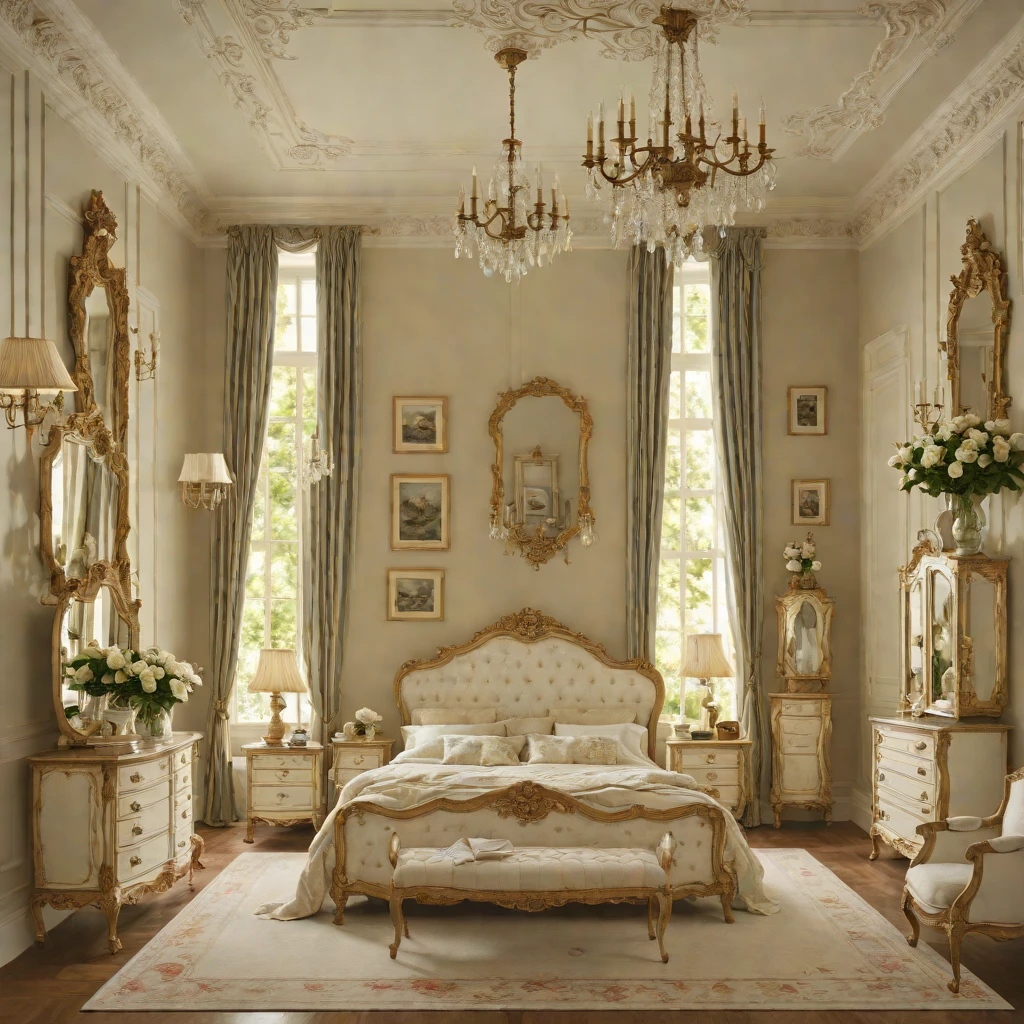
Some rooms feel lived-in from the moment you step inside them. They carry weight, warmth, and a sense of accumulated life that newer, trend-driven interiors rarely achieve. Classic vintage bedroom styles possess exactly that quality. Rooted in specific historical periods and design movements, these bedrooms tell a story through their furnishings, fabrics, and details, connecting the present to a past where craftsmanship was paramount and beauty was considered a serious pursuit. Vintage design is not about recreating a museum exhibit or living in someone else’s era. It is about borrowing the best ideas from the past and weaving them into a space that feels genuinely personal, deeply comfortable, and impossible to date. In this guide, you will explore the most beloved classic vintage bedroom styles, learn the design principles behind each one, and discover how to bring them to life in your own home with authenticity and confidence.
1. Victorian Grandeur: Rich Fabrics and Ornate Detail
The Victorian bedroom is an exercise in abundance. Defined by the design sensibilities of the late 19th century, this style embraces deep jewel tones, heavy drapery, carved wooden furniture, and layer upon layer of textile richness. A mahogany four-poster bed with turned posts and a carved headboard anchors the room, while walls papered in a lush botanical or damask print create an immersive, enveloping atmosphere.
To bring Victorian grandeur into a modern home without tipping into kitsch, focus on one or two authentic statement pieces and build around them with sympathetic but simpler elements. A genuine antique wardrobe paired with contemporary bedding in a deep jewel tone, such as bottle green or sapphire blue, creates the richness of the style without the density that can make purely Victorian rooms feel heavy.
2. Edwardian Elegance: Lighter, Airier Refinement
The Edwardian period, spanning roughly the first decade of the 20th century, represented a conscious lightening of the Victorian aesthetic. Edwardian bedrooms favor pale colors, lighter woods, and a sense of graceful restraint that feels remarkably modern. White-painted bedroom furniture with delicate floral detailing, walls in soft sage or pale lavender, and white cotton bedding with broderie anglaise trim capture the airy quality of this period.
Edwardian design is particularly well suited to bedrooms with high ceilings and sash windows. The style celebrates natural light and open space in a way that Victorian design did not, making it easier to adapt to contemporary living. A cast iron or brass bed frame in a simple arched design, paired with a classic cream quilt, delivers pure Edwardian charm with minimal effort.
3. 1920s Art Deco: Glamour and Geometric Precision
Art Deco bedrooms are among the most glamorous in the vintage design canon. Born in the 1920s, this style is characterized by bold geometric patterns, lacquered surfaces, rich contrast, and materials that convey luxury: mirrored glass, velvet, lacquered black or midnight blue wood, and metals in gold or silver. The bed is typically low-profile with a dramatic upholstered headboard in a deep jewel tone, such as emerald velvet or sapphire blue.
The geometric spirit of Art Deco extends to every detail, from a zigzag patterned rug to a sunburst mirror above the dresser. Keep the palette tight: black, gold, and one rich accent color is the classic formula. A pair of scallop-edged bedside lamps in smoked glass adds the period-correct glamour that completes the look. Art Deco is one of the few vintage styles that translates seamlessly to city apartments, where its drama feels entirely appropriate.
4. 1930s Hollywood Regency: Theatrical and Indulgent
Hollywood Regency takes the glamour of Art Deco and amplifies it with a theatrical, almost surreal quality. This style emerged in the California of the 1930s, where film industry wealth created interiors designed to dazzle. Expect mirrored furniture, oversized tufted headboards in champagne or ivory velvet, boldly patterned wallpaper in geometric or chinoiserie prints, and an unapologetic love of shine.
The key to making Hollywood Regency feel sophisticated rather than excessive is restraint in the number of competing elements. Choose one show-stopping piece, perhaps a mirrored chest of drawers or a dramatically tufted bed, and let the rest of the room play a supporting role. A zebra-print rug or a lacquered side table in a high-gloss finish delivers the period’s signature irreverence without overwhelming the space.
5. 1940s and 1950s American Traditional: Cozy and Familiar
The post-war American bedroom is defined by a sense of comfort, reliability, and unpretentious beauty. Cherry or maple wood furniture with simple traditional profiles, plaid or floral cotton bedding, braided wool rugs, and wallpaper in a small-repeat pattern create a bedroom that feels genuinely welcoming. This is the aesthetic of well-made, honest things built to last a lifetime.
Reproduction pieces in the early American or colonial revival style work particularly well here. A maple sleigh bed with simple carved details, a matching dresser with original glass knobs, and a handmade quilt in a classic pattern such as wedding ring or log cabin carry the warmth of this era without requiring expensive antiques. The bedroom should feel like a place where good, ordinary life happens.
6. Mid-Century Modern: Clean Lines and Organic Forms
Mid-century modern is arguably the most influential design period of the 20th century, and its bedroom applications remain among the most copied and celebrated in contemporary interiors. Defined by the 1950s and 1960s, this style combines clean geometric lines with warm organic materials: walnut veneer, molded plastic, woven textiles, and the natural curves that designers like Eames, Bertoia, and Wegner made iconic.
A mid-century bedroom anchors itself around a low-profile platform or slab-leg bed in teak or walnut. Bedside tables with tapered hairpin or splayed legs, a dresser with long horizontal lines and recessed pulls, and a woven sisal or wool rug in a warm geometric pattern complete the look. The palette leans earthy and warm: avocado, burnt orange, harvest gold, and olive are authentic period colors that read surprisingly fresh against modern neutrals.
7. Bohemian Vintage: Layered, Worldly, and Free-Spirited
The bohemian vintage bedroom draws from no single period or place, instead weaving together textiles, patterns, and objects from multiple cultures and eras into an intentional, layered whole. Persian rugs stacked over bare floorboards, a brass bed hung with gauzy canopy fabric, walls covered in framed vintage prints and woven wall hangings, and a dresser topped with thrifted treasures create a room that feels richly personal and genuinely irreplaceable.
The bohemian bedroom rewards patience and accumulation over time. Start with a few meaningful anchors, a genuine antique bed frame, a kilim rug, a collection of candle holders in mixed metals, and build slowly. Resist the urge to buy a complete bohemian “look” from a single retailer. The authenticity of this style comes from the diversity of its sources.
8. French Provincial: Romantic and Rustic Refinement
French provincial design draws from the country homes of Provence and Normandy, where the grand formality of Parisian style meets the warmth and informality of rural life. Bedroom furniture in this style features gently curved profiles, carved floral or leaf details, and a finish that suggests age: distressed white paint, washed linen, or weathered gray wood.
A carved white-painted wood bed frame with a curved headboard, dressed in layers of white cotton, delicate lace, and soft toile, captures the essence of this style. Lavender, dusty rose, and soft sage are authentic accent colors. A vintage armoire, ideally in an aged finish that shows its history, serves as both storage and a dramatic focal point that announces the room’s character from the doorway.
9. Cottage Vintage: Warmth and Gentle Imperfection
The cottage vintage bedroom is the antithesis of perfection, and that is precisely its appeal. Slightly mismatched furniture, painted in chalky white or soft sage with visible brushwork, whitewashed floorboards, and floral or gingham bedding in faded pastels create a room that feels genuinely comfortable and organically beautiful. This is a style built on the beauty of imperfect, lovingly worn things.
Layering is everything in this aesthetic. A vintage crocheted blanket folded at the foot of the bed, a collection of mismatched frames on the wall, a pitcher of dried lavender on the windowsill, and a reading lamp with a pleated fabric shade add up to a room that tells a story. Paint your floorboards or furniture with chalk paint in soft white for an instant authenticity that looks genuinely weathered.
10. Japandi Vintage: Serene East-West Harmony
Japandi, the fusion of Japanese minimalism and Scandinavian design, has deep vintage roots in both traditions. When applied to the bedroom, it creates a space of extraordinary calm: low wooden furniture in natural ash or bamboo, paper lantern pendant lights, woven tatami or rattan accents, and a palette drawn from nature, stone, sand, charcoal, and warm cedar.
This style welcomes a small number of meaningful objects displayed with care. A single ceramic vase with a single stem, a stack of well-worn books on a low shelf, or a vintage textile draped over a simple chair communicates more powerfully than a room full of collected objects. The Japandi bedroom invites stillness, and the restraint of its vintage influences gives it a timeless quality that feels as relevant today as it did decades ago.
11. How to Mix Vintage Periods Successfully
The most compelling vintage bedrooms are rarely confined to a single period. Mixing styles from different eras creates a layered, personal quality that feels collected over time rather than purchased as a set. The key is to identify one dominant style that sets the room’s character, then introduce one or two complementary elements from related periods that share a material, color, or aesthetic sensibility.
A mid-century modern bed can coexist beautifully with a Victorian brass lamp and a 1930s Art Deco rug if they share a warm metallic palette. A French provincial dresser pairs naturally with an Edwardian iron bed frame if both feature white or soft painted finishes. Anchor decisions around material compatibility and palette coherence, and the periods will find their own conversation.
12. Sourcing Authentic Vintage Pieces
The search for genuine vintage furniture is one of the great pleasures of this design approach. Estate sales, regional auction houses, architectural salvage dealers, and well-curated online platforms such as Chairish and 1stDibs offer access to authentic pieces at a wide range of price points. The patina of a genuinely aged piece, the slight irregularity of hand-painted detail, and the solidity of pre-war joinery are things that reproduction furniture simply cannot replicate.
When sourcing vintage bedroom furniture, check drawer construction (solid wood dovetail joints indicate quality and age), hardware originality, and structural integrity. A piece that needs refinishing or new upholstery is often a better investment than a perfect-looking reproduction, because the underlying quality of old furniture typically far exceeds anything manufactured for the contemporary market.
Pro Tips for Getting It Right
- Choose one hero piece and build around it: In vintage bedroom design, one genuinely beautiful, authentic piece will elevate an entire room. A real Victorian wardrobe or a genuine 1950s Danish walnut dresser sets a standard that guides every other decision. Start there, and let everything else serve that central object.
- Paint is your fastest vintage transformation tool: A dated bedroom can be instantly grounded in a vintage style with the right paint choice. Chalky, slightly muted paint colors in sage, dusty rose, or deep teal carry inherent period associations. Apply chalk paint to existing furniture for an aged finish without replacing a single piece.
- Invest in period-authentic lighting: Lighting is one of the most powerful period markers in a room. A genuine or high-quality reproduction Art Deco lamp, a Victorian-style ceiling rose with a pendant, or a mid-century ceramic table lamp transforms the character of the room more effectively than any furniture purchase.
- Layer your textiles generously: Vintage bedrooms earn their character through the accumulation of layered textiles. Mix patterns from the same color family: a floral duvet with a striped pillow and a geometric throw can coexist beautifully when their colors are harmonious. Do not be afraid of pattern, but keep the palette tight.
- Use scent to anchor the period atmosphere: A candle in a period-appropriate fragrance, lavender and beeswax for Victorian, cedar and bergamot for mid-century, rose and tuberose for Art Deco, adds an often-overlooked sensory layer that makes the room feel complete and genuinely immersive.
Classic vintage bedroom styles offer something that purely contemporary design rarely achieves: a sense of depth, narrative, and genuine character that makes a room feel truly inhabited. The ideas in this guide span more than a century of design history, but they all share a commitment to beauty, craftsmanship, and the belief that the spaces where we sleep deserve more than convenience and trend.
Whether you are drawn to the jewel-toned grandeur of the Victorian period, the clean warmth of mid-century modern, or the romantic imperfection of cottage vintage, there is a style here that speaks to who you are. Start with the pieces that genuinely move you. Build slowly. And remember that the most beautiful rooms are not decorated in a weekend. They are assembled over a lifetime, one extraordinary find at a time.

No Comments