
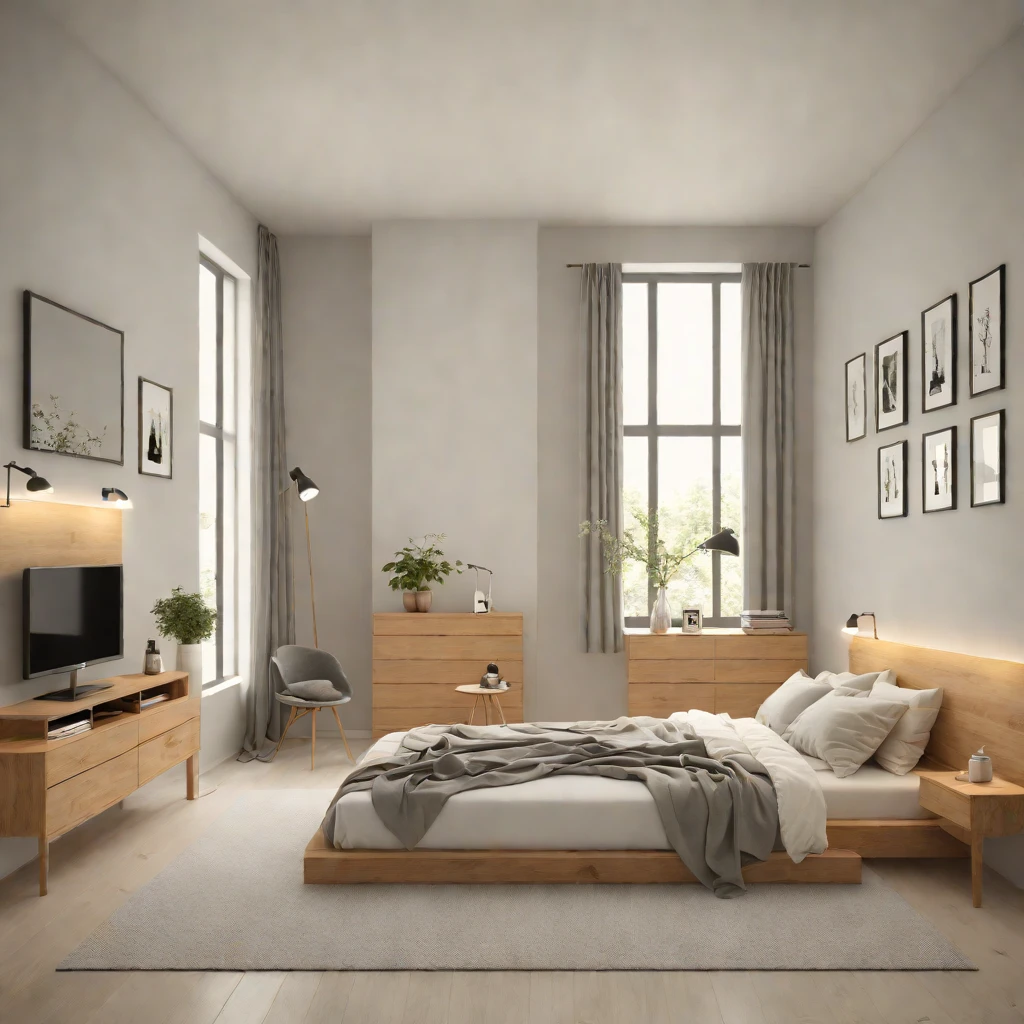
A bedroom should do one thing above all else: restore you. In the rush of daily life, the spaces we sleep in carry enormous weight, and a minimalist modern bedroom design has a unique power to quiet the noise and give you back a genuine sense of peace. Stripped of excess, these rooms feel intentional, breathable, and deeply personal. The minimalist modern bedroom design movement is not about living with less for its own sake. It is about choosing well, arranging thoughtfully, and letting every element earn its place. In this guide, you will discover more than 25 ideas spanning furniture, color, texture, lighting, and layout that will help you craft a bedroom that feels both effortlessly stylish and genuinely restful. Whether you are starting from scratch or refining an existing room, there is something here for every space and every taste.
1. Start with a Neutral, Layered Color Palette
Color is the foundation of any minimalist modern bedroom, and the most successful rooms anchor themselves in a restrained palette of two or three tones. Think warm whites, soft greiges, and earthy taupes layered together so the room reads as cohesive rather than cold. The key is variation within a single hue family: a matte white wall paired with an off-white linen duvet and a natural oak nightstand creates depth without visual noise.
Avoid the trap of going too stark. Pure white walls and chrome fixtures can feel clinical rather than calm. Instead, reach for Benjamin Moore White Dove or Sherwin-Williams Accessible Beige as your base coat, then build warmth with textured throws and natural wood tones. One deeply saturated accent, such as a slate blue cushion or a terracotta vessel, anchors the palette without breaking the minimalist rule.
2. Choose a Platform Bed as Your Anchor Piece
Nothing defines a minimalist modern bedroom faster than the bed frame. A low-profile platform bed in walnut veneer or matte black steel keeps sight lines open, makes ceilings feel taller, and signals the intentional restraint that drives this aesthetic. Look for frames with integrated storage drawers to eliminate the need for bulky dressers.
Pair a platform bed with a simple upholstered headboard in a warm boucle or tightly woven linen. Skip ornate tufting or nailhead trim in favor of a single, clean panel that adds softness without competing with anything else in the room. The bed should feel grounded and generous, not fussy.
3. Invest in High-Quality, Simple Bedding
In a room with fewer objects, the quality of what remains becomes far more visible. High-thread-count percale cotton or stonewashed linen in a warm ivory or pale stone color will do more for the atmosphere of your bedroom than any decorative accessory. These materials improve with every wash, developing a relaxed drape that makes a bed look lived-in and inviting rather than stiff.
Keep the bedding layers coherent: a fitted sheet, a flat sheet, one duvet, and two to four coordinating pillows is all you need. Resist the urge to pile on decorative throw pillows. A single lumbar pillow in a contrasting texture, such as a ribbed cotton or a subtle stripe, adds personality without clutter.
4. Embrace Purposeful, Built-In Storage
Clutter is the enemy of minimalism, and the most elegant solution is storage that disappears into the architecture of the room. Floor-to-ceiling built-in wardrobes with flat-panel doors in the same color as the walls create a seamless, gallery-like backdrop. Push-to-open hardware eliminates visible handles and keeps surfaces smooth.
If built-ins are not an option, choose a wardrobe with solid doors rather than mirrored glass, which can fragment the calm of the room. A low, wall-mounted floating shelf running the length of one wall serves as both display space and functional surface without the visual mass of freestanding furniture.
5. Let Natural Light Lead the Room
Natural light is the single most transformative element in any minimalist bedroom. The more you can maximize it, the more alive and airy the space will feel throughout the day. Swap heavy drapes for sheer linen panels in a warm white or pale flax tone that diffuse light beautifully without blocking it. For privacy at night, layer with a slim roller blind in a fabric that tucks neatly into the window recess.
Consider the direction your windows face when choosing your paint color. North-facing rooms benefit from warmer whites and creamy undertones, while south-facing rooms can handle cooler grays without feeling drab. The goal is to let the room breathe with light from morning to evening.
6. Use Texture to Add Warmth Without Color
One of the most common mistakes in minimalist bedrooms is confusing minimal with monotonous. Texture is your most powerful tool for preventing that. A chunky wool throw draped over the corner of the bed, a rattan pendant light overhead, and a low-pile wool rug underfoot create a rich sensory environment even within a tight palette of two colors.
Think about the tactile journey through the room: smooth painted walls give way to a textured linen headboard, a soft rug, and a grainy wood surface on the nightstand. This layering of materials mimics the way natural environments feel, which is why it reads as comfortable rather than sterile.
7. Choose Nightstands That Earn Their Space
In a minimalist bedroom, every piece of furniture is held to a higher standard. Nightstands should be small-scale, functional, and visually quiet. A wall-mounted floating shelf in pale ash or white oak keeps the floor clear and makes the room feel larger. Alternatively, a single-drawer nightstand in a matte lacquer finish provides necessary storage without visual weight.
The surface of the nightstand should carry no more than three items: a lamp, something to read, and one small object of meaning. Anything beyond that belongs in a drawer. This discipline is not about deprivation. It is about treating the surfaces of your room as curated space rather than drop zones.
8. Select Lighting That Sets the Right Mood
Lighting in a minimalist modern bedroom should be layered, dimmable, and warm in tone. Overhead lighting alone creates a flat, utilitarian atmosphere that works against rest. Instead, combine a sculptural ceiling fixture in brushed brass or matte white with bedside sconces or table lamps that cast a lower, more intimate pool of light.
Aim for bulbs in the 2700K to 3000K range, which produce a warm, candlelit quality that signals the body to wind down. Smart dimmer switches allow you to transition the room from a brighter daytime mode to a soft evening glow without changing the fixtures. The right lighting can make even a modest bedroom feel like a five-star retreat.
9. Bring in One Carefully Chosen Plant
Plants add life, scale, and organic softness to a minimalist room, but the key is restraint. One well-placed plant in a clean ceramic or concrete planter is far more effective than a collection of small pots competing for attention. A tall fiddle-leaf fig in a matte white pot beside the dresser adds vertical interest and pulls the eye upward. A low, sculptural snake plant on the nightstand introduces a graphic, architectural quality.
Choose plants that tolerate low light if your room is north-facing, and match the scale of the plant to the room. A too-small plant in a large room disappears; a generously sized plant in a modest room adds presence and intention.
10. Keep the Floor as Clear as Possible
Floor space is one of the most underrated elements of a minimalist bedroom. The more floor you can see, the larger and calmer the room feels. This means choosing furniture with legs rather than pieces that sit flush to the floor, using under-bed storage drawers, and resisting the temptation to fill every corner.
A single area rug, positioned to extend roughly 18 inches beyond each side of the bed, anchors the sleeping zone and adds warmth underfoot without closing the room in. A low-pile jute or wool rug in a warm natural tone works beautifully against most flooring materials, from light oak hardwood to polished concrete.
11. Use Mirrors Strategically, Not Decoratively
In minimalist design, mirrors serve a precise function: they amplify light and expand the perceived size of the room. A single large-format mirror, leaning against the wall or hung flush, is far more effective than a collection of smaller decorative mirrors. A frameless floor mirror or one in a slim matte black steel frame keeps the look clean and modern.
Position your mirror opposite or adjacent to the window to bounce natural light deep into the room. Avoid placing it directly facing the bed, which many find disruptive to sleep. Let the mirror do its quiet, spatial work without becoming a focal point in its own right.
12. Incorporate Natural Materials Throughout
Natural materials are the soul of minimalist modern design. White oak, walnut, linen, wool, stone, and rattan all bring warmth, authenticity, and subtle variation to a room that might otherwise feel too controlled. These materials age gracefully, develop character over time, and connect the interior to the natural world outside.
When selecting furniture and accessories, prioritize materials with honest texture and natural variation over anything that looks too perfect or synthetic. A bedside lamp with a hand-thrown ceramic base, a nightstand with a live-edge detail, or a woven wall piece in undyed cotton all carry a quiet handmade quality that elevates the room without demanding attention.
13. Keep Artwork Singular and Intentional
Art in a minimalist bedroom should be a considered choice, not a collection. One large-scale artwork above the bed or leaning against the wall creates a focal point without visual clutter. Abstract works in earthy tones, black and white photography, or simple line drawings all complement the minimalist palette without competing with it.
Scale matters enormously here. An artwork that is too small for the wall it occupies will look timid and unfinished. As a general rule, your artwork should span roughly two-thirds the width of your bed or the wall segment it occupies. A simple gallery frame in natural wood or matte white lets the image speak without distraction.
14. Design a Decluttered Dresser Surface
The dresser is often where visual chaos accumulates, and disciplining its surface is one of the fastest ways to elevate the feel of the room. Limit the dresser top to three to five objects: a tray to corral smaller items, a candle, a small plant or vase, and perhaps one personal photograph. Everything else lives inside a drawer.
A sleek catchall tray in matte black or brushed brass is one of the most practical accessories you can add to a minimalist dresser. It corrals jewelry, coins, and small items into a contained zone that reads as intentional rather than messy, transforming a potential clutter magnet into a curated display.
15. Consider a Tonal Accent Wall
An accent wall in a minimalist bedroom works differently than in other design styles. Rather than choosing a dramatically different color, opt for a wall finished in the same palette but with a deeper tone or a different material. A limewash paint treatment in a warm clay tone, a panel of vertical shiplap in the same color as the walls, or a length of tactile grasscloth wallcovering adds dimension and depth without breaking the visual calm.
The headboard wall is the natural choice for this treatment. It frames the bed, draws the eye to the room’s focal point, and creates a sense of enclosure around the sleeping zone. Keep the remaining three walls lighter to maintain the open, airy quality that defines this aesthetic.
16. Reduce Technology Presence in the Room
Technology and minimalist design exist in tension, and the bedroom is the one space where you can genuinely benefit from reducing its presence. If a television is a requirement, mount it flush to the wall and keep cables hidden within the wall cavity. Choose a mount that allows the screen to sit as close to the surface as possible so it reads as a framed plane rather than a protruding object.
Charge phones and devices outside the bedroom if possible. If that is not realistic, a slim charging dock that lives inside a drawer keeps surfaces clean and removes the subconscious visual reminder of the outside world. The bedroom should signal rest, not connectivity.
17. Try a Monochromatic Scheme for Maximum Serenity
A fully monochromatic bedroom, built entirely in variations of one color, creates an immersive, cocooning atmosphere that is deeply restful. An all-warm-white room with layers of cream, ivory, and natural linen feels simultaneously simple and extraordinarily rich. An all-mushroom room, ranging from pale putty walls to chocolate brown throws, reads as sophisticated and grounding.
The secret to making monochromatic rooms feel alive rather than flat is extreme variation in texture. When everything is the same color, the eye feasts on surface differences instead, and the result is a room that rewards close looking as much as first impressions.
18. Add a Reading Corner If Space Allows
A small reading nook carved from an underused corner of the bedroom adds function and a sense of intentional living to the space. A low, clean-lined armchair in a natural bouclé fabric, a slim floor lamp with a drum shade, and a small side table is all you need. This corner becomes a retreat within a retreat, a place to transition from the activity of the day before sleep.
Keep the furniture in this corner at a lower scale than the bed so the sleeping zone remains visually dominant. A low-slung Japandi-style lounge chair in pale ash or natural cane is a particularly strong choice, combining the clean lines of Scandinavian design with the warm restraint of Japanese aesthetics.
19. Use Scent to Complete the Atmosphere
Minimalist design engages all the senses, and scent is often the final, overlooked layer. A single quality candle in a clean white or matte black vessel, or a linen spray in a light botanical or woody fragrance, completes the sensory environment of the room in a way that no piece of furniture can. The olfactory connection to calm and rest is well-documented, and creating a consistent scent signature for your bedroom is one of the simplest and most effective wellness investments you can make.
20. Prioritize Quality Over Quantity in Every Purchase
The minimalist modern bedroom philosophy ultimately rests on a single principle: fewer, better things. One beautifully made nightstand in solid white oak will always outperform two average ones. A hand-stitched linen duvet in a natural dye will transform your bedroom in a way that a fast-fashion bedding set never will. When you are working with less visual material, the quality of each element is magnified.
Apply this lens to every purchase decision. Before adding anything to the room, ask whether it serves a genuine function, whether it will last, and whether it adds to the calm you are building. This kind of thoughtful restraint is what separates a truly beautiful minimalist bedroom from a room that merely looks sparse.
Pro Tips for Getting It Right
- Edit before you add: Before shopping for new pieces, remove everything from the room and bring items back in one at a time. You will almost certainly discover that the room functions better with less than you started with. This single exercise is more transformative than any purchase.
- Match your hardware finish throughout: In a minimalist bedroom, inconsistent hardware finishes create visual noise that is hard to pinpoint but easy to feel. Choose one metal finish, whether brushed brass, matte black, or satin nickel, and carry it through every fixture, lamp, and handle in the room.
- Size your rug correctly: A rug that is too small is one of the most common mistakes in bedroom design. The rug should extend at least 18 inches beyond the sides and foot of the bed. When in doubt, go larger. A generous rug makes the room feel grounded and considered.
- Layer your window treatments: Sheer panels alone rarely provide the light control or privacy a bedroom needs, and blackout curtains alone can feel heavy and institutional. Layer a sheer linen panel with a slim roller blind in the same fabric family for a solution that is both beautiful and functional at every hour of the day.
- Treat the ceiling as a fifth wall: In minimalist rooms, a crisp white or very lightly tinted ceiling reflects light, makes the room feel taller, and acts as a visual reset above the layered textures below. If you want to add warmth, a warm white with a slight yellow or pink undertone reads beautifully against cooler walls.
A minimalist modern bedroom is not something you arrive at in one shopping trip or one weekend of decorating. It is a practice of progressive simplification, of learning to recognize what genuinely serves you and letting go of what does not. The ideas in this guide are starting points, not prescriptions. Take the ones that resonate, adapt them to your particular space and your particular life, and build a room that reflects your best version of rest.
What makes the most beautiful minimalist bedrooms memorable is not the absence of things but the presence of intention. Every surface, every texture, every carefully chosen material adds up to an environment that supports who you are and who you want to be. Start with one change. Then another. The room you have been imagining is closer than you think.





No Comments