
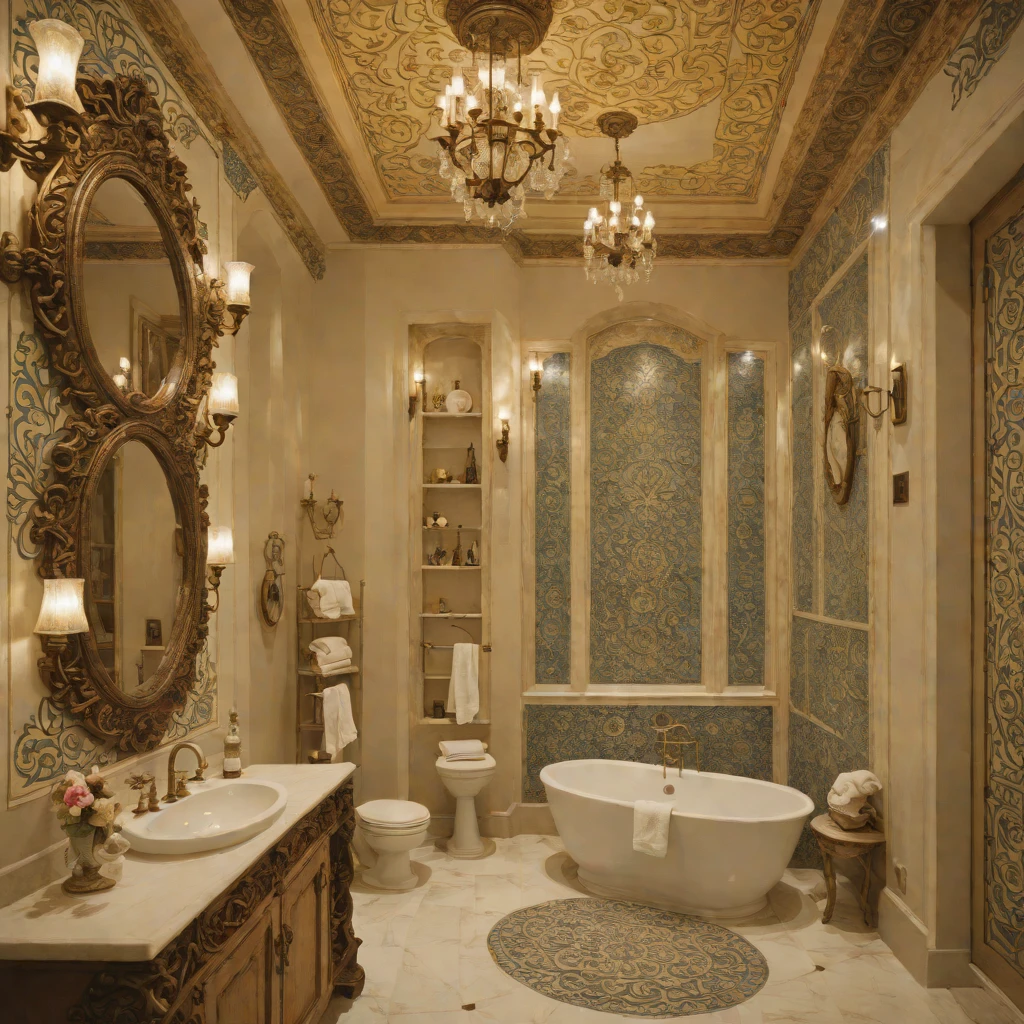
There is a particular kind of beauty that belongs to the hammam — the traditional Turkish bathhouse that has served as a place of cleansing, gathering, and contemplation for centuries. It is a beauty built on contradiction: ornate yet serene, deeply patterned yet harmonious, hot and humid yet profoundly calming. Stepping into a well-designed hammam is like stepping into a building that understands the body’s need for ritual, warmth, and transformation. That sensibility, translated into the modern home bathroom, creates spaces of extraordinary depth and character.
Turkish bathroom decor ideas draw on a rich visual tradition rooted in Ottoman architecture, Anatolian craft, and Mediterranean warmth. The signature elements — handcrafted mosaic tile, marble slab surfaces, copper or brass accessories, carved stone basins, and the soft glow of lantern lighting — are not merely decorative. Each one connects to a living tradition of craft that spans generations. This guide explores eighteen ways to bring authentic Turkish and hammam-inspired design into your bathroom, whether you are embarking on a full renovation or simply seeking to elevate what you already have.
1. Embrace the Full Hammam Experience with Marble Walls and Floors
The hammam’s foundational material is marble, and for good reason. Marble regulates temperature beautifully, developing a pleasant warmth in a steam environment, and its natural veining creates a surface that is endlessly captivating to look at. White Turkish Marmara marble or warm honey-toned Afyon marble on both the floor and walls is the truest expression of hammam design. If a full marble installation is beyond your budget, marble-look porcelain tile in large slabs delivers exceptional visual fidelity at a fraction of the cost and without marble’s sensitivity to acid and moisture. Pair with unlacquered brass fixtures and a marble-top central pedestal — the traditional göbek taşı or belly stone — to complete the hammam atmosphere. Even a single marble slab wall behind the vanity creates an anchor of authentic Turkish elegance.
2. Install Intricate Mosaic Tile for Walls That Tell a Story
Geometric mosaic tiling is the visual heartbeat of Turkish decorative tradition. The interlocking stars, hexagons, and arabesque patterns that cover the walls of the great Ottoman mosques and hammams are not random ornament — they are mathematical poetry, expressing order and infinity simultaneously. In a home bathroom, a mosaic feature wall in cobalt blue, turquoise, and gold in a traditional Turkish geometric pattern creates a focal point of extraordinary richness. Use it behind the vanity, in the shower enclosure, or as a floor medallion centered in the room. Keep surrounding surfaces in plain white or pale cream marble to allow the mosaic to breathe. Handcrafted Turkish ceramic mosaic tiles are available from specialist suppliers and bring the additional quality of genuine artisanal production — no two installations will be identical.
3. Introduce Ottoman Blue and Turquoise as a Signature Color
Color is the most immediate signal of Turkish and Ottoman design heritage, and no color is more powerfully associated with this tradition than the deep, luminous blues and turquoises seen in Iznik ceramics and the tile-work of Istanbul’s greatest monuments. In a bathroom, Iznik blue — a deep cobalt — or Turkish turquoise used on the lower walls or as a full feature surface creates an atmosphere of concentrated richness and visual depth. Glazed ceramic tile in these tones with a slightly irregular, handcrafted finish best captures the spirit of authentic Turkish tilework. Pair with white marble floors, brass or copper tapware, and warm ambient lighting to prevent the deep color from reading as cold. Introduce lighter turquoise in accessories — towels, a ceramic soap dish, a patterned hand towel — to build the color story in layers.
4. Add a Traditional Copper or Brass Hammam Bowl
In the hammam tradition, the tas — a hand-hammered copper or brass bowl used for pouring water — is one of the most beautiful and functional objects in the bathing ritual. Displayed on a marble shelf or the rim of a soaking tub, an authentic engraved copper tas brings immediate authenticity and warmth to a Turkish-inspired bathroom. These bowls are still actively produced by artisans in the Grand Bazaar district of Istanbul and through Turkish craft importers, and they make extraordinary bathroom accessories. A set of hammered copper hammam accessories — the bowl, a matching soap dish, and a cup — creates a cohesive, organically beautiful collection that no mass-produced bathroom set can replicate. The patina of copper and brass deepens beautifully over time, making these objects more beautiful with use.
5. Hang Moroccan and Turkish-Style Lanterns for Atmospheric Lighting
Lighting in a Turkish-inspired bathroom should feel less like illumination and more like atmosphere. Perforated brass or copper lanterns — both Moroccan and Turkish in origin, deeply related in design tradition — cast intricate geometric patterns of light across walls and ceilings, transforming a functional bathroom moment into something genuinely transportive. Hang two pendant lanterns at different heights above a freestanding soaking tub, or install a single large lantern as a central ceiling fitting. The warm amber glow of Edison or candle-temperature LED bulbs through these perforations creates the low, shifting light quality that makes hammams feel so otherworldly. Use lanterns alongside recessed LED strips at the shower perimeter for a practical layered lighting scheme: task illumination where you need it, atmosphere everywhere else.
6. Lay Hexagonal Tile Floors in Classic Turkish Patterns
The hexagonal tile — a fixture of Ottoman floor design dating back centuries — remains one of the most elegant choices for a Turkish-inspired bathroom floor. Small-format hexagonal ceramic or cement tiles in cream, terracotta, and deep teal arranged in traditional rosette or star patterns create a floor that is both authentic to the tradition and timelessly beautiful. The key is in the border: a simple marble or contrasting ceramic frame around the perimeter of the hex field creates a sense of containment and formality that distinguishes a truly considered floor from a random tile installation. For a more contemporary approach, a single large-format hexagonal tile in glazed ceramic in one of the signature Ottoman blues gives you the reference to tradition with a cleaner, more modern sensibility.
7. Install a Carved Stone or Marble Basin for a Sculptural Focal Point
In Turkish bathhouse tradition, the basin is not merely a functional sink — it is a piece of carved craft. A vessel basin in carved travertine, Turkish marble, or stone resin sitting atop a vanity surface brings that sculptural quality directly into the home bathroom. The rough-hewn, hand-finished quality of natural stone carving stands in beautiful contrast to the precision of modern plumbing fixtures, creating a tension between old and new that is one of the defining qualities of the best Turkish-inspired modern design. Pair with a tall brass waterfall tap that arches over the vessel basin like a fountain. The combination of carved stone and warm brass recalls the great public fountains of Ottoman Istanbul and grounds the bathroom in a specific, beautiful cultural tradition. This choice works equally well in both small and generous bathrooms.
8. Use Arched Mirrors and Doorways to Echo Ottoman Architecture
The arch is one of the most distinctive structural and decorative signatures of Ottoman architecture, appearing in everything from the grand gateways of Topkapi Palace to the intimate cubicles of Istanbul’s neighbourhood hammams. In a home bathroom, an arched mirror in a gilded, hammered brass, or cast iron frame above the vanity immediately establishes this architectural reference. The horseshoe arch form — slightly wider at its base than a true semicircle — is the most specifically Ottoman variant and the most visually striking. If a structural arched doorway is possible in your renovation, even a simple plasterwork arch framing the bathroom entrance creates an entry that feels genuinely transported from another design world. An arched mirror, however, is achievable in any bathroom and any budget — and the impact is immediate and unmistakable.
9. Incorporate the Turkish Kese Tradition with Textured Woven Textiles
The hammam experience has always been as much about texture as visual beauty, and the textiles of the Turkish bathing tradition are among the world’s finest. Authentic peshtemal towels — the traditional flat-woven Turkish hammam towel in striped cotton or linen — are thinner and more absorbent than conventional terry towels, dry faster, and soften beautifully with each wash. Displayed on a wooden towel rail or draped over a marble ledge, they bring an immediate warmth and authenticity to any bathroom. Layer in a natural kese exfoliating mitt, a handmade olive oil soap from the Aegean, and a raw loofah on a marble or brass tray for a bathroom shelf that doubles as a complete self-care vignette. The cumulative texture of these natural materials — cotton weave, rough loofah, waxy soap — is deeply sensory and deeply Turkish.
10. Add Iznik-Inspired Ceramic Accessories for Authentic Pattern
Iznik ceramics — those extraordinary hand-painted wares produced in the western Anatolian town of Iznik from the 15th to 17th centuries — represent perhaps the highest point of Turkish decorative art. Their signature white ground with cobalt blue, turquoise, and red floral motifs has influenced ceramic design worldwide for five hundred years. In the bathroom, a set of Iznik-inspired hand-painted ceramic accessories — a soap dish, a cup, a small vase, a decorative plate — brings authentic Turkish craft into the daily ritual of the space. These are produced by living artisans in Iznik and Kutahya and are increasingly available internationally. Even a single Iznik-style piece on a marble bathroom shelf has the quality of a museum object that also happens to be perfectly at home in daily use.
11. Install a Deep Soaking Tub for the Full Ritual Bathing Experience
The hammam places enormous cultural value on the bathing ritual — the process of cleansing, steaming, and soaking as a deeply intentional act rather than a hurried routine. A deep freestanding soaking tub in the home bathroom is the closest domestic equivalent to this experience. Stone resin, cast iron, and copper tubs all carry the right weight and visual gravity for a Turkish-inspired bathroom. A freestanding copper soaking tub is the most authentic and dramatic choice — hammered copper tubs have been used in Ottoman bathing culture for centuries and their warm metallic glow is unrivaled. Position the tub as the room’s centerpiece, oriented toward the most beautiful wall or view, flanked by a tall brass floor-mounted faucet and a marble side table holding candles and bath salts.
12. Use Warm Terracotta and Earthy Plaster Walls for Hammam Warmth
Not every Turkish-inspired bathroom needs to be covered in tile — some of the most atmospheric interpretations of the hammam aesthetic draw on the warm plaster and terracotta walls of Anatolian architecture. Limewash or Venetian plaster walls in warm terracotta, sand, or ochre create a soft, organic surface that absorbs and reflects candlelight in a way that is almost alive. This approach pairs beautifully with marble floor tiles, copper accessories, and dark carved wood elements. The textural depth of a properly applied limewash plaster — with its slight irregularity and tonal variation — is genuinely artisanal and completely unlike any painted wall. Pair with a hammered brass sink, arched mirror, and ceramic accessories in Iznik blue for a Turkish interior that draws on multiple traditional craft sources simultaneously.
13. Frame Windows with Carved Plaster or Tile Borders
Detail at the threshold — around doors, windows, and transitions between surfaces — is one of the defining characteristics of Ottoman decorative architecture. In a home bathroom, framing a window with a narrow border of hand-painted Iznik tile or carved plaster arabesque detail creates a moment of unexpected beauty that elevates the room enormously. These borders do not need to be wide or elaborate — a simple 2-inch tile border in cobalt and white around a frosted glass window is sufficient to signal the design intention. For a more architectural treatment, a plaster molding in an arabesque or star-and-hexagon pattern around the window opening reads as a piece of interior sculpture rather than merely decoration. These details are what separate a bathroom with Turkish-inspired accessories from one with a genuinely Turkish design vision.
14. Create a Hammam-Style Steam Shower with Marble Benches
The steam room is the soul of the hammam experience, and creating even a modest version in a home shower enclosure transforms the daily routine into something genuinely restorative. A tiled shower enclosure with a steam unit, a marble or stone bench, and a rainfall showerhead is the key technical foundation. The bench — whether a built-in tiled ledge or a separate marble slab bench on carved stone legs — invites the kind of unhurried sitting and soaking that the hammam tradition centers around. For the walls, choose a rich mosaic tile in deep turquoise or cobalt that darkens beautifully when wet and creates a visual depth in the steam. Finish with a perforated brass ventilation panel and a brass rain head. Even without a steam unit, this aesthetic creates the feel of the hammam experience.
15. Display Artisan Copper and Brass Trays as Bathroom Organizers
The art of display — of arranging beautiful objects with care and intention — is deeply embedded in Turkish domestic culture. A large hand-hammered copper or brass tray on the bathroom counter transforms the daily clutter of soap, candles, and toiletries into a styled vignette that feels as though it belongs on the pages of a design publication. These trays are widely available from Turkish craft importers in a variety of sizes and engraved patterns, from simple geometric borders to elaborate floral medallions. Pair with a cylindrical brass candle holder, a marble soap dish, and a small ceramic vessel for a display that balances warmth, texture, and craft. The tray also has the practical benefit of containing water rings and protecting the vanity surface. This is one of the simplest and most affordable ways to introduce authentic Turkish character into any bathroom.
Pro Tips for Getting It Right
- Anchor with one strong traditional element: Turkish bathroom decor can become overwhelming if every element competes for attention. Choose one dominant traditional anchor — a mosaic feature wall, a copper tub, or a carved marble basin — and build the rest of the room around it with simpler, quieter supporting elements. One extraordinary piece is more powerful than five competing ones.
- Source genuine craft when you can: Mass-produced “Turkish-style” accessories rarely capture the quality of authentic artisanal production. Genuine peshtemal towels, real Iznik-inspired ceramics from Kutahya potters, and hand-hammered copper pieces from Turkish craftspeople are widely available online and elevate the entire bathroom’s authenticity considerably.
- Balance pattern with plain surfaces: The richness of Turkish decorative tradition can feel chaotic if pattern is applied everywhere. Use patterned tile on one surface — a floor medallion, a shower feature wall, or a basin backsplash — and keep all other surfaces in plain marble, plaster, or solid-color tile. This is how the great hammams themselves were designed: one richly ornamented surface in dialogue with calm stone surrounds.
- Prioritize warm lighting: Nothing destroys a Turkish bathroom atmosphere faster than cool, blue-toned overhead lighting. Use bulbs at 2700K or warmer throughout, favor indirect and layered light sources, and consider dimmable fittings. The hammam experience is fundamentally about warmth — in water, in air, and in light.
The Hammam at Home Is Worth Every Detail
Turkish bathroom design is one of the world’s great aesthetic traditions, built on centuries of craft knowledge, cultural ritual, and an intimate understanding of what the human body and spirit need from the act of bathing. The ideas in this guide range from the structural — a full marble soaking room — to the decorative — a copper tray, a peshtemal towel, an Iznik ceramic dish — but every one of them points toward the same destination: a bathroom that feels like more than a utility room.
You do not need to recreate an entire hammam to capture its spirit. A few well-chosen elements — the right tile, the warmth of brass, the texture of hand-woven cotton, the glow of a lantern — are enough to fundamentally change how a bathroom feels to inhabit. The great design traditions endure because they understand something true about human experience. Turkish bathing culture understands that cleaning the body can also nourish the soul. Let that understanding guide every choice you make in the room where you begin and end each day.

No Comments