
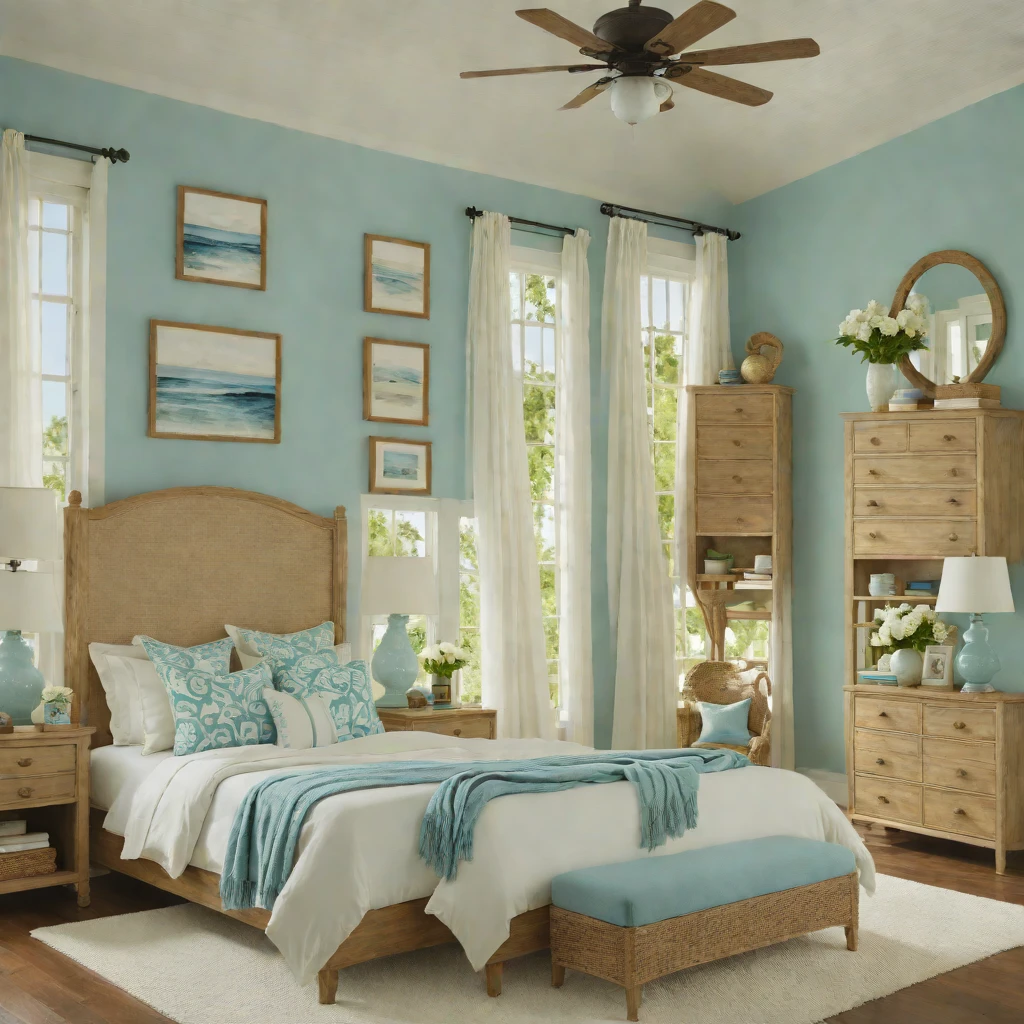
There is a particular kind of calm that settles over you near the ocean. The air feels different, the light softer, and the endless rhythm of the water seems to quiet every thought that was too loud on the drive down. Coastal bedroom decor is the art of bringing that feeling home, of designing a room that captures the unhurried beauty of the shoreline and translates it into a space where rest comes naturally. This style has evolved far beyond the predictable nautical clichés of ship wheels and anchor prints. Today’s coastal bedroom decor ideas draw on the genuine textures, colors, and materials of coastal landscapes, from bleached driftwood and sea glass to sandy linen and the faded blue-greens of shallow water. In this guide, you will discover more than 30 fresh ideas for building a coastal bedroom that feels authentically beautiful rather than decoratively themed, with practical advice on color, furniture, textiles, lighting, and layered details that will carry the essence of the coast into every corner of your room.
1. Build Your Palette Around the Shoreline
The most enduring coastal bedroom palettes are drawn directly from the landscape itself. Think about the actual colors of the coast: the pale sand of a beach in early morning, the blue-gray of the water on a cloudy day, the bleached white of sea-tumbled stones, the muted sage of coastal grasses, and the faded coral or soft terracotta of weathered beach structures. These colors share a common quality: they are all slightly desaturated, as if gently bleached by sun and salt air.
Avoid the common mistake of reaching for a saturated navy blue or a bright turquoise. These feel more like the idea of the coast than the coast itself. Instead, choose ocean-washed hues such as Benjamin Moore Sea Salt, Farrow and Ball Mizzle, or Sherwin-Williams Glassy Blue, paired with warm whites and sandy neutrals that read quiet and restful at every hour of the day.
2. Choose Linen Bedding as Your Foundation
Nothing captures the sensory quality of a coastal morning better than linen bedding. Naturally breathable, slightly textured, and beautiful in its relaxed drape, washed linen in pale stone, soft white, or sea glass blue is the single most important textile investment you can make in a coastal bedroom. It looks effortlessly beautiful the moment you pull it back, and it improves with every wash, becoming softer and more characterful over time.
Layer your linen duvet with a lightweight cotton coverlet in a complementary stripe or woven texture, and add two or three cushions in a mix of textures: a rough linen, a smooth cotton, and perhaps a soft boucle in a warm off-white. The bed should look like it belongs at a beautiful coastal inn rather than a catalogue photo shoot.
3. Use Whitewashed or Driftwood-Finish Wood Furniture
Furniture finish is one of the most powerful period and style markers in a room, and for coastal bedrooms, nothing is more evocative than wood that has been bleached, whitewashed, or finished to suggest the weathered texture of driftwood. A bed frame, dresser, and nightstands in a whitewashed oak or a gray-washed pine carry the light, salt-scrubbed quality of the coast into the room’s structure rather than just its accessories.
If replacing furniture is not in the budget, a coat of watered-down white or gray chalk paint applied with a dry brush and then partially wiped back creates a convincing driftwood effect on almost any wooden surface. The finish should reveal the grain of the wood beneath rather than obscuring it. Raw oak with a whitewash seal is a particularly beautiful combination that works equally well in bright and muted coastal schemes.
4. Incorporate Natural Textures Throughout
Coastal design is fundamentally a natural design philosophy, and texture is its primary language. Rattan headboards, woven seagrass rugs, jute table lamp bases, wicker wastebaskets, and shells collected from actual beaches all contribute to a room that feels genuinely connected to the natural world. The goal is to create an environment where organic materials dominate and synthetic surfaces are kept to a minimum.
A large seagrass or jute rug underfoot immediately grounds the room in a coastal sensibility. These materials are also practical: they are durable, age gracefully, and their natural variation in color and texture adds visual depth without demanding attention. Pair a seagrass rug with a cotton runner or a smaller woven mat beside the bed for softness where bare feet land in the morning.
5. Add a Rattan or Cane Headboard
The headboard is the visual anchor of any bedroom, and a rattan or cane headboard delivers coastal character with extraordinary efficiency. The open weave of cane or the organic curves of woven rattan introduce natural texture, warmth, and a breezy, informal quality that immediately establishes the room’s character. These headboards also have the practical advantage of visual lightness: the open weave prevents them from feeling heavy or closed.
Choose a headboard in a natural, undyed rattan for the most authentic coastal look, or opt for a cane panel set within a simple painted timber frame if you prefer a more refined aesthetic. A full-width cane headboard that extends across the entire wall above the bed creates a dramatic focal point without any of the visual weight of an upholstered alternative.
6. Layer Your Window Treatments for the Coastal Light
Coastal bedrooms are defined by their relationship to light, and the window treatments you choose will determine whether your room captures or battles against the atmosphere you are trying to create. Sheer white or off-white linen panels that billow gently in the breeze are the quintessential coastal treatment, creating movement, softness, and a sense of the outdoors pressing gently against the glass.
For rooms that need privacy or light control, layer the sheer panels with a simple woven roman blind in a natural fiber, such as bamboo or jute. The combination of the soft, moving sheers with the structured natural blind provides both the romantic coastal feeling and the practical function the room requires. Avoid heavy drapes or blackout curtains in stiff fabrics, which feel antithetical to the breezy quality of this style.
7. Bring in Sea Glass and Shore-Inspired Accessories
Accessories in a coastal bedroom should feel found and gathered rather than purchased and arranged. Sea glass bottles on a windowsill, a small collection of smooth stones on the nightstand, a shallow bowl of white coral or sand dollars on the dresser, and a framed watercolor of the sea above the bed create a room that tells the story of a life connected to the coast.
The key to success with coastal accessories is editing. Choose a small number of objects that genuinely resonate, display them with breathing room, and resist the temptation to fill every surface. Three sea glass bottles in graduating sizes look intentional and beautiful. Twenty of them look like a souvenir shop. Restraint is what separates authentic coastal style from the kitsch version.
8. Use Shiplap or Paneled Walls for Authentic Texture
Wall texture is one of the most effective tools for establishing a strong coastal identity in a bedroom. Horizontal shiplap paneling painted in a warm white or a soft off-white captures the architectural character of coastal cottages and beach houses without requiring any structural changes. The horizontal lines also visually widen a room and draw the eye toward the windows and the light beyond them.
If full shiplap is too involved, consider installing tongue-and-groove paneling on the lower half of the walls as a wainscoting treatment. A beadboard wainscot painted in crisp white below a soft blue or greige upper wall is a classic coastal formula that works in bedrooms of any size. The contrast between the paneled lower section and the painted upper section adds architectural interest and a strong sense of period character.
9. Choose a Canopy or Draped Bed for Resort Ambiance
Few design gestures evoke the luxury of a coastal resort more effectively than a canopy or draped bed. A simple ceiling-mounted frame hung with sheer white or natural linen panels creates an enclosed, private world within the larger room, amplifying the restful quality of the sleeping zone. This treatment works equally well in large rooms, where the canopy defines and anchors the sleeping area, and in smaller rooms, where it creates a cocooning intimacy.
You do not need a traditional four-poster frame to achieve this effect. A length of sheer white fabric hung from a single ceiling hook above the center of the bed, gathered at each headboard post, creates a romantic coastal canopy with minimal installation. Weighted with a few large wooden beads or simple rings, the fabric hangs with a natural, unhurried drape that is quintessentially coastal.
10. Incorporate Blues Thoughtfully and Sparingly
Blue is the defining color of coastal interiors, but its application deserves more thought than simply painting everything blue. The most beautiful coastal bedrooms use blue as an accent rather than a dominant color, allowing the sandy neutrals and natural textures to carry the room while blue notes emerge in carefully chosen moments: a set of blue and white striped linen pillows, a vintage indigo throw, a wash of pale ocean blue on the accent wall behind the bed.
When you do use blue on a larger surface, choose tones that have been tempered by gray or green. Dusty coastal blue shades like blue-gray or faded teal feel genuinely oceanic rather than decoratively nautical. Pure bright blues read as fun but not restful, and restfulness is the ultimate goal of the coastal bedroom.
11. Add Coastal Art With a Light Touch
Artwork in a coastal bedroom should evoke the sea without depicting it literally. Abstract watercolor paintings in watery blues and greens, large-format black and white photographs of beaches or sea cliffs, or simple line drawings of shells or waves communicate coastal identity without the heaviness of a painted seascape. The art should feel as if it chose the room rather than the other way around.
A gallery wall in whitewashed or natural wood frames, mixing paintings of different sizes with a mirror or a framed piece of sea glass, creates a personal, collected quality that is central to authentic coastal style. Hang it at a slightly lower height than standard to create an intimate, relaxed feel rather than a formal exhibition.
12. Install Ambient Lighting That Mimics Coastal Glow
The quality of light in a coastal bedroom should suggest late afternoon sun through salt air: warm, diffused, and generous. Pendant lights in woven rattan or driftwood-finished ceramic over each nightstand replace traditional table lamps and keep the visual field clean. A paper lantern pendant in the center of the room casts a soft, enveloping glow that feels instantly relaxed.
For accent lighting, hurricane candle lanterns on the dresser or windowsill cast a flickering, intimate warmth that no electric lamp can fully replicate. On evenings when the goal is complete decompression, switching off the overhead light and relying on candle lanterns alone creates an atmosphere of extraordinary calm. Choose candles in coastal-inspired scents such as sea salt, driftwood, or white linen to complete the sensory picture.
13. Create a Reading Nook With a Hammock Chair
If your coastal bedroom has a corner to spare, a hanging hammock chair creates an immediately memorable and genuinely useful relaxation zone. Suspended from a ceiling hook with a simple rope and carabiner, a handwoven cotton or macrame hammock chair introduces movement, craft, and the undeniable feeling of a beach retreat. Pair it with a small side table and a stack of books for a corner that practically commands you to slow down.
A hammock chair works particularly well beside a window with a view, creating a natural reading and daydreaming spot where the light is best and the connection to the outdoors is strongest. Choose a chair woven in natural cotton or hemp for authenticity, and hang a piece of driftwood on the wall nearby to anchor it visually.
14. Layer Rugs for Warmth and Texture
In a coastal bedroom, rugs are an opportunity to layer texture in a way that feels relaxed and organic rather than staged. A large, flat-woven seagrass rug as the base layer, with a smaller dhurrie or cotton striped rug layered over the top beside the bed, creates depth and warmth while honoring the natural material palette of the style.
Alternatively, a single large hand-knotted wool rug in a faded blue and sand geometric pattern anchors the room with bold pattern without disrupting the serene palette. Wool rugs are particularly well suited to coastal bedrooms because their natural fibers breathe well, which matters in rooms that benefit from open windows and ocean air.
15. Keep the Room Airy and Uncluttered
The coastal bedroom’s power comes partly from its relationship to open air and open space. A cluttered coastal room loses its essential quality immediately. Edit furniture to the minimum required, keep surfaces clear of unnecessary objects, and ensure that the room has enough space to move through easily. The feeling of ease and flow is as important as any individual design choice.
Store everything that is not beautiful or functional out of sight, using the drawers and cupboards you have to their fullest capacity. The visible surface of the room, the bed, the nightstands, the dresser top, the walls, should be curated with the same thoughtfulness as a boutique coastal hotel room, where every object is chosen because it contributes to the atmosphere of rest.
Pro Tips for Getting It Right
- Avoid nautical clichés: Ship wheels, anchors, and cartoon seashells belong in a children’s room, not a sophisticated coastal bedroom. Authentic coastal style draws from the actual landscape of the coast, not its iconography. Every time you consider an accessory, ask whether it captures the feeling of the coast or simply depicts it.
- Wash everything to soften it: New linen, cotton, and rattan can look too crisp and fresh for a coastal room that is meant to feel relaxed and weathered. Wash your linen bedding multiple times before styling the bed. Buy pre-washed fabric where possible. The slight softening and relaxing of fibers is precisely what gives coastal rooms their unhurried quality.
- Bring the ceiling into the palette: Painting the ceiling in a pale sky blue or a very soft blue-gray adds a subtle layer of coastal atmosphere that rooms with purely white ceilings lack. This is an especially effective technique in rooms with lower ceilings, where the blue tone creates the illusion of open sky rather than a low lid.
- Use one stripe thoughtfully: A bold blue and white stripe is one of the most classic coastal motifs in design. Used once, in a throw pillow, a roman blind, or a rug, it anchors the coastal identity of the room without tipping into a theme-park aesthetic. Repeat it more than twice and it becomes a cliché. Once is exactly right.
- Open your windows as often as possible: The coastal bedroom is designed to be experienced with fresh air moving through it. Breezy sheer panels, open windows, and the sound of birdsong or distant water complete the design in a way that no accessory can. Design for the room as it will be lived in, with air and light as integral elements.
The coastal bedroom at its best is not a theme but an atmosphere: calm, unhurried, connected to nature, and genuinely restorative. The ideas gathered here are not prescriptive formulas but invitations to think about your bedroom in terms of the feeling you want it to generate rather than the objects you want to put in it. The most beautiful coastal rooms feel as if they arrived naturally, accumulated over time by someone who genuinely loves the sea.
Whether you are working with a small apartment bedroom or a generous seaside master suite, the principles remain the same: choose materials that belong to the natural world, keep the palette anchored in the actual colors of the coast, and always prioritize breathing room over visual abundance. The ocean does not rush, and neither should your bedroom.





No Comments