
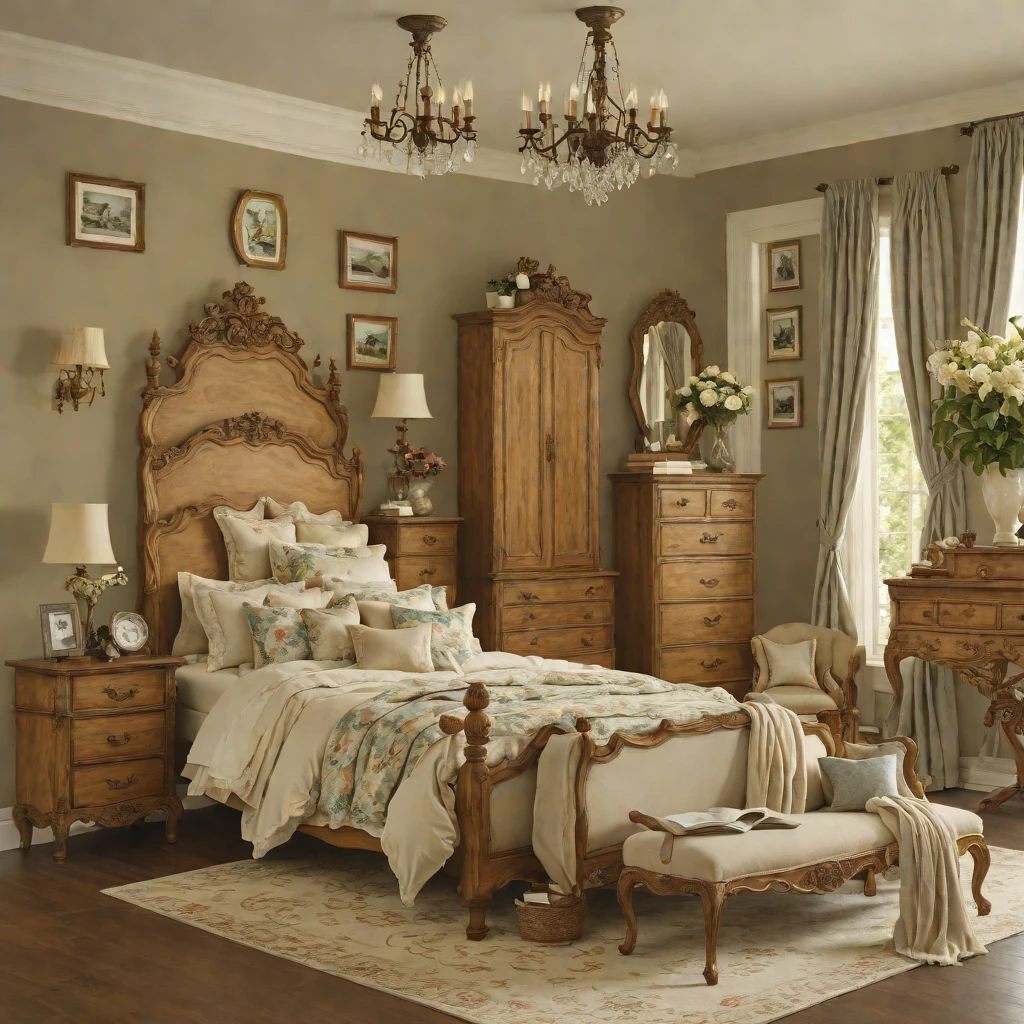
There is a kind of beauty that only time can create: the warm patina of a well-used wooden dresser, the soft fading of a hand-quilted coverlet, the slight irregularity of hand-blown glass in an antique lamp base. Vintage bedroom decor celebrates this beauty, building rooms that feel genuinely inhabited and richly storied rather than freshly purchased and perfectly arranged. It is an aesthetic rooted in appreciation, in the recognition that things made with care and used with attention acquire a quality that no new object can replicate. In this guide, you will discover vintage bedroom decor ideas that span every style from the grandly Victorian to the quietly rustic, with specific advice on sourcing, layering, mixing, and styling that will help you create a bedroom of authentic warmth and genuine character. Whether you are working with genuine antiques or affordable vintage-inspired pieces, the principles here will help you build a room that tells a story worth returning to every night.
1. Source Authentic Anchor Pieces Before Anything Else
The character of a vintage bedroom is defined by its genuine pieces, and investing in one or two truly authentic items before making any other design decisions will give the room its necessary foundation. A genuine Victorian iron bed frame, a mid-century Danish teak dresser, or an Edwardian carved wardrobe in a weathered original finish carries a weight and presence that reproduction pieces cannot replicate, and it naturally sets the aesthetic standard to which everything else in the room aspires.
Estate sales, regional auction houses, antique fairs, and online platforms such as Chairish, eBay, and local classifieds are all reliable sources for authentic vintage bedroom furniture. When evaluating pieces, check the construction quality, look for original hardware, and prioritize structural integrity over cosmetic perfection. A piece that needs reupholstering or refinishing is typically a better investment than a perfect reproduction, because the underlying quality of pre-war furniture far exceeds contemporary manufactured equivalents. A solid wood dresser with original brass pulls and a naturally worn finish is worth every effort to find and transport home.
2. Layer Textiles Generously and Thoughtfully
Textiles are the warmth of a vintage bedroom. Where furniture provides structure and scale, textiles provide comfort, color, and the tactile richness that makes a room feel genuinely inviting. The vintage bedroom earns its cozy quality through the accumulation of layered fabrics: a patchwork quilt over a cotton underlayer, a crocheted throw at the foot of the bed, embroidered pillowcases against plain linen shams, a braided wool rug on painted floorboards beneath the bed.
Do not be afraid of mixing patterns in a vintage bedroom, but discipline the mix through color. A floral duvet, a striped pillow, and a geometric rug can coexist beautifully when all three draw from the same palette of muted rose, sage green, and cream. The key is tonal harmony across the pattern mix: all the colors should share the same slightly faded, warm quality that gives vintage textiles their characteristic gentleness. Hand-embroidered or hand-quilted pieces add the evidence of human attention that distinguishes genuine vintage from machine-made reproduction.
3. Choose the Right Vintage Color Palette
The colors of vintage bedrooms share a common quality: they are warm and slightly aged, as if the room has been lived in and gently bleached by decades of afternoon light. Pure, saturated colors feel out of place in a genuinely vintage room. Instead, reach for chalky pastels, dusty rose, antique lavender, faded sage, warm ivory, and soft buttercream, colors that suggest quality paint applied decades ago and worn beautifully over time.
Farrow and Ball’s historic ranges, Little Greene’s archive colors, and Annie Sloan chalk paints all provide excellent vintage-appropriate paint options. Walls in a soft, chalky sage or a dusty pink provide a period-correct backdrop for wooden furniture and textile layering. A slightly darker tone on the woodwork, applied in a satin finish rather than gloss, adds period authenticity and architectural definition to a vintage room.
4. Use Painted Furniture to Transform Budget Pieces
One of the most powerful tools in a vintage bedroom designer’s kit is chalk paint. Applied to inexpensive or unremarkable furniture, chalk paint creates an immediate vintage character that is both authentic-looking and highly customizable. The key is in the finishing: paint on, allow to dry, then distress lightly with fine sandpaper at the edges and corners where genuine wear would occur, and seal with a dark wax for depth and protection.
This technique transforms a basic IKEA wardrobe into a period-looking storage piece, updates a found-object nightstand into a charming bedside table, and gives an unremarkable wooden headboard the character of a genuine antique. Choose colors that are sympathetic to the period style you are referencing: white or soft gray for Edwardian or French provincial styles, deeper tones in sage or dusty blue for Victorian or Arts and Crafts inspired rooms.
5. Collect and Display Objects With Personal Significance
The character of a vintage bedroom comes from the accumulation of objects that carry personal meaning as well as visual appeal. Old family photographs in mismatched antique frames, a collection of vintage perfume bottles on the dressing table, a stack of well-worn books on the nightstand, a decorative tea service on a small side table: these objects tell the story of a life lived with attention to beauty and meaning.
The display discipline for vintage objects is more relaxed than in minimalist design but not absent. Group objects thematically or by material: a collection of ceramic vessels together, a grouping of silver-toned frames, a cluster of amber glass bottles. These groupings look intentional and charming rather than randomly accumulated. Leave breathing room between groupings so each one reads clearly rather than merging into general background clutter.
6. Incorporate Period Lighting Fixtures
Lighting fixtures are among the most powerful period markers in a room. A genuine or well-executed reproduction oil lamp converted to electricity, a Victorian ceiling rose with a pleated fabric pendant shade, or a 1950s ceramic table lamp with a shaped drum shade immediately anchors the room in its period reference and casts the particular quality of light that vintage rooms require.
Avoid LED bulbs with a cool or neutral color temperature in vintage rooms. The warm, amber-toned light of a 2700K LED or a traditional incandescent equivalent recreates the quality of light that gas and early electric fixtures produced, casting a flattering, warm glow over every surface in the room. The right light quality is as important to the vintage atmosphere as any individual fixture or piece of furniture.
7. Bring in Botanical Elements and Natural Materials
The connection to the natural world is an important quality of authentic vintage interiors, which pre-date the era of fully climate-controlled, technologically mediated living environments. Dried flower arrangements in ceramic vases, pressed botanical prints in simple frames, a vase of garden flowers from the garden or market, and a bowl of seasonal fruit or pine cones on the dresser all introduce organic beauty that contributes to the room’s lived-in quality.
Natural materials throughout the room reinforce this connection: a braided jute rug, wooden picture frames with visible grain, a ceramic soap dish beside the bed, cotton and wool textiles rather than synthetic alternatives. These materials age gracefully and develop patina over time in a way that synthetic materials do not, reinforcing the vintage quality of the room with every passing year.
8. Create a Dressing Table Moment
A thoughtfully designed dressing table is one of the defining features of a classic vintage bedroom. It speaks to an earlier era’s relationship to the ritual of getting ready, to the pleasure of sitting before a mirror surrounded by beautiful objects and attending to personal grooming as an act of care rather than a rushed chore. A kidney-shaped or rectangular dressing table in a painted or lightly distressed wood finish, topped with a framed mirror and flanked by simple task lighting, captures this quality beautifully.
Dress the dressing table surface with a small collection of vintage perfume bottles and atomizers, a hand mirror in a silver or gilt frame, a ceramic trinket dish for jewelry, and a small vase of fresh flowers. These objects tell the story of the person who inhabits the room and add a deeply personal quality to what might otherwise be simply a functional workspace. An upholstered stool in a vintage fabric, such as a worn floral needlepoint or a faded tapestry, completes the vignette.
9. Use Vintage Wallpaper or Reproductions for Instant Character
Wallpaper was a defining feature of domestic interior design from the Victorian era through the mid-20th century, and the right pattern on a bedroom wall can do more to establish a vintage atmosphere than almost any other single design intervention. A traditional floral or botanical print in muted tones, a geometric Arts and Crafts pattern, a delicate stripe or a trellis design: each carries specific period associations that immediately anchor the room in its intended style.
Many heritage wallpaper companies, including Sanderson, Morris and Co., and Farrow and Ball, produce historically accurate designs or sympathetic reproductions that bring genuine period accuracy to a modern room. Apply wallpaper to a single feature wall, typically the headboard wall, for a high-impact effect with minimal commitment. A hand-blocked reproduction of a William Morris botanical design above the bed creates an instant period atmosphere of extraordinary richness and beauty.
10. Incorporate Handmade and Craft Elements
The vintage bedroom is at its most authentic when it incorporates objects that demonstrate the evidence of human hands. Handmade objects carry a quality that machine-made pieces do not: slight irregularities, variations in color, and the visible marks of individual attention that speak directly to the viewer’s sense of beauty and craft. A handmade quilt, a hand-thrown ceramic jug, a piece of hand-embroidered needlework in a simple frame: these objects elevate the room in a way that is difficult to achieve through any other means.
Local craft fairs, artisan markets, and Etsy are all excellent sources for handmade objects that suit a vintage bedroom aesthetic. Look specifically for makers working in traditional techniques: hand-dyeing, hand-weaving, hand-stitching, and hand-throwing all produce objects with the authentic craft quality that the vintage bedroom requires.
11. Address the Floors and Walls With Period-Appropriate Materials
The architectural backdrop of a vintage bedroom should support the furniture and textile choices rather than fighting against them. Original hardwood floorboards, either restored and sealed or painted in a soft floor paint, are the ideal surface for a vintage bedroom. If the existing flooring is not suitable, a large vintage-style rug in a warm traditional pattern, such as an Oriental or Persian design in faded natural tones, provides the period-appropriate foundation the room needs while covering modern flooring beneath.
Picture rails, cornicing, and ceiling roses are architectural features that reinforce the period quality of a vintage bedroom. If these are present in the room, restore and repaint them carefully rather than removing or concealing them. If they are absent, simple reproduction cornicing installed at the wall-ceiling junction is an affordable intervention that adds significant architectural character to a room that might otherwise feel bare.
12. Embrace Imperfection as a Design Principle
The vintage bedroom at its most authentic is not a perfectly arranged display but a room that looks genuinely lived-in and comfortable. Slightly uneven pillow arrangements, a book left open on the nightstand, a throw draped casually rather than folded with geometric precision, a framed photograph that hangs at a slight angle: these small imperfections are the signs of genuine habitation that give a vintage room its warmth and human quality.
Resist the temptation to over-style the room into a perfection that a genuinely vintage space would never have. The beauty of vintage design lies precisely in its imperfection, in the visible evidence of use and time and personal preference. A room that looks lived-in by a person of taste and care is far more beautiful and far more inviting than one that looks as if it has been staged for a magazine photograph.
Pro Tips for Getting It Right
- Build the room over time, not all at once: The most beautiful vintage bedrooms develop gradually, with new finds arriving and being integrated over months and years. Buying everything at once, even from quality vintage sources, produces a room that looks assembled rather than evolved. Give the room time to develop its own character and be patient with the process of discovery.
- Learn to identify quality in vintage furniture: The hallmarks of quality in vintage furniture are dovetail joints in drawer construction, solid wood construction rather than veneer over particleboard, original hardware in place and functioning, and structural integrity without significant damage to the frame. A piece with these qualities, however cosmetically worn, is a better investment than a newer reproduction in perfect condition.
- Use dark wax to age and unify disparate pieces: When mixing furniture pieces from different eras or in different finishes, a light application of dark wax over the painted or sealed surfaces can unify them into a coherent palette. The wax settles into grain and crevices, creating the suggestion of age and wear that links otherwise dissimilar pieces into a consistent visual language.
- Invest in original art from the period: Original artwork from the period you are referencing, purchased from auction houses or antique shops at prices that are often surprisingly accessible, adds genuine authenticity that reproduction prints cannot provide. An original botanical watercolor from the Victorian era or an oil landscape from the 1930s brings a depth of character to a vintage bedroom that no print can replicate.
The vintage bedroom is ultimately an act of appreciation: for the craftsmanship of the past, for the beauty of objects that have lived before, and for the particular quality of warmth that only genuine history and the passage of time can create. The ideas in this guide are tools for building that appreciation into the physical reality of a room that is beautiful to inhabit, interesting to return to, and genuinely comforting to sleep in.
Begin with authenticity wherever you can find it. Layer with generosity and intention. Accept imperfection as part of the beauty. And remember that the most compelling vintage rooms are not carefully curated museums but lived-in spaces where beautiful things are used with genuine affection. That is the quality worth pursuing above all others.

No Comments