
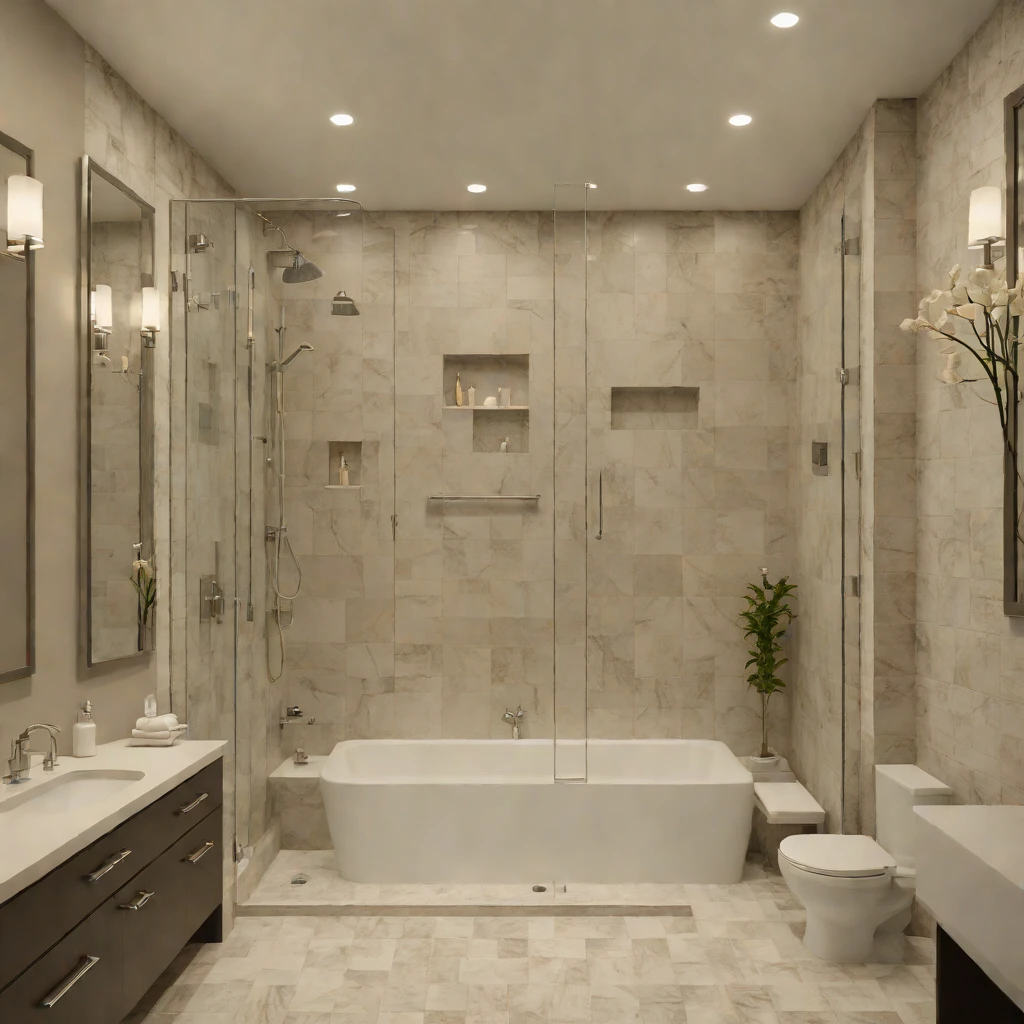
The bathroom has quietly become one of the most coveted rooms in the home — not merely a place for hygiene, but a genuine sanctuary where the pressures of the day are rinsed away and the self is restored. At the heart of the most aspirational bathroom designs sits one of the most intelligent combinations in modern interior planning: the walk-in shower paired with a soaking tub in the same space. It is a pairing that offers the best of both worlds — the efficiency of a daily shower and the indulgence of a slow, immersive soak — without requiring you to sacrifice one for the other.
A walk-in shower with a tub combination is more than a layout choice. It is a design philosophy: the belief that the bathroom deserves to be both hardworking and beautiful, both practical and restorative. Done well, this combination creates a bathroom that functions as a genuine spa retreat — a room you want to spend time in rather than simply pass through. This guide explores sixteen of the most compelling design ideas for getting this combination right in 2026, covering layout strategies, material pairings, spatial considerations, and the details that elevate a good bathroom into an exceptional one.
1. The Side-by-Side Layout for a Seamless Spa Effect
Placing the walk-in shower and freestanding tub side by side along the same wall is one of the most visually satisfying layout approaches in bathroom design. When both elements share the same tile surface behind them — a floor-to-ceiling marble slab or a continuous large-format porcelain — they read as a single, unified spa composition rather than two separate fixtures awkwardly placed in the same room. A freestanding soaking tub in matte white stone resin beside a frameless glass walk-in shower creates an irresistible visual rhythm: the enclosure is all geometry and precision, the tub all curve and softness. This pairing works best in bathrooms with at least 10 feet of wall length to accommodate both elements with breathing room between them. Maintain continuous flooring through both zones — no threshold, no step — to preserve the open, flowing feel of the combined design.
2. A Freestanding Tub as the Focal Point of an Open Shower Plan
In an open-plan wet room or large bathroom, the freestanding tub can serve as the visual destination that draws the eye through and beyond the shower space, creating a layered sense of depth and luxury. Place the frameless walk-in shower near the entrance of the bathroom, fully open on one side, with the freestanding soaking tub positioned deeper in the room, centered under a skylight or before a window. The shower becomes a foreground element framing the tub beyond it — a design sequence that builds anticipation as you move through the space. Use a single unbroken tile floor throughout to unify the zones. A ceiling-mounted rainfall shower head with a floor drain directly beneath eliminates the need for a shower tray entirely, keeping the floor plane completely continuous. This layout suits master bathrooms in open-plan configurations or conversions where walls have been removed.
3. The Tub-in-Shower Concept for Compact Drama
For those with limited floor space who refuse to give up either element, the tub-in-shower concept — placing a compact soaking tub directly within the wet room shower footprint — is an ingenious solution. A Japanese soaking tub or a compact freestanding tub sits within a larger shower-wet area, with a rainfall head mounted above and a drain positioned in the floor around it. The entire space — shower and tub — is enclosed by a single frameless glass screen, with the waterproofed tile floor continuous beneath both. This demands careful waterproofing, thoughtful drainage planning, and a shower head positioned to deliver water comfortably over the tub without splashing the entire room. Pair with large-format stone-look porcelain on both the floor and walls and a linear drain along the outer edge for a bathroom that achieves genuine luxury in a surprisingly compact footprint.
4. Back-to-Back Placement for Plumbing Efficiency
From a construction and budget standpoint, positioning the walk-in shower and bathtub back-to-back or along a shared plumbing wall concentrates all wet supply and drain lines in one area of the bathroom, significantly reducing plumbing rough-in cost. This is a practical starting point that does not have to feel utilitarian — with the right tile and fixture choices, a back-to-back layout becomes a quietly considered design decision rather than a visible constraint. Use a full-height tile panel on the shared plumbing wall — a dramatic bookmatched marble slab, an arched tile detail, or a rich handmade zellige surface — that serves both the shower enclosure and the view from the tub simultaneously. Thermostatic valve rough-in during construction allows both the shower and tub filler to share a single control point, streamlining the plumbing further.
5. The Alcove Shower and Built-In Tub in a Classic Configuration
The most timeless version of the shower-tub combination is also one of the most practical: an alcove bathtub built into one end of the bathroom paired with a fully tiled walk-in shower enclosure on the opposite or adjacent wall. This classic arrangement is what most master bathroom renovations refer to as the standard package, and for good reason — it allocates the two wettest zones to opposite ends of the room, allows each to function independently, and provides the clearest circulation path between them. The risk with this layout is visual monotony; the solution is to give each element its own distinct tile moment. White subway tile in the shower with a contrasting accent in a bold color or pattern in the tub surround allows both zones to have individual identity while sharing a cohesive material palette. This is a proven formula that never dates.
6. An Outdoor-Inspired Design with Natural Stone and Open Sightlines
When a bathroom has access to a private outdoor view — a garden, a courtyard, or a landscape — the walk-in shower and tub combination becomes an opportunity to blur the distinction between bathing inside and communing with nature. A frameless walk-in shower with no enclosure door and a stone or travertine freestanding tub positioned to face a full-width window or glazed wall creates a bathroom that feels like an outdoor bathing pavilion brought inside. Use natural travertine or honed limestone on the floor and in the shower for a material that honestly connects to the earth outside. A wall of full-height frosted or clear glazing on the exterior wall — with a planted screen outside for privacy — allows natural light and the visual presence of vegetation into the space. Floor heating beneath the stone ensures the outdoor-referencing coolness of the material does not translate into discomfort in use.
7. Matching Materials Throughout for a Cohesive, Luxurious Feel
One of the most powerful ways to elevate a shower-tub combination is to treat both elements as part of a single continuous material composition rather than two separate fixtures receiving separate tile choices. When the same Calacatta marble or large-format stone-look porcelain runs without interruption from the shower walls across the tub surround deck and down to the floor, the entire bathroom reads as a singular, unified luxury space. This technique erases the visual separation between the two zones and makes the overall bathroom feel significantly more curated and designed. It also simplifies the material selection process considerably — choose one exceptional tile, then use it everywhere. The only variation to consider is finish: a matte or honed finish on the floor for slip resistance while using the same tile in a polished finish on vertical surfaces gives texture variety within the same material palette.
8. The Wet Room with a Recessed Soaking Niche
The sunken soaking tub — a bathing vessel recessed below the floor level — is one of the most architecturally dramatic expressions of the shower-tub combination. In a wet room format, the floor is fully waterproofed throughout, and the soaking area is carved into the subfloor, with tile steps leading down into it. When not in use, the sunken tub becomes a visual element of extraordinary interest — a tile-lined pool in miniature that commands attention from the moment you enter the room. When in use, the immersion experience is unique: surrounded by the room rather than enclosed in a vessel. This is a structural project requiring significant construction planning, but the result is a bathroom that is genuinely unlike any other. Mosaic tile in the sunken interior, contrasting with large-format tile on the surrounding floor, creates a visual signal that draws the eye down into the space.
9. Pairing a Clawfoot Tub with a Modern Frameless Shower
The juxtaposition of a vintage clawfoot cast iron bathtub with the clean precision of a modern frameless glass shower enclosure creates one of the most compelling design contrasts in contemporary bathroom design. The ornate curvature and historical reference of the clawfoot reads against the sleek transparency of frameless glass in a way that feels layered and collected rather than confused or inconsistent. This is the aesthetic of a room that has evolved over time, accumulating beauty from different periods and traditions. Keep the surrounding tile restrained — a simple large-format white porcelain or unlacquered travertine — to allow both the antique tub and the modern shower to be equally legible against the same quiet background. Hardware finishes should be consistent: choose polished nickel or unlacquered brass for both the shower fittings and the tub’s telephone faucet.
10. A His-and-Hers Layout with Separate Zones
In a generous master bathroom with sufficient width, a his-and-hers layout — two separate walk-in showers flanking a shared central soaking tub — creates the ultimate expression of the shower-tub combination. Each shower can be personalized with individual thermostatic controls, preferred shower head configurations, and separate niches, while the shared tub becomes a communal luxury element centered in the room’s composition. A central freestanding oval or double-slipper tub flanked by two frameless glass shower enclosures, all framed by a continuous feature tile wall, creates a bathroom that functions as a private hotel spa. A double vanity along the opposite wall with individual mirrors and lighting completes the symmetrical, deeply considered plan. This layout requires a bathroom of at least 100 to 120 square feet to execute without feeling crowded.
11. A Dark and Moody Palette for Both Shower and Tub
The walk-in shower and tub combination takes on a completely different character in a deep, moody color palette. Charcoal slate, deep navy blue, or forest green tile used consistently throughout the shower walls, tub surround, and floor creates an atmosphere of enveloping intimacy and private luxury. In this palette, the bathroom stops being a functional room and becomes an experience — cave-like in the best sense, richly atmospheric, deeply private. A white or light stone freestanding tub positioned within this dark landscape provides a dramatic contrast that makes both elements more powerful. Pair with matte black fixtures, a frameless black-edged shower screen, and warm amber recessed lighting on dimmable controls. Ensure good ventilation and sufficient task lighting to prevent the dark palette from feeling oppressive in daily use — the mood should be intentional, not gloomy.
12. Minimalist Japandi Style for Quiet Luxury
The Japandi aesthetic — a fusion of Japanese minimalism and Scandinavian warmth — produces some of the most quietly beautiful shower-tub combinations in contemporary design. The principle is restraint elevated to an art form: every element is chosen with care, nothing is superfluous, and natural materials carry all the warmth the room needs. A natural hinoki wood or stone resin soaking tub beside a minimal frameless shower with a ceiling-mounted rainfall head, all set on honed stone floors in warm sand or pale grey, creates a bathroom that is simultaneously spare and deeply comfortable. Introduce warmth through a timber bath stool, a woven basket, and a single sculptural plant. Hardware should be matte and simple — brushed stainless or matte chrome, never ornate. The beauty of this approach is in what is absent as much as what is present.
13. Tile the Shower Feature Wall to Echo the Tub Surround
Creating a deliberate visual conversation between the shower feature wall and the tub surround — using the same tile in both locations — gives the walk-in shower and tub combination a designed intentionality that is immediately felt even if not consciously analyzed. When the same dramatic bookmatched stone veneer, handmade zellige, or richly patterned encaustic tile appears on both the shower back wall and the tub deck or surround wall, the eye moves between the two elements and the room feels unified at a design level rather than merely decorated. This approach is particularly effective when the two elements are visible from the same vantage point — typically the doorway. Choose a tile that has enough visual complexity to carry two surfaces without overwhelming the room, and keep all other surfaces in a plain, complementary material.
14. Add a Window Between the Shower and Tub for Light and Views
When planning a bathroom renovation from scratch or working with a contractor on a significant remodel, positioning a window between the walk-in shower and the freestanding tub is one of the most impactful architectural decisions you can make. Natural light flooding across both bathing elements simultaneously creates a brightness and vitality that no artificial lighting can replicate. The view from the soaking tub becomes a curated experience — a garden, a tree, a sky — that transforms bathing from a functional act into a genuinely meditative one. Use frosted, etched, or reeded glass for privacy where required; even obscured glass transmits a quality of natural light that is entirely different from artificial sources. A deep window sill at tub height creates an effortless surface for candles, plants, and bath accessories.
15. Incorporate a Shared Tile Niche Serving Both Shower and Tub
A recessed wall niche positioned on the shared wall between the walk-in shower and soaking tub, accessible from both sides, is an elegant and practical detail that rewards both the designer and the user. From the shower side, it holds shampoo and body wash; from the tub side, bath salts, a candle, and a glass of wine. Architecturally, it creates a symmetry between the two zones that reinforces their identity as a designed pair. Tile the niche interior in a contrasting material — a small mosaic, a single bold color tile, or a piece of natural stone — to make it a decorative element as well as a functional one. Coordinate the niche lighting with a small recessed LED strip at the top of the niche that provides gentle ambient illumination for both bathing zones when the main overhead lights are dimmed. This is the kind of considered detail that defines a truly exceptional bathroom.
16. Use a Glass Screen to Separate Zones Without Closing Them Off
A fixed partial glass screen or full-height glass partition between the shower and tub zones resolves one of the practical tensions in the shower-tub combination: the desire for separation without enclosure. Water from the shower stays within its zone, the tub remains dry until deliberately filled, and yet the visual connection between the two elements is maintained — the room does not feel divided into two small, separate spaces. A clear, frameless glass screen with a simple matte black or brushed brass channel at the base is the most refined approach. The screen can be fixed or incorporate a hinged section for access. Textured or reeded glass offers an alternative that softens the transparency while maintaining the light-passing quality that makes glass so effective as a space divider. This solution works in bathrooms of all sizes, from compact urban apartments to generous suburban master suites.
Pro Tips for Getting It Right
- Plan drainage before anything else: The walk-in shower and soaking tub together represent the highest concentration of water in the bathroom. Before tile and fixtures are chosen, work with your plumber to confirm drain placement, slope gradients, and linear drain sizing that can handle peak water flow from both elements. Poor drainage planning is the most common and most disruptive mistake in bathroom renovation.
- Budget for heated floors throughout: In a bathroom where the walk-in shower is open or the wet room floor is continuous, radiant underfloor heating beneath the tile creates warmth underfoot that transforms the morning routine. It also accelerates drying of the shower floor, reducing the moisture load on the bathroom generally. This is one of the most cost-effective luxury upgrades available in a bathroom renovation.
- Keep the faucet finish consistent across both fixtures: The shower valve trim, the tub filler, the hand shower, and any additional accessories should all share the same metal finish — whether that is matte black, brushed gold, polished chrome, or unlacquered brass. Mixed finishes in a bathroom can feel designed or confused, but it requires genuine expertise to execute intentionally; consistency is the safer and often more beautiful path.
- Consider a thermostatic valve system: A thermostatic shower and bath valve allows you to pre-set the water temperature independently of flow rate, filling the tub or pre-heating the shower to a consistent temperature before you step in. In a bathroom where both elements are in regular use, this system dramatically improves daily functionality and is worth the higher upfront cost.
- Light the shower and tub zones independently: Task lighting in the shower (waterproof recessed LEDs rated for wet zones) and atmospheric lighting at the tub (dimmable wall sconces or pendant lights) on separate circuits with individual dimmers give you complete control over the bathroom’s mood throughout the day. The difference between a morning shower and an evening bath calls for entirely different light quality — plan for both from the start.
Two Fixtures, One Vision
A walk-in shower with a tub combination, done with genuine design intention, creates a bathroom that is greater than the sum of its parts. The shower anchors the daily routine; the tub anchors the week’s most restorative moments. Together, they make the bathroom a room worth designing with real ambition — a room that earns its place as one of the most personally significant spaces in the home.
Across every layout, material, and aesthetic approach explored in this guide, one principle holds true: the best version of this combination is the one that serves your specific life, fits your specific space, and reflects your specific sense of beauty. That might be a minimalist wet room with a Japanese soaking tub and a rainfall shower, or a classically proportioned master bathroom with a clawfoot tub and a frameless enclosure, or something altogether your own. Whatever form it takes, invest in it completely. The bathroom that awaits you on the other side of a considered renovation is one you will never want to leave.


No Comments