
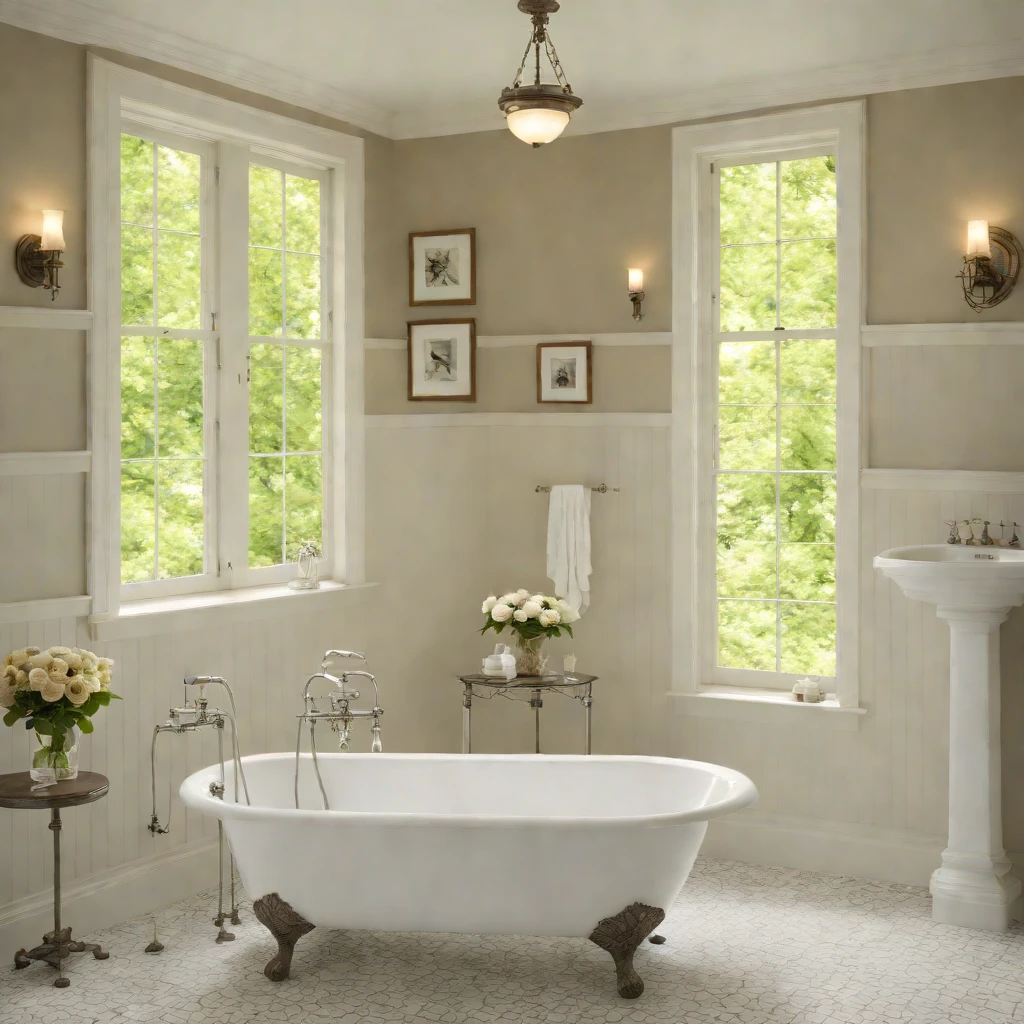
A bathtub is one of the most intimate objects in the home — a vessel designed for nothing more or less than the complete restoration of the body and mind. When you lower yourself into warm water at the end of an exhausting day, the tub you chose matters enormously: whether it holds heat, whether it fits your body, whether it is deep enough to immerse, and whether it is beautiful enough to make the act of bathing feel like something worth slowing down for. The right bathtub can be the single most transformative element in a bathroom renovation.
But the world of bathtubs is genuinely vast. The sheer variety of types, materials, configurations, and styles available today can make choosing feel more overwhelming than exciting. This guide cuts through the noise. Whether you are planning a full bathroom renovation, replacing an aging tub, or simply trying to understand your options before speaking to a designer or contractor, these are the types of bathtubs you need to know — what they look like, how they perform, who they suit, and what they cost to consider. Let the perfect tub for your life and space be the destination.
1. Alcove Bathtubs — The Practical Classic
The alcove tub is the most common bathtub configuration in North American and European homes, and with good reason — it is practical, space-efficient, and endlessly adaptable. An alcove tub fits against three walls in a recessed space, typically 60 inches long and 30 to 32 inches wide, with a finished apron front as the only exposed face. Because three sides are enclosed by walls, the tiled surround becomes a key design element. Most alcove tubs also accommodate an overhead shower, making them the workhorse of a family bathroom where both bathing and showering happen in the same space. Acrylic alcove tubs are the most affordable and widely available, while enameled cast iron alcove tubs offer superior heat retention and a weighted, heirloom quality. For smaller bathrooms, alcove tubs are available in compact 54-inch formats.
2. Freestanding Bathtubs — The Statement Centerpiece
Nothing commands a bathroom like a freestanding tub. Positioned in the center of the room or nestled against a window, a freestanding bathtub is simultaneously a piece of furniture and a piece of sculpture — and it signals, unambiguously, that this is a bathroom where bathing is taken seriously. Freestanding tubs are exposed on all four sides and typically accompanied by a floor-mounted faucet, which becomes an elegant sculptural element in its own right. They are available in oval, rectangular, and irregular organic forms, in materials ranging from acrylic and stone resin to cast iron, copper, and concrete. Stone resin freestanding tubs offer excellent heat retention, a matte, natural-feeling surface, and a weight that is substantial but manageable. Pair with a tall arched floor-mounted filler in unlacquered brass for a bathroom that feels genuinely extraordinary.
3. Clawfoot Bathtubs — Vintage Elegance Reinvented
The clawfoot tub is perhaps the most romantically loaded bathtub form — instantly associated with Victorian elegance, leisurely soaks, and a certain willingness to invest in beauty over mere function. These freestanding tubs rest on four decorative feet — traditionally cast iron in ball-and-claw or lion’s paw forms — and are available in both original antique versions and beautifully reproduced contemporary models. Cast iron clawfoot tubs are the authentic choice, offering outstanding thermal mass and a weight that communicates permanence and quality. Modern reproductions in acrylic with chrome, gold, or oil-rubbed bronze feet offer a lighter, more affordable alternative that still delivers the visual drama. The key to making a clawfoot tub feel current rather than costume is in what surrounds it: keep the rest of the bathroom clean and relatively spare, letting the tub’s form do the decorative work.
4. Drop-In Bathtubs — Integrated Luxury
A drop-in bathtub — sometimes called an undermount or inset tub — is installed into a built platform or deck, with the rim sitting at or slightly above the deck surface. The platform itself becomes a major design feature, often tiled in matching or complementary materials to the rest of the bathroom, creating a built-in, architectural look that feels both luxurious and permanent. Drop-in tubs work particularly well in large bathrooms where a platform installation can serve double duty as a generous tub deck, a surface for candles and accessories, or even a step into the shower. They are available in acrylic, cast iron, and stone resin, and can be paired with deck-mounted or wall-mounted faucets depending on the platform configuration. A wide tile deck in large-format marble or porcelain with integrated canister lighting creates one of the most spa-like domestic bathing environments possible.
5. Japanese Soaking Tubs — Deep Immersion, Compact Footprint
The ofuro — the Japanese soaking tub — is built on a fundamentally different set of priorities than its Western counterparts. Rather than long and shallow, it is short and deep: typically 28 to 45 inches long but 20 to 30 inches deep, designed to immerse the body to shoulder height in a seated position. This depth of immersion creates a bathing experience that is physiologically and psychologically different — warmer, more total, and more meditative. Japanese soaking tubs in stone resin, cast iron, or traditional hinoki cypress wood are available in formats that fit into smaller bathrooms where a standard 60-inch tub would be impossible. The hinoki wood tub is particularly extraordinary — the pale, fragrant timber brings a sensory dimension that no synthetic material can match. Pair with a wooden bath stool, a bamboo ladle, and simple stone floors for an authentic ofuro aesthetic.
6. Whirlpool and Jetted Bathtubs — Hydrotherapy at Home
For those who want their bathtub to do more than hold water, a whirlpool or jetted bathtub introduces a therapeutic dimension that can genuinely benefit those with muscle tension, circulation issues, or chronic pain. Water jets are positioned at key muscle groups — lower back, shoulders, legs — and the hydrostatic pressure and warm water combination delivers a genuine massage effect. Whirlpool tubs are typically larger than standard formats and often configured as corner installations to accommodate the larger footprint. An air-jet system differs from a water-jet system in that it releases thousands of tiny air bubbles throughout the water rather than directed streams — the effect is gentler and more effervescent, resembling a full-body carbonated water experience. Regular cleaning of the jet system is essential for hygiene; look for models with self-purging and cleaning cycles built in.
7. Walk-In Bathtubs — Safe and Accessible Bathing
A walk-in bathtub is designed specifically for users with limited mobility — those for whom stepping over a standard tub threshold creates a genuine safety risk. These tubs feature a watertight door built into the side, a low or zero step-over threshold, built-in grab bars, anti-slip flooring, and a seat that allows bathing in a comfortable, seated position. Many models also include whirlpool or air-jet systems for hydrotherapy benefits. The primary practical consideration with walk-in tubs is fill and drain time: because you must enter before filling and remain seated until fully drained, the bathing process takes longer than a conventional tub. Heated seat and heated surface options address the comfort concern while waiting for fill. Modern walk-in tubs have become considerably more stylish, available in forms that complement contemporary bathroom design rather than signaling exclusively medical function.
8. Corner Bathtubs — Maximizing Unusual Spaces
A corner bathtub fits diagonally into a room corner, with angled sides meeting the two adjacent walls. This configuration makes exceptional use of a corner that might otherwise become dead space, and in larger bathrooms, a corner tub with a broad tile surround creates an impressively spa-like bathing area. Corner tubs are typically larger than alcove tubs — often 60 inches on each side — and the generous interior dimensions provide real luxury of space. They are most commonly available in acrylic or fiberglass, though cast iron corner formats exist for those willing to accept the significant structural weight. The raised surround platform that typically frames a corner tub is an opportunity for a strong tile moment — consider a deep jewel-tone mosaic or a dramatic large-format stone-look porcelain for the deck and steps that lead to the tub edge.
9. Slipper Bathtubs — Sculptural and Supremely Comfortable
The slipper tub is a variation on the freestanding form that introduces a functional curve: one end — or both ends, in a double-slipper configuration — is raised higher than the other, allowing the bather to recline at an ergonomically optimal angle rather than propping themselves against a flat vertical end. This raised end is both aesthetically distinctive and genuinely more comfortable for long soaks. Single slipper tubs have one raised end and one flat end; double slipper tubs have both ends raised with a lower center section, creating a symmetrical silhouette that is one of the most elegant bathtub forms available. In matte white or anthracite stone resin, a double slipper tub with a centrally mounted freestanding faucet creates a focal point of pure, sculptural luxury. This is a form that rewards being looked at as much as being bathed in.
10. Copper Bathtubs — Artisan Warmth and Living Patina
A hand-hammered copper bathtub is not merely a plumbing fixture — it is a piece of craft that evolves with your bathroom over time. Copper is antimicrobial, naturally resistant to bacteria, and develops a living patina that shifts from bright orange to warm brown to verdigris green over years of use, responding to the minerals in your water and the oils from your skin. No two copper tubs age identically. These tubs are produced primarily by artisan workshops in Mexico, Turkey, and India, and the quality of the hammering — visible in the texture of the metal surface — varies considerably between makers. Choose a thick-gauge (14 gauge or heavier) hammered copper tub for best heat retention and structural integrity. Pair with rustic stone tile floors, exposed timber, and warm amber lighting for a bathroom that feels genuinely ancient in the best possible sense.
11. Concrete Bathtubs — Industrial Modernism Refined
Concrete as a bathtub material represents one of the most compelling intersections of industrial craft and domestic luxury. A poured or GFRC (glass fiber reinforced concrete) bathtub is custom-fabricated and finished in a matte, smooth or slightly textured surface that is completely unlike any other bathing vessel. Concrete tubs are inherently bespoke — they can be cast in virtually any shape or size, and the color pigment can be adjusted to produce surfaces ranging from warm charcoal to pale sand. They are heavy and require structural floor reinforcement, and they must be properly sealed with a penetrating sealant to prevent moisture absorption. Pair with large-format polished concrete floors, floor-to-ceiling glazing, and a minimal matte chrome faucet for a bathroom that is entirely committed to the modernist aesthetic. This is a tub for those who want a bathroom that has never been done before.
12. Oval Freestanding Tubs — Soft Modernism
The oval freestanding tub occupies the middle ground between the sculptural drama of a clawfoot and the angular precision of a rectangular freestanding form — it is smooth, approachable, and serene. Its continuous, unbroken curve from end to end creates a shape that is almost biomorphic, suggesting softness and comfort before a drop of water has been drawn. Oval freestanding tubs in acrylic, stone resin, or cast iron are among the most popular contemporary tub choices precisely because they suit such a wide range of interior aesthetics: at home in a Scandinavian minimal bathroom, a coastal retreat, or a modern farmhouse. The interior ergonomics of a well-designed oval tub — with gently sloped ends that support the back at multiple recline angles — make it one of the most genuinely comfortable forms. Pair with a matte black floor-mounted faucet and a minimal marble or concrete floor for a contemporary bathroom that centers on quiet, confident luxury.
Pro Tips for Getting It Right
- Measure your floor load capacity before choosing a material: Cast iron, copper, and concrete tubs can weigh 300 to 500 pounds empty. Before committing to any of these materials, consult a structural engineer or your contractor to confirm your subfloor can support the combined weight of the tub, water, and occupant — particularly in upper-floor bathrooms.
- Consider bathtub depth as seriously as length: Most standard alcove tubs are only 14 to 16 inches deep when filled to the overflow — barely enough to cover the torso. If soaking immersion is your goal, look for tubs with overflow drains positioned higher and interior depths of 18 to 22 inches. Japanese soaking tubs and many freestanding models offer this depth; standard alcove formats rarely do.
- Match the faucet style to the tub configuration: Freestanding tubs require floor-mounted or deck-mounted faucets; alcove tubs use deck or wall-mounted faucets above the rim. Choose the faucet and tub together as a visual and technical system rather than selecting them separately — mismatches in style, finish, and configuration are costly to correct after installation.
- Test the ergonomics before you buy: Many bathroom showrooms allow you to climb into display tubs (clothed). Do it. A tub that photographs beautifully may have a back angle that forces you upright, interior walls too steep to rest your arms on, or a depth that makes getting out effortful. Your comfort in the tub matters far more than how it looks in a catalog.
- Budget for the rough-in work: The tub itself is only part of the total cost. Structural reinforcement, plumbing rough-in for a floor-mounted faucet, deck construction for a drop-in tub, or a custom concrete pour all add significant cost. Get a complete installed cost estimate before comparing tub options — a less expensive tub requiring complex installation often costs more in total than a premium tub that drops into an existing alcove.
The Right Bathtub Is a Long-Term Relationship
A bathtub, more than almost any other bathroom element, is a commitment. Well-chosen and properly installed, it will be the backdrop for thousands of quiet, restorative moments over the life of your home. The variety explored in this guide spans every style, space, budget, and set of priorities — from the space-efficient alcove to the handcrafted copper centerpiece — and each type has its own genuine reasons to recommend it.
The best tub is not the most expensive one, or the most dramatic one, or the one that photographs best for a renovation reveal. It is the one that fits your bathroom, suits your body, matches your bathing habits, and makes you want to use it every single day. Make that the criterion that guides every other decision. When you find it, it will feel immediately right — and that feeling is worth everything the search requires.


No Comments