
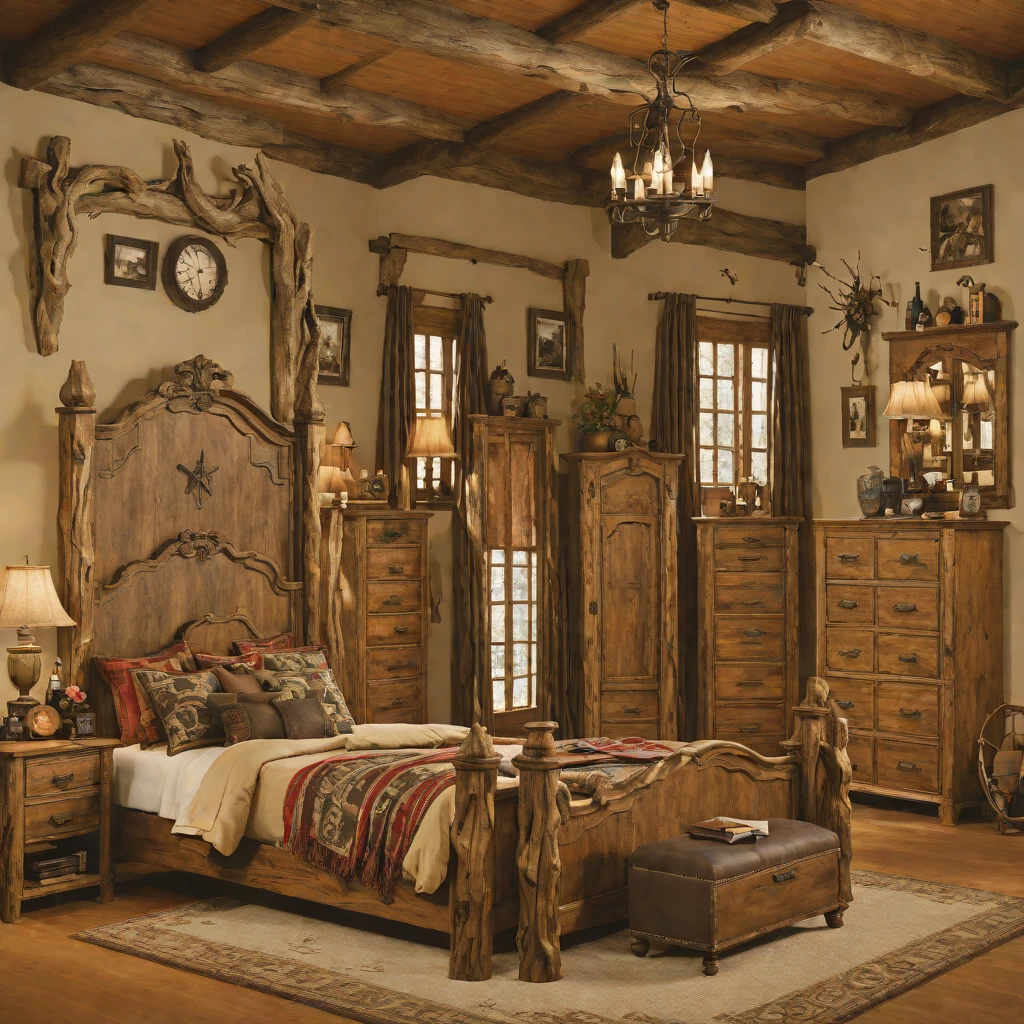
The American West has always represented a particular kind of freedom: the freedom of wide open spaces, of self-reliance, of craftsmanship born from necessity and refined into art. Western bedroom decor channels that spirit into a domestic context, creating rooms that feel rooted in the land, built from honest materials, and alive with the warm, rugged beauty of the frontier tradition. This is not a style that lives in museum cases or behind velvet ropes. It is a living aesthetic that continues to evolve, absorbing contemporary design intelligence while remaining faithful to the materials, colors, and textures that give it its unmistakable identity. In this guide, you will discover Western bedroom decor ideas that range from the authentically traditional to the cleanly modern Western, covering everything from color and material selection to furniture choices, textile layering, and the carefully chosen accessories that bring the spirit of the West genuinely alive in your bedroom.
1. Anchor the Room in an Earthy, Western Color Palette
The color palette of a Western bedroom is drawn directly from the landscape of the American Southwest and Great Plains: the rich terracotta of red rock canyons, the warm sand and ochre of desert floors, the sage green of brush and scrub, the charcoal brown of weathered barn wood, and the deep turquoise of Native American jewelry. These colors share a warm, dry quality that is fundamentally different from the cool, oceanic tones of coastal design or the soft pastels of cottage aesthetics.
Begin with a warm, earthy wall color, terracotta, adobe red, warm sand, or a dusty sage, as the backdrop. From there, build in deeper tones through furniture, textiles, and accessories. A wall in a matte adobe terracotta immediately announces the Western character of the room and provides a warm, enveloping background against which leather, wood, and woven textiles all look extraordinary.
2. Choose Rustic Wood Furniture With Honest Character
Wood is the primary material of Western design, and the character of the wood matters as much as the form of the furniture it creates. Look for pieces in reclaimed pine, rough-sawn oak, distressed walnut, or log-style construction that show the marks of their origin: knots, grain variation, saw marks, and the slight irregularity of hand-crafted joinery. These qualities, which would be defects in a formal cabinetmaking tradition, are precisely what give Western furniture its soul.
A bed frame in reclaimed barn wood with a live-edge headboard, a rustic log-style nightstand in natural pine, and a distressed walnut dresser with cast iron hardware create a furniture ensemble that looks as if it evolved organically over time rather than being purchased as a matching set. This slight mismatch between pieces, held together by their shared material warmth and rustic character, is central to the authentic Western bedroom aesthetic.
3. Incorporate Leather Throughout the Room
Leather is one of the signature materials of Western design, and its application in a bedroom ranges from the practical to the purely decorative. A full-grain leather headboard in a warm saddle or cognac tone creates an immediate focal point of genuine richness. Leather-wrapped furniture legs, leather pulls on dresser drawers, and a leather strap throw blanket holder beside the bed all introduce small leather moments that build the material language of the room cumulatively.
Genuine leather is preferred over synthetic alternatives in Western design, because its surface is alive: it develops patina, softens with use, and ages in ways that speak directly to the Western appreciation for durable, authentic materials. A leather armchair in a distressed vintage tan, set beside a floor lamp in a wrought iron finish, creates a reading corner of robust, handsome character that is quintessentially Western in its combination of utility and beauty.
4. Layer Navajo and Southwestern Textiles
Textile traditions of the American Southwest are among the richest and most distinctive in domestic design, and they are central to an authentic Western bedroom. Navajo-inspired blankets, Pendleton wool throws, serape-style striped textiles, and hand-woven rugs in geometric patterns of turquoise, red, brown, and cream add color, pattern, and warmth to the room in a way that no solid-color textile achieves.
Drape a Pendleton wool blanket across the foot of the bed, layer it over natural linen bedding, and add two or three throw pillows in complementary Southwestern patterns. A large, flat-woven Navajo-style rug in a geometric diamond or arrow pattern anchors the room’s center with bold, earthy pattern. These textiles are not merely decorative: they carry the cultural heritage of the American West and give the room its authentic sense of place and identity.
5. Use Cowhide for Texture and Western Authenticity
Cowhide is one of the most distinctively Western materials available, and a natural cowhide rug or wall piece adds a texture and character that no woven alternative can replicate. A cowhide rug beside the bed provides a warm, durable surface underfoot with the natural pattern variation of genuine hide. No two cowhide pieces are identical, which gives each one a unique presence that mass-produced rugs never achieve.
Use cowhide with restraint: one generous rug or one mounted hide as a wall feature is typically sufficient. More than one cowhide element in a single room can feel excessive and performatively Western rather than authentically lived-in. Pair the cowhide with the woven textiles, natural wood, and leather that complement its material character, and allow it to serve as the room’s primary statement of Western identity.
6. Choose Wrought Iron and Antler Accents
Hardware, lighting, and accent pieces in wrought iron are defining elements of Western interior design. The dark, slightly rough surface of blacksmith-worked iron appears throughout the authentic Western home: in bed frames, in door hardware, in light fixtures, in fireplace tools, and in decorative elements such as hooks, brackets, and frame details. Iron has a visual weight and honesty that immediately communicates quality and permanence.
Antler accents, from genuine shed antlers used as natural sculptures to cast antler hardware on cabinet pulls, add another dimension of Western authenticity. A shed antler chandelier above the bed, crafted from naturally shed white-tail or mule deer antlers, creates a dramatic and entirely natural light fixture that is impossible to replicate in any other style. Keep antler elements considered and singular: one excellent piece is far more powerful than multiple competing antler accents.
7. Bring the Outdoors In With Natural Stone and Rock Elements
The geology of the American West is extraordinary, and incorporating natural stone into a Western bedroom connects the interior directly to the landscape that inspired the style. A stone-faced accent wall in rough-cut sandstone or a fireplace surround in stacked river rock creates an architectural feature of genuine elemental beauty. Even smaller stone elements, a smooth river rock as a decorative object, a rough quartz crystal on the nightstand, or a slab of petrified wood as a bookend, introduce the geological richness of the West into the room’s material vocabulary.
If full stone cladding is beyond the scope of your project, a textured stone-effect wallcovering in a warm sandy or ochre tone provides the visual impression of natural stone without the structural requirements. Pair it with genuine natural stone accessories to reinforce the material authenticity of the room.
8. Incorporate Native American Art and Crafts Respectfully
Native American artistic traditions are among the most visually powerful in the world, and their incorporation into Western bedroom design deserves both appreciation and genuine respect for their origins. Where possible, source artwork and craft objects directly from Native American artists and artisans, ensuring that the objects you bring into your room are genuine expressions of living traditions rather than cultural appropriations.
Authentic hand-woven Navajo rugs, Pueblo pottery, Zuni jewelry displayed as sculpture, and sand paintings in traditional geometric forms are all extraordinary additions to a Western bedroom when they come with genuine provenance and honest sourcing. These objects carry cultural significance as well as aesthetic beauty, and they deserve to be treated and displayed with the respect that acknowledgment of their origins demands.
9. Add a Fireplace or Faux Hearth for Warmth and Atmosphere
Nothing evokes the spirit of the American West more powerfully in a domestic interior than an open fire. In a bedroom, a fireplace, whether wood-burning where regulations and architecture permit, or a convincing bio-ethanol or electric insert where they do not, creates an atmosphere of primitive comfort and warmth that is central to the Western bedroom ideal. The hearth is the heart of the Western home, and its presence in a bedroom transforms the room’s character entirely.
If a fireplace is not structurally possible, a recessed niche in the wall with stacked split logs as a purely decorative element, combined with a cluster of large pillar candles in front of it, creates a strong visual impression of a fireplace alcove that carries much of the atmospheric quality of the real thing. A cast iron candle lantern on the hearth, whether genuine or suggested, adds the warm, flickering light quality that is quintessentially Western.
10. Style the Nightstand With Western Character
The nightstand is a small canvas for significant Western detail. A rough-cut wooden slab on hairpin legs, a vintage leather-wrapped trunk as a side table, or a simple shelf mounted from reclaimed timber board and blackened iron brackets all provide Western-appropriate bedside surfaces with genuine material character. The objects placed on this surface should maintain the same material language: a leather-bound journal, a raw crystal or geode, a cast iron candleholder, and perhaps a small succulent or a piece of driftwood.
Avoid anything too polished, too reflective, or too obviously decorative on a Western nightstand. The objects should look functional and meaningful, as if they belong to the life of the person sleeping there rather than being placed for visual effect. This sense of authentic use and genuine selection is what elevates Western bedroom styling above theme-park territory into something genuinely personal and real.
11. Use Star Motifs and Western Iconography Sparingly
The iconography of the American West, longhorn skulls, lone stars, horseshoes, cacti, and spurs, is powerful and immediately recognizable. Used sparingly and with design intelligence, a single well-chosen Western motif can anchor the identity of a room without tipping it into kitsch. Used in abundance, the same elements transform a bedroom into a theme restaurant rather than a genuine home.
The rule of thumb is one iconic Western element per room. A large Texas star in weathered metal on the headboard wall, one striking Georgia O’Keeffe-inspired bleached skull sculpture on the dresser, or a single cactus in a warm terracotta pot beside the window: each works beautifully in isolation. When they accumulate, they compete and the room loses its dignity and depth.
12. Build the Outdoor Connection Through View and Material
The Western bedroom at its best feels connected to the landscape beyond its walls. In a home with a view of open land, mountains, or desert, maximize that connection through large windows dressed in simple linen panels that frame the view without obstructing it. Where the view is less inspiring, bring the landscape inside through the materials themselves: stone, leather, wood, and earth-toned textiles that carry the sensory quality of the outdoor Western environment into the interior.
A bedroom that smells of cedar, leather, and sage, that is lit with warm, amber light in the evening, that is furnished with materials from the earth and built with honest craftsmanship: this is the Western bedroom at its finest. It is a room that honors the tradition of a design heritage rooted in the land, adapted for the comfort of contemporary living, and filled with the beauty that results when authentic materials are treated with genuine care and respect.
Pro Tips for Getting It Right
- Avoid the costume version of Western design: The difference between an authentic Western bedroom and a themed one comes down to the quality and authenticity of the individual elements. Real leather, genuine reclaimed wood, authentic craft objects, and a palette drawn from actual Western landscapes will always look more compelling than mass-produced Western-themed accessories from a home goods chain. Invest in the real thing wherever possible, and choose nothing over the wrong thing everywhere else.
- Balance rusticity with comfort: Authentic Western design values utility and durability, but the bedroom also needs to be genuinely comfortable to sleep and relax in. Balance rough, rugged surfaces and materials with the softness required for rest: generous bedding in natural fibers, a plush rug underfoot, and upholstered seating in leather or a warm textile that softens the visual weight of the harder architectural elements.
- Layer your lighting for evening atmosphere: The quality of evening light in a Western bedroom should reference the warm, amber quality of firelight and candlelight. Multiple sources of warm, dim light, including table lamps with fabric shades, candle lanterns, and perhaps actual candles, create the kind of atmospheric warmth at night that transforms a room designed for daytime appreciation into a genuinely magical evening space.
- Edit ruthlessly after assembling the room: Western design has a tendency to accumulate, with each new found object seeming to belong naturally in the room. After you have assembled the major elements, step back and identify the three to five things that are contributing the least to the overall effect. Remove them temporarily and see whether the room reads more clearly without them. It almost certainly will, and the objects that remain will have greater impact for the reduction.
The Western bedroom at its finest is not a recreation of a film set or a tribute to a romanticized past. It is a room built on genuine values: the value of honest materials, of craft made to last, of a connection to the natural world, and of a design tradition that grew from the actual conditions of a specific landscape and a specific way of life. These values translate beautifully to contemporary living precisely because they are so different from the disposable, trend-driven world of mass-market interior design.
Build your Western bedroom with patience and honesty. Choose objects and materials that would have earned a place in the original tradition: things that are useful, things that are beautiful, and things that demonstrate the care and skill of the hands that made them. That combination, utility, beauty, and craft, has always been the definition of the best design in every era. In the Western bedroom, it finds one of its most powerful and most personal expressions.


No Comments