
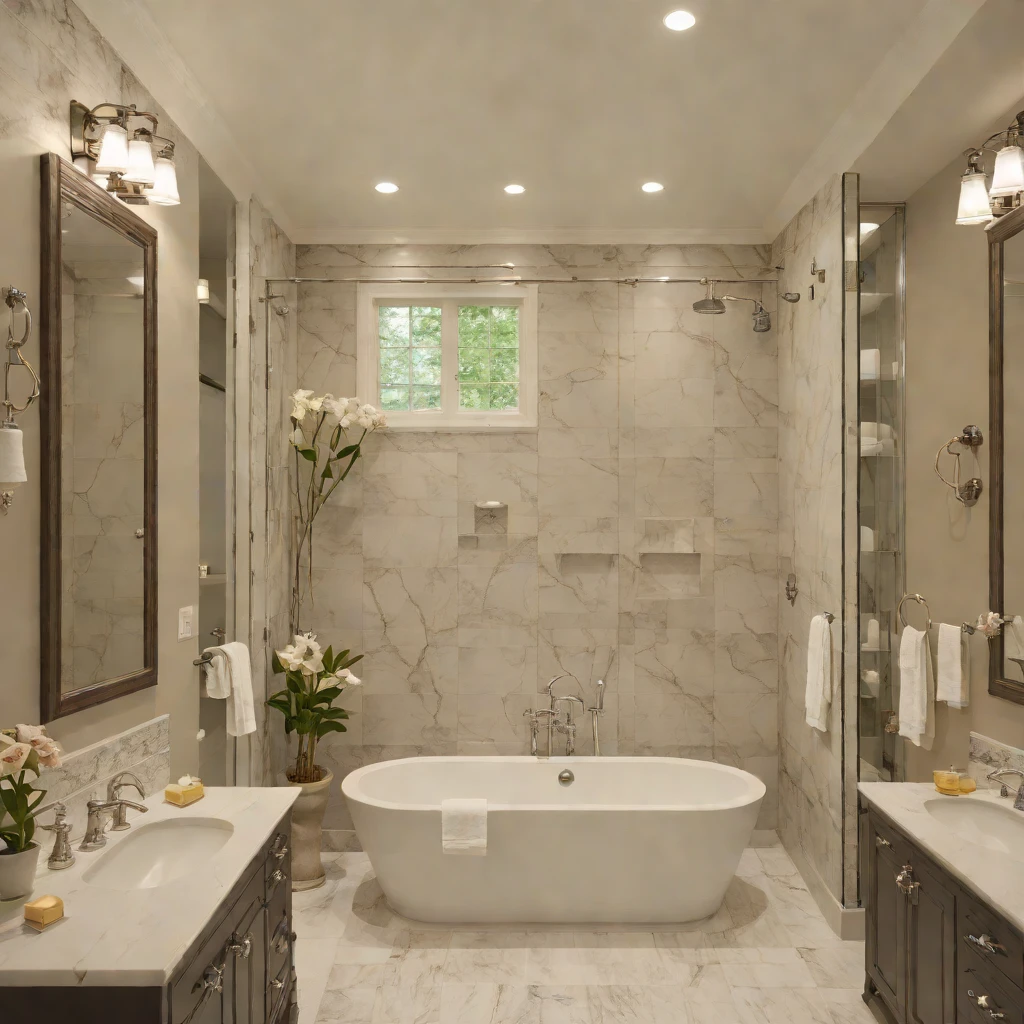
The bathroom. More than just a utilitarian space, it’s a sanctuary, a revitalizing escape, and often, a true reflection of your home’s style. If you’ve been dreaming of transforming your outdated washroom into a modern marvel or a spa-like haven, embarking on a bathroom remodeling project can be one of the most rewarding home improvements. But like any significant endeavor, a successful bathroom renovation hinges on meticulous planning and informed decision-making.
As an expert in home design and renovation, I’ve seen countless bathroom transformations, from simple cosmetic updates to complete overhauls. This comprehensive guide is designed to walk you through every critical step, providing you with the expert insights you need to navigate your bathroom remodeling ideas from initial spark to stunning reality. Let’s dive in and plan the bathroom of your dreams.
Why Remodel Your Bathroom? Beyond Just Aesthetics
Before you even pick out your first tile sample, consider the core reasons behind your desire to remodel. Understanding your “why” will shape every decision you make for your new bathroom design.
- Enhanced Functionality: Is your current layout inefficient? Do you need more storage, a larger shower, or a dual vanity for busy mornings?
- Increased Home Value: A well-executed bathroom renovation can offer a significant return on investment, especially if you plan to sell your home in the future.
- Improved Aesthetics & Comfort: Outdated fixtures and finishes can make a bathroom feel tired. A remodel allows you to create a space that aligns with your personal style and offers true comfort.
- Addressing Damage or Wear: Leaky showers, crumbling grout, or cracked tiles often necessitate a remodel beyond mere cosmetic upgrades.
- Creating a Personal Sanctuary: Many homeowners seek a spa-like experience, a place to unwind and recharge. Your bathroom can absolutely be that space.
Phase 1: Cultivating Your Bathroom Vision and Gathering Inspiration
This is the fun part: dreaming! Don’t hold back in this initial stage. Gather all your bathroom ideas and inspirations.
Defining Your Needs and Wants
Start with a detailed self-assessment. Who uses the bathroom? What are their habits? What works and what doesn’t in your current space?
- Do you prefer a quick shower or a luxurious soak in a freestanding tub?
- Is ample countertop space a priority?
- How much storage do you genuinely need for toiletries, towels, and linens?
- Are there accessibility concerns now or in the future? (e.g., walk-in shower with no curb).
- What specific design problems are you trying to solve?
Exploring Bathroom Styles and Themes
Modern bathroom design encompasses an incredible range of aesthetics. Familiarize yourself with common styles to help articulate your vision:
- Contemporary: Clean lines, minimalist approach, often incorporating glass, metal, and natural wood.
- Farmhouse: Rustic charm, shiplap, open shelving, classic fixtures, often a clawfoot tub.
- Traditional: Classic elegance, ornate detailing, darker wood tones, intricate tiling patterns.
- Transitional: A harmonious blend of traditional and contemporary, offering timeless appeal.
- Spa-like: Focus on tranquility, natural materials, soft lighting, often a neutral color palette.
- Industrial: Exposed brick, concrete, metal accents, often with a raw, utilitarian feel.
Utilize platforms like Pinterest, Instagram, and design magazines. Visit local showrooms to see materials and fixtures in person. Save images that speak to you – you’ll start to see patterns and preferences emerge.
Phase 2: The Practical Foundation – Budgeting and Scope
With a vision in mind, it’s time to ground your dreams in reality: your budget and the scope of work.
Setting a Realistic Bathroom Remodel Budget
This is arguably the most critical step. A well-defined budget prevents overspending and helps you make informed choices about materials and finishes. Research average costs in your area for similar projects. Typical budget breakdowns often include:
- Labor (40-60%): This includes your contractor, plumber, electrician, tiler, etc.
- Materials & Fixtures (30-40%): Vanity, shower, tub, toilet, tile, countertops, faucets, lighting.
- Permits & Design Fees (5-10%): Don’t overlook these essential costs.
- Contingency (10-20%): Absolutely crucial for unforeseen issues like plumbing problems behind walls or unexpected structural repairs.
Be honest about what you can comfortably afford, and remember that even small changes can add up.
Defining Your Project Scope: Cosmetic vs. Full Renovation
- Cosmetic Update: Often involves painting, updating fixtures (faucets, lighting), changing out a vanity, and perhaps reglazing a tub. Keeps existing layout.
- Mid-Range Remodel: Includes new flooring, vanity, shower/tub combo, toilet, and possibly minor layout adjustments without moving major plumbing.
- High-End/Full Renovation: A complete gut job, moving walls, reconfiguring the layout, high-quality materials, custom cabinetry, smart home features, and luxury fixtures.
Clearly defining the scope at this stage will significantly impact your budget and timeline.
Understanding Permits and Regulations
For any significant structural changes, plumbing reconfigurations, or electrical work, you will likely need permits from your local municipality. Your chosen contractor should be well-versed in these requirements. Skipping permits can lead to costly fines, delays, and issues when selling your home.
Phase 3: The Design Deep Dive – Layout and Functionality
This is where your bathroom planning guide truly comes to life. How will the elements fit together to create a functional and aesthetically pleasing space?
Optimizing Your Bathroom Layout
The layout is fundamental. Even without moving major plumbing, you can optimize flow and maximize space. Consider the “work triangle” concept, adapted for bathrooms: easy access between the sink, toilet, and shower/tub.
- Small Bathrooms: Opt for space-saving solutions like a wall-mounted vanity, a corner sink, or a shower-only setup. Sliding or pocket doors can free up floor space.
- Master Bathrooms: You might have room for a dual vanity, separate shower and tub, or a dedicated water closet.
- Guest/Half Baths: Focus on efficient use of limited space, often just a toilet and a pedestal or small wall-mounted sink.
Work with a designer or contractor to create detailed floor plans. Even simple sketches can help visualize the space.
Key Elements and Fixtures: Making Smart Choices
Each component plays a vital role in both form and function.
- Vanity: This combines sink and storage. Options range from floating vanities for a modern look, furniture-style vanities for a more traditional feel, or custom cabinetry built to your exact specifications.
- Shower: Consider a walk-in shower with a glass enclosure for an open feel, or a traditional shower/tub combo. Think about showerheads (rain showerhead, handheld), benches, and niches for toiletries.
- Bathtub: A standalone freestanding tub makes a statement, while an alcove tub is more practical for smaller spaces or shower combos.
- Toilet: Modern toilets are more water-efficient and come in various styles, including wall-mounted or smart toilet options with features like bidet functions and heated seats.
- Storage Solutions: Beyond the vanity, incorporate recessed medicine cabinets, open shelving, linen closets, or built-in cupboards to keep clutter at bay.
Lighting Design: Setting the Mood and Task
Good bathroom lighting is a blend of functionality and ambiance.
- Task Lighting: Bright, shadow-free lighting around the mirror (sconces or overhead fixtures) is essential for grooming.
- Ambient Lighting: General overhead lighting, often recessed LED lighting, illuminates the entire room.
- Accent Lighting: For atmosphere, consider dimmer switches, toe-kick lighting, or decorative pendants.
Ventilation: A Non-Negotiable Necessity
A powerful exhaust fan is critical to prevent mold and mildew buildup, remove odors, and protect your finishes. Ensure it’s properly sized for your bathroom and vented to the outside, not into an attic space.
Accessibility and Universal Design
Planning for the future or current needs means considering accessibility. This can include wider doorways, grab bars (which can be stylish!), curbless showers, comfort-height toilets, and lever handles instead of knobs. These choices often enhance comfort for everyone.
Phase 4: Materials and Finishes – Crafting the Aesthetic
This is where your vision truly takes shape. The selection of materials and finishes will define the aesthetic and feel of your newly remodeled bathroom.
Flooring Options: Durability Meets Style
Your bathroom floor needs to be waterproof, durable, and slip-resistant.
- Porcelain Tile: Extremely durable, water-resistant, and available in countless styles, colors, and textures, mimicking wood or natural stone.
- Ceramic Tile: A versatile and affordable option, though slightly less durable than porcelain.
- Natural Stone (Marble, Travertine, Slate): Offers unparalleled luxury and unique patterns but requires sealing and more maintenance.
- Vinyl Plank or Tile (LVT/LVP): Excellent waterproof properties, comfortable underfoot, and a cost-effective alternative to wood or stone.
- Heated Flooring: A luxurious addition that provides warmth and comfort, especially in colder climates.
Wall Treatments: From Practical to Decorative
- Tile: Used in showers, around tubs, and as wainscoting. Subway tile is a classic, while larger format tiles offer a modern, seamless look.
- Paint: Choose a paint specifically designed for high-humidity environments (mildew-resistant).
- Wallpaper: Waterproof or moisture-resistant wallpaper can add a unique decorative element, particularly in areas away from direct water spray.
Countertop Choices: Function and Elegance
Your vanity countertop needs to withstand moisture and daily use.
- Quartz: Highly durable, non-porous (stain-resistant), and available in a wide range of colors and patterns.
- Granite: A natural stone offering unique beauty, but requires sealing.
- Solid Surface (e.g., Corian): Seamless look, easily repairable, and available in many colors.
- Cultured Marble: An engineered product that offers a consistent look and integrated sink options at a more affordable price point.
Fixtures and Hardware: The Jewelry of the Bathroom
Faucets, showerheads, cabinet pulls, towel bars, and robe hooks all contribute to the overall aesthetic. Consistency in finish (e.g., brushed nickel, matte black, polished chrome, brass) creates a cohesive look. Invest in quality fixtures that will last.
Bathtub and Shower Enclosures
For showers, consider frameless glass shower enclosures for a sleek, open feel, or semi-frameless for a blend of style and affordability. Bathtubs come in acrylic, cast iron, or composite materials, each with their own benefits in terms of durability, heat retention, and cost.
Color Palette: Setting the Mood
Color greatly impacts the feel of your bathroom. Neutrals like white, grey, and beige create a calm, expansive feel. Blues and greens evoke a serene, spa-like atmosphere. Darker colors can create drama and sophistication in larger spaces. Use your inspiration images to guide your palette choices.
Phase 5: The Professionals and Project Management
Unless you’re planning a very minor cosmetic update, a bathroom remodel is a complex undertaking that often requires skilled professionals.
Hiring the Right Team
- Licensed Contractor: For a full renovation, a reputable, licensed, and insured general contractor is essential. They will oversee the entire project, manage subcontractors (plumbers, electricians, tilers), and ensure work meets code.
- Interior Designer: If you need help refining your vision, selecting materials, or optimizing a challenging layout, an interior designer’s expertise can be invaluable.
- Plumber: Crucial for any changes to plumbing lines, fixture installation, and ensuring proper water pressure and drainage.
- Electrician: Needed for new lighting, outlets, fan installation, and ensuring all electrical work is up to code and safe.
Always get multiple bids, check references, and review portfolios. A clear contract outlining scope, timeline, payment schedule, and change order procedures is non-negotiable.
Understanding the Timeline
A typical bathroom remodel can take anywhere from a few weeks for a minor update to several months for a full gut renovation, depending on complexity, material availability, and contractor scheduling. Factor in lead times for custom orders.
DIY vs. Professional
While DIY can save on labor costs, be realistic about your skills and time. Tasks like demolition, painting, and basic fixture installation might be manageable. However, intricate tiling, plumbing, and electrical work are best left to licensed professionals to ensure safety, quality, and adherence to codes.
Phase 6: The Remodel in Motion – What to Expect
Once planning is complete and contracts are signed, the physical transformation begins. Knowing the typical sequence of events helps manage expectations.
- Protection and Demolition: Your home will be protected from dust and debris. The existing bathroom will be stripped down to the studs. This can be noisy and dusty.
- Rough-In (Plumbing and Electrical): New plumbing lines and electrical wiring for lighting, outlets, and fans are installed within the walls. This is when your licensed plumber and electrician are most active.
- Insulation and Drywall: Walls are insulated, and new drywall is installed and finished, ready for paint or tile.
- Waterproofing: Critical steps are taken in the shower and around the tub to create a waterproof barrier, protecting against leaks and moisture damage.
- Flooring and Tiling: Floor tiles are laid, followed by wall tiles in the shower, around the tub, and as backsplashes. Grouting completes this stage.
- Cabinetry and Countertop Installation: Your vanity cabinets are installed, followed by the countertops and sinks.
- Fixture Installation: Toilets, faucets, showerheads, bathtubs, and shower enclosures are installed and connected.
- Painting and Finishing: Walls are painted, and final touches like trim, mirrors, and accessories are installed.
- Cleanup and Inspection: A thorough cleaning takes place, and a final walkthrough with your contractor ensures everything meets your satisfaction. Any necessary inspections will also occur at this stage.
Phase 7: The Finishing Touches and Long-Term Care
Your beautiful new bathroom is almost complete! These final steps bring everything together and ensure its longevity.
Accessorizing and Decorating
Infuse personality with thoughtfully chosen accessories:
- Mirrors: More than just functional, mirrors can be statement pieces, enhancing light and perceived space.
- Towels and Linens: Choose luxurious, soft towels that complement your color palette.
- Artwork and Greenery: Add personality and life with moisture-tolerant plants or appropriate artwork.
- Storage Organizers: Keep drawers and cabinets tidy with clever inserts and containers.
- Smart Home Integration: Consider motion-sensor lighting, smart mirrors, or voice-activated temperature controls for a truly modern experience.
Post-Remodel Care and Maintenance
Protect your investment with proper care:
- Regular cleaning with appropriate, non-abrasive cleaners for your specific materials.
- Periodically check grout and caulk for any signs of wear and re-seal if necessary.
- Ensure good ventilation after showers to prevent moisture buildup.
- Address any small issues promptly to prevent them from becoming larger problems.
Your Dream Bathroom Awaits
A bathroom remodel is a significant undertaking, but with a clear vision, careful planning, and the right team, it’s an incredibly rewarding experience. By following this comprehensive bathroom planning guide, you’re not just renovating a room; you’re creating a personalized sanctuary, enhancing your home’s value, and investing in daily comfort and well-being. Embrace the process, make informed choices, and get ready to enjoy your stunning new space for years to come.

No Comments