
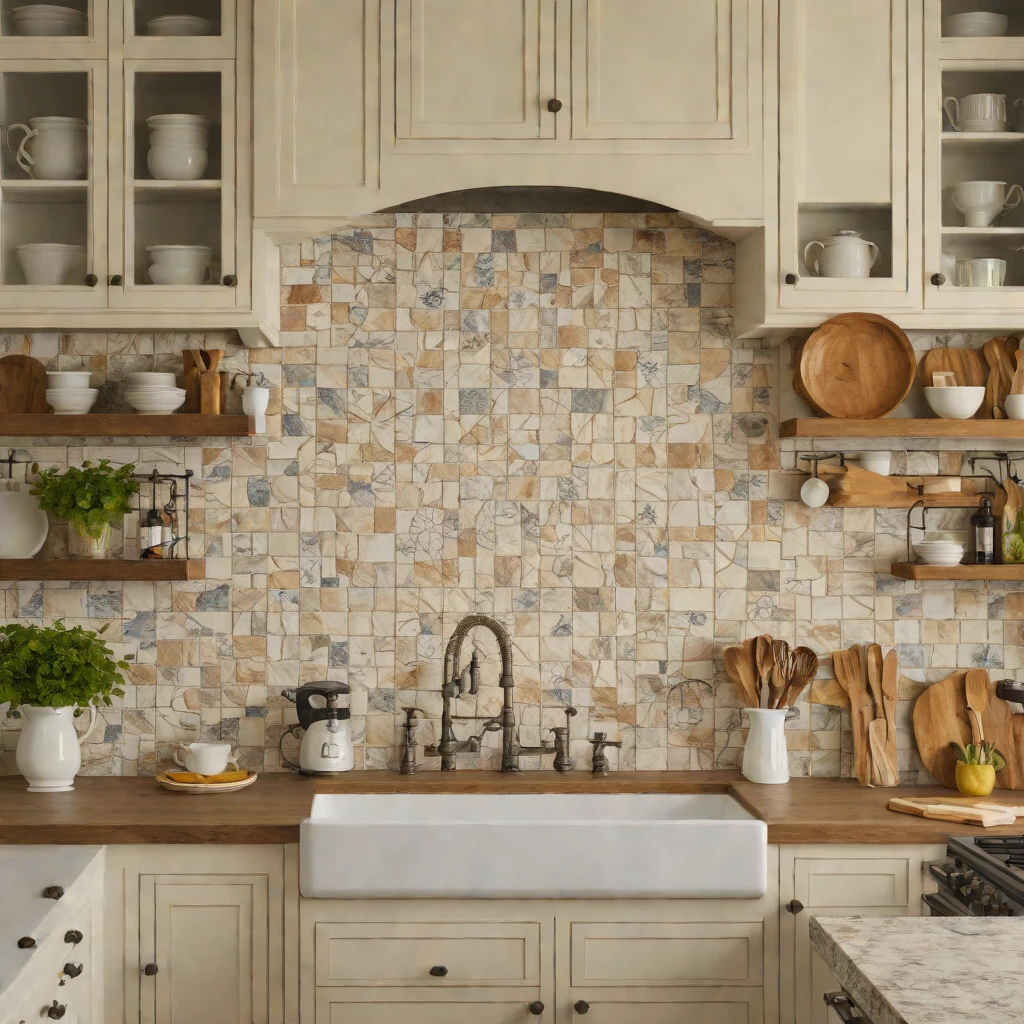
The kitchen, often considered the heart of the home, is where countless memories are made, meals are shared, and daily life unfolds. When it comes to infusing your culinary space with warmth, character, and a welcoming ambiance, the farmhouse kitchen aesthetic stands unparalleled. A critical element in achieving this beloved style, often overlooked in its transformative power, is the backsplash.
Far more than just a protective barrier against splashes and spills, your kitchen backsplash is a prime opportunity to tell a story, add texture, and introduce that undeniable rustic charm that defines farmhouse living. It’s a focal point, an artistic canvas that can either subtly complement or boldly define your entire kitchen’s personality. As an expert in home design and renovation, I’ve seen firsthand how the right backsplash can elevate a good kitchen to a truly exceptional one, particularly within the farmhouse style.
If you’re dreaming of a kitchen that feels both fresh and timeless, where modern comfort meets vintage soul, you’re in the right place. We’re diving deep into five of the most compelling farmhouse kitchen backsplash ideas, each offering a unique way to bring rustic charm into your home. Get ready to discover the perfect backdrop for your culinary adventures.
1. The Enduring Appeal of Classic Subway Tile Backsplash
When you think of a farmhouse kitchen backsplash, the image of subway tile often comes to mind – and for good reason. This classic choice is the chameleon of the design world, effortlessly adapting to various farmhouse sub-styles, from a bright, airy modern farmhouse to a more traditional, vintage-inspired look. Its simplicity is its superpower, providing a clean, crisp backdrop that allows other elements in your kitchen, like natural wood cabinetry or a statement farmhouse sink, to shine.
Why Subway Tile Works for Farmhouse Kitchens
- Timeless Aesthetic: Originating in the early 20th century, subway tile offers a historical nod that aligns perfectly with the farmhouse ethos of heritage and authenticity.
- Versatility: While the standard 3×6 inch glossy white tile is iconic, you can explore different sizes (like longer 2×8 or square 4×4 options for a twist), finishes (matte, beveled, crackle glaze), and even subtle color variations (soft grays, creams, light greens) to customize your look.
- Durability and Maintenance: Ceramic or porcelain subway tiles are incredibly robust, resistant to moisture, and remarkably easy to clean – a practical consideration for any busy kitchen.
Elevating Your Subway Tile Backsplash
To move beyond basic and truly dial up the rustic charm, consider these expert tips:
- Grout Color: This often-overlooked detail can dramatically change the impact. A contrasting dark grout (charcoal or black) with white tiles creates a graphic, almost industrial farmhouse edge, highlighting each tile. A light, matching grout, on the other hand, creates a seamless, softer, and more contemporary feel.
- Installation Patterns: While the traditional horizontal brick lay is beloved, consider a vertical stack for a more modern farmhouse vibe, or a herringbone pattern above your range for a sophisticated focal point.
- Material Nuances: Explore handmade subway tiles. Their slight imperfections, varied textures, and organic edges add an artisanal, bespoke feel that resonates deeply with rustic design. Look for options with a slightly uneven surface or a subtle color variation from tile to tile.
2. The Warmth and Character of Exposed or Faux Brick Backsplash
Nothing says “rustic charm” quite like the raw, earthy texture of brick. A brick backsplash instantly transports your kitchen to a cozy country cottage or a charming renovated barn, imbuing the space with historical depth and an inviting warmth. Whether you opt for authentic brick veneer or a convincing faux alternative, this choice provides an unparalleled sense of character and substance.
Why Brick Works for Farmhouse Kitchens
- Rich Texture: Brick introduces a dynamic, tactile surface that contrasts beautifully with smoother elements like countertops and cabinetry, adding visual interest.
- Historical Authenticity: It evokes images of old farmhouses, industrial lofts, and classic hearths, aligning perfectly with the storytelling aspect of farmhouse design.
- Earthy Color Palette: The natural reds, browns, and grays of brick provide a grounded, organic feel that complements natural wood tones and a variety of color schemes.
Achieving the Perfect Brick Backsplash Look
There are several ways to incorporate brick, each with its own aesthetic:
- Real Brick Veneer: For the most authentic look, thin brick veneers are applied just like tile. They offer genuine texture and color variation. You can choose from reclaimed bricks for true vintage appeal or new bricks with various finishes.
- Whitewashed Brick: For a softer, airier farmhouse feel, consider whitewashing your brick backsplash. This technique allows the texture and underlying color to show through while brightening the space and blending with a lighter color palette.
- Painted Brick: A fully painted brick backsplash (often in white or a soft gray) still retains the wonderful texture of brick but provides a cleaner, more refined, modern farmhouse aesthetic.
- Faux Brick Panels: For DIY enthusiasts or those on a tighter budget, high-quality faux brick panels can offer a surprisingly realistic look with easier installation. Ensure you select panels with convincing texture and grout lines.
Expert Tip: Always seal a brick backsplash, especially in a kitchen environment, to protect it from grease and food stains. A matte or invisible sealer will maintain its natural look while ensuring longevity.
3. Shiplap or Beadboard: Classic Paneling for Country Charm
For a quintessential country farmhouse feel, look no further than shiplap or beadboard paneling. These choices evoke a sense of heritage, craftsmanship, and simple elegance, instantly making your kitchen feel more charming and welcoming. They’re excellent options for extending the wall treatment beyond just the backsplash area, creating a cohesive design that wraps around your space.
Understanding the Differences for Your Farmhouse Kitchen Backsplash
- Shiplap: Characterized by its clean, horizontal lines and small gaps between boards, shiplap offers a more streamlined, slightly more modern farmhouse aesthetic. It originated as exterior siding but gained popularity indoors for its distinctive, rustic look.
- Beadboard: Featuring vertical grooves (the “beads”) that create a series of narrow panels, beadboard has a more traditional, intricate, and cottage-like appeal. It’s often used in wainscoting and can lend a refined vintage touch.
Designing with Paneling Backsplashes
- Classic White: The most common and enduring choice is painted white shiplap or beadboard. This brightens the kitchen, creates a clean backdrop, and pairs beautifully with natural wood accents, dark hardware, and apron-front sinks.
- Natural Wood Tones: For a warmer, more rustic look, consider leaving shiplap or beadboard in a natural wood finish, or staining it a warm tone. This can create a beautiful contrast with painted cabinetry or complement existing wood elements.
- Extending the Look: Unlike tile, shiplap and beadboard are often extended beyond the standard backsplash height, running up to the ceiling or encompassing an entire accent wall. This creates a powerful design statement and reinforces the farmhouse aesthetic.
Installation Notes: Both shiplap and beadboard can be installed by competent DIYers. Ensure they are properly sealed or painted with durable, washable kitchen-grade paint to withstand kitchen conditions. While wood in a kitchen always requires some care, these options bring undeniable rustic character.
4. The Artisanal Beauty of Patterned or Zellige-Style Tile Backsplash
For those who love the rustic charm of farmhouse but wish to inject a unique, artisanal touch or a hint of global influence, patterned tile or Zellige-style tile offers a captivating solution. These options introduce visual depth, subtle texture, and a handcrafted feel that elevates the classic farmhouse look with an intriguing twist.
Why Artisanal Tiles Enhance Rustic Charm
- Handcrafted Appeal: Genuine Zellige tiles, originating from Morocco, are known for their irregularities, varied hues, and imperfect surfaces. This organic quality is inherently rustic and celebrates the beauty of imperfection, a hallmark of true farmhouse design.
- Visual Interest: Even a subtle pattern or the natural variation in a Zellige tile adds immense character without overwhelming the space. It becomes a conversation starter, a piece of art in your kitchen.
- Depth and Texture: Unlike uniform tiles, the natural variations and slight undulations of these tiles catch the light differently, creating a dynamic surface that feels rich and inviting.
Integrating Patterned or Zellige-Style Backsplashes
- Subtle Patterns: Look for patterned tiles that feature muted colors (grays, whites, creams, soft blues) and organic or geometric motifs that aren’t overly busy. Think simple floral designs, subtle quatrefoils, or understated linear patterns.
- Zellige Perfection (and Imperfection): Embrace the authentic beauty of Zellige tile. Their slightly chipped edges, varying thickness, and distinct glaze finishes are part of their charm. Use a minimal grout line to let the tiles’ organic edges define the pattern.
- Strategic Placement: If a full wall of patterned tile feels too bold, consider using it as an accent behind the range, framed by simpler subway tile or shiplap elsewhere. Or, keep the overall palette neutral and let the subtle pattern be the hero.
This approach allows you to retain the core farmhouse elements while adding a layer of sophistication and worldly elegance, creating a truly unique and personalized space.
5. Vintage Charm with Penny Tile Backsplash
For a dose of delightful nostalgia and a truly unique texture, consider a penny tile backsplash. These small, round mosaic tiles harken back to early 20th-century homes, bringing a vintage charm and a playful, yet refined, character that fits beautifully within a farmhouse aesthetic, particularly one leaning towards a retro or cottage-core vibe.
Why Penny Tile Adds Distinctive Rustic Charm
- Unique Texture: The sheer quantity of grout lines with penny tiles creates a finely textured surface that is both visually and tactilely interesting. It’s a departure from larger format tiles and offers a soft, almost scaled appearance.
- Vintage Authenticity: Penny tiles were incredibly popular in historical homes, particularly in bathrooms, and their use in a kitchen immediately evokes a sense of bygone eras and a lovingly preserved space.
- Versatility in Color and Finish: While classic white penny tile with dark grout is iconic, you can find them in various colors (black, gray, blues, greens) and finishes (matte, glossy, iridescent), allowing for customization.
Designing Your Penny Tile Backsplash
- Grout is Key: With penny tiles, the grout color is just as important as the tile itself. A contrasting grout (like dark gray or black with white tiles) will highlight the individual circular shapes, creating a stronger visual pattern. A matching light grout will create a softer, more subtle texture.
- Consider Your Overall Palette: Penny tiles often work best in kitchens that embrace a lighter, brighter palette. They can be paired with white shaker cabinets, butcher block countertops, or vintage-inspired fixtures to complete the look.
- Application Area: Penny tile backsplashes look fantastic stretching from the countertop all the way up to the bottom of upper cabinets or even around a window frame for a truly immersive vintage feel.
While installation can be a bit more intricate due to the small size and numerous grout lines, the end result is a truly distinctive and charming farmhouse kitchen backsplash that stands out from the crowd.
Beyond the Backsplash: Integrating Your Farmhouse Kitchen Design
Your backsplash isn’t an isolated decision; it’s a vital component of your overall farmhouse kitchen symphony. To truly achieve that cohesive, rustic charm, consider how your chosen backsplash interacts with other key elements:
- Countertops: A busy backsplash might pair best with a simpler countertop (like a solid quartz or classic butcher block). Conversely, a subtle backsplash can allow a dramatic granite or marble countertop to take center stage.
- Cabinetry: White shaker cabinets are a farmhouse staple and are incredibly versatile with any of these backsplash ideas. Natural wood cabinets will deepen the rustic feel and pair beautifully with brick or textured tiles.
- Hardware and Fixtures: Introduce vintage-inspired hardware (oil-rubbed bronze, brushed brass, or matte black pulls) and a classic farmhouse sink to reinforce the aesthetic.
- Open Shelving: Floating wooden shelves are a signature farmhouse element. They allow your chosen backsplash to be more visible and provide opportunities to display charming decor.
Choosing Your Perfect Farmhouse Backsplash
With these five compelling farmhouse kitchen backsplash ideas, you have a wealth of inspiration to draw from. As you weigh your options, consider these practical questions:
- What is your desired aesthetic? Do you lean towards modern farmhouse, traditional country, industrial farmhouse, or a charming vintage vibe?
- What is your budget? Materials like authentic Zellige or custom handmade tiles will naturally be at a higher price point than standard subway tile or faux brick.
- How much maintenance are you comfortable with? Some materials, like natural stone or unsealed brick, require more attention than ceramic or porcelain.
- Are you a DIYer or will you hire a professional? Consider the complexity of installation when making your choice.
The beauty of farmhouse design lies in its ability to blend authenticity, comfort, and functionality. Your kitchen backsplash is a powerful tool in crafting this narrative. By carefully considering these ideas, you’re not just choosing a material; you’re designing the backdrop for countless happy memories, infusing your home with a rustic charm that will be cherished for years to come. Dive in, trust your instincts, and create the farmhouse kitchen of your dreams!

No Comments