
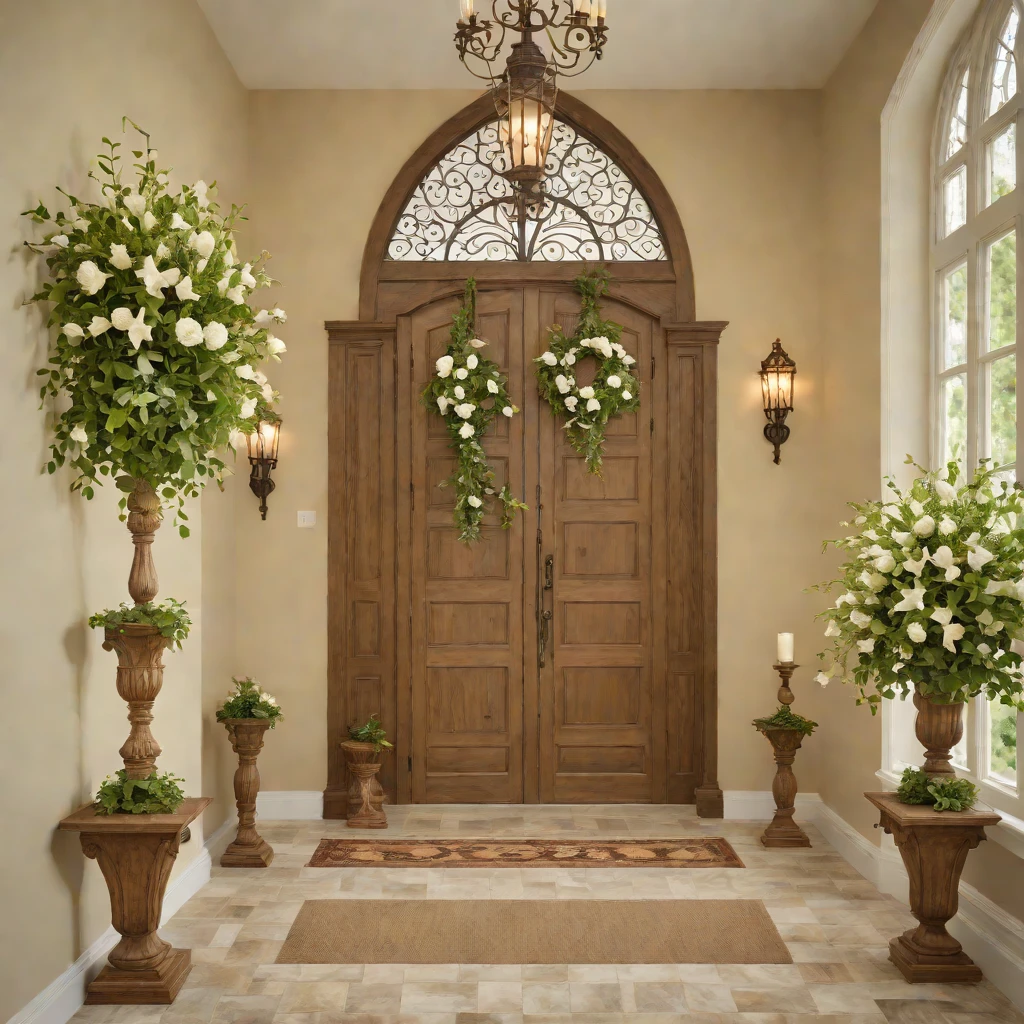
The entryway of any building serves as its handshake, offering the first impression and setting the tone for what lies within. In a church, this role takes on an even deeper significance. It’s not just an entrance; it’s a threshold to community, contemplation, and spiritual solace. A thoughtfully designed church entryway has the profound power to make every single person who crosses it feel seen, valued, and genuinely welcome.
As an expert in creating inviting and functional spaces, I understand that crafting a truly hospitable church entrance goes far beyond mere decoration. It involves a blend of aesthetic beauty, practical functionality, and a profound understanding of the spiritual and communal purpose of the space. It’s about creating an environment that calms the spirit, ignites curiosity, and eases the journey from the outside world into a sacred setting.
Whether your church boasts grand historic architecture or a more contemporary design, these eleven carefully curated ideas will inspire you to transform your entrance into a beacon of welcome and warmth. Let’s explore how to make your church entryway a place where every guest feels right at home, from the moment they arrive.
1. Thoughtful Seating Arrangements: A Place to Pause
Imagine arriving at a new place, perhaps a bit early, or needing a moment to gather your thoughts before entering a service. Comfortable seating in the entryway provides exactly that opportunity. It signals hospitality and invites guests to relax, chat, or simply take a breath.
- Types of Seating: Consider durable, attractive options like sturdy wooden benches, cushioned settees, or a few well-placed upholstered armchairs. Choose fabrics that are easy to clean and maintain, especially in high-traffic areas.
- Placement is Key: Arrange seating in small clusters to encourage conversation, but also ensure ample space for easy movement and accessibility. Near a window offering natural light or a quiet corner can be particularly appealing.
- Beyond Comfort: Seating can also be functional. Benches with built-in storage can discreetly house items, keeping the space tidy and organized.
2. Illuminating with Purposeful Lighting: Setting the Mood
Lighting is one of the most powerful tools in interior design, and in a church entryway, it’s essential for creating a warm, inviting, and safe atmosphere. It guides visitors, highlights architectural features, and can profoundly impact mood.
- Layered Lighting: Combine different types of lighting for depth. Start with general ambient light from tasteful overhead fixtures or recessed lighting. Add decorative elements like elegant wall sconces or a stunning chandelier to draw the eye and add character.
- Warm Tones: Opt for warmer color temperatures (around 2700K-3000K) for light bulbs, which cast a softer, more inviting glow compared to harsh, cool white light.
- Natural Light: Maximize any available natural light. Keep windows clean and consider sheer drapes or blinds that allow light in while offering a touch of softness.
- Dimmers: Install dimmer switches to allow flexibility in adjusting the light levels for different times of day or specific events.
3. The Power of Greenery and Florals: Bringing Life Indoors
Introducing living elements into your church entryway instantly injects vitality, freshness, and a sense of calm. Plants and flowers connect us to nature and symbolize growth and beauty.
- Potted Plants: Select robust, low-maintenance plants that thrive indoors, such as a tall Fiddle Leaf Fig, a lush Peace Lily, or architectural Snake Plants. Place them in attractive, stable planters that complement your church’s aesthetic.
- Fresh Floral Arrangements: A beautiful bouquet of fresh flowers changed regularly speaks volumes. Consider seasonal blooms that reflect the current liturgical season or simply add a burst of color and fragrance.
- Consider Allergies: Be mindful of strong scents or pollens that might trigger allergies. Opt for hypoallergenic plants or unscented floral arrangements.
- Seasonal Rotation: Rotate your plants and flowers with the seasons to keep the look fresh and engaging throughout the year.
4. Curated Welcome and Information Stations: Guiding and Assisting
An organized and intuitive information hub is crucial for helping new guests navigate your church and learn about its community. This ensures no one feels lost or unsure of where to go next.
- A Designated Desk: A well-staffed welcome desk is invaluable. It should be clearly marked and easily accessible. Outfit it with resources like information pamphlets, visitor cards, and perhaps a small, friendly gift for first-time guests.
- Digital or Traditional Displays: Utilize an elegant bulletin board or a modern digital display screen to share service times, upcoming events, and community news. Ensure text is large, clear, and easy to read from a distance.
- Signage: Clear, aesthetically pleasing signage directing guests to restrooms, childcare, and the sanctuary is essential. Use a consistent font and style.
5. Art and Sacred Imagery: Inspiring Contemplation
The entryway is an ideal place to introduce elements that reflect the church’s spiritual mission and inspire quiet reflection or a sense of awe. This is where the aesthetic truly meets the spiritual.
- Religious Art: Consider a beautiful painting, a meaningful sculpture, or a piece of stained glass art that embodies faith, peace, or the church’s specific traditions. Ensure the scale of the art is appropriate for the wall or space it occupies.
- Symbolism: Incorporate subtle or prominent religious symbols that are meaningful to your congregation, such as a tasteful cross, a dove, or a symbol representing your denomination.
- Local Artists: Support local artists by commissioning pieces that resonate with your community’s spirit and identity.
- Placement and Lighting: Strategically place art where it can be appreciated without causing congestion, and use focused lighting to highlight its beauty and detail.
6. Practical Coat Racks and Storage Solutions: Guest Comfort
Especially in climates with varying seasons, providing a place for guests to shed coats, umbrellas, or bags is a practical gesture that significantly enhances comfort and tidiness.
- Elegant Solutions: Move beyond basic hooks. Consider stylish wall-mounted coat racks with ample hanging space, or freestanding hall trees that also offer umbrella stands.
- Discreet Storage: If space allows, incorporate built-in cubbies or a console table with drawers for gloves, hats, or small personal items.
- Accessibility: Ensure coat racks are at a comfortable height for all guests, including children and those using wheelchairs.
- Seasonal Needs: Think about seasonal items. During rainy seasons, a stylish boot tray or umbrella stand can prevent wet floors and keep the entryway cleaner.
7. Thoughtful Flooring and Rugs: Durability Meets Design
The flooring in a church entryway endures significant foot traffic, making durability paramount. However, it also plays a huge role in the overall aesthetic, acoustics, and safety of the space.
- Durable Materials: Options like sturdy porcelain tile, resilient luxury vinyl plank, or natural stone flooring are excellent choices for high-traffic areas. Hardwood floors can be beautiful but require more maintenance.
- Area Rugs: Incorporate large, hard-wearing area rugs in strategic locations to add warmth, absorb sound, and define seating areas. Choose rugs with patterns that can mask minor dirt and with non-slip backings for safety.
- Acoustic Considerations: Rugs and certain flooring types can help absorb sound, preventing echoes and making conversations easier to hear in a bustling entryway.
- Color and Pattern: Select colors and patterns that complement your church’s architectural style and overall color scheme.
8. Signature Scent or Diffuser: A Subtle Sensory Welcome
Scent is a powerful, often overlooked, element of design that can deeply impact how a space feels. A pleasant, subtle aroma can create an instant sense of peace and welcome.
- Subtle and Natural: Avoid anything overpowering or artificial. Think about light, natural scents like a hint of cedarwood, a soft frankincense, clean linen, or a very light floral note.
- Diffusers: Use high-quality essential oil diffusers that can subtly disperse the chosen scent without being overwhelming. Place them discreetly.
- Allergy Awareness: Always consider potential allergies or sensitivities. The goal is a gentle, appealing scent, not one that causes discomfort. Less is always more in this regard.
9. Seasonal and Festive Touches: Reflecting the Calendar
The church calendar is rich with seasons and celebrations. Incorporating timely decor in the entryway can enhance this sense of passage and bring joy to guests.
- Year-Round Appeal: Beyond major holidays, consider simple seasonal touches. For autumn, a display of gourds and natural branches. For spring, pastel flowers and light fabrics.
- Holiday Decor: During Christmas, festive wreaths, garlands, and perhaps a small, tastefully decorated tree can create a joyful atmosphere. For Easter, lilies and vibrant spring flowers are appropriate.
- Tasteful and Timely: Ensure seasonal decor is appropriate, respectful of the spiritual nature of the space, and easy to change out. The focus should always remain on welcome and contemplation, not commercialization.
10. Accessibility and Wayfinding: Ensuring Inclusion for All
A truly welcoming entryway is one that is accessible and navigable for every person, regardless of their physical abilities or age. This is fundamental to hospitality.
- Clear Pathways: Ensure wide, unobstructed pathways that can easily accommodate wheelchairs, strollers, and walkers.
- Ramps and Handrails: If there are steps, ensure there are also well-maintained ramps with sturdy handrails.
- Clear Signage: Beyond general directions, consider signs with large print or tactile elements for those with visual impairments.
- Accessible Furniture: Ensure seating options include chairs that are easy to get in and out of. Consider the height of welcome desks and information displays.
11. The Personal Touch: A Volunteer Greeting Station
While decor sets the stage, the most impactful welcome often comes from a friendly face. A dedicated greeting station, staffed by warm, helpful volunteers, is the ultimate expression of hospitality.
- Friendly Faces: Recruit and train a team of enthusiastic volunteers whose primary role is to greet guests with a genuine smile and offer assistance.
- Information and Guidance: Greeters should be knowledgeable about the church, able to answer common questions, and guide new visitors to various areas like childcare or restrooms.
- Clear Roles: Define the role of greeters clearly, empowering them to make guests feel comfortable and valued from the moment they step inside.
The church entryway is more than just a transitional space; it’s an extension of your community’s heart. By thoughtfully implementing these decor and design ideas, you can transform your entrance into a truly welcoming environment that speaks volumes about the warmth, care, and inclusivity of your church. From the subtle scent that calms the spirit to the friendly face that offers a genuine greeting, every detail contributes to an experience that invites guests to feel at home, find peace, and connect with your faith community.





No Comments