
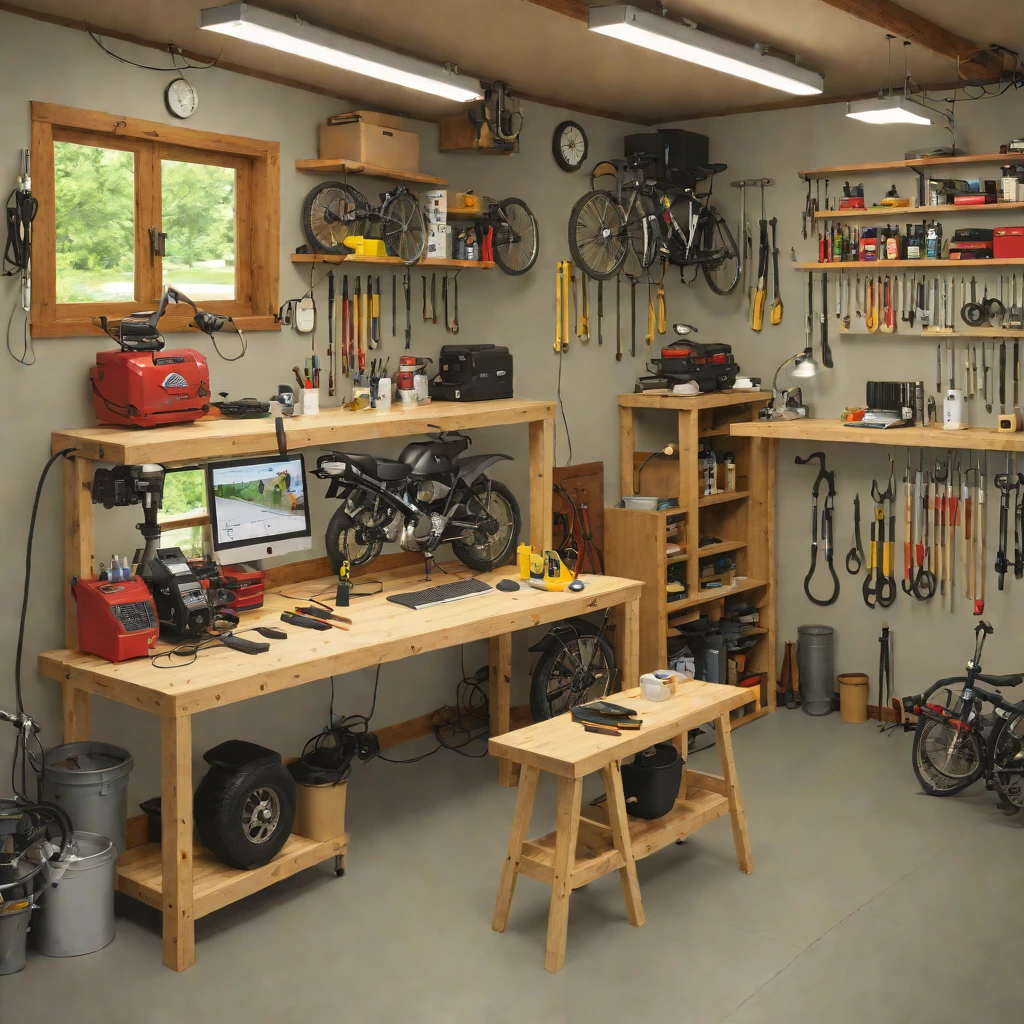
Your garage. For many of us, it starts as a catch-all, a convenient place to toss everything that doesn’t quite fit anywhere else. But what if your garage could be so much more? Imagine a dedicated space where creativity flourishes, projects get tackled with ease, and every tool has its rightful home. We’re talking about transforming that underutilized area into a powerhouse garage shop, a truly functional workspace designed for your passions and productivity.
As an expert in home improvement and functional design, I’ve seen countless garages transition from cluttered chaos to meticulously organized havens. The key isn’t just adding shelves; it’s about strategic planning, smart storage, and ergonomic considerations. You’re not just building a workshop; you’re investing in your hobbies, your home’s functionality, and your sanity. Let’s dive into 13 essential garage shop ideas that will help you create a workspace that’s as efficient as it is inspiring.
1. Define and Zone Your Workspace
Before you lift a hammer, map out your garage’s potential. Think about the types of activities you’ll be doing. Will you be woodworking, metalworking, automotive repairs, or perhaps a mix of everything? Dividing your garage into distinct zones is the foundation of any functional shop.
- Dirty Zone: For cutting, grinding, sanding, and anything that generates dust or debris. This area should ideally be near an exterior door or window for ventilation.
- Clean Zone: For assembly, finishing, precise work, or even computer-aided design. Keep this area as dust-free as possible.
- Storage Zone: For bulk materials, less frequently used tools, and household items.
- Assembly Zone: Often centered around your main workbench, with clear space around it for maneuvering projects.
This initial planning helps you optimize your workflow, minimize cross-contamination between tasks, and make the most of every square foot of your garage.
2. Invest in a Robust Workbench
Your workbench is the heart of your garage shop. It needs to be sturdy, level, and appropriately sized for your projects. Don’t underestimate the importance of a good work surface. Consider these features:
- Sturdy Construction: A heavy-duty frame (steel or solid wood) is crucial to prevent wobble.
- Durable Top: A maple butcher block top is popular for its durability and repairability. Alternatively, a thick MDF or plywood top is a more budget-friendly option.
- Integrated Storage: Drawers and shelves underneath keep frequently used tools within arm’s reach.
- Vises and Clamps: Built-in vises or dedicated clamping areas make many tasks significantly easier and safer.
- Adjustable Height: If possible, opt for a workbench with adjustable legs to suit different tasks and personal ergonomics.
3. Maximize Vertical Storage with Walls
The walls of your garage are prime real estate for storage. Getting tools off the floor is transformative for both organization and safety. Forget just a few hooks; think integrated systems.
- Pegboards: The classic choice for a reason. Pegboards offer incredible flexibility for hanging hand tools, small power tools, and frequently used items. They allow you to reconfigure layouts as your tool collection grows.
- Slatwall Systems: A more robust and visually appealing alternative, slatwall systems use specialized panels and a wider range of hooks, bins, and shelves to accommodate heavier items and offer a cleaner look.
- Open Shelving: For bulkier items, project boxes, or storage bins, open industrial-grade shelving units are invaluable. Make sure they are bolted to the wall for safety.
4. Implement Smart Cabinetry and Drawers
While open shelving is great for visibility, enclosed storage protects your tools from dust, grime, and moisture, prolonging their life. Cabinets also contribute to a cleaner, more organized aesthetic.
- Base Cabinets: Provide stable work surfaces and ample storage for larger tools or chemicals.
- Wall-Mounted Cabinets: Keep less frequently used items stored away neatly, freeing up floor space.
- Drawer Units: Essential for organizing small parts, fasteners, and specific tool sets. Look for cabinets with smooth-gliding, heavy-duty drawer slides.
- Custom or Modular Systems: Many manufacturers offer modular garage cabinet systems that can be customized to your specific needs and can grow with your workshop.
5. Embrace Mobility with Rolling Carts and Workstations
Static workstations can be limiting. Mobile units bring your tools and work surfaces directly to where they’re needed, enhancing flexibility and efficiency in your garage shop.
- Mobile Workbenches: A secondary, smaller workbench on heavy-duty casters can be rolled next to your main project or out into the driveway for messier tasks.
- Tool Carts: Rolling carts designed to hold specific power tools (like miter saws or planers) keep them accessible yet easily stored.
- Storage Carts: Utility carts for fasteners, paint supplies, or project-specific items can follow you around your workspace.
Look for sturdy casters that lock securely to prevent unwanted movement during use.
6. Design for Optimal Lighting
Good lighting is paramount for safety, precision, and comfort in any workshop. A dimly lit garage is an invitation for mistakes and eye strain.
- Ambient Lighting: Bright, even overhead lighting is crucial. High-output LED shop lights are energy-efficient and provide excellent illumination. Aim for at least 80 lumens per square foot.
- Task Lighting: Supplement ambient light with focused task lighting at your workbench, drill press, or other specific work areas. Adjustable arm lamps or strip lights mounted under wall cabinets are excellent options.
- Color Rendering Index (CRI): Choose lights with a high CRI (85+) for accurate color perception, especially important for painting or finishing projects.
7. Plan for Ample Power Outlets
Few things are more frustrating than hunting for an outlet or running extension cords all over your garage. Think ahead about where you’ll need power.
- Strategically Placed Outlets: Install outlets generously along your workbench, near major power tools, and in your “dirty” zone.
- Dedicated Circuits: Consider dedicated 15-amp or 20-amp circuits for power-hungry tools like table saws or air compressors to prevent tripping breakers.
- 220V Outlets: If you plan on using heavy-duty machinery (e.g., welders, large air compressors), you’ll need a dedicated 220V circuit.
- Overhead Power Reels: Retractable power reels mounted on the ceiling provide power exactly where you need it without cords cluttering the floor.
8. Implement Dust Collection and Ventilation
Working in a garage shop often means generating dust, fumes, and particulates. Protecting your respiratory health is non-negotiable.
- Dust Collection System: For woodworking, a dedicated dust collection system with blast gates connecting to your major tools (table saw, miter saw, sanders) is vital. Supplement this with a good shop vacuum for cleanup.
- Air Filtration: An ambient air filtration unit mounted from the ceiling will capture fine airborne dust particles, significantly improving air quality.
- Ventilation: An exhaust fan, ideally near your dirty zone or an exterior wall, helps remove fumes from painting, welding, or chemical use. Ensure you have adequate fresh air intake when ventilating.
9. Upgrade Your Garage Flooring
The right flooring can dramatically improve the aesthetics, safety, and comfort of your garage shop. Concrete is tough, but it’s cold, hard on your joints, and easily stained.
- Epoxy Coatings: A durable, chemical-resistant, and easy-to-clean solution. Epoxy coatings come in various colors and can significantly brighten your space. Proper surface preparation is key for longevity.
- Interlocking Tiles: Rubber, PVC, or polypropylene tiles offer cushioning, slip resistance, and easy installation. They can be replaced individually if damaged.
- Carpet Tiles: For a “clean” assembly or finishing zone, durable commercial-grade carpet tiles can provide warmth and cushioning, though they’re not ideal for heavy-duty dirty work.
10. Consider Climate Control and Insulation
Unless you live in a perpetually mild climate, controlling the temperature in your garage will make it a far more enjoyable and usable workspace year-round. Extreme temperatures can also affect tools and materials.
- Insulation: Insulate your garage doors, walls, and ceiling. This is the first and most impactful step to regulate temperature.
- Heating: Options include radiant heaters, forced-air propane/natural gas heaters, or electric garage heaters.
- Cooling: A portable air conditioner or a mini-split AC unit can provide effective cooling.
- Dehumidifier: In humid climates, a dehumidifier protects tools from rust and keeps the air more comfortable.
11. Integrate Soundproofing for Focus and Neighborhood Peace
Power tools can be incredibly loud, not just for you but for your family and neighbors. Soundproofing elements can create a more pleasant environment.
- Insulation: As mentioned, insulation helps dampen sound.
- Mass Loaded Vinyl (MLV): This heavy, flexible material can be added to walls and doors to block sound transmission.
- Acoustic Panels: Strategically placed acoustic panels (often foam or fabric-wrapped fiberglass) can absorb sound within the room, reducing echo and reverberation.
- Sealed Doors and Windows: Ensure your garage door and any windows seal tightly to prevent sound leaks.
12. Create a Dedicated Safety Station
Safety is paramount in any workshop. Having essential safety gear readily accessible and visible is not an option; it’s a necessity.
- Fire Extinguisher: A clearly marked, easily accessible ABC-rated fire extinguisher is a must. Ensure everyone who uses the shop knows how to operate it.
- First Aid Kit: Stock a comprehensive first aid kit with bandages, antiseptic wipes, pain relievers, and any personal medications.
- Eye and Ear Protection: Store safety glasses, face shields, earmuffs, and earplugs prominently near entry points or specific tool stations.
- Emergency Shut-Offs: Know where your main circuit breaker is and consider installing clearly labeled emergency stop buttons for major power tools.
13. Optimize Bulk Material Storage
Lumber, sheet goods, and other raw materials can quickly become a tripping hazard if not stored properly. Think smart and safe.
- Vertical Lumber Racks: For storing long boards, vertical racks keep them off the floor and easily accessible.
- Sheet Goods Storage: Build or buy a dedicated rack for plywood, MDF, and other sheet materials. Vertical or horizontal sliding racks are excellent space-savers.
- Bin Storage: For offcuts, smaller pieces of wood, or metal scraps, use clearly labeled bins to keep things organized and prevent waste.
- Overhead Storage: If your ceiling height allows, consider overhead racks for storing less frequently used or seasonal items, freeing up valuable floor space.
Transforming your garage into a functional workspace is one of the most rewarding home improvement projects you can undertake. It’s more than just a place to store tools; it’s a dedicated space for innovation, creativity, and getting things done. By implementing these 13 garage shop ideas, you’ll create an environment that’s organized, efficient, safe, and truly an extension of your passion. So, roll up your sleeves, start planning, and get ready to enjoy the ultimate garage workshop you’ve always dreamed of.




No Comments