Table of Contents
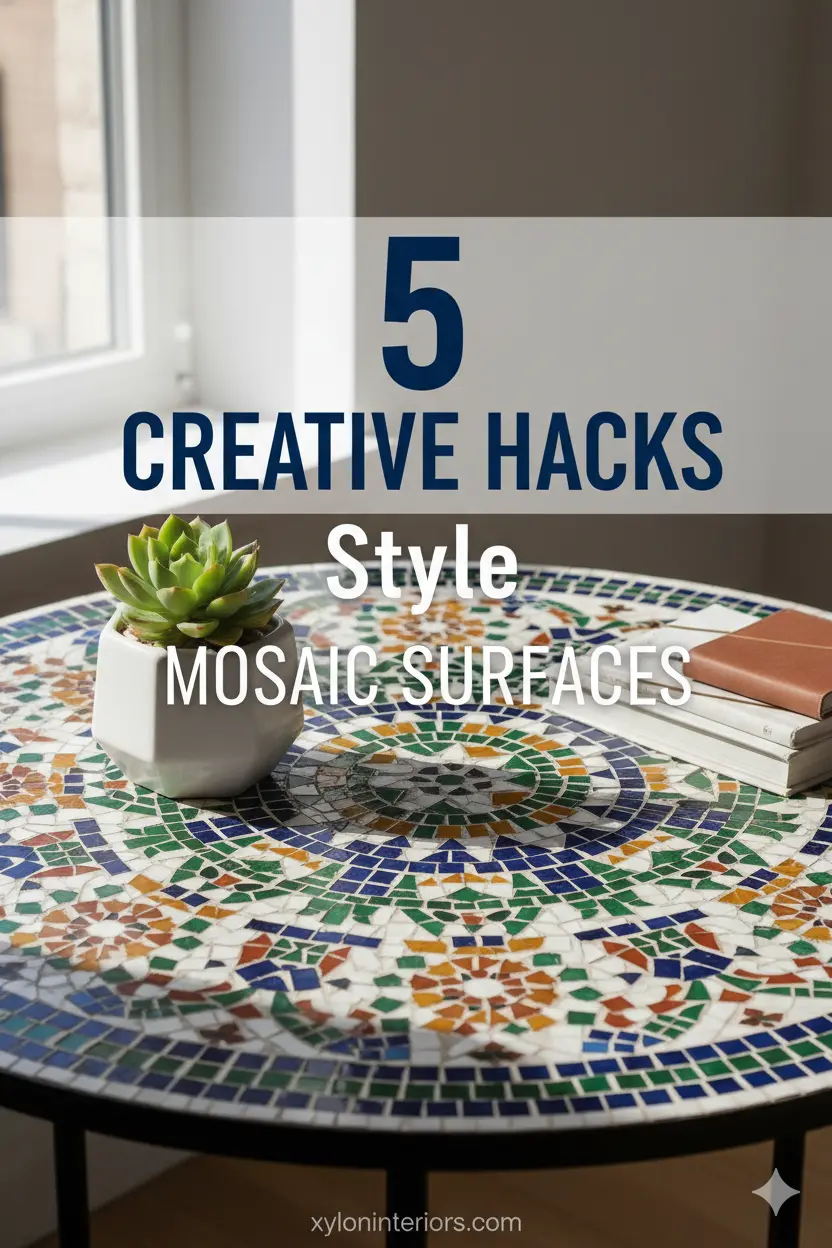

1. Upcycle broken china into a café-style tabletop.
2. Use peel-and-stick mosaic sheets when you cannot mess with grout.
3. Refresh a thrifted mosaic piece with paint-over grout.
4. Cast an outdoor table using a concrete stepping-stone and glass gems.
5. Swap in magnetic mosaic inserts for a flexible coffee table top.
We all have chipped plates hiding in the back of a cabinet or stumble on pretty saucers at estate sales. Those fragments give you color variety without buying new tiles. The result looks collected and personal, not store-bought.
• Gather dishes: Porcelain and stoneware break into smooth chunks. Avoid tempered glass; it is too hard to shape.
• Protect yourself: Wrap plates in an old towel before tapping with a hammer. Safety goggles matter here.
• Plan the pattern: Spread the pieces face up on the table. Shuffle colors until the surface feels balanced.
• Adhere: For an indoor table, regular tile adhesive or even heavy-duty craft glue works. Outdoors, choose exterior-grade thinset.
• Grout and seal: Sanded grout fills big gaps between irregular shards. Once dry, wipe haze and finish with a stone sealer.
“My morning espresso feels like it came from a Paris sidewalk café, and all it cost was the price of grout.” — Lara P., small-space renter
A bistro table in the breakfast nook, a plant pedestal in the bathroom, or the lid of a garden storage box. Each location benefits from a hardwearing surface that forgives water spots and soil sprinkles.
Not everyone can add permanent grout lines. Landlords prefer reversible fixes, and many of us do not love cleanup. Peel-and-stick mosaic sheets answer both pain points.
• Choose textured sheets: Ones with mixed glass and stone avoid the “vinyl sticker” vibe.
• Trim carefully: Use a fresh utility blade and metal ruler so edges butt tightly with no gaps.
• Create a picture-frame border: Paint the table edge a contrasting color first. It tricks the eye into thinking the surface is inlaid.
• Finish with a resin topcoat: A thin pour of clear countertop epoxy locks everything down yet peels up clean later with heat from a hair dryer.
Wipe spills promptly, as the seams are shallow. If a corner lifts, dab a bit of contact cement, press for 30 seconds, and you are back in business.
Old grout darkens and dates the whole piece. Re-grouting means chiseling and dust everywhere. Instead, specialty grout paint (sold near tile supplies) covers stains in one afternoon.
• Deep clean: Scrub the surface with dish soap and baking soda. Let it dry well.
• Tape the edges: Mask wood or metal parts so the paint stays in the joints.
• Apply grout paint: Work it into lines with a narrow artist’s brush. Wipe excess from tiles with a damp rag.
• Cure and seal: Most products dry in 30 minutes; add a water-based polyurethane for tables that see heavy use.
“Changing the grout from muddy brown to crisp white brightened our hallway console more than a new lamp ever could.” — Jorge M., first-time homeowner
Existing mosaic tops on side tables, pastry boards, or decorative trays. This hack revives what you already own, slashing waste and cost.
Concrete stepping-stones come cheap at garden centers. Pair one with an old stool base and glass gems from the craft aisle, and you gain a weatherproof, sparkling patio table.
• Seal the paver first: It keeps moisture from wicking into the adhesive.
• Layout: Create a sunburst using flat-bottomed glass gems, sea glass, or leftover pool tile.
• Adhesive: A bead of exterior construction adhesive behind each gem does the trick.
• Skip traditional grout: Smooth in premixed sanded caulk. It stays flexible through freeze-thaw cycles.
• Attach to base: Heavy-duty epoxy or L-brackets secure the stone to metal or wood legs.
Rinse with a hose seasonally. If a gem pops off after a harsh winter, re-adhere in seconds. The surface grows better with age as micro-stains blend into the concrete.
Sometimes you crave the look of mosaic only part of the year. Magnetic inserts slide into a shallow recess on your existing table. Swap them out like art prints.
• Create a thin plywood insert: Cut it to the inner dimensions of the coffee table recess.
• Embed rare-earth magnets: Drill shallow holes and glue the magnets flush with the surface.
• Apply your mosaic: Lightweight glass tile sheets keep the insert manageable. Use thinset and unsanded grout.
• Seal and label the back: A quick note about orientation helps you drop it in without guesswork.
• Store extras safely: Slide unused inserts under the sofa wrapped in felt.
One panel can shout boho color for summer parties while a calm neutral insert steps in during fall. You only create each mosaic once but enjoy multiple looks. A friend of mine rotates three different tops depending on holiday décor.
• Tight on money? The grout-paint refresh costs under ten dollars.
• No tools or time? Peel-and-stick sheets win.
• Outdoor durability? Concrete paver tables handle rain and frost.
• Sentimental value? Upcycling china showcases family history.
• Need flexibility? Magnetic inserts adapt to every season.
If you want more visual examples, Xylon Interior often shares finished rooms that feature these same tricks, each with step-by-step photos.
Mosaic surfaces look complex, yet they are simply tiny pieces coming together to form a bigger story—much like our homes. You do not need to overhaul an entire room. Start with a side table or a plant stand. See how the color lifts the mood. See how the reflective tiles bounce a sliver of sunlight onto the wall. Small wins like these build decorating confidence. Gather a few old dishes, a tube of grout, or a roll of peel-and-stick tile and give one of these Mosaic Table Top Ideas a try. Your future self sipping coffee at that glimmering table will thank you.

Written by Xylon Interior — your trusted source for design inspiration, décor ideas, and professional interior styling tips.



No Comments