Table of Contents
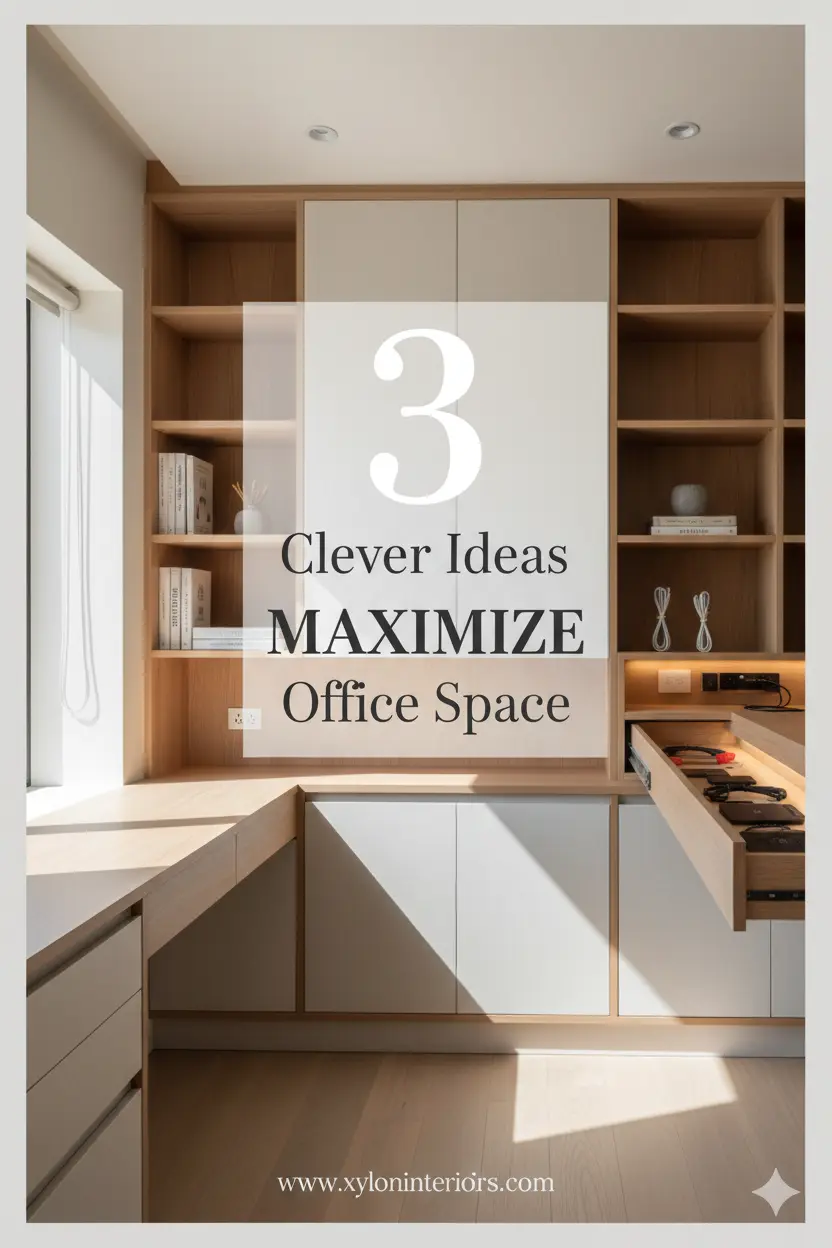

Let’s look at each idea in depth and see how you can make it work in your home.
Homes rarely suffer from too much floor space. More often the unused real estate is the wall above eye level. A floor-to-ceiling bank of shelving and cabinets anchors your desk, supplies a spot for every stapler, and draws the eye upward so the room feels taller. Think of it as a kitchen pantry for your office life.
1. Measure first. Grab a tape measure before you fall in love with inspiration photos. Note ceiling height, outlet placement, and any thermostat or vent that could interfere with cabinetry.
2. Pick the framework. Custom millwork is wonderful, but you can also bolt together ready-made kitchen cabinet boxes from the hardware store. Secure them to studs, add filler strips to close gaps, then top with simple crown molding for a built-in look.
3. Mix open and closed storage. Closed doors hide paper piles, while open cubbies display books and a plant or two. The mix keeps things functional and visually lighter than a solid wall of doors.
If you cannot screw into the walls, opt for a freestanding shelving unit that reaches almost to the ceiling. Anchor it with museum putty and furniture straps for safety, but plan to remove it later without patches. Add labeled bins so you can lift everything out in minutes at move-out time.
• Paint the inside backs of shelves a muted color pulled from a rug to give depth.
• Use cord grommets in the desktop so wires disappear into the cabinets below.
• A battery puck light under the highest shelf brightens Zoom calls without desk lamps eating space.
Nobody wants to stare at spreadsheets during dinner. A desk with doors or a lift-up top lets you transition a shared space from “office” to “home” in thirty seconds. Look for secretary desks, console tables with file-depth drawers, or a wall-mounted drop-leaf that folds flat when not in use.
• Window bench with drawers. Slide office supplies under a cushion and gain an extra seat.
• Ottoman file box. It props up tired feet by night, holds hanging folders by day.
• Board-game-style portfolio boxes. They sit on a bookshelf like novels but store tax paperwork.
I once converted a standard wardrobe into a sleek office armoire for under two hundred dollars. We added a pull-out keyboard tray, drilled grommets for cables, and used stick-on LED strips. Doors closed, mess gone.
“Small changes beat grand plans you never start.”
— A reminder I give nervous DIYers
Even double-duty furniture can look piecemeal unless you flank it with shallow Home Office Built Ins. Two twelve-inch-deep bookcases trimmed to the ceiling turn a simple cabinet desk into a cohesive wall unit, adding storage without crowding the room.
Hallway linen closet, stair landing, the dead space under a dormer window—almost every house hides a niche that can be reimagined. Close the door or draw a curtain and you have separation from the rest of life’s bustle.
1. Remove the rod and upper shelf.
2. Install a sturdy desktop at standard height—twenty-nine inches works for most adults.
3. Add vertical side strips with adjustable shelf pins so you can reconfigure storage later.
4. Mount a power strip to one stud, run cables through a grommet hole, and attach a motion-sensor light.
5. Finish edges with simple lattice trim for a built-in feel.
A paint grade plywood desktop, brackets, and trim usually run under one hundred dollars. The entire project is a solid Saturday for a confident DIYer, or half a day for a handyman. Compared with buying a new desk, it is often cheaper and fits the space perfectly.
If you are renting, do not remove the closet guts permanently. Build the desk on a pair of sturdy shelf brackets you can unscrew later, and save the old rod on top of the wardrobe. When you leave, patch the bracket holes and pop the rod back up.
• Line the back wall with peel-and-stick wallpaper for depth.
• Hang a small cork board for quick pin-ups.
• Use a slim sound bar under the shelf for focus playlists without extra desk clutter.
The size of your house does not determine the quality of your workspace. With thoughtful Home Office Built Ins and a willingness to rethink what each inch can do, you can carve out storage, focus, and style almost anywhere. Start small—maybe one tall bookshelf or a drop-front desk—then layer on upgrades as needs grow. Your back will thank you, your family will appreciate the cleared dining table, and your mind will feel lighter the next time you shut the laptop for the evening.
I have watched people boost productivity and peace of mind by making even tiny changes like these. If you get stuck, browse the project galleries at Xylon Interior, where you can spot real homes solving the same challenges you face.
Remember, progress beats perfection. Pick one idea, give it a weekend, and enjoy the extra breathing room.

Written by Xylon Interior — your trusted source for design inspiration, décor ideas, and professional interior styling tips.





No Comments