
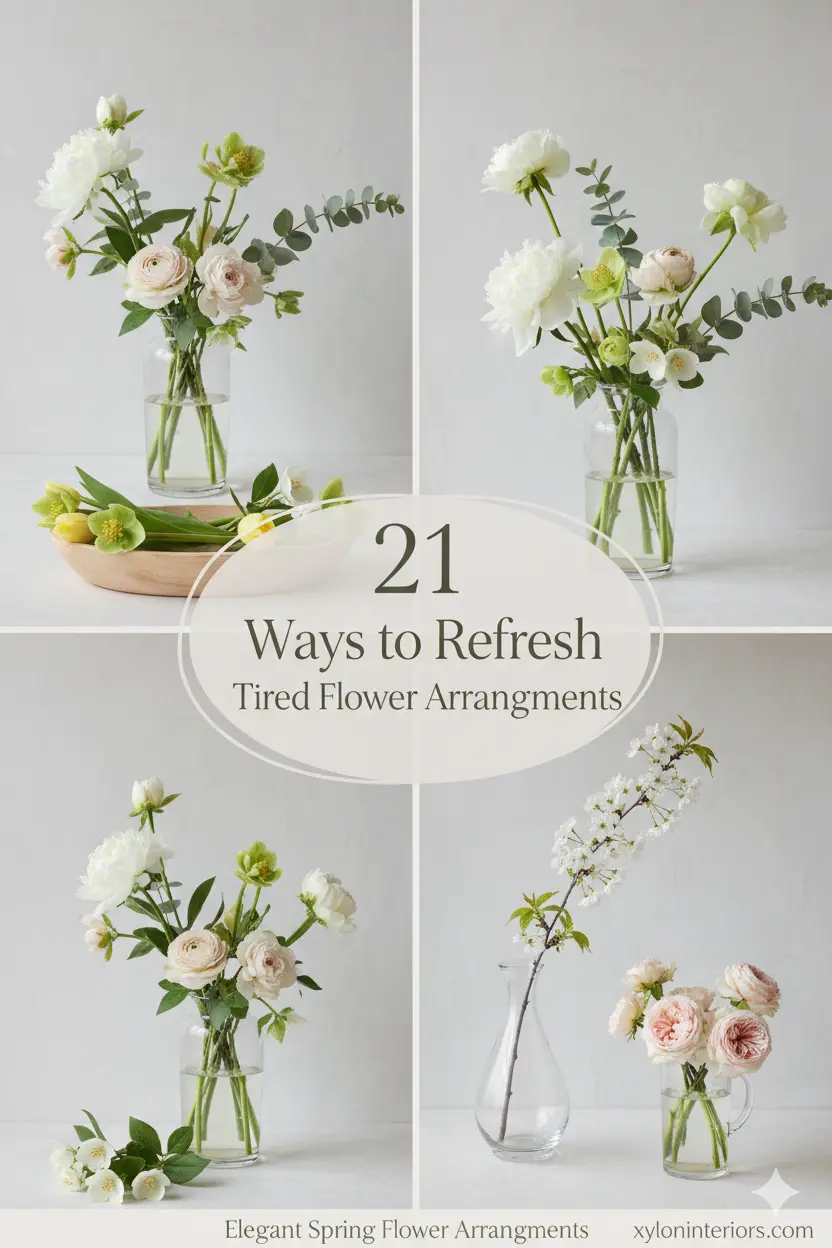
There is a quiet little heartbreak that happens when you walk past a vase of flowers that has clearly seen better days. A few drooping stems, cloudy water, petals on the table. Suddenly that bright spot you loved a week ago now makes the room feel a bit… tired.
You don’t always want to toss the whole thing and start over. Maybe the flowers were a gift. Maybe you’re on a budget. Or maybe you just hate wasting anything that still has some life in it. The good news is, with a few simple tweaks, those “end of life” blooms can often turn into fresh, elegant spring flower arrangements that feel completely new.
In real homes, we don’t live with perfectly styled, brand-new bouquets every day. We live with flowers that get moved from the dining table to the kitchen, trimmed a few times, and end up in a small bud vase in the bathroom. That’s normal. The trick is knowing how to refresh and re-style them in ways that look intentional instead of “I gave up.”
This guide walks you through 21 practical ideas that work just as well in a small apartment as they do in a big family home. No special training, no fancy tools. Just a little creativity, a few smart tricks, and a gentle reset for what you already have.
“Flowers don’t have to be perfect to be beautiful. They just need someone willing to see what’s still alive in them.”
Quick Overview: 21 Ways To Refresh Tired Arrangements
Before we dive into the details, here’s a simple snapshot of what you can do with a tired bouquet:
- 1. Edit ruthlessly: Remove wilted stems and rebuild something smaller but fresher.
- 2. Trim and tighten: Give shorter, cleaner stems a new life in a smaller vase.
- 3. Change the vase: Swap to a different container to instantly change the style.
- 4. Split one bouquet into many: Create mini arrangements for different rooms.
- 5. Refresh the water: Clean vase, fresh water, simple conditioning tricks.
- 6. Add grocery store fillers: Mix in inexpensive greenery or baby’s breath.
- 7. Bring in branches and garden clippings: Combine store-bought flowers with what’s outside.
- 8. Create a low, lush centerpiece: Rebuild the bouquet into a wide, low arrangement.
- 9. Make a bedside or bathroom bud vase: Keep the best stems where you’ll really see them.
- 10. Remove outer petals on roses: Clean up “bruised” blooms for a fresher look.
- 11. Play with color groupings: Regroup by color for a more intentional design.
- 12. Add a single dramatic stem: One new bloom can reset the whole look.
- 13. Style around the arrangement: Use books, trays, and candles to frame the flowers.
- 14. Move the flowers to a better spot: Lighting and location can fix more than you think.
- 15. Turn leftovers into a kitchen herb mix: Pair remaining flowers with fresh herbs.
- 16. Float loose heads in a shallow bowl: Give broken or short blooms a calm new home.
- 17. Dry what’s worth keeping: Hang or press stems that age gracefully.
- 18. Lean into a minimal, sculptural look: Use fewer stems with more breathing room.
- 19. Tuck flowers into unexpected spots: Entry table, coffee bar, window ledge, nightstand.
- 20. Coordinate with textiles and decor: Match or softly contrast nearby pillows, art, or throws.
- 21. Start a simple refresh routine: Build small weekly habits so flowers last longer.
Now let’s walk through each of these ideas, step by step, with real-life examples for the spaces you actually live in.
1. Start With a Gentle Edit: Keep Only What’s Truly Fresh
When an arrangement starts to look sad, most people either ignore it or throw everything out. There is a better middle ground.
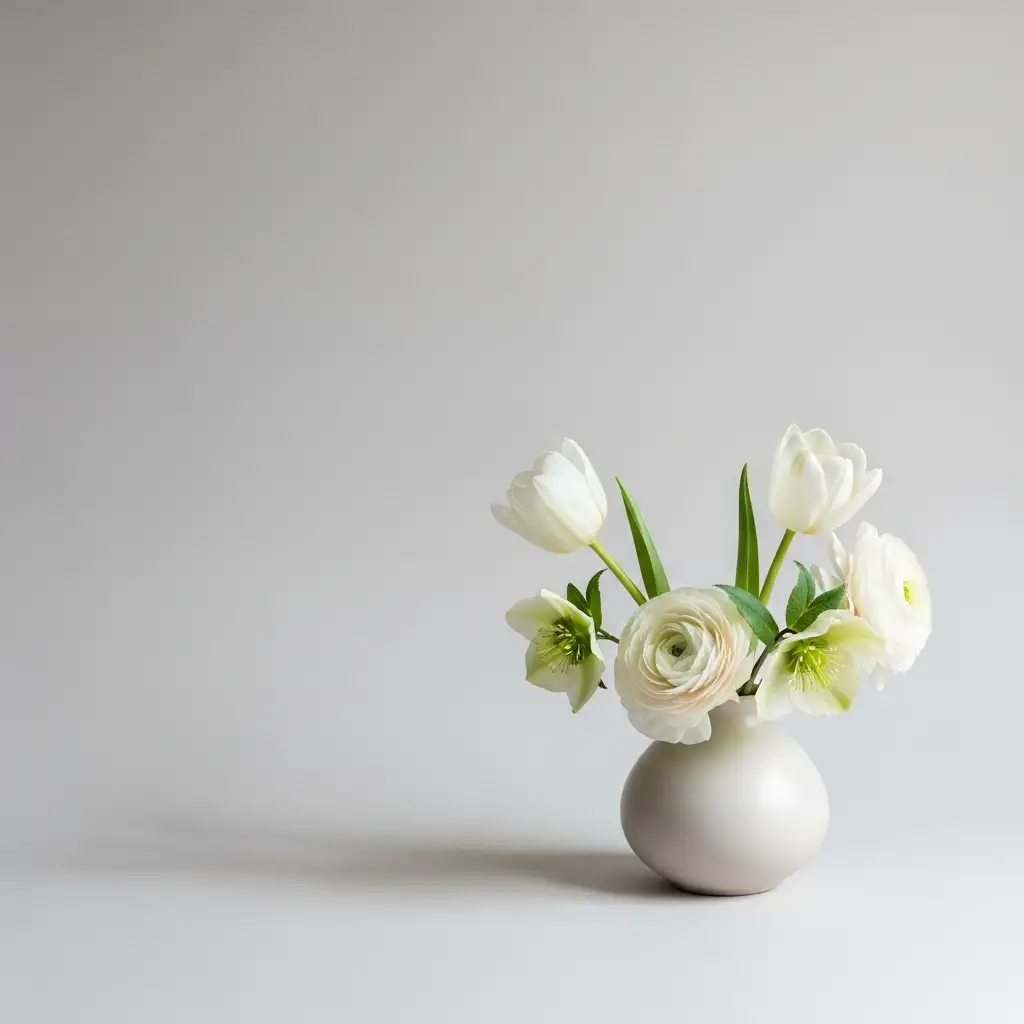
Set the arrangement in your sink or on a towel. Take each stem out and lay them on the counter. Look at them one by one. Keep anything that is:
- Still firm to the touch
- Holding its shape, even if it’s a bit open
- Not brown, soggy, or smelly at the base
Be honest with the ones that are clearly done. Stems that turn the water cloudy or smell “off” will make the rest fade faster. Remove them, no guilt. You are not being wasteful. You are rescuing the flowers that still have a few good days left and giving them a proper last chapter.
That first edit alone will often make the whole bundle feel lighter and more elegant. Suddenly you can see what you actually have to work with for your next arrangement.
2. Shorten Stems And Downsize The Vase
One of the easiest ways to revive tired flowers is to cut them shorter. Flowers work harder when they have to pull water up a long stem. If buds are drooping, trimming can give them a second wind.
How To Do It
- Use sharp scissors or kitchen shears.
- Cut about 1 to 2 cm off the stem at an angle under running water, or in a bowl of water if you can. This helps them drink better.
- Remove any leaves that would sit below the water line.
Then switch to a smaller vase, jar, or even a drinking glass. A tall, half-empty vase will always look a bit sad. A smaller container makes the flowers feel intentional and lush again, even if you have fewer stems.
This works beautifully on:
- Coffee tables: A short, full arrangement won’t block the TV or conversation.
- Nightstands: Lower flowers feel more restful and less in-your-face when you wake up.
- Bathroom counters: Short stems in a tiny vase tuck easily beside the soap dish.
3. Change The Vase To Change The Mood
Sometimes the flowers are fine. The container is what feels tired.
If your bouquet came in a standard florist vase, try experimenting with what you already have around the house:
- A simple clear drinking glass for a clean, modern look
- A wide mixing bowl for a low, lush centerpiece
- A ceramic pitcher for a cottage or farmhouse feel
- A vintage jar for a casual, collected vibe
For elegant spring flower arrangements in a living room, a textured ceramic or stoneware vase often looks more designed than plain glass. In the kitchen, flowers in a white or cream pitcher can instantly feel like part of your everyday routine, not an “extra.”
You’re not just refreshing the flowers. You are reframing them.
4. Split One Tired Bouquet Into Multiple Mini Arrangements
A big, half-wilted bouquet in the center of the dining table has a certain defeated energy. Break it apart and the whole house benefits.
Where To Use Mini Arrangements
- Entryway: One or two stems in a skinny vase on the console table.
- Kitchen: A few sprigs near the sink or beside your coffee maker.
- Bathroom: A tiny bud vase on the vanity or toilet tank.
- Bedroom: A single flower on your nightstand or dresser.
Instead of one tired arrangement you walk past and sigh, you get small pockets of life that greet you in different rooms. This is especially nice in smaller homes or apartments where every corner is visible from somewhere else. The effect feels subtle, calm and thoughtful.
5. Give The Water And Vase A Deep Clean
Cloudy water is an instant “this is past its moment” signal. It also shortens the life of anything you’re trying to rescue.
Simple Conditioning Steps
- Pour out old water.
- Wash the vase with warm soapy water and a bottle brush or sponge.
- Rinse very well. Any residue matters.
- Refill with cool water.
- Add a tiny pinch of sugar and a few drops of clear vinegar or lemon juice if you don’t have flower food.
This small reset can give your revived stems several extra days. For arrangements in hot, bright rooms like sunny kitchens or south-facing living rooms, change the water every 1–2 days whenever you can.
6. Add Affordable Filler From The Grocery Store
If your original bouquet is feeling thin after you remove wilted stems, don’t be afraid to bulk it up with something inexpensive. You don’t need more roses to make it feel full again.
Look for:
- Eucalyptus
- Wax flower
- Baby’s breath
- Greenery bundles labeled as “filler”
- Even plain fern or leafy greens
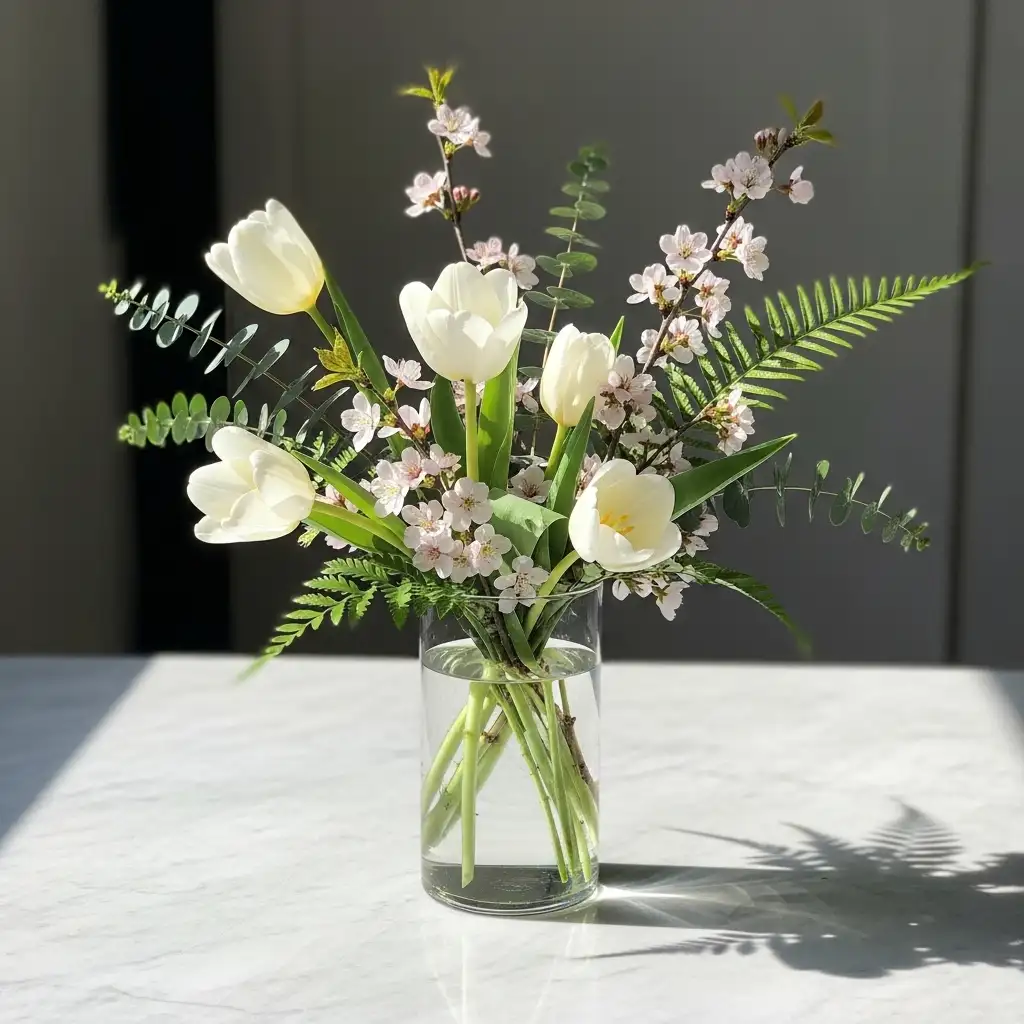
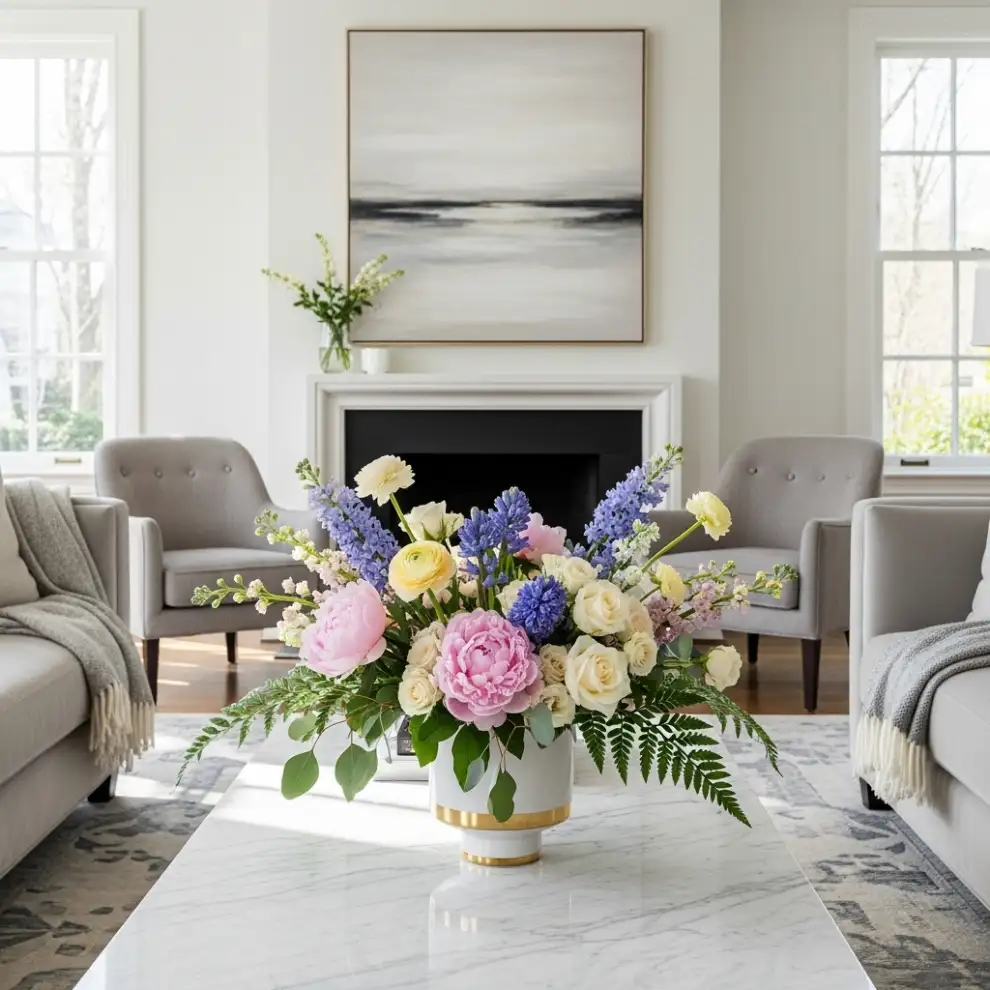
In the living room, combining a few leftover tulips or roses with generous greenery can create elegant spring flower arrangements that feel surprisingly high-end. The greenery softens everything and distracts from the fact that the main flowers are not brand-new.
In more modern or minimalist spaces, you can even go heavy on the greenery and keep only a few blooms as small accents. It feels calm and intentional, not “I’m hiding old flowers.”
7. Mix Store-Bought Flowers With Your Garden Or Yard
If you have any plants outdoors or even a balcony with herbs, you already have a secret resource for refreshing tired flowers.
You can cut:
- Small leafy branches
- Snips of lavender or rosemary
- Flowering weeds that look pretty when trimmed short
- Branches with tight buds that will open in a day or two
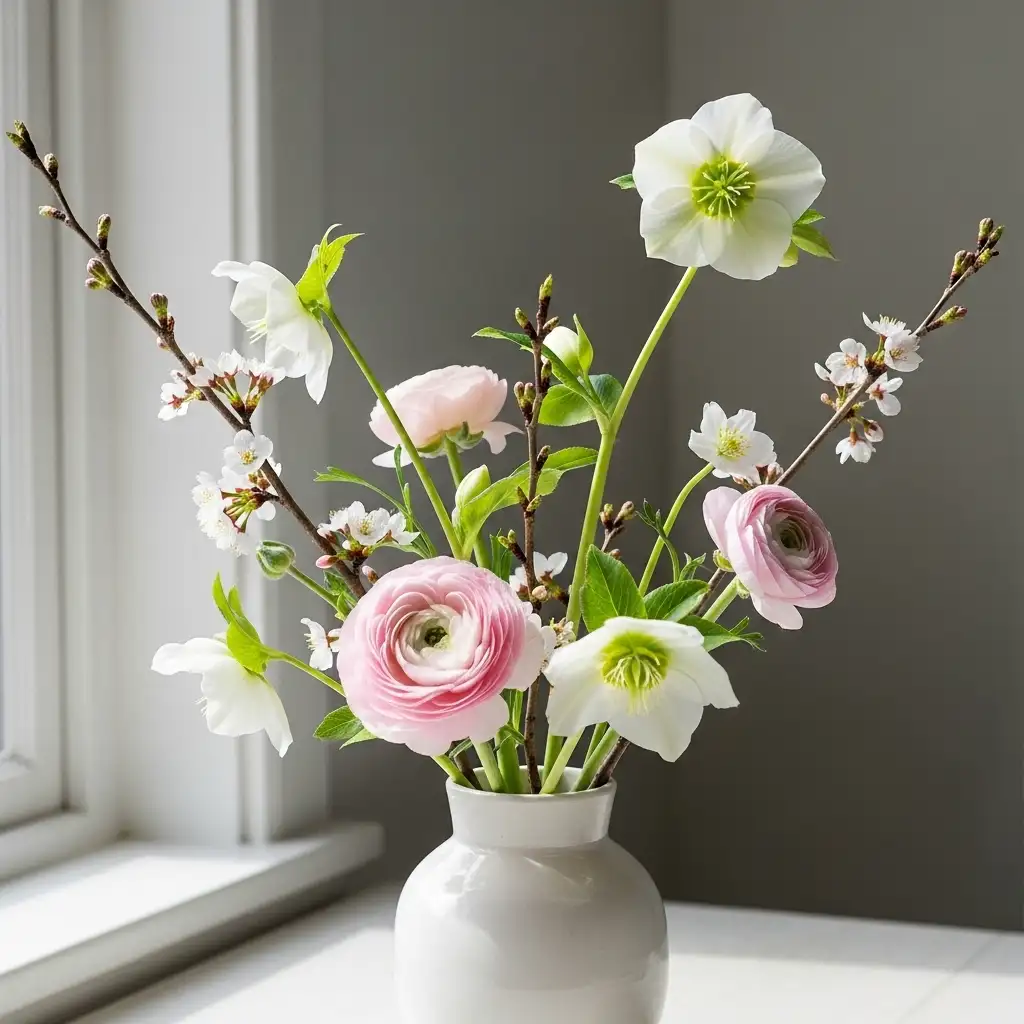
Pair one or two strong leftover blooms with these cuttings and you suddenly have something new and fresh. In a neutral living room, a glass vase with a few garden branches and rescued white or pastel flowers can look incredibly elegant, especially in spring.
“Half of arranging flowers is design. The other half is noticing what’s already at your fingertips.”
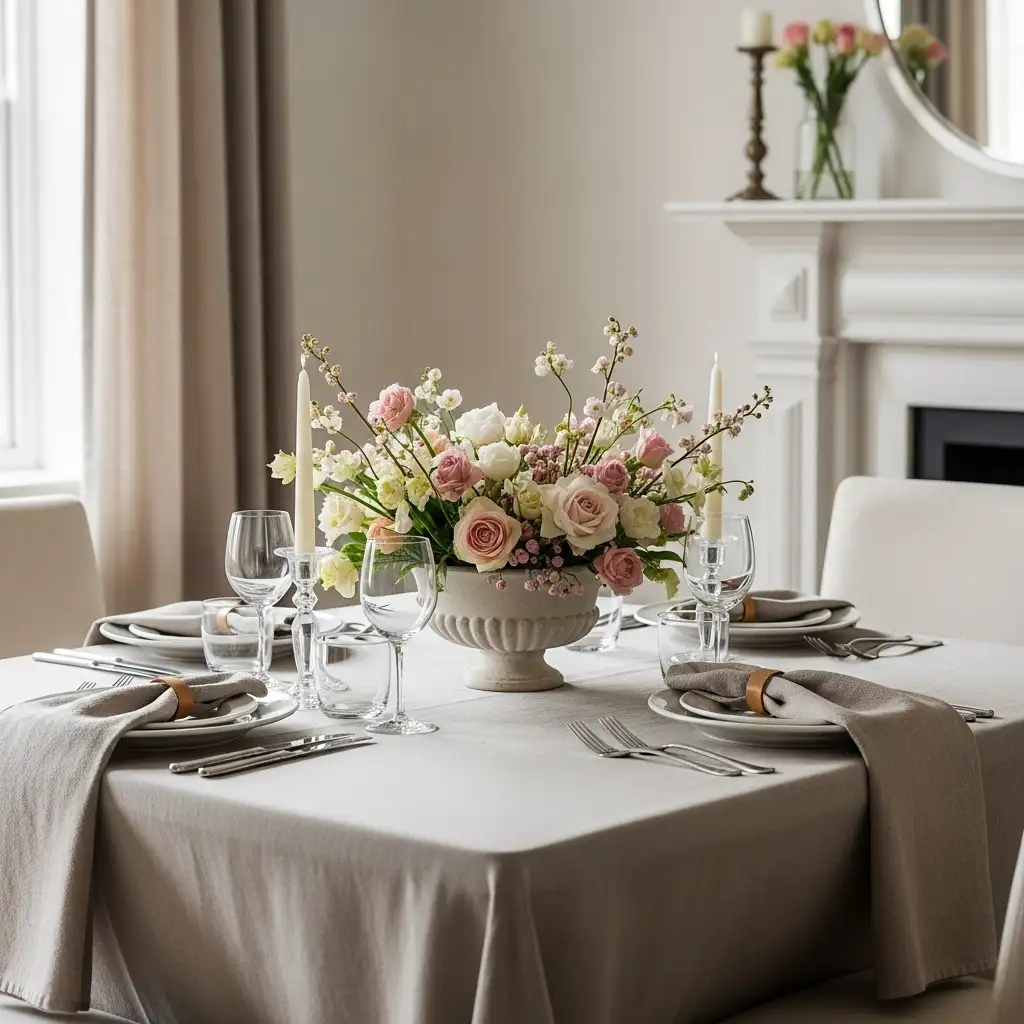
8. Create A Low, Lush Dining Table Centerpiece
If tall stems are flopping, don’t fight them. Go low.
How To Build A Low Arrangement
- Choose a bowl or low, wide vase.
- Trim stems short so flower heads sit just above the rim.
- Criss-cross the stems in the water so they support each other.
- Place fuller flowers (like roses, ranunculus, peonies) near the center.
- Tuck smaller or weaker stems around the edges.
This type of arrangement is ideal for dining tables because it doesn’t block conversation or sight lines. Even tired blooms can look rich and intentional once they are packed tightly and supported.
If you entertain on weekends, you can easily rescue weekday flowers into a low centerpiece for a simple dinner with friends. Combine them with candles and cloth napkins and nobody will guess they’re on their second life.
9. Move The Best Blooms To Your Bedside Or Bathroom
One of the most effective ways to “refresh” an arrangement has nothing to do with design. It’s about where you place it.
If a bouquet is too tired to carry your living room, choose the absolute best three stems and move them somewhere you see first thing in the morning or last thing at night.
Try:
- A single rose or tulip in a tiny vase on your nightstand
- A small cluster of daisies or carnations by your bathroom mirror
- A single sprig of greenery in a bottle on your dresser
Smaller spaces like bathrooms and bedrooms are more forgiving. A little goes a long way. This also shifts your experience of the flowers. They feel personal again, not like “decor that is past its prime.”
10. Gently Clean Up Roses And Large Blooms
Flowers like roses often look “tired” long before they are actually finished. The outer petals bruise and brown, but the center is still beautiful.
How To Refresh Roses
- Hold the rose by the stem, just under the head.
- Gently peel away the outermost petals that are dry, cracked, or very bruised.
- Fluff the remaining petals a little with your fingers.
You’ll be surprised how many roses suddenly look new again. Group these refreshed blooms together in a small vase for a tight, romantic cluster on a coffee table or console.
This trick also works for certain larger blooms like peonies or ranunculus. Just be gentle so you don’t disturb the center too much.
11. Rebuild Arrangements By Color For A More Elegant Look
When flowers start dying at different speeds, the color mix can begin to feel haphazard. Instead of keeping the random mix, regroup them.
Try these simple combinations:
- All whites and creams together in a glass vase
- Pinks and purples together for a soft, romantic bedroom arrangement
- Yellows and greens in the kitchen for a sunny, casual look
Color grouping is one of the fastest ways to create elegant spring flower arrangements, especially if your home leans neutral. Even a handful of older blooms looks more considered when they share a color story.
12. Add One Fresh, Dramatic Stem
If you want to stretch what you already have but don’t mind spending a few dollars, buy just one or two statement stems.
A single:
- Hydrangea
- Peony
- Branch of cherry blossom
- Large lily
can completely reset the mood of your revived arrangement. Let the new bloom be the star, and tuck the older ones around it as backup singers. This works especially well in entryways or living rooms where guests will see it first.
The key is to be intentional about placement. Don’t hide the new stem in the middle. Give it some breathing room so it feels like a deliberate design choice, not an afterthought.
13. Style The Area Around Your Flowers
Sometimes an arrangement feels tired because the whole surface around it is cluttered or unstyled. Before you blame the flowers, take a look at the bigger picture.
In The Living Room
- Place the vase on a tray with a candle and a small stack of books.
- Clear remotes and random items from the coffee table.
- Center the arrangement so it feels like the focal point again.
In The Kitchen
- Move dirty dishes away from the area near the vase.
- Pair the flowers with a wooden board and a bowl of lemons.
- Place them where they don’t compete with drying racks or appliances.
By styling a simple vignette, your almost-tired flowers suddenly look like part of a deliberate moment. They become one piece of a calm, beautiful corner instead of a lonely, fading object.
14. Move The Arrangement To Better Light
Light changes everything. The same flowers that look dull on a dark shelf can glow by a window.
Place your refreshed arrangement where it catches:
- Soft morning light in the kitchen
- Indirect light on a console table near a window
- Filtered light on a bedroom dresser
Avoid hot, direct afternoon sun, especially behind glass. That can bake delicate petals and speed up wilting.
Even if the bouquet is on its last days, the right light will make those days feel worth it. You’ll actually notice it again instead of walking past without seeing it.
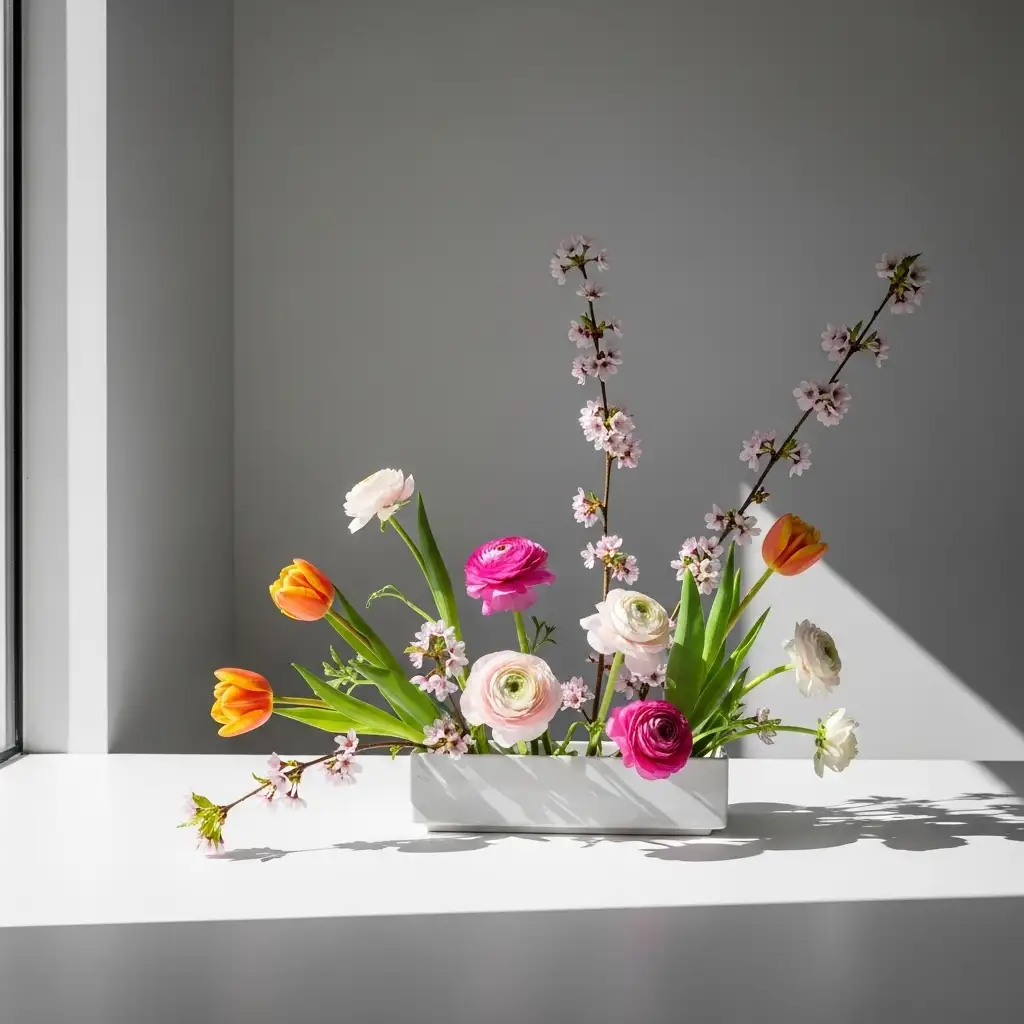
15. Turn Leftovers Into A Kitchen Herb & Flower Mix
There is something special about flowers in the kitchen that feel connected to food and cooking. When your bouquet is nearly done, pull the strongest stems and combine them with items you already have in your fridge or on your counter.
You can mix:
- Parsley, mint, or basil from the fridge
- Rosemary or thyme from a plant or bundle
- One or two small leftover blooms
Place them in a short glass jar or tumbler near the stove or coffee station. The herbs will often root in water and last longer than the flowers, so you can enjoy the little mix for days.
This is particularly charming near a coffee bar or tea setup. It feels like a lived-in, European kitchen where nothing is wasted and everything has a second use.
16. Float Loose Flower Heads In A Bowl
Sometimes stems are too far gone, but the flower heads themselves still look beautiful. Instead of throwing them out, let them float.
How To Create A Floating Arrangement
- Fill a shallow bowl or wide dish with a few centimeters of water.
- Gently remove the flower heads from their stems.
- Float them face-up on the water.
- Add a few leaves or small petals if you like.
Place this on a coffee table, dining table, or even the bathroom counter. It feels spa-like and calm, especially with candles nearby.
This trick works well with:
- Roses
- Gerbera daisies
- Camellias
- Ranunculus
It’s a gentle way to enjoy the very last stage of your flowers in a new form.
17. Dry Or Press What Still Looks Beautiful
If a flower is on the edge of wilting but still has character, think about whether it might be even more beautiful dried.
Air Drying
- Strip leaves from the stems.
- Gather 3–5 stems into a bundle.
- Tie the ends with string or a rubber band.
- Hang upside down in a dry, dark place for 1–2 weeks.
You can later tuck dried stems into small vases, display them on shelves, or incorporate them into seasonal decor.
Pressing
- Place flowers between sheets of baking paper.
- Press them inside a heavy book.
- Leave for at least a week.
Pressed flowers can be framed, used as bookmarks, or tucked into a simple note. It is a quiet, lovely way to extend the life of a bouquet that meant something to you.
18. Embrace A Minimal, Sculptural Look
You don’t always have to fight for fullness. Sometimes the most elegant spring flower arrangements are the simplest.
If you only have one or two good stems left, treat them like art:
- Use a narrow-necked vase or bottle.
- Give each stem space, not crowded with greenery.
- Place it where the silhouette really shows, like against a plain wall or in front of a window.
This works especially well in more modern or minimalist homes where negative space is part of the design. A single curved tulip or an arching branch can be just as impactful as a big bouquet, sometimes more.
19. Tuck Flowers Into Unexpected Corners
If an arrangement is too small to anchor the living room or dining table, think more playfully. Where might a tiny splash of life make your routine feel softer?
Some real-life ideas:
- A bud vase beside your hand soap at the kitchen sink
- A tiny jar of flowers on your coffee bar or next to your kettle
- A single stem on a bookshelf or near a stack of magazines
- A mini arrangement on the toilet tank or bathtub ledge
These small, unexpected touches often end up being the ones you appreciate most. Flowers feel less like “decor projects” and more like companions in your everyday routines.
20. Coordinate Your Flowers With Textiles And Decor
When you refresh an arrangement, look at what is already surrounding it. Throw pillows, blankets, art, books, rugs. They all suggest color stories you can lean into.
Some simple pairings:
- Soft pink flowers near blush or rust pillows
- White and green flowers in a room with neutral or linen tones
- Yellow flowers paired with a mustard throw or warm wood furniture
- Purple or blue flowers echoing tones from artwork or a rug
You don’t have to match exactly. Just echo one or two colors lightly and your revived flowers will feel more intentional. This is one of the subtle design tricks used often in places like Xylon Interior, where the goal is to help people see how small, simple details can pull a room together without a full redesign.
21. Create A Simple Refresh Routine So Flowers Last Longer
The easiest way to keep flowers from ever looking truly “tired” is to build a small, low-effort routine around them. Nothing elaborate. Just tiny habits that make a huge difference.
A Gentle Flower Care Routine
- Day 1–2: Enjoy them as they are. Keep them out of hot sun and away from heaters.
- Day 3–4: Change the water. Trim stems. Remove any leaves below the waterline.
- Day 5–6: Edit out anything wilted. Downsize to a smaller vase and move to a new spot.
- Day 7+: Float loose heads, dry a few stems, or move the last survivors to your bedside.
Instead of thinking of flowers as “cut and done,” start to see them as a little story moving through your home. Big bouquet on the dining table. Then a smaller one in the kitchen. Then a single stem by your bed. Each stage can be elegant and beautiful in its own way.
Bringing It All Together: Elegant Spring Flowers For Real Life
Perfect flowers that stay perfect forever only exist in photos. In real homes, they droop, drop petals, and live through our busy weeks of work, kids, dishes, and laundry. That is not a failure. It is life.
Refreshing tired arrangements is less about perfection and more about paying attention. About noticing that a rose still has a few good days inside it. About recognizing that three stems can be enough for a nightstand. About understanding that moving a small vase into better light can change how you feel in the room.
You don’t need a big budget or a florist’s toolkit to create elegant spring flower arrangements in your living room, kitchen, bedroom, or entryway. You only need:
- A willingness to edit and trim
- A few containers of different sizes
- An eye for color and light
- A gentle routine that fits your real life
Start small. Take the bouquet that’s on your table right now, or the one that was “on its way out” by the sink. Give it a fresh cut, clean water, and maybe a new vase. Move it where you’ll actually see it. Let it bring you just a bit of quiet joy for a few more days.
“You don’t have to transform your whole house to feel different at home. Sometimes, it’s enough to rescue one flower and give it a better view.”
Those small, realistic changes are the ones that last. And they are more than enough.



No Comments