
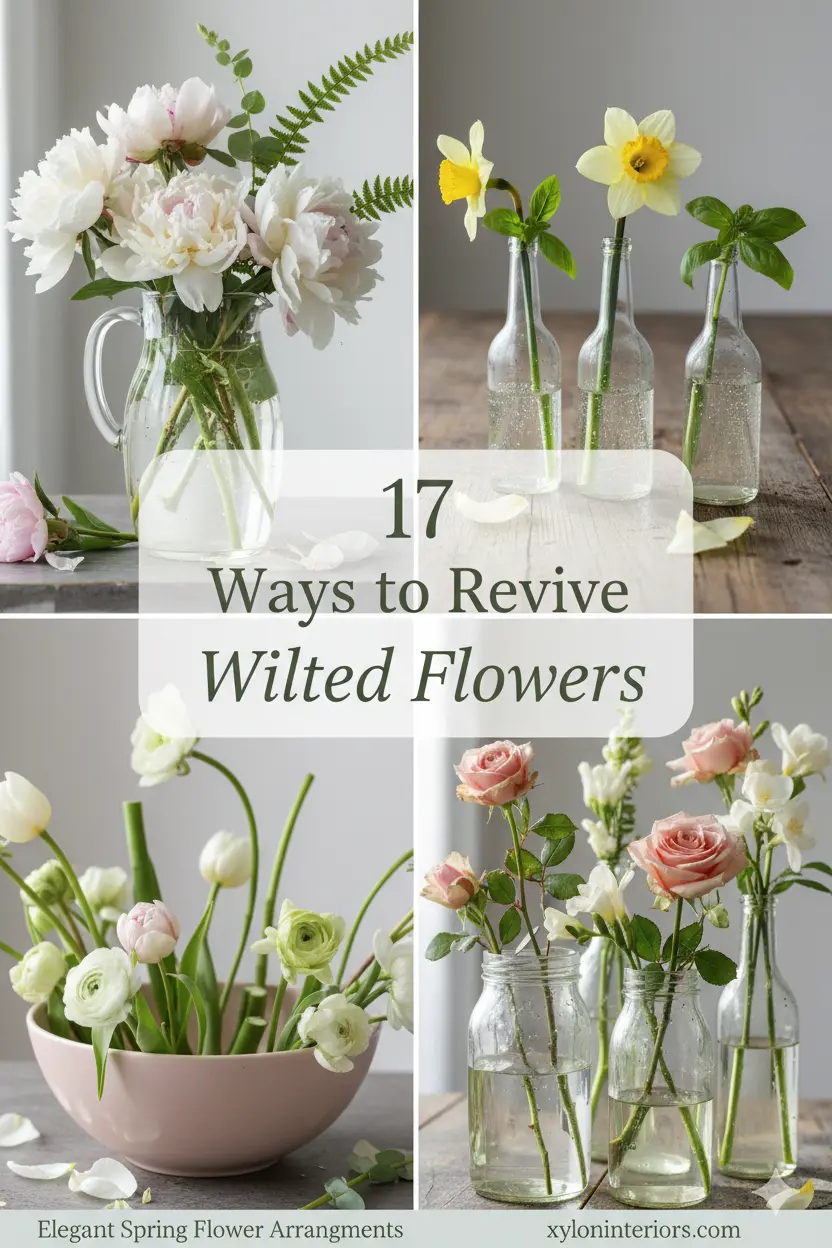
There’s nothing like bringing home a bundle of fresh spring flowers, placing them on your kitchen counter or coffee table, and instantly feeling your whole home soften and brighten. Then the next morning you walk in, coffee in hand, and realize half of them are drooping sadly over the vase. It’s a bit heartbreaking, and it instantly changes how the room feels.
We buy tulips and ranunculus and garden roses because we want that light, airy, “I care about my home” feeling. Elegant spring flower arrangements make a small apartment feel special and a family kitchen feel cared for. When the flowers wilt too quickly, it feels like wasted money and effort. It can also feel a little defeating, especially if you were trying to pull a room together for guests or a holiday.
The good news: a lot of those wilting issues are fixable. Flowers are a bit like us. They perk up with fresh water, a clean place to rest, the right “food,” and a little trimming. With a few simple habits and some rescue tricks, you can often bring them back to life and keep them fresh for days longer than you might expect.
In this guide, we’ll walk through 17 practical ways to revive wilted flowers at home. You don’t need special tools or a florist’s studio. Just a little care, a kitchen sink, and some patience. We’ll also talk about how to keep your elegant spring flower arrangements looking beautiful in real family spaces like the living room, kitchen, and bedside tables, where people actually live and move around.
Quick Overview: 17 Ways To Revive Wilted Flowers
Here’s a quick look at what we’ll cover before we dive deeper:
- 1. Refresh the water and clean the vase properly
- 2. Recut the stems at an angle (and how much to cut)
- 3. Strip leaves below the waterline to prevent slime
- 4. Give stems a warm water soak for shock recovery
- 5. Use cool water for more delicate spring blooms
- 6. Try the “newspaper wrap” trick for floppy flowers
- 7. Use flower food correctly (or make a simple DIY version)
- 8. Revive bent-headed roses with the sink method
- 9. Support soft stems with grid tape or chicken wire
- 10. Move arrangements out of harsh spots (sun, vents, fruit bowls)
- 11. Remove spent blooms to save the rest
- 12. Shorten stems and create smaller, denser arrangements
- 13. Use misting (sparingly) for certain flowers
- 14. Revive tulips and other “moving” flowers properly
- 15. Give branches and woody stems a different kind of cut
- 16. Redesign wilted flowers into new, low arrangements
- 17. Know when to dry, press, or repurpose instead of revive
Now let’s go step by step in a way that fits real life, small budgets, and actual homes.
1. Start With the Basics: Clean Water & A Clean Vase
If your elegant spring flower arrangements are drooping, always start with the simplest rescue: clean water and a truly clean vase.
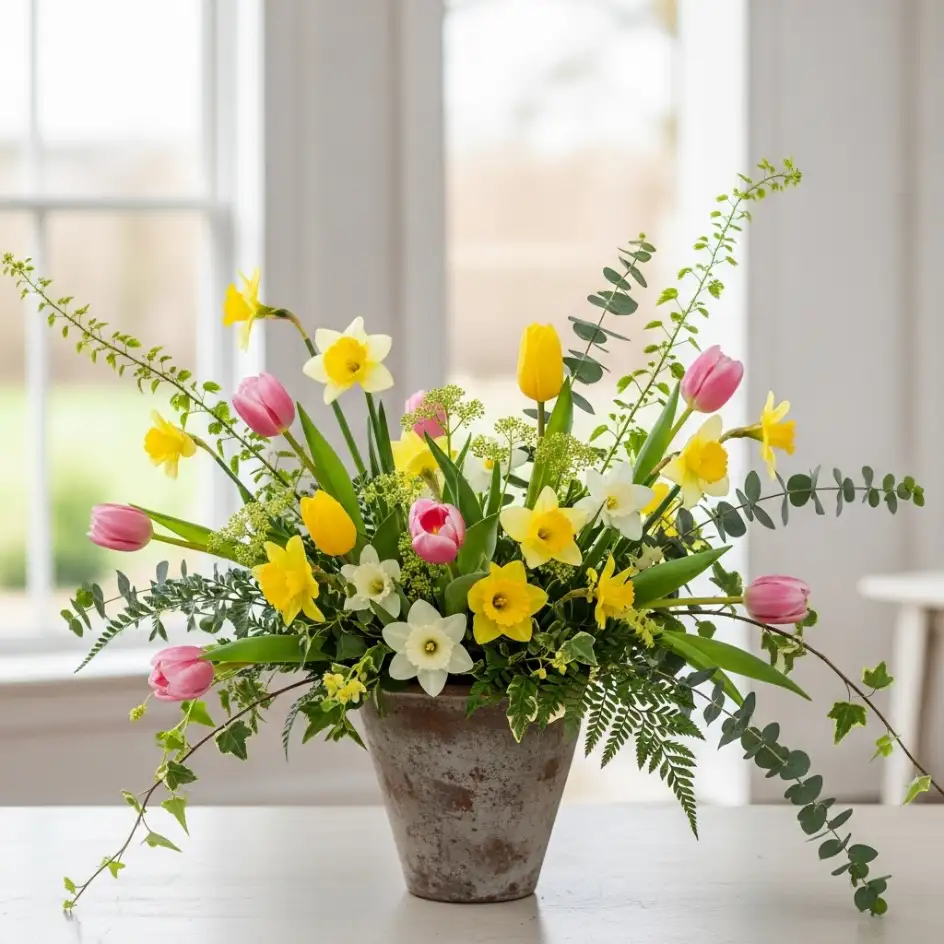
Why this matters
Bacteria builds up quickly in vase water, especially in a warm kitchen or sunny living room. That bacteria clogs stems and makes it hard for flowers to drink. Once that happens, petals wrinkle, leaves droop, and the whole arrangement starts to look tired.
What to do
- Gently remove the flowers from the vase.
- Pour out the old water completely.
- Wash the vase with warm water and a little dish soap.
- If you see slime or cloudiness, scrub the inside with a bottle brush or sponge.
- Rinse very well. No soap residue.
- Refill the vase with fresh, room-temperature water.
This alone can perk flowers up within a couple of hours, especially if you combine it with fresh stem cuts (we’ll get to that next).
2. Recut Stems At An Angle (And How Much To Cut)
Cutting stems is the single most important habit for keeping your spring stems looking composed and elegant, rather than exhausted after one day on display.
How to cut
- Use sharp scissors, garden snips, or a clean knife, not dull kitchen scissors that crush the stems.
- Cut at about a 45-degree angle.
- Trim at least ½ inch to 1 inch off the bottom, more if the ends look brown or mushy.
Why angled cuts work better
An angled cut gives the stem a larger surface area to drink from and helps prevent the end from sealing flat against the bottom of the vase. Think of it as opening a wider doorway for water.
For very wilted flowers, cutting a bit more than usual (1–2 inches) can make a real difference. Especially if they’ve been sitting in that same water for two or three days.
“Every time you cut a stem and give it fresh water, you are basically giving the flower another chance to start over.”
3. Remove Leaves Below The Waterline
This is one of those boring little maintenance tasks that people skip, and it’s exactly why elegant spring flower arrangements get smelly or cloudy so fast.
Why this matters
Leaves sitting in water break down quickly. They rot, feed bacteria, and turn the vase water murky. That bacteria then clogs your stems, and the whole cycle speeds up wilting.
What to do
- Before you put stems back in the vase, strip off all leaves that would sit below the waterline.
- Leave some foliage higher up, especially near the top. This keeps arrangements full and lush.
- Check again after a day or two. Sometimes new leaves slip into the water as stems shift.
This looks especially refined in clear glass vases in the living room or entryway, where you actually see the water and stems. Clean water and clean stems read as intentional, not cluttered.
4. Give Stems A Warm Water Soak
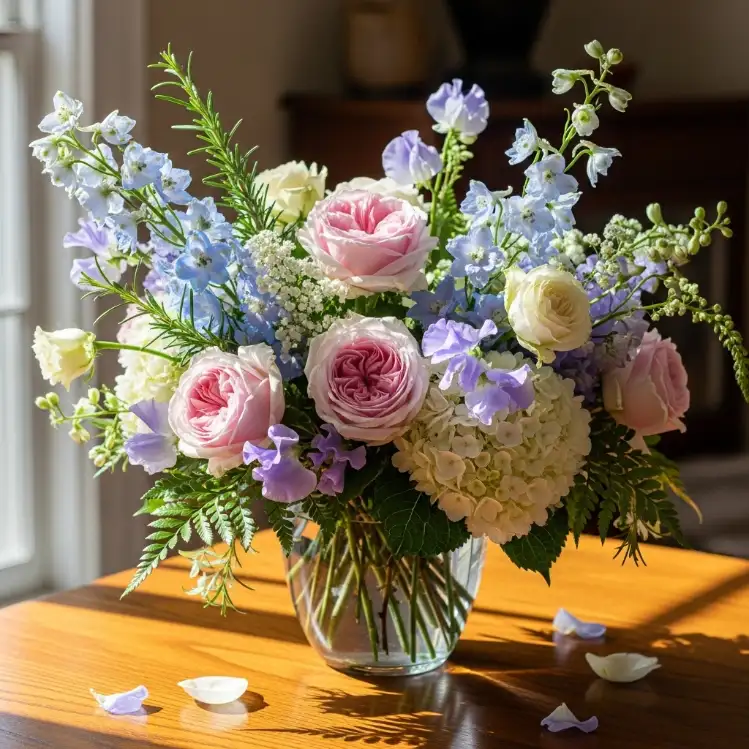
If your flowers arrived cold from outside or from a delivery truck and then went straight into a warm home, they can go into a kind of shock. A warm water soak is a gentle way to help them “relax” and drink again.
How to do a warm soak
- Fill a clean sink or a deep basin with lukewarm water. Not hot, not cold. Think baby bath temperature.
- Recut the stems at an angle.
- Lay the flowers in the water so most of the stems are submerged. Heads can float on the surface.
- Leave them for 20–30 minutes.
You’ll often see petals plump back up and stems firm again. This works well for roses, gerbera daisies, and many mixed spring bouquets.
5. Use Cool Water For More Delicate Spring Blooms
Not every flower loves warmth. Some delicate spring flowers last better with cooler water, especially if your home tends to run hot.
Consider cooler water for:
- Tulips
- Ranunculus
- Anemones
- Sweet peas
- Lilies of the valley
If those are dropping, try this:
- Empty the vase and rinse it.
- Refill with cool, fresh water.
- Recut stems.
- Keep the arrangement out of direct sun and away from radiators, stoves, or heat vents.
In smaller homes or apartments where the kitchen gets warm from cooking, try moving your most delicate, elegant spring flower arrangements to a sideboard in the dining room or a console table in the hallway where the temperature is more stable.
6. The Newspaper Wrap Trick For Floppy Stems
If your bouquet is completely flopped over and looks like it’s given up, this old florist trick can be surprisingly powerful.
How it works
- Lay a sheet of newspaper or kraft paper on the counter.
- Gather your flowers into a tight bundle, stems aligned.
- Wrap them snugly in the paper, like a burrito, with the flower heads covered but not crushed.
- Secure loosely with string or a rubber band.
- Recut the stems.
- Place the wrapped bundle in a tall vase of fresh water.
- Leave in a cool, dim place for a few hours or overnight.
The paper gives a bit of support while the stems rehydrate. When you unwrap them, many of the blooms will stand up straighter again.
This is especially helpful when you want a very upright, refined arrangement in a tall vase for a dining table or console, where droopy stems just read as messy instead of relaxed.
7. Use Flower Food Correctly (Or Make A Simple DIY Version)
Those little packets that come with grocery store flowers actually help, as long as you use them the right way.
Using store-bought flower food
- Completely fill the vase according to the packet’s instructions.
- Stir so the powder dissolves fully.
- Top up with fresh water every day or two, not just once at the beginning.
A simple DIY flower food option
If you don’t have a packet, you can mix a basic solution from typical kitchen items. It will not be as precise as a florist blend, but it can still help:
- 2 cups of water
- ½ teaspoon of sugar (energy for the flowers)
- ½ teaspoon of white vinegar or lemon juice (helps slow bacteria)
Stir well before pouring into the vase. Do not overdo the sugar, or you’ll actually encourage bacteria growth, which shortens the flowers’ life.

8. Fix Bent-Headed Roses With The Sink Method
You know when a rose looks fine one day, and the next day the head is hanging over like it lost a fight? That isn’t always “the end.”
The sink method
- Fill a clean sink or bathtub with cool water.
- Remove any foliage that will get in the way.
- Lay the entire stem in the water, including the flower head.
- Leave it submerged for 20–30 minutes.
- Cut 1–2 inches off the stem under water if possible, so no air gets into the stem.
- Move the rose to a vase of fresh, cool water.
Many bent-headed roses will straighten up within a few hours. They may not be perfect, but for a coffee table or entryway piece, they’ll look charming and intentional again.
9. Support Soft Stems With A Simple Grid Or Chicken Wire
Sometimes flowers droop simply because they don’t have enough support in the vase. This is especially true for tulips, ranunculus, or heavier blooms on thin stems.
Two easy support tricks
1. Tape grid
- Use clear tape across the top of the vase to create a grid pattern.
- Slip stems through the openings so each one has its own little “slot.”
2. Ball of chicken wire
- For wider bowls or low vases, place a small, loose ball of chicken wire inside.
- Insert stems into the gaps so they stay where you place them.
Supporting stems keeps arrangements looking composed and “elegant” rather than tired and sprawled out. It is especially useful for the kind of low, wild-meets-polished centerpieces that work so well on dining tables or coffee tables in spring.
10. Move Arrangements Out Of “Harsh” Spots
The prettiest places to display flowers are often the harshest environments for them. A sunny kitchen window, a spot right under an air vent, a table near a heater, or directly next to a bowl of fruit can all speed up wilting.
Spots that are tough on flowers
- Direct sunlight on a windowsill or by a glass door
- Next to ovens, stoves, or microwaves
- Right under or in front of heating or cooling vents
- Beside ripening fruit like bananas, apples, or pears
Ripening fruit releases ethylene gas, which actually speeds up the aging of flowers. So that beautiful still-life moment of tulips next to an overflowing fruit bowl is charming in photos, but in real life it cuts days off their life.
Better spots around the house
- On a dining table away from windows and heating vents
- On a bedroom dresser or nightstand, away from electronics
- On a hallway console table, where light is softer
- On a bathroom vanity away from hot steam
If your arrangement is already wilting, move it to a cooler, more stable place after refreshing the water and trimming stems. You might see it perk up by the afternoon.
11. Remove Spent Blooms To Save The Rest
One decaying flower in a vase can bring down the rest, both visually and literally. It leaks bacteria into the water and makes the whole arrangement feel tired.
How to edit your arrangement
- Check each stem every day or two.
- Remove any blooms that are brown, mushy, or dropping petals heavily.
- Cut away limp sections of foliage or stems.
This not only keeps your elegant spring flower arrangements healthier, but it also helps them evolve. An arrangement that looked very tall and dramatic on day one might shift into a more relaxed, minimal look by day four or five. That change can feel intentional and beautiful when you remove the truly “gone” pieces.
“Flowers are living things. It’s okay for your arrangement to change through the week. Editing is part of the process.”
12. Shorten Stems And Make Smaller, Denser Arrangements
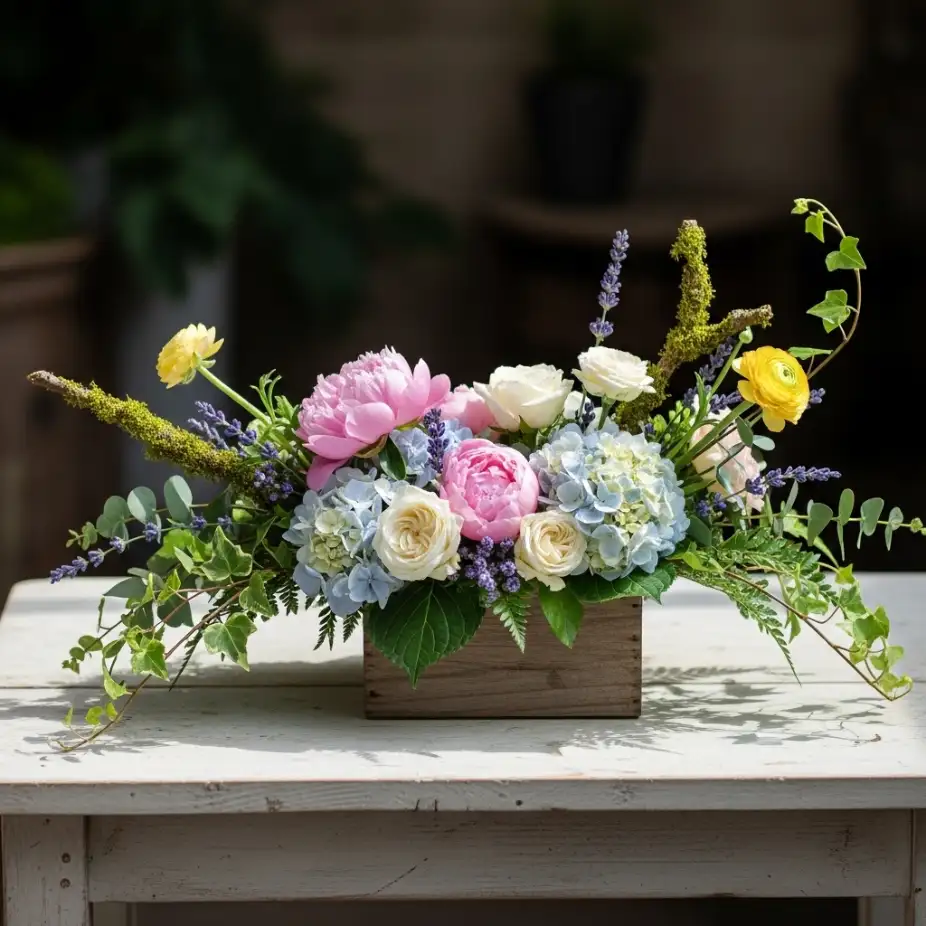
When flowers start to droop, you can often extend their lives by simply going shorter. A bent stem becomes charming when the flower floats just above the rim of a lower vase.
How to reinvent a failing bouquet
- Gather wilting flowers from a tall vase.
- Cut stems much shorter, sometimes by half or more.
- Place them in a small bowl, bud vase, or short tumbler.
- Cluster a few tiny arrangements together on a tray.
Shorter stems are easier to support, and they don’t have to hold up the same weight. This can give you several more days of enjoyment in smaller moments around the house:
- A tiny arrangement on the bathroom sink
- A little trio on the nightstand
- A low bowl for the coffee table where you can see every petal
This approach pairs nicely with a cozy, layered decor style. A grouping of shorter blooms in mismatched vessels feels collected and warm instead of “trying too hard.”
13. Use Misting (Sparingly) For Certain Flowers
Some flowers appreciate a gentle mist of water on their petals and foliage. Others do not. Knowing the difference can help your arrangements last a bit longer.
Flowers that can benefit from occasional misting
- Hydrangeas
- Ferns and leafy greens
- Delicate foliage used as filler
For hydrangeas especially, misting the heads lightly can help them stay plump. If the flower has fully wilted, you can even submerge the bloom head in cool water for 20–30 minutes, then let it dry slightly and return it to the vase.
Flowers to avoid misting
- Roses (water can spot the petals)
- Tulips
- Peonies (if fully open)
- Any bloom that bruises easily
When in doubt, focus on giving the stems clean water and a fresh cut. Misting is just a gentle bonus, not a core rescue method.
14. Special Care For Tulips & “Moving” Flowers
Tulips have a mind of their own. They keep growing in the vase, they lean toward the light, and they can look wild and droopy very quickly. That doesn’t mean they’re dying. It mostly means they are being themselves.
To revive and tidy tulips
- Trim stems again, by at least an inch.
- Use cool water in a clean vase.
- Wrap the bouquet tightly in paper (like the newspaper trick) and stand it upright in water for a few hours.
- Keep them in a cooler spot away from direct sunlight.
They will often straighten somewhat, but they will still arch and move. Instead of fighting that, design around it. Let the tulips curve over a low vase on a kitchen island or coffee table. The movement can look incredibly elegant and natural in a spring arrangement.
If you want a more structured look, mix tulips with sturdier stems like branches or eucalyptus so they have “company” holding the shape.
15. Treat Woody Stems Differently
Some of the most beautiful spring branches, like cherry blossom or forsythia, have woody stems. These need a different kind of cut to drink well and come back from wilting.
For branches and woody stems
- Use pruning shears or a sharp knife rather than delicate scissors.
- Make a fresh diagonal cut at the end.
- Then make a small vertical slit up the stem, about ½–1 inch, to open more surface area.
- Place in warm water for the first few hours.
This helps water travel up the branch more effectively. If branches are drooping, try recutting and giving them a deep vase with plenty of water. Place them somewhere cooler, like a hallway or dining room corner, away from direct heat.
Tall branches are fantastic in entryways or near staircases, where you want something sculptural that makes a statement without crowding furniture. Keeping them properly hydrated lets that statement last longer than just a day or two.
16. Redesign Wilted Flowers Into New Arrangements
At a certain point, you might not be able to fully “revive” your flowers to that just-bought look. But they can still give you a second or even third life in different forms.
Ideas for redesigning tired blooms
- Low, lush bowl:
Cut stems very short and cluster flowers tightly in a low bowl. This works beautifully on a coffee table or large ottoman. - Mixed bud vases:
Spread a few blooms in separate tiny vases along a mantle, kitchen windowsill, or bathroom shelf. - Bedside cluster:
Choose just three or four of the best survivors and place them next to the bed. Even a small arrangement feels luxurious in a bedroom. - Entryway welcome:
Take the strongest remaining stems and display them simply in a narrow vase on a console table. One or two flowers can feel intentionally minimal.
Redesigning is an especially good habit if you like having elegant spring flower arrangements in multiple rooms. One “main” bouquet in the living room can later turn into three or four smaller moments around the house as the week goes on.
17. Know When To Dry, Press, Or Repurpose Instead Of Revive
Not every flower can be saved. Sometimes petals are truly spent, and no amount of trimming or soaking will fix that. At that point, you have a choice: toss them, or transform them.
Easy ways to extend their beauty
- Air drying:
Tie small bundles of roses, lavender, or other sturdy blooms and hang them upside down in a dry, dark place. Use them later in a simple dried arrangement or placed on a bookshelf. - Pressing petals:
Place flatter blooms (like pansies, small roses, or anemone petals) between sheets of parchment in a heavy book. After a few weeks, frame them or use them as bookmarks. - Petal bowls:
Scatter pretty, non-mushy petals in a shallow dish for a day or two on a dresser or vanity. They won’t last long, but it gives you one more little moment of beauty.
Knowing when to shift from “revive” to “reuse” helps you feel less wasteful, and it turns wilting flowers into reminders that your home can be both beautiful and practical.
Bringing It All Together: Elegant Spring Flower Arrangements In Real Homes
Keeping flowers alive isn’t just about the flowers. It is also about how you live in your home. A bouquet on a busy family kitchen island has a very different life than one on a quiet bedroom dresser.
In the kitchen
- Expect more heat, more daily movement, and more spills.
- Choose hardier flowers like tulips, daffodils, or alstroemeria.
- Refresh water often, since the kitchen warms up with cooking.
- Keep flowers away from the stove and from the fruit bowl.
In the living room
- Think about sightlines from the sofa and chairs.
- Low arrangements on the coffee table, taller ones by a fireplace or sideboard.
- Watch for direct afternoon sun across the coffee table and shift arrangements if needed.
In the bedroom
- Small arrangements work best: a few stems in a bud vase or tumbler.
- Cooler temperatures help flowers last longer.
- Soft spring blooms like ranunculus or sweet peas feel especially gentle here.
In the entryway
- Use slightly sturdier flowers or branches that don’t mind door drafts.
- Vertical lines, like branches or tall stems, make a strong first impression.
- Refresh quickly: this is the first thing you see when you come home.
If you ever feel stuck, places like Xylon Interior are helpful for exploring ideas on how to place arrangements, choose vases that suit your style, and work flowers into the rooms you actually use every day.
Conclusion: Small Habits, Longer-Lasting Beauty
Flowers are one of the simplest ways to make a home feel cared for. They soften sharp spaces, bring color to neutral rooms, and make even an ordinary Tuesday dinner feel a little special. Watching them wilt quickly can feel discouraging, especially when you’re trying to create elegant spring flower arrangements on a normal, real-world budget.
The truth is, your flowers don’t need perfection. They just need a bit of attention:
- Fresh, clean water
- A sharp cut on the stems
- A comfortable place away from harsh heat and blazing sun
- Willingness to reshape and edit as they age
You don’t have to use all 17 tricks every time. Start with the simple ones. Change the water. Trim the stems. Move the vase to a gentler spot. As you get used to these small habits, you’ll notice that your flowers begin to last longer, and your home carries that fresh, graceful feeling for days instead of hours.
Most of all, let your arrangements evolve. Early in the week, enjoy a big, abundant bouquet in the living room. Later on, rework the survivors into smaller, quieter arrangements for your bedside or bathroom. Each stage has its own kind of beauty.
If you take anything from this, let it be this line:
“You don’t need perfect flowers to have a beautiful home. You just need a little care, a little curiosity, and the courage to keep rearranging.”
One small vase at a time, your home can feel softer, more intentional, and more “you,” every single season.




No Comments