

If you’ve ever walked through your home and thought, “How did I spend this much and still not love how it looks?”, you’re not alone.
Most people don’t blow their budget on one huge purchase. The money quietly disappears in small ways. A random pillow here. A trendy sign there. Dollar Tree cheap spring centerpieces that looked cute in the store but feel a bit sad on your table. Over time, those little decor decisions start to add up, and the house still doesn’t feel finished.
Decorating isn’t about perfection. It is about making your home work for the way you actually live. That means your money should support your lifestyle, not fight against it. When decor becomes clutter, or feels cheap, or has to be replaced every season, that is where the waste happens.
In this post, we will walk through 17 common decor mistakes that quietly drain your budget. More importantly, we will talk about what to do instead. Everything here is realistic, renter-friendly and focused on making your home feel comfortable and personal, without constant spending.
Quick Overview: 17 Money-Wasting Decor Mistakes
Here is a quick look at the mistakes we will cover before going deeper into each one.
- Buying “filler decor” instead of things you truly love
- Overdoing cheap seasonal decor (including spring centerpieces)
- Ignoring scale and proportion
- Decorating without a simple plan or mood board
- Chasing every trend as it comes out
- Buying duplicates instead of organizing what you own
- Skimping on key foundation pieces
- Choosing style over comfort in high-use rooms
- Not measuring before you buy
- Forgetting about lighting layers
- Covering every surface with decor
- Using too much “word art” and generic signs
- Decorating around clutter instead of dealing with it
- Ignoring the power of paint and textiles
- Buying art and decor you do not connect with
- Neglecting practical details like storage and maintenance
- Constantly “starting over” instead of tweaking what you have
Now let’s break these down and talk about how to decorate smarter so every dollar does more for your home.

1. Buying “Filler Decor” Instead of Things You Truly Love
This is probably the most common way people waste money on decor. You are at a store, you see an empty shelf or a lonely coffee table at home in your mind, and you think, “I should grab something to put there.” So you buy a random vase, a small fake plant, or a decorative object that is just… fine.
The problem is, “fine” is what quietly drains your budget. These filler items do not bring you joy, they do not tell your story, and they are usually the first things you decide to donate or box up.
How this shows up in real life
- A cluster of small, unrelated objects on your TV stand that you barely notice anymore
- Three average vases in a cabinet “for when guests come” but you never actually use them
- Impulse-buy knickknacks from clearance sections that do not match anything at home
What to do instead
- Leave a surface empty until you find something you truly love.
- Choose fewer, better decor pieces. One beautiful bowl or a meaningful framed photo can do more than five small items.
- Use what you already have: stack a few favorite books, add a candle you enjoy, and a small plant for life.
It is better to have an empty corner for a few months than to fill it with items you feel neutral about and eventually replace.
2. Overdoing Cheap Seasonal Decor (Including Spring Centerpieces)
Seasonal decorating can be fun. It is nice to bring in spring colors or cozy fall touches. The trouble comes when every season leads to a big haul of disposable decor that feels tired the next year.
Dollar Tree cheap spring centerpieces are a perfect example. The low prices are tempting, so you grab a cart full of faux flowers, glass vases and pastel knickknacks. You get home, do a quick arrangement, and a few weeks later it already feels cluttered or flimsy. Next spring, you feel the urge to buy again because it does not feel special anymore.
How to make budget spring decor actually work
You can still use affordable decor, including Dollar Tree finds, but be intentional.
- Focus on reusable basics. Simple glass vases, white ceramic bowls, plain candle holders. These can be styled differently every season.
- Upgrade the look of cheap flowers.
- Mix Dollar Tree stems with one or two nicer faux stems from another store.
- Cut stems shorter and group them tightly to avoid the sparse, “plastic-y” look.
- Use natural fillers like branches, eucalyptus, or even real greenery from your yard mixed into your Dollar Tree cheap spring centerpieces.
- Limit yourself to a small number of seasonal spots. For example:
- The dining table
- The coffee table
- The entry table
Decorate just those, and let the rest of the house stay mostly neutral.
“Seasonal decor works best when it feels like a subtle shift, not a total takeover.”
Where to invest instead
Instead of buying a lot of seasonal items every year, put a bit more money into things like:
- Quality pillow covers you can swap out seasonally
- A neutral table runner that works year-round
- Real plants or branches that bring life in any season
3. Ignoring Scale and Proportion
Sometimes a room feels “wrong” and it has nothing to do with color or style. It is often about scale.
An oversized sofa in a small room, tiny lamps on a large nightstand, or a small rug floating in the middle of a big living room can make even expensive decor look off. People then keep buying more decor to “fix” the feeling instead of solving the true issue.
Common scale mistakes
- A 5×7 rug under a full living room set, leaving the front legs of major furniture off the rug
- A small, narrow coffee table with a large, deep sectional
- Art that is too small to fill the wall space above a sofa or bed
Quick fixes that save money long-term
- Size up your rugs. If budget is tight, consider a larger inexpensive jute or flatweave rug layered with a smaller patterned rug.
- Use larger lamps. Lamps that are too small look cheap. When in doubt, go taller and with a larger shade.
- Group art. If you cannot afford a big piece, create a gallery wall with several smaller prints arranged intentionally.
Getting scale right helps everything else in the room feel more polished, so you do not feel the urge to keep buying more and more.
4. Decorating Without a Simple Plan or Mood Board
Walking into a store without a plan is like grocery shopping when you are hungry. You come home with things that do not work together.
When you skip the planning step, you end up with duplicates, clashing colors, and items that do not suit your room. Then you either force them into the space and feel annoyed every time you see them, or you store them “just in case”. Both are a waste of money.
What a simple decor plan looks like
You do not need anything fancy. Try this:
- Pick 2 to 3 main colors and 1 or 2 accent colors for a room.
- Decide on the general feel you want: cozy, bright, calm, playful.
- Take photos of your room in good daylight.
- Screenshot or save items you already own that you definitely want to keep.
Then create a quick mood board by putting these photos in one place. You can do this digitally or by printing pictures and taping them on a page. This helps you immediately see what fits and what doesn’t before you buy.
Why this saves money
With a simple plan:
- You stop buying random colors and patterns that fight each other.
- You know where a new item will go before you bring it home.
- You can spot what you truly need, instead of guessing in the store.
“Every great-looking room started with a plan, even if it was scribbled on a scrap of paper.”
5. Chasing Every Trend as It Comes Out
Trends are fun. They give us new ideas, fresh colors, and creative ways to style our homes. The issue is, trends move quickly. Trendy items go out of style long before they wear out.
If every year you are buying the new “must-have” decor style, you will constantly feel you need to update. That is exhausting for your wallet and your brain.
Examples of trend-chasing that add up
- Switching your living room style from farmhouse to boho to modern every couple of years
- Buying new pillows and throws every season in the latest pattern or quote design
- Collecting a box of “old style” pieces that you are now tired of but spent good money on
A better approach to trends
- Keep big pieces (sofa, bed, rugs) mostly neutral and classic.
- Use trends in smaller, easier-to-swap items: a few pillow covers, a vase color, or a lampshade.
- Before you buy something trendy, ask: “Will I still like this in two years?” If the answer is no or you are unsure, skip it.
Trends should be seasoning, not the main course.
6. Buying Duplicates Instead of Organizing What You Own
Have you ever bought more storage baskets, only to find a stack of them at the back of a closet later? Or picked up more floral stems for your Dollar Tree cheap spring centerpieces, then realized you already had a whole bin of them in the garage?
When things are not organized, it is hard to know what you actually have, so you buy again. This is especially true with small decor items and seasonal pieces.
Places where duplicates hide
- Bins of fall and spring decor
- Random candles scattered around the house
- Extra throw blankets and pillow covers stuffed into closets
Simple steps to stop buying extras
- Gather like items together. Put all candles in one basket, all vases in one spot, all faux flowers together.
- Do a quick edit once a season. Donate what you know you will not use again.
- Label containers clearly with what is inside so you can see your inventory before you shop.
Sometimes the decor you need is already in your home, just hiding.
7. Skimping on Key Foundation Pieces
Not everything in your home needs to be high-end. But some pieces carry a lot of weight: your sofa, mattress, main rugs, and dining chairs. If you go too cheap on these, they wear out quickly, feel uncomfortable, and make everything around them look lower quality.
Then you start buying more decor to “dress up” the space, trying to distract from the tired sofa or sagging rug. That is money on top of money.
Where to prioritize your budget
- Sofa or main seating: This is where you relax, host, and spend time daily.
- Mattress: Quality sleep affects your whole life. Not decor in the classic sense, but central to your home comfort.
- Rugs in main rooms: They ground the space and take heavy traffic.
- Dining chairs: Cheap chairs that wobble or feel flimsy will be replaced sooner.
How to save while investing wisely
- Buy classic shapes and neutral colors that will last through many style changes.
- Look for secondhand quality pieces instead of brand new low-quality furniture.
- Wait, save, and buy once instead of grabbing the cheapest option and replacing it in a year.
When your foundation pieces are solid, you can keep decor simple and spend less decorating around flaws.

8. Choosing Style Over Comfort in High-Use Rooms
There is nothing wrong with wanting a pretty home. But when style makes your daily life harder, that is not good design, and it is not good for your budget either.
Think of slippery dining chairs that look chic but are miserable to sit on, a delicate coffee table that cannot handle feet up or kids’ toys, or a white rug in the family room when you have dogs and toddlers. These choices lead to regret, replacement, or constant cleaning costs.
How to balance comfort and style
- Test furniture in person when you can. Sit, lean back, move around. How does it really feel?
- Choose fabrics that suit your life: washable slipcovers, performance fabrics, darker tones in high-traffic rooms.
- In the kitchen and dining area, pick chairs and stools that you can sit in comfortably for a full meal.
Your home can be beautiful and comfortable at the same time. In fact, comfort usually makes a space feel more inviting.
9. Not Measuring Before You Buy
It sounds simple, but skipping measurements is a huge money-waster. You bring home a console table that blocks a doorway, a nightstand that is too short for your bed, or dining chairs that do not fit under your table. Then you are stuck trying to make it work, returning it, or reselling at a loss.
What to always measure
- Rooms: Length, width, and any odd angles or bump-outs
- Doorways and hallways: So furniture can actually get into the room
- Wall spaces: For art, mirrors, and shelving
- Table height vs. chair height
- Bed height vs. nightstand height
Make a “home measurements” note
Keep a note on your phone with basic measurements for each room. Include:
- Maximum rug size and minimum rug size
- Ideal sofa length
- Wall width above the sofa/bed for art
- Entry wall size for a console table or bench
If you always have this with you, you avoid guessing and regretting.
10. Forgetting About Lighting Layers
Lighting is one of the most powerful tools in home decorating. Yet many people rely only on overhead lights and then keep buying decor to make the room “feel cozier” instead of fixing the lighting itself.
A room with harsh, bright ceiling light can make even beautiful decor feel cold. On the other hand, a softly lit room with table lamps and warm bulbs can make inexpensive decor look much more expensive.
The three types of lighting your rooms need
- Ambient lighting: General light, usually overhead.
- Task lighting: Reading lamps, under-cabinet lights in the kitchen, desk lamps.
- Accent lighting: Lights that highlight decor, like a picture light, a small lamp on a bookshelf, or candles.
Budget-friendly lighting fixes
- Add at least one table or floor lamp to your living room. Two is even better.
- Use warm white bulbs instead of very cool, blue-toned ones.
- In rentals, try plug-in sconces or battery-operated picture lights for extra charm.
You might be surprised how different your existing decor looks under better lighting.
11. Covering Every Surface with Decor
It is easy to think, “More decor = more decorated.” In reality, too much decor just looks busy, and busy usually looks cheaper.
When every shelf, table and counter is full, your eyes do not know where to land. Even pretty items lose their impact. People then buy more bins, boxes and shelving to manage the overflow, which adds to the cost.
Signs you have too much decor out
- You have to move things every time you want to set down a glass or a book.
- Dusting takes forever because there are so many small items.
- You do not really see individual pieces anymore. It just feels like “stuff.”
How to edit surfaces
- Give each room a few “hero” spots for decor: the mantle, the coffee table, a console table, a bookshelf.
- Leave some empty space intentionally. Breathing room makes your favorites stand out.
- Rotate decor through the year instead of displaying everything at once. Store some items and swap seasonally.
“Good decorating is as much about what you leave out as what you put in.”
12. Using Too Much “Word Art” and Generic Signs
Signs with quotes and phrases can be charming in small doses. The problem is when every wall has words and none of them really mean anything to you personally.
Generic word art dates quickly and often looks mass-produced. People buy these pieces because they are easy and already framed, but they rarely hold long-term emotional value. Over time, they end up in storage, and that money is gone.
Better alternatives
- Frame personal photos that truly make you smile.
- Use art prints of places you love, like a city map of somewhere meaningful.
- Display handwritten recipes from family members or meaningful quotes written or printed in a simple, classic way.
If you still love having words on the wall, choose one or two that really resonate and give them a special place, instead of scattering phrases everywhere.
13. Decorating Around Clutter Instead of Dealing with It
Many people try to decorate their way out of clutter. They buy more baskets, more bins, more shelving units, hoping that if everything has a container, the room will feel calm. But if you are storing things you do not need, you are just organizing clutter, not solving it.
Clutter fights with decor. No rug, centerpiece, or throw pillow can fully shine in a space that is overflowing with random items.
Where clutter hides in plain sight
- Stacks of old magazines and mail on the coffee table
- Kitchen counters full of small appliances you rarely use
- Entry tables buried under keys, papers and odds and ends
How to stop wasting decor dollars on clutter
- Before you buy any new decor for a room, fill one bag with items you can donate or recycle.
- Set limit zones. For example, one basket for blankets, one small bin for kids’ toys in the living room.
- Be honest about what you actually use and enjoy. Let go of the rest.
A clear, calm room with less stuff often looks more stylish than a heavily decorated one.
14. Ignoring the Power of Paint and Textiles
Sometimes people keep buying new decor pieces when what they really need is a better backdrop. Paint and textiles (rugs, curtains, pillows, bedding) do more to transform a room than ten small decorative objects ever will.
If your walls feel dull, your rug is too small, or your curtains are the wrong length, adding more tabletop decor will not fix that. It just adds visual noise.
Where to start for the biggest impact
- Paint: Even a fresh coat of the same color can make a room feel new and clean.
- Rugs: A correctly sized rug can suddenly make your furniture arrangement make sense.
- Curtains: Hanging them higher and wider can make windows and ceilings feel taller.
- Textiles: A few new pillow covers and a throw can refresh a sofa more than a new side table can.
Budget-conscious tips
- Use pillow covers instead of whole pillows so you can reuse the inserts.
- Neutral curtains you love can move with you if you rent or change rooms.
- For renters, removable wallpaper on one wall can create a feature without a permanent commitment.
Think of paint and textiles as your room’s clothing. Once those are right, accessories become optional, not a crutch.
15. Buying Art and Decor You Do Not Connect With
Sometimes we buy decor because it looks “design-y” or because someone else has something similar. But if it does not feel like you, it usually ends up in a closet.
Art is especially personal. A mass-produced piece of art that fits your color scheme but says nothing about you will always feel a little flat. Over time, you get bored with it and replace it, spending more money.
What meaningful decor looks like
- Photos from trips or special moments printed and framed.
- Artwork from local artists or small makers whose style you truly love.
- Items from your own family history: an old camera, a piece of pottery, a handmade quilt.
How to choose decor that lasts
Before you buy, ask:
- “Would I still want this if it went out of style?”
- “Does this remind me of a person, place or feeling I care about?”
- “Can I picture exactly where it will go in my home?”
Those questions alone can save you from a lot of impulse purchases.
16. Neglecting Practical Details Like Storage and Maintenance
Sometimes a product looks amazing in a styled photo, but in real life it is hard to clean, easy to stain, or breaks quickly. Then you are replacing it, fixing it, or constantly fighting with it.
Examples include a beautiful but fragile glass coffee table in a home with toddlers, or open shelving in a kitchen where you do not have time to constantly style dishes neatly.
How to think practically without losing style
- Ask how something will hold up in daily life before you buy it.
- Choose materials that fit your home: maybe a sturdy wood coffee table instead of glass, washable slipcovers instead of delicate upholstery.
- Use closed storage in busy rooms. For example, a TV console with doors or baskets can hide toys, games and cords.
When decor works with your life instead of against it, you spend less replacing, repairing and stressing.
17. Constantly “Starting Over” Instead of Tweaking What You Have
One big way people waste money on decor is by feeling like they need to completely redo a room every few years. They get tired of the space, decide it is “all wrong,” and start from scratch.
Most of the time, you do not need to start over. You just need a few small, smart changes. The habit of reinventing entire rooms over and over is tough on your budget and usually unnecessary.
How to refresh without replacing everything
- Choose one or two things to change first: wall color, rug, or curtains. See how that feels before doing more.
- Move decor to different rooms. A lamp from the bedroom might look perfect in the living room. Art from the hallway might shine over the sofa.
- Rearrange furniture. Something as simple as rotating the sofa or switching the layout can make the room feel brand new.
“Most rooms don’t need a complete reset. They need a thoughtful reset.”
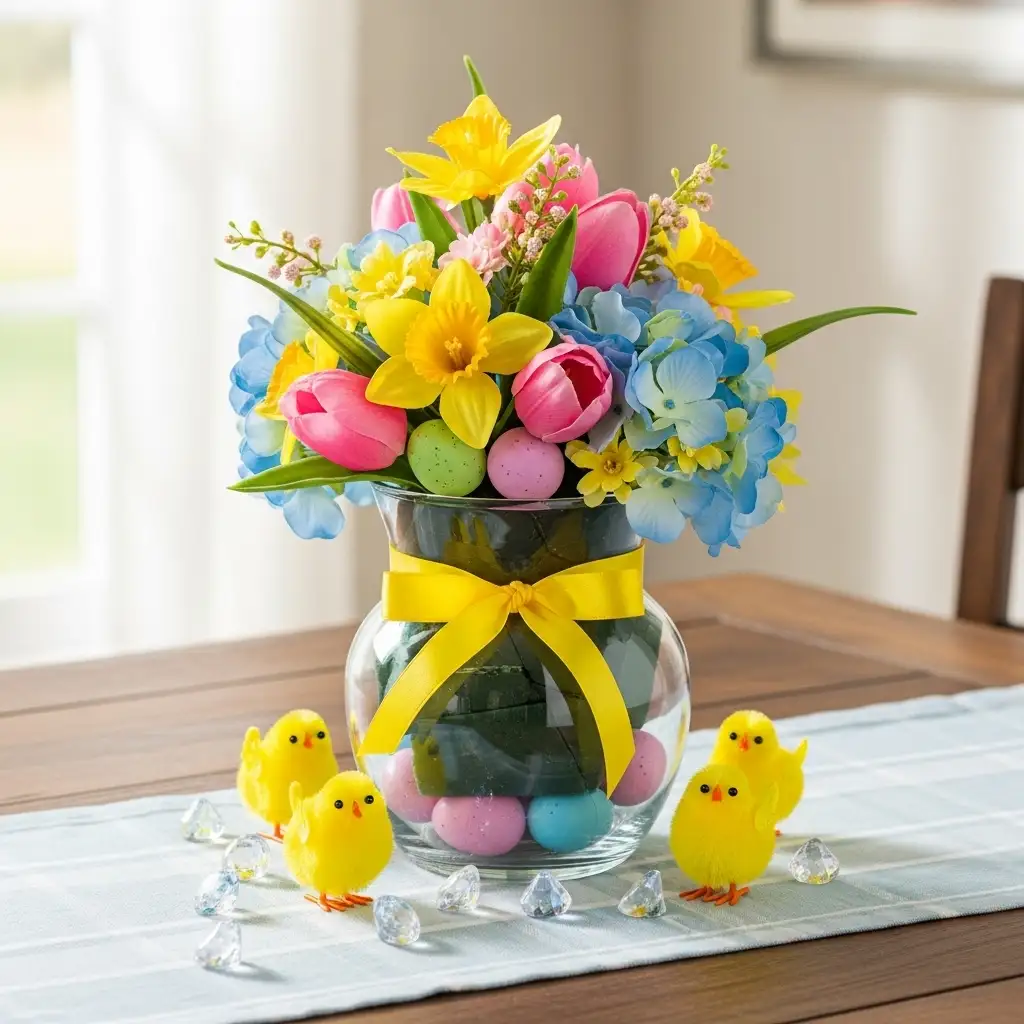
Smarter Ways to Use Budget Decor (Including Dollar Tree Cheap Spring Centerpieces)
Decor on a budget can absolutely look beautiful if used wisely. Affordable stores are not the problem. It is how we shop and style that matters.
How to make inexpensive pieces look intentional
- Choose a color story. Even with Dollar Tree cheap spring centerpieces, pick 2 or 3 colors and repeat them instead of grabbing every pastel you see.
- Group like items. Three similar vases together on a tray often look more stylish than one on its own.
- Mix cheap with “not cheap.” Pair budget finds with one or two nicer pieces, like a quality candle, a heavier glass vase, or a solid wood tray.
Example: Simple spring centerpiece on a budget
For a dining table or coffee table:
- Use a plain, neutral runner or even a folded tea towel as the base.
- Place a sturdy tray in the center. This instantly makes items look more organized.
- Arrange:
- One medium glass vase with a few Dollar Tree faux tulips or greenery, trimmed short and grouped tightly
- One candle in a glass holder
- One small decorative object or stack of two pretty books
This is simple, tidy, and easy to move when you need the table. It does not scream “cheap,” even if most components were very affordable.
Bringing It All Together
Decorating your home should not feel like a constant drain on your bank account. Most of the time, the money-wasting mistakes are not huge splurges. They are the small habits that repeat: buying filler decor, chasing trends, skipping measurements, and trying to decorate around clutter or poor lighting.
The good news is, you do not have to fix everything at once. Pick one room, or even one corner, and make a few thoughtful changes:
- Clear away what you do not love or use.
- Check your lighting and add a lamp if needed.
- Use what you already own in a new way before buying anything new.
- If you do shop, go in with a simple plan and measurements.
Your home does not have to be perfect to feel good. It just needs to work for the way you live and reflect what matters to you. Over time, small, smart decisions add up to a home that feels calm, cozy and uniquely yours, without a constant cycle of buying and replacing.
If you ever feel stuck on where to start, places like Xylon Interior can be useful for exploring ideas, inspiration, and practical ways to solve real decorating problems at home. Use that inspiration as a guide, not a rulebook, and always filter it through your own taste and lifestyle.
Take it one shelf, one wall, one room at a time. Your home is allowed to grow with you, slowly and comfortably. That is not just better for your budget. It is usually how the most welcoming homes are made.



No Comments