

Most people spend hours picking out the perfect sofa, cushions, or wall art, yet the room still feels a little off. That usually happens because the layout, not the décor, is working against them. A living room can look beautiful in pictures, but feel uncomfortable in real life when the flow isn’t right. As interior designers, we often see the same layout mistakes repeated in homes of every size.
The good news is that you don’t need a full makeover to make your living room feel more open, balanced, and relaxing. A few smart layout fixes can completely change how you use and enjoy your space. These are the exact adjustments professionals rely on every day to make rooms look intentional and welcoming.
And before we dive in, a quick mention of Xylon Interiors. Here, you’ll always find fresh ideas, thoughtful tips, and simple solutions that help you bring more comfort and style into your home.
A Quick Overview of the 5 Layout Fixes
Before we explore each layout fix in detail, here’s a quick look at what you’ll learn:
• Place furniture with a purpose instead of pushing it against walls
• Create clear pathways so your room feels open and easy to move through
• Balance furniture size with the room size for a good proportion
• Set up a comfortable conversation zone
• Choose a focal point that brings the whole room together
These are simple changes, but they make a surprisingly big difference once you use them in your own space.
Fix 1: Stop Pushing Everything Against the Walls
What usually goes wrong
One of the most common mistakes homeowners make is pushing every big piece of furniture right up against the walls. It feels natural, especially if you’re trying to make the room appear bigger. But in reality, it creates a wide empty space in the middle and makes the seating area feel disconnected.
Why designers avoid wall-hugging layouts
Designers know that a room feels more comfortable when seating pieces are slightly pulled forward. It creates a sense of closeness and gives the room a more inviting flow. When everything is stuck to the walls, the room can feel cold or echoey, even if it’s beautifully decorated.
How to float furniture the right way
Floating furniture doesn’t mean dragging your sofa into the center. It simply means pulling it forward. Even 6 to 10 inches can change the entire feel of the room. If the room is large enough, you can float the sofa completely and place a console table behind it.

Tips for small living rooms
If you think your room is too small for this trick, try it anyway. Pulling the sofa slightly forward actually creates the illusion of depth and makes the room look well-arranged instead of squeezed.
Example setups
- The sofa pulled forward with small side tables flanking each side
- Two chairs are angled inward toward the sofa
- A rug anchors the whole seating area to make it look intentional
A small shift can instantly make your living room feel more designed and less accidental.
Fix 2: Make Pathways That Let the Room Breathe
How blocked paths make rooms feel tight
Have you ever walked into a room and felt like you had to squeeze around furniture just to get to the sofa? That’s a layout issue. Poor pathways make a room feel cramped, even when it’s not actually small.
The walking space designers keep in mind.
Designers generally follow a simple rule: leave enough open space for easy movement. You don’t need to measure perfectly. Just make sure there’s a clear path from the entry point to the seating area without weaving around furniture.
Where to place sofas, chairs, and tables
Your main sofa should never block the natural flow of the room. Chairs should be placed so people can sit without stepping over something. Side tables should be close enough to reach, not in the walking path.
How to guide movement naturally
Think of the living room like a small map. Ask yourself: where would people naturally walk? Once you understand that, you can position furniture in a way that nudges visitors through the room without effort.
Simple adjustments that help
- Slide a chair slightly to the side
- Shift the coffee table a few inches
- Move a plant or lamp out of the walkway
Small changes can open up the room and make it feel more comfortable.
Fix 3: Match Furniture Size to Room Size
The common proportion mistake
A beautiful sofa will still look wrong if it’s too large for the room. And small chairs in a big living room can look lost. Proportion is one of the biggest layout factors that people overlook.
How proportion affects balance
When furniture fits the size of the room correctly, everything feels harmonious. When it’s off, the room feels cluttered, empty, or mismatched. Designers pay close attention to scale because it controls how your eye reads the space.
Easy ways to test the scale before buying
Here’s a simple trick: use masking tape on the floor to outline the size of the furniture you want. You’ll instantly see if it’s too big, too small, or just right.
Another tip is to consider the height. A very tall sofa can overwhelm a low ceiling, while low-profile furniture works well in small or modern rooms.
Spacing tips designers rely on
- Leave comfortable breathing room between pieces
- Keep coffee tables within easy reach
- Use slim furniture styles in tight rooms and chunkier styles in large ones
Small room vs large room examples
Small living room:
A compact sofa, slim chairs, and a round coffee table help the space feel open and balanced.
Large living room:
A sectional, larger rug, and a mix of chairs help create a grounded seating zone that doesn’t get lost.
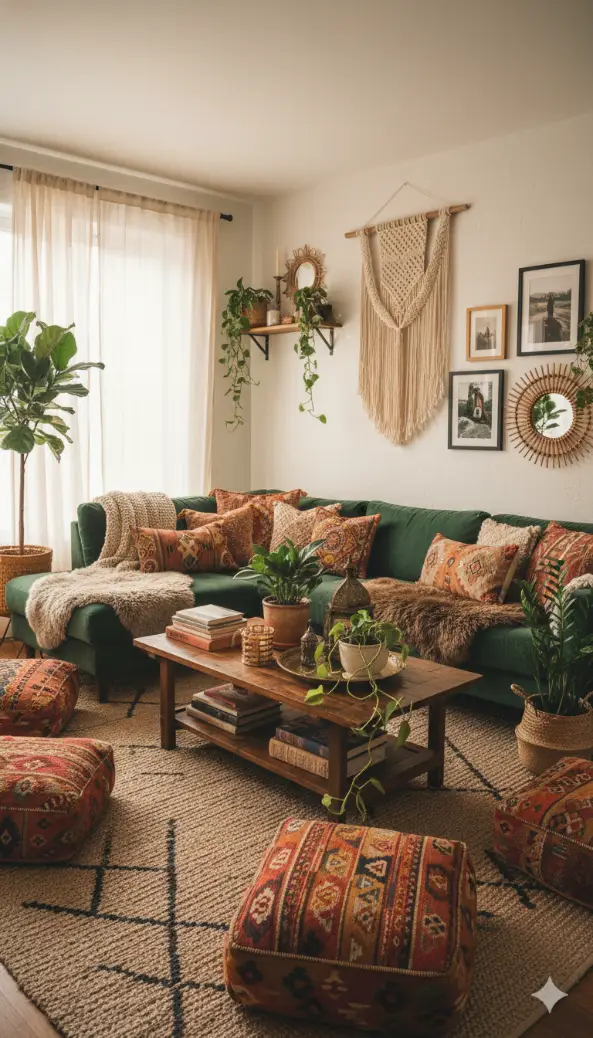
Fix 4: Fix the Conversation Zone
What the conversation zone actually is
Every living room, no matter its size or style, should have one main purpose: to bring people together. That’s where the conversation zone comes in. It’s the area where you and your guests sit, talk, relax, or watch TV. When the seating is too far apart or facing the wrong direction, the room never feels cozy.
Why distance matters more than most people think
Most homeowners unknowingly place chairs way too far apart or angle them awkwardly. A comfortable conversation distance is close enough for people to talk without raising their voices. When the seating is spread out, the room feels disconnected. When it’s too tight, it feels uncomfortable.
The ideal spacing designers keep in mind
A general rule designers follow is to keep seating within about two to three feet of each other. This helps the room feel warm and conversational without feeling crowded. It also makes the room function the way a living room should.
Arrangement ideas that work in almost every home
- Angle two armchairs slightly toward a sofa
- Add an ottoman or bench to complete the seating “circle.”
- Use a coffee table that’s reachable from every seat
- Bring the side tables closer so no one has to stretch
A connected room feels instantly better
Once the seating is arranged to support conversation, the entire room feels more welcoming. Even a simple shift in angle or distance can make your living room feel like a place people want to spend time in.
Fix 5: Choose a Clear Focal Point and Build Around It
Why do living rooms look messy without a focal point?
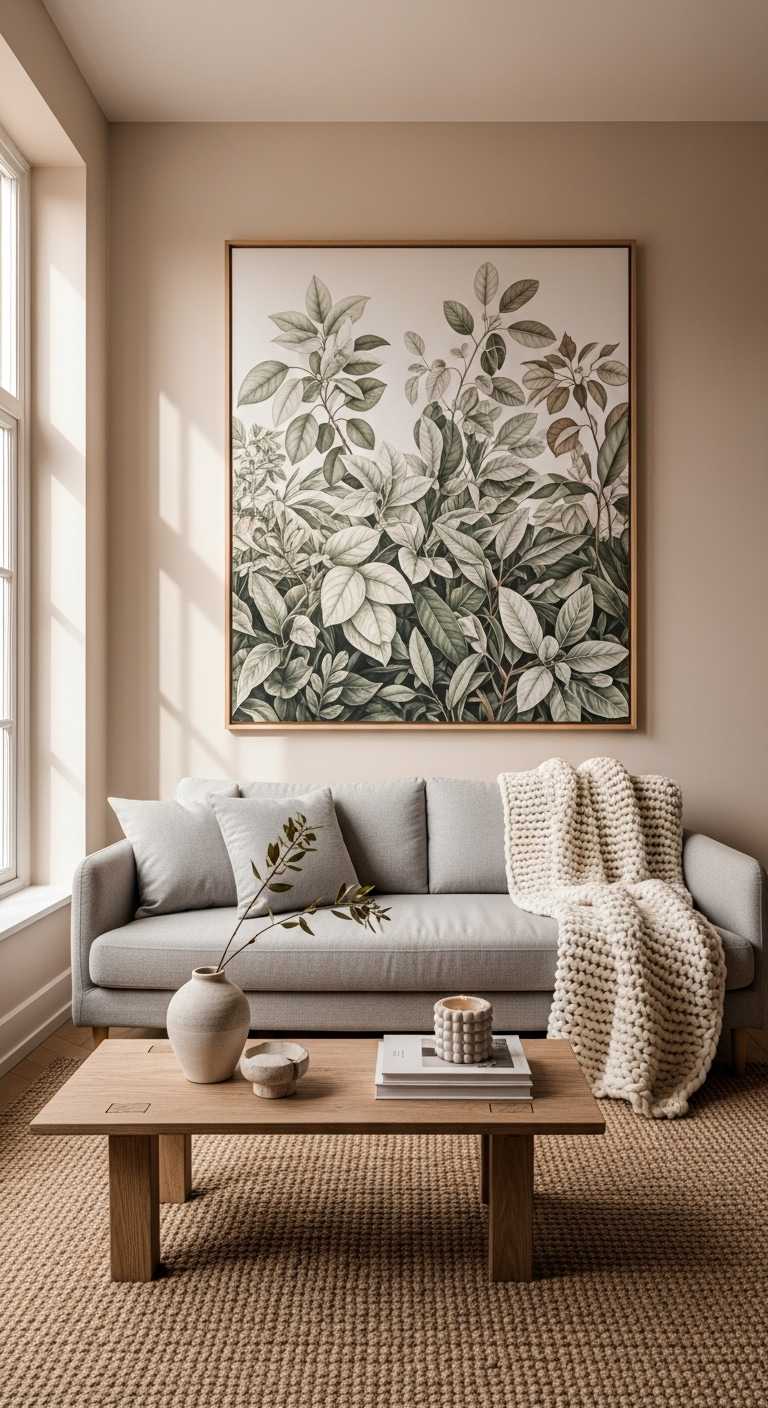
A room without a focal point feels scattered. Your eye has no place to land, so everything competes for attention. Designers always start by identifying or creating a focal point because it brings order and clarity to the layout.
Typical focal points that make sense
Any of these can be the center of attention as long as the layout supports it.
How to arrange furniture around your focal point
If the TV is your main focus, angle the sofa and chairs so that everyone can see comfortably.
If the fireplace or a window view is the star, point the seating toward it.
The key is to let the focal point guide your furniture placement instead of forcing everything to fit awkwardly.
When a room has more than one focal point
Some living rooms have both a fireplace and a TV. In that case, choose one as the primary focal point, and let the other play a secondary role. For example, mount the TV above the fireplace or create a side seating nook that appreciates the view while still connecting to the main layout.
How does this fix change the energy of the room?
Once the focal point is clear, the room instantly feels organized and intentional. Even minimal décor looks better because your layout has a strong anchor.
Bonus Tips Designers Use To Elevate the Layout
These aren’t full layout rules, but they support the five main fixes beautifully.
Use rugs to define zones
A rug helps anchor the seating area, especially in open floor plans. Make sure the front legs of your sofa and chairs rest on the rug to pull everything together.
Add layered lighting
Lighting affects how a layout feels. Mix table lamps, floor lamps, and soft overhead lights to create a warm atmosphere that supports your seating arrangement.
Use décor to highlight the new layout
A throw blanket draped on the sofa, a plant next to an armchair, or a tall lamp near the seating circle can enhance the flow and make the room feel more polished.
Don’t overcrowd surfaces
Clear coffee tables and open side tables make the room feel lighter. Simple styling often supports the layout better than clutter.
Conclusion
The best living rooms aren’t the ones filled with the trendiest furniture. They’re the ones where everything feels easy, comfortable, and natural. When you get the layout right, your décor, colors, and accessories all start to shine.
These five layout fixes are the same ideas interior designers use every day. They help any room, big or small, feel more balanced and welcoming. And the best part is that you don’t need a full renovation to make these changes. A few thoughtful shifts in furniture placement can transform how your home looks and functions.
If you enjoy learning practical ways to improve your space, Xylon Interiors always brings you helpful ideas, solutions, and inspiration to make your home feel beautiful in the simplest ways.




No Comments