
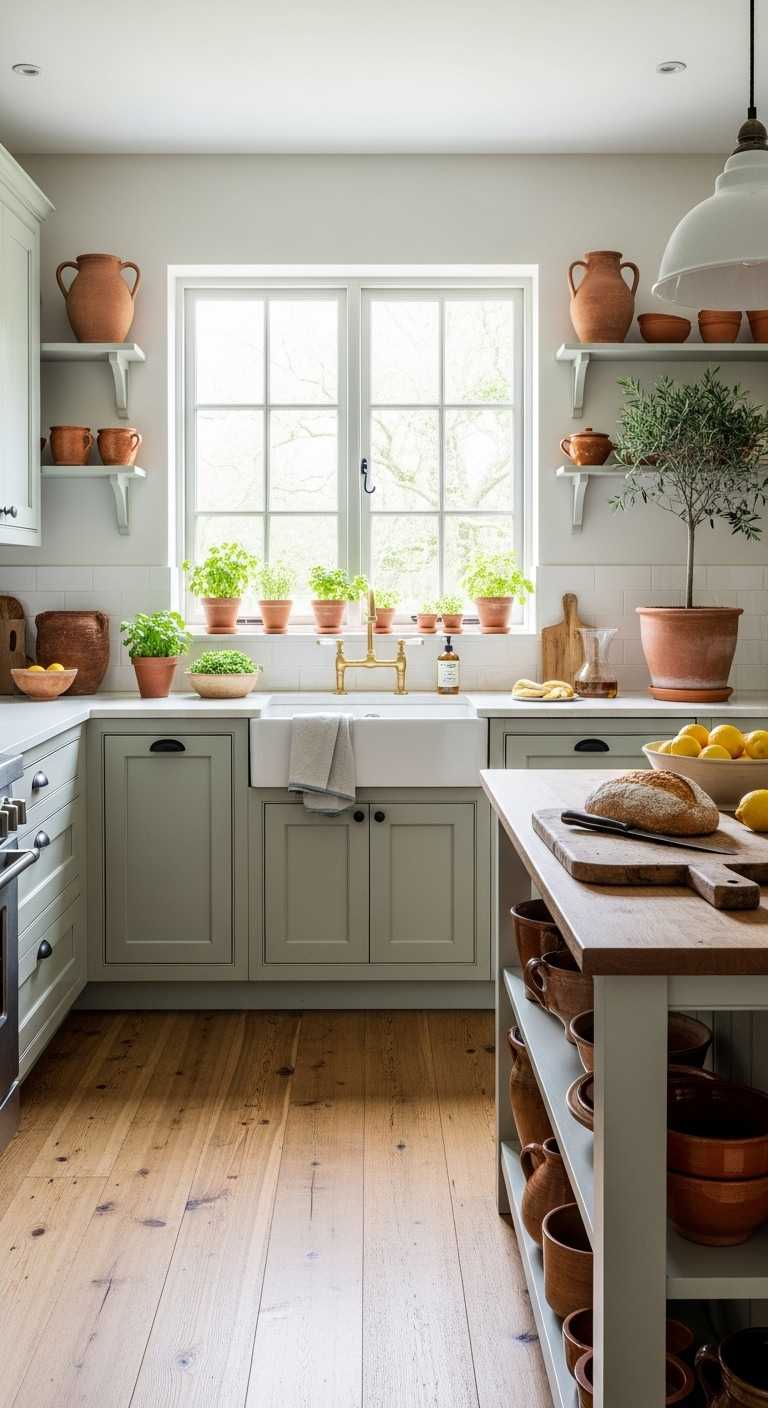
There is something incredibly charming about a small kitchen. It invites creativity. It forces intention. And when designed well, it can feel more personal and soulful than a kitchen twice its size. If you’re working with a compact layout, you don’t need more square footage. You need smart design that considers how you cook, how you move, and how you want the space to feel every day. Here are five ideas I often share with clients when we’re dreaming up a small kitchen that still lives beautifully.
1. Let light take the lead
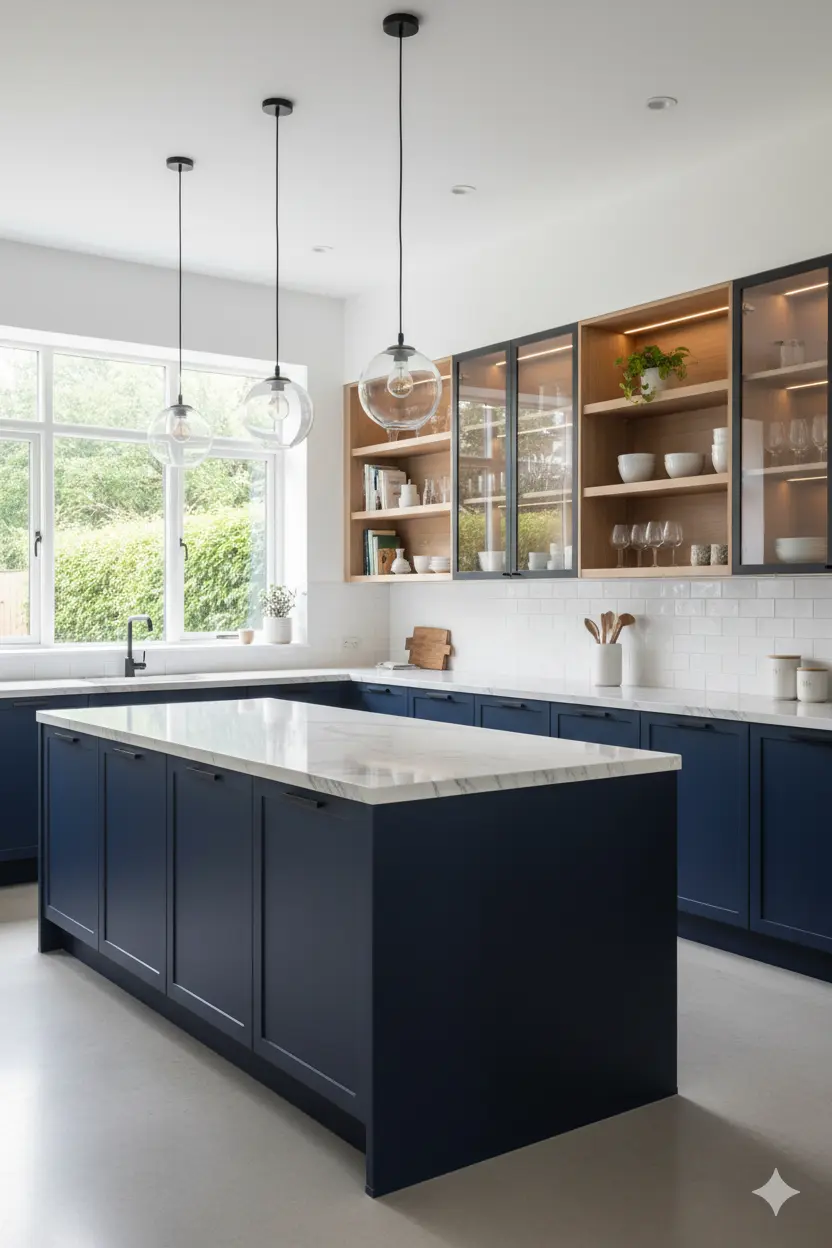
Light is one of the most powerful tools in a tight kitchen. Natural light always wins, so keep window treatments minimal and avoid heavy upper cabinets near windows. I often recommend a simple linen café curtain or even no covering at all to let the daylight pour in. Light creates the feeling of openness, even if the footprint hasn’t changed an inch.
If natural light is limited, bring in layered lighting. Soft under-cabinet LEDs can illuminate your work surface without creating harsh shadows. A warm, diffused pendant above a small island or breakfast ledge can add a gentle glow that feels especially inviting in the evening. The goal is to remove visual heaviness so the room feels airy and uncluttered.
2. Choose cabinetry that visually lifts the room
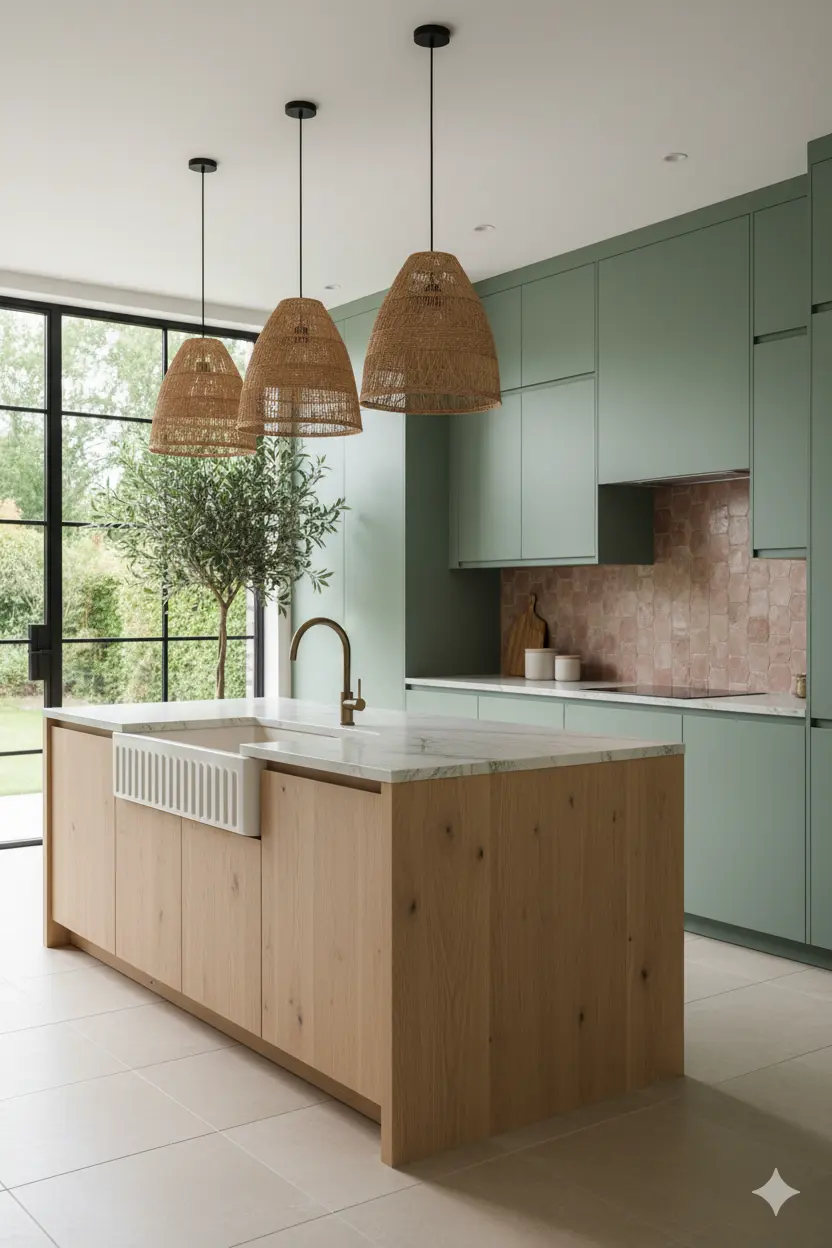
Cabinet style plays a huge role in how spacious a kitchen feels. In small kitchens, I tend to gravitate toward cleaner lines and a lighter palette. Painted shaker cabinets in soft white or pale gray, or natural wood in a blond oak or ash, have a calming presence. They create a sense of visual continuity, which is important when there isn’t much room to hide clutter.
If you want to take it a step further, consider mixing in open shelving. A single open shelf above the sink or stove can break up solid cabinetry and introduce a breath of openness. Just keep the items on that shelf curated: a few ceramic bowls, a stack of everyday plates, maybe a favorite olive oil bottle. The shelf should feel like a display of your essentials, not storage overflow.
3. Prioritize multifunctional surfaces
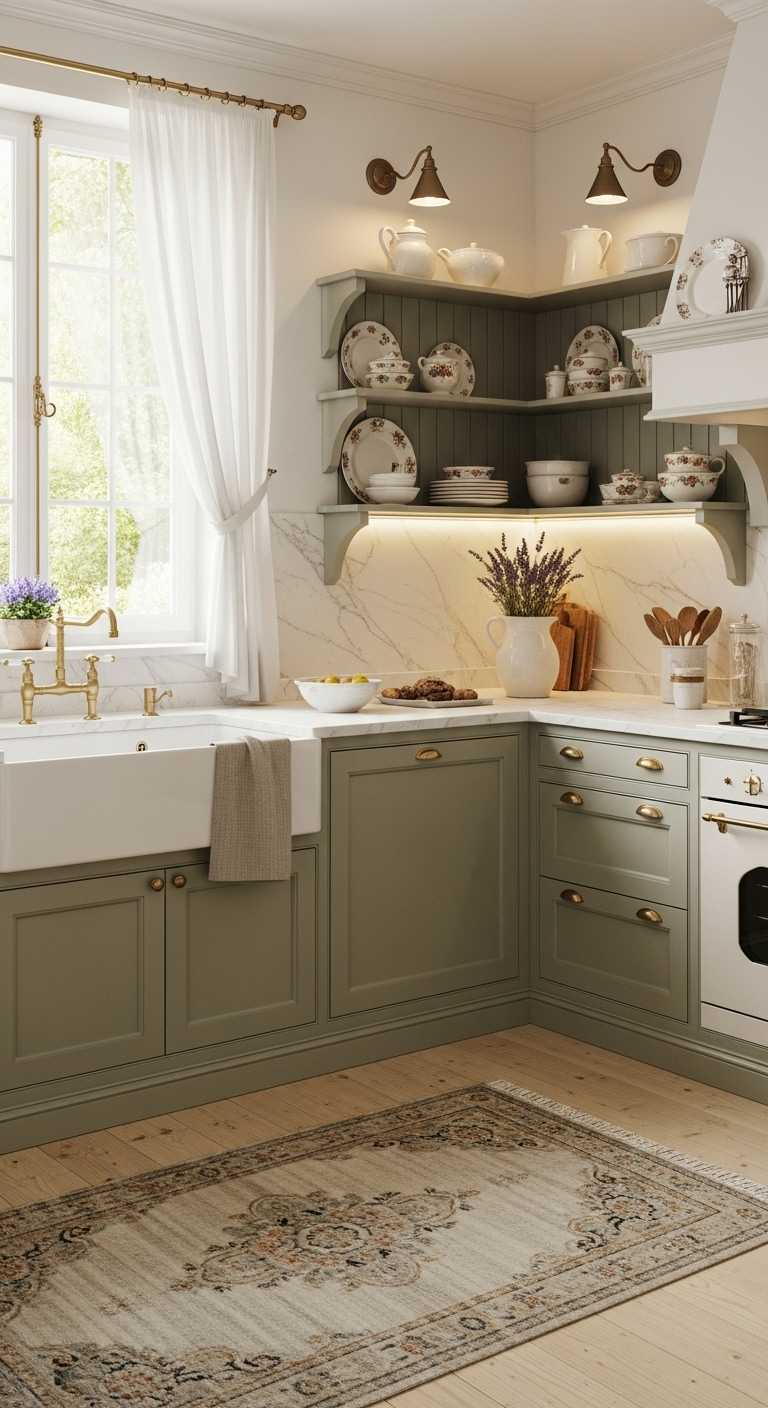
In a small kitchen, every inch needs to work overtime. One of my favorite solutions is a countertop that extends slightly to form a slim breakfast bar or an extra prep zone. It doesn’t need to be wide. Even a ten-inch overhang can create space for morning coffee or a quick sandwich.
Another idea is a movable island or a butcher block cart. These pieces offer flexibility. You can wheel them out when cooking and tuck them away when you want the kitchen more open. Look for materials that age well, like solid maple or walnut, so the piece becomes more beautiful with use. When a kitchen works hard, the materials should be able to keep up gracefully.
4. Use texture to create depth and warmth
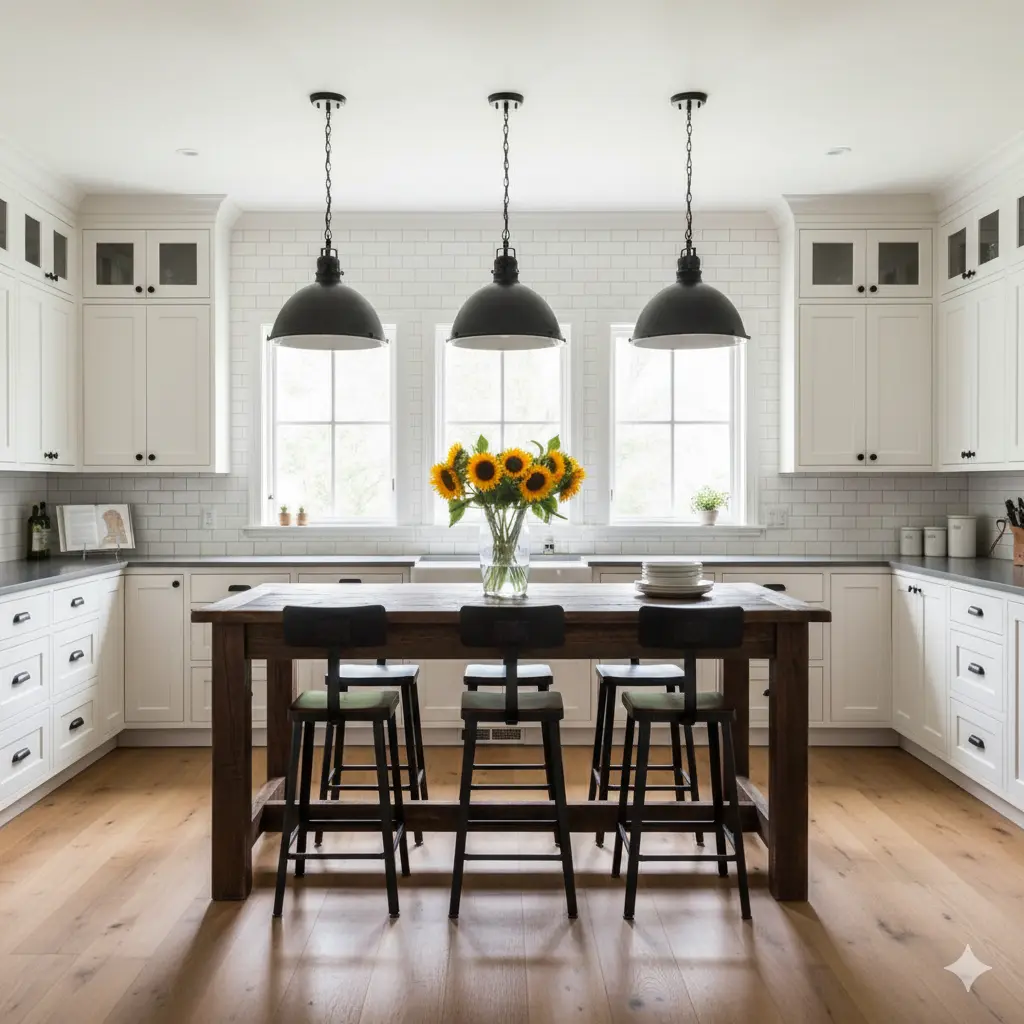
Small kitchens sometimes run the risk of feeling flat or overly utilitarian. Texture is the antidote. When I design compact spaces, I love introducing tactile elements that make the room feel layered and lived in.
Think matte finishes instead of high gloss for a softer feel. Add a hand-glazed tile backsplash. Choose a natural stone with gentle veining, or if the budget calls for something more approachable, pick a quartz that mimics the quiet movement of marble. Even small details like woven barstools, a textured runner, or a wooden cutting board leaning against the wall can bring dimension and warmth.
Texture gives the eye places to rest and enjoy, which helps a small kitchen feel more welcoming and less confined.
5. Keep only what supports the way you live
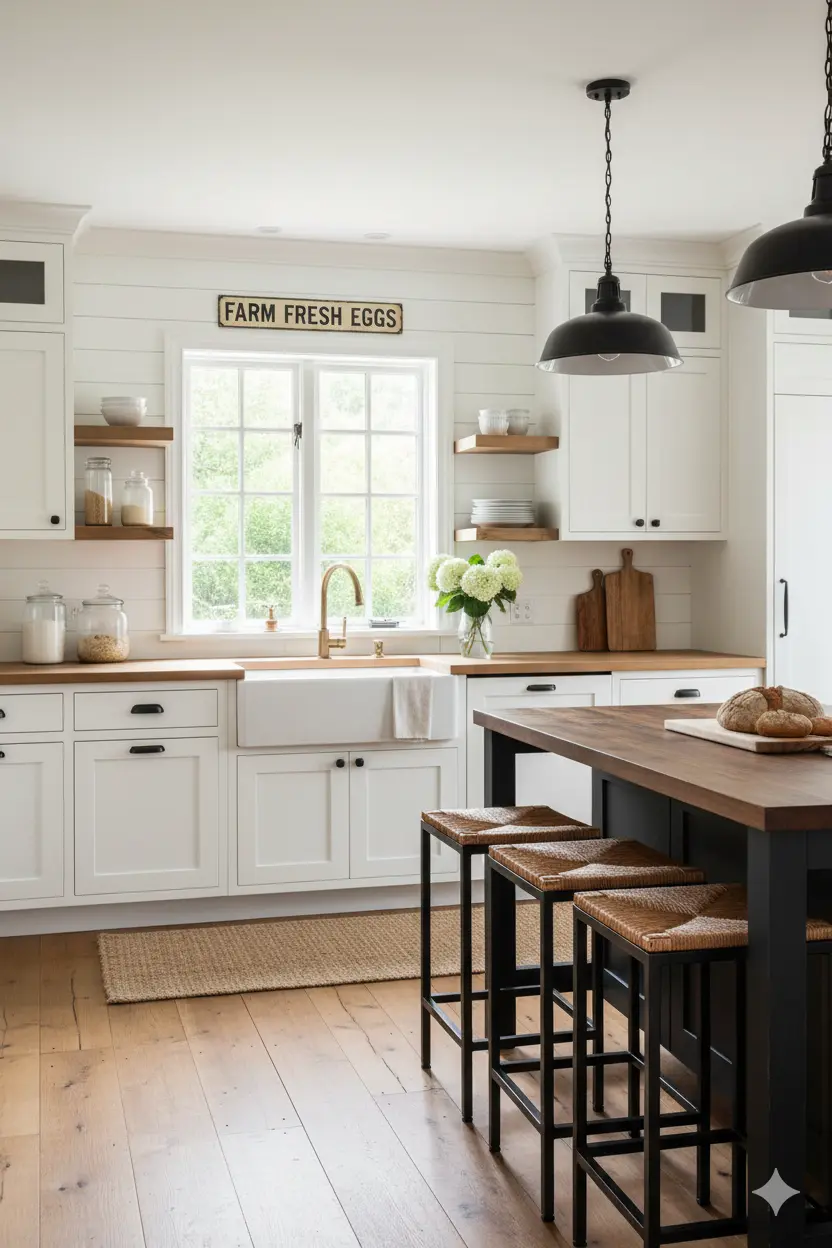
The most transformative design choice in a small kitchen has nothing to do with paint colors or tile patterns. It’s about editing. When space is limited, clutter becomes the enemy of beauty and functionality. I always encourage clients to think honestly about the tools and appliances they actually use.
If you haven’t reached for that oversized blender in two years, it doesn’t deserve prime real estate. Give the essentials a dedicated place and eliminate the rest. Clear counters allow your materials to shine: the warmth of the wood, the soft sheen of the hardware, the subtle pattern of the stone. When the surfaces breathe, the whole kitchen feels calmer and more intentional.
This kind of editing isn’t about minimalism for the sake of minimalism. It’s about making room for the things that genuinely support your daily rituals.
A final thought
Small kitchens are full of potential. They encourage you to be selective, thoughtful, and creative. When you choose materials you love, let light work its magic, and keep the layout simple and fluid, even the tiniest kitchen can feel high-end and deeply personal.
If you’re reimagining your own small space, start with one idea that resonates most. Sometimes, all it takes is better lighting or a beautifully textured backsplash to shift the entire mood of the room. And once you feel that change, the rest of the design tends to fall into place with natural ease.

No Comments