

Most people spend hours decorating their living room, but still feel like something is “not quite right.” The room may look cluttered, too tight, or simply uncomfortable without anyone understanding why. The truth is that living rooms usually suffer from a few very common design mistakes, and once these are fixed, the entire space starts to feel open, balanced, and more inviting.
In this guide, we’ll break down eight everyday living room mistakes and show you the easiest ways to fix them without spending a fortune. These are simple corrections that make a big difference, whether you live in a small apartment or a spacious home.
At Xylon Interiors, we work with a simple belief — good design doesn’t have to be complicated. Anyone can create a calm, beautiful living room with the right ideas, inspiration, and a little guidance.
Before diving deeper, here’s a quick snapshot of the mistakes we’ll cover:
- Furniture pushed against the walls
- Sofas that are too big or too small
- Poor lighting
- No focal point
- Artwork hung at the wrong height
- Rugs that are too small
- Ignoring vertical space
- Cluttered, busy surfaces
Now let’s explore them in detail and talk about how you can fix each one with confidence.
Mistake 1: Pushing All Furniture Against the Walls
This is one of the most common layout issues in living rooms. People usually do it because they think pushing furniture against the walls will make the room feel bigger. In reality, the opposite happens. Everything looks disconnected, and the middle of the room becomes a big empty area that doesn’t feel comfortable.
Why does this affect your space
When furniture sits far apart, conversations feel awkward, the room loses its coziness, and the space looks unfinished.
Easy Fix
- Pull your sofa and chairs slightly inward. Even a shift of six to eight inches can make a huge difference.
- Create a seating zone where pieces face each other naturally.
- Use a rug to anchor the layout and visually connect everything.
If your living room is small, you don’t need to float everything in the middle. Even a small gap between furniture and the wall brings warmth and depth.
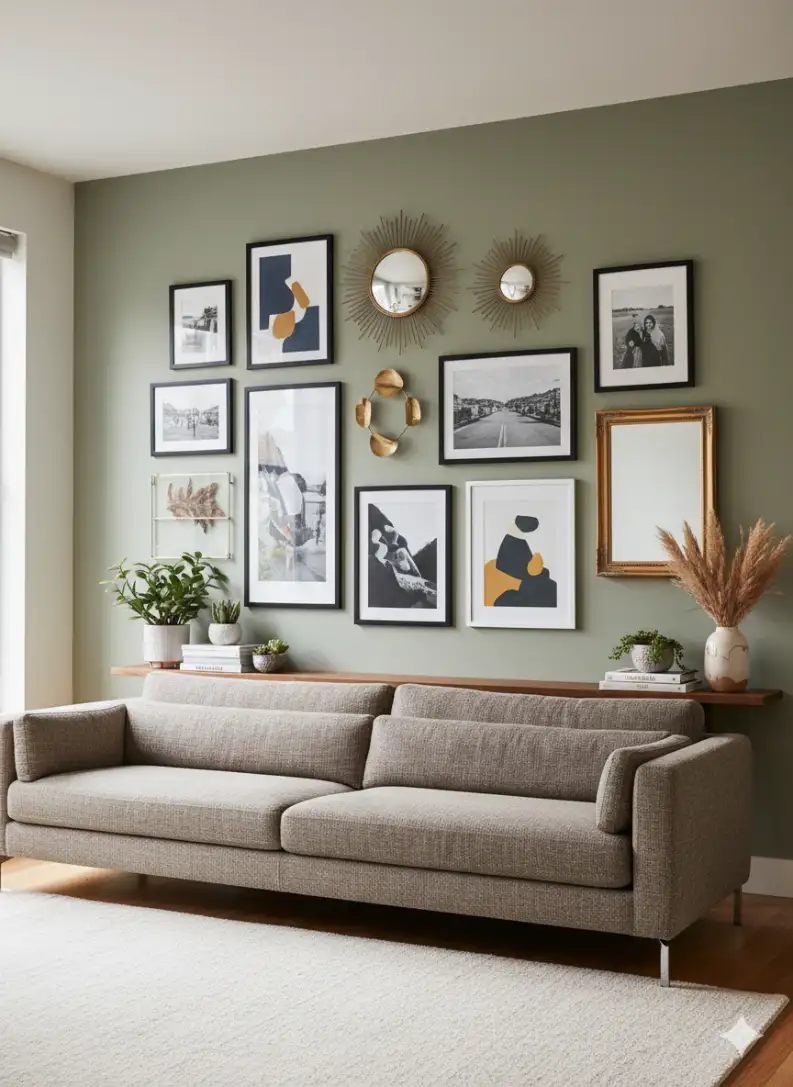
Mistake 2: Choosing the Wrong Sofa Size
The sofa is the heart of the living room, which is why its size can make or break the whole setup. A very large sofa in a small room feels heavy and overwhelming. A small sofa in a big room looks lost and makes the space feel empty.
Why this matters
The sofa sets the tone for the room’s scale. If it’s out of proportion, everything around it starts looking mismatched, no matter how beautiful the décor is.
Easy Fix
- For small rooms: Choose a sofa with slim arms and a clean silhouette. Avoid bulky recliners and oversized sectionals.
- For larger rooms: A sectional or a wider sofa works better because it fills the space and makes it feel grounded.
If replacing the sofa isn’t possible right now, try adding:
- accent chairs
- a side table
- layered rugs
These help visually balance the room without a major purchase.
Mistake 3: Poor Lighting or Relying on One Light Source
Lighting decides the mood of your living room. Many homes depend only on ceiling lights, which make the space feel flat and harsh. A well-designed living room always uses layered lighting so the room feels warm and inviting at any time of day.
Why does this become a problem
One single light source creates shadows in the corners and eliminates depth. This makes the room look smaller and less cozy.
Easy Fix
Use three types of lighting:
- Ambient lighting: your main light
- Task lighting: table lamps or floor lamps for reading
- Accent lighting: soft lights that highlight art or décor
Even adding one lamp can improve the entire atmosphere. Choose warm bulbs instead of bright white ones to create a softer, more relaxing environment.

Mistake 4: No Clear Focal Point
A room without a focal point feels scattered. Your eyes don’t know where to land, so the space looks busy and confusing. Every good living room has one main feature that naturally draws attention and makes the layout feel intentional.
Common causes
This happens when the TV competes with décor, or the furniture is arranged without direction, or there’s nothing in the room that acts as an anchor.
Easy Fix
Choose one main focal point, such as:
- The TV wall
- A fireplace
- A large piece of artwork
- A styled bookshelf
- A feature wall with texture or color
Once you decide what the focal point is, arrange your seating to face or complement it. This instantly brings structure and balance to the room.
Mistake 5: Hanging Artwork at the Wrong Height
A beautiful piece of art can completely change the feel of a room, but only if it’s hung at the right height. Most people hang artwork too high, which makes the room feel stretched and disconnected from the furniture below it.
Why this mistake stands out
When artwork floats too high, the eye has to work harder to connect different elements of the room. This breaks the visual flow and makes the space feel awkward.
Easy Fix
A simple rule works almost every time:
- Hang artwork so the center sits roughly at eye level for the average person.
- In living rooms, where people sit most of the time, art looks best a little lower.
If you have multiple frames, treat them as one unit and hang them as a group. Creating a gallery wall with balanced spacing is often easier than placing one oversized piece.
Mistake 6: Using Rugs That Are Too Small
Small rugs are one of the fastest ways to make a living room feel tiny and unfinished. Many people buy a rug based on price, not size, and end up with something that barely reaches under the front legs of the sofa.
Why small rugs shrink your space
When the rug is too small, it breaks the connection between the furniture pieces and leaves everything feeling scattered. A large rug, on the other hand, brings all elements together and makes the room look larger.
Easy Fix
Here’s a simple guide:
- Sofa + two chairs: Choose a rug big enough for all front legs to sit on the rug.
- Sectional sofa: Pick a rug that covers the entire seating area and extends beyond the edges.
- Small rooms: Even a medium-sized rug placed correctly can make the room feel bigger.
If a large rug is out of budget, layer a smaller rug on top of a bigger, cheaper one, like jute. This gives the look of a large rug at a fraction of the cost.
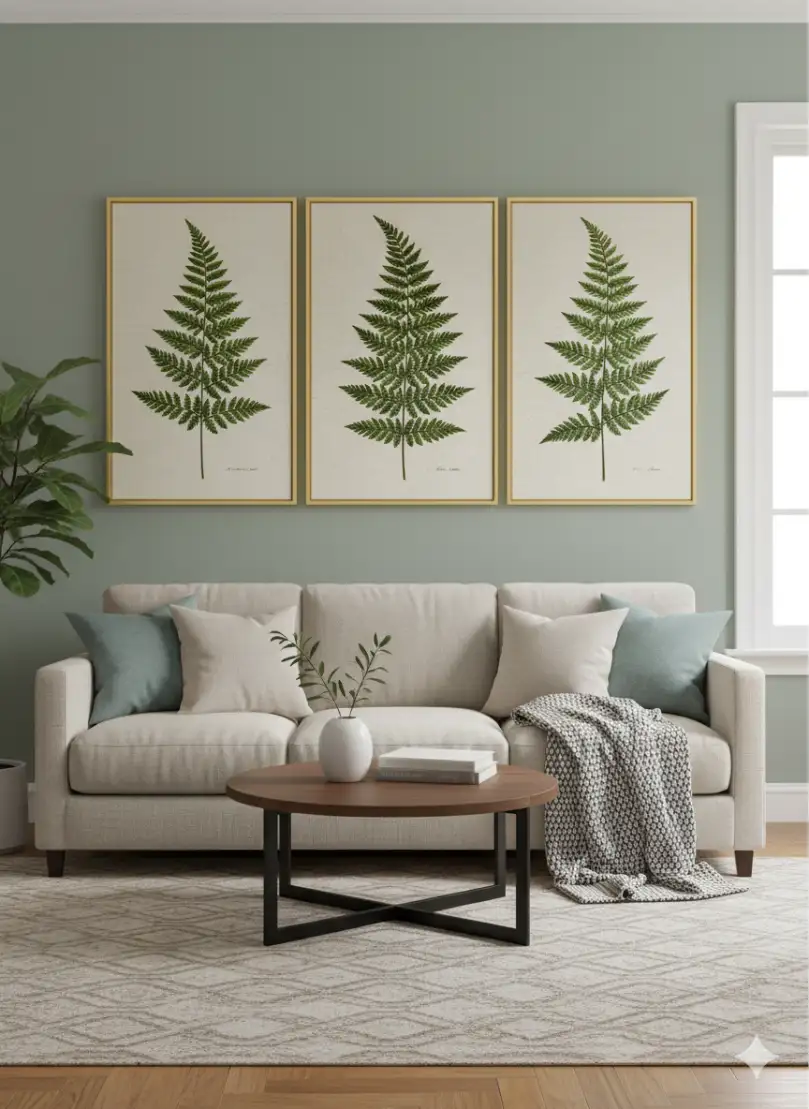
Mistake 7: Ignoring Vertical Space
Most decorating happens at eye level or below, which means the upper half of the room often gets ignored. When vertical space isn’t used, the room feels shorter and less dynamic.
Why vertical height matters
Your walls, corners, and even ceiling lines add shape to the room. When these areas stay empty, the space can feel flat and lower than it actually is.
Easy Fix
Use height smartly with:
- Tall plants
- Floor-to-ceiling curtains
- Wall-mounted shelves
- Stacked artwork
- Slim bookcases
These vertical elements pull the eyes upward and instantly make the room feel taller and more balanced.
Mistake 8: Cluttered Surfaces & Too Many Small Décor Items
It’s easy to get excited about décor and end up with too many little items — candles, mini frames, figurines, small trays, souvenirs, and more. All these pieces make the surfaces look busy and take away from the room’s calmness.
How clutter affects your living room
Even if the room is technically clean, scattered décor makes it feel messy. Your eyes jump from object to object instead of taking in the space as a whole.
Easy Fix
- Keep only a few meaningful pieces on display.
- Group items in sets of two or three.
- Choose larger décor pieces that make a statement instead of many tiny items.
- Give each surface a purpose, whether it’s for decoration, storage, or minimal display.
Your living room should feel open enough for your mind to relax, not overloaded with visual noise.
How to Rebalance Your Living Room in One Weekend
Once you understand the common mistakes, refreshing your living room becomes much easier. You don’t need major renovations. A few intentional steps over the weekend can completely transform the space.
Step-by-step reset plan
Step 1: Declutter surfaces
Remove everything from tables, consoles, and shelves. Add back only what truly enhances the room.
Step 2: Fix the layout
Pull furniture inward, create a seating zone, and make sure the arrangement connects to your focal point.
Step 3: Adjust lighting
Add a floor lamp or table lamp if needed. Replace harsh bulbs with warm ones.
Step 4: Check your rug size
Reposition or layer rugs to better anchor your space.
Step 5: Correct artwork height
Lower your frames or rearrange them into a more balanced grouping.
Step 6: Use vertical space
Hang shelves, add a tall plant, or update your curtains.
These small changes work together to make any living room feel fresher, more open, and more thoughtfully designed.
Conclusion
Creating a comfortable, stylish living room isn’t about buying expensive furniture or filling the space with trends. It’s about understanding what makes a room feel balanced and adjusting the small details that shape how you experience your home every day.
Once you avoid these common mistakes and apply the simple fixes, your living room can feel bigger, brighter, and far more welcoming.
Suppose you enjoy learning practical tips, design ideas, or smart home styling solutions. In that case, Xylon Interiors is a great place to explore more inspiration for your next project. The goal is always the same — helping you build a living space that feels good to live in.





No Comments