
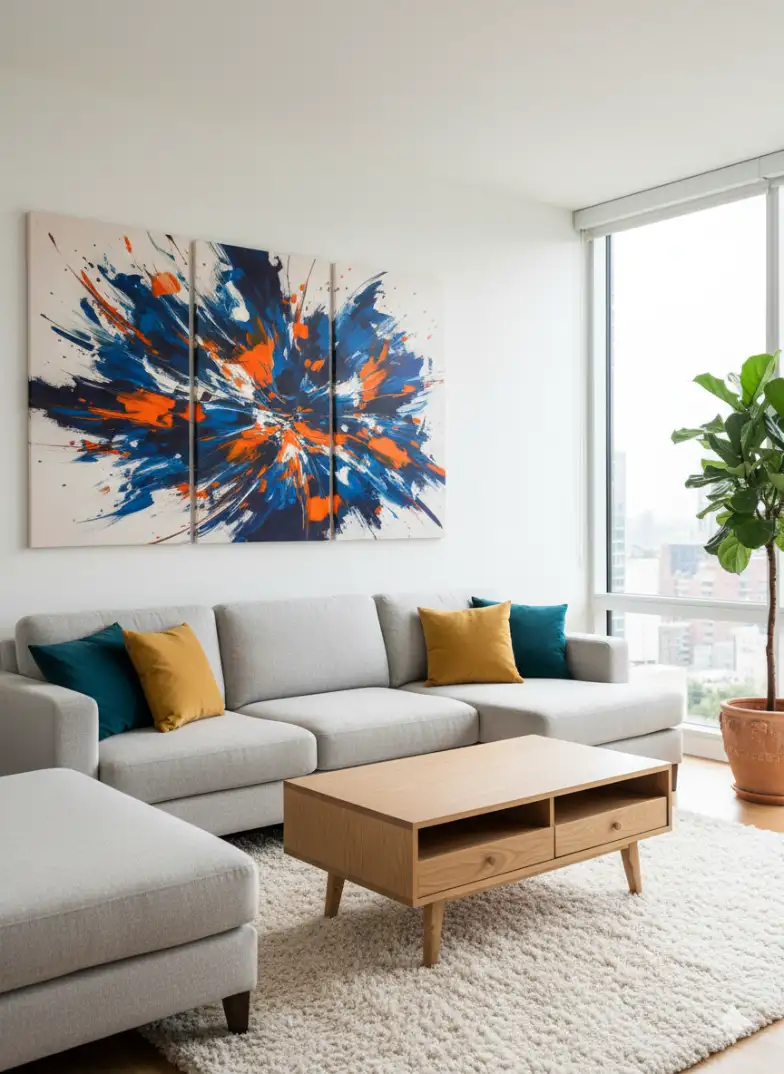
Why Small Living Rooms Feel Tight and How Simple Decor Fixes Change Everything
Most living rooms feel small, not because of their actual size, but because of how they’re arranged and styled. A bulky sofa, dark color palette, heavy curtains or even poor lighting can make a perfectly normal room feel cramped. The good news is that you don’t need a renovation or expensive furniture to make your space look and feel bigger. A few smart decor adjustments can completely change how open and comfortable your living room feels.
At Xylon Interiors, we always believe that great design is about creating rooms that feel good to live in. With the right ideas, even the smallest living room can look spacious, welcoming and beautifully arranged.
Quick Overview of the 6 Decor Tricks
Before we dive into the details, here’s a quick look at the six tricks that can instantly expand how your living room feels:
- Light and airy color tones that open up the room
- Furniture with the right scale so your space doesn’t feel overcrowded
- Mirrors and reflective surfaces to add depth
- Layered lighting that brightens every corner
- Clean visual lines for a clutter-free look
- Vertical elements that draw the eye upward and make the ceiling feel higher
Now let’s break them down one by one so you can use them confidently in your own home.
Trick 1: Use Light and Airy Colors to Open Up the Room
Color plays a huge role in how spacious a room feels. Light colors reflect more light, which makes the walls seem further apart. This instantly creates a sense of openness.
Why it Works
When you use soft shades like warm white, beige, pale gray or muted pastels, the room feels brighter and less heavy. Dark colors absorb light and visually shrink the space, which is why small rooms often feel more closed in with deeper tones.
Tips for Choosing the Right Colors
- Stick with lighter shades for walls, large furniture and curtains
- Add depth with soft accent colors through cushions and throws
- Keep the palette cohesive so the room feels seamless rather than broken into sections
Smart Pairings
If you choose a cool-toned wall color, pair it with light wood furniture or soft textiles to keep the room warm and inviting. If you prefer neutral walls, add subtle patterns to bring life without overwhelming the space.
Trick 2: Choose the Right Furniture Scale and Placement
One of the most common mistakes people make is choosing furniture that’s simply too large for the room. Even a beautiful sofa can feel wrong if its scale doesn’t match the space.
Why Oversized Furniture Shrinks a Room
Large pieces block movement and dominate the layout, making a small living room feel crowded. The room ends up looking full even when there aren’t many items in it.
What to Look For Instead
- Slim-arm or armless sofas
- Chairs with open frames or legs that lift them off the floor
- Coffee tables with simple structures
- Furniture with rounded edges to improve flow
The Power of Good Placement
Where you place furniture matters just as much as what you choose.
- Leave enough room for natural walkways
- Avoid pushing everything against the walls
- Try floating the sofa slightly forward to create breathing space
- Keep the center of the room fairly open
A well-planned layout can instantly make the living room feel more spacious and comfortable.
Trick 3: Add Mirrors and Reflective Surfaces to Create Depth
If you’ve ever walked into a room with a large mirror, you’ve probably noticed how much bigger the space feels. Mirrors can double the visual area by reflecting light and drawing the eye further into the room.
Where to Place Mirrors for Maximum Impact
- Opposite a window to bring in natural light
- Above a console table to make an entry wall feel taller
- Behind the sofa for added depth
- On a narrow wall to create width
Other Reflective Surfaces That Work
You don’t have to rely on mirrors alone. Small touches also help:
- Glass coffee tables
- Glossy decor pieces
- Chrome or brass lamps
- Shiny side tables
These subtle reflective surfaces catch light and keep the room feeling fresh and open without taking up extra space.
Trick 4: Layer Your Lighting to Make the Room Feel Airy
A dim living room instantly feels tighter because shadows gather in corners and make the walls feel like they’re closing in. Good lighting, especially layered lighting, opens everything up.
Why Layered Lighting Works
When a room has only one overhead light, all the focus sits in the center while the edges stay dark. This creates a boxed-in feeling. But when you mix different types of lighting, the entire room brightens evenly and feels more spacious.
Types of Lighting to Include
- Ambient lighting to brighten the room overall
- Task lighting for reading corners or work areas
- Accent lighting to highlight shelves, art or architectural features
Practical Lighting Tips
- Place a floor lamp in a dark corner to instantly “expand” that area
- Add wall sconces to lift the eyes upward
- Use table lamps to create soft, warm pockets of light
- Choose warm white bulbs for a cozy but open feel
Good lighting doesn’t just improve visibility. It lifts the mood of the room and makes the space feel bigger, brighter and more inviting.
Trick 5: Keep Visual Lines Clean and Uncluttered
Clutter shrinks a room faster than anything else. Even beautiful decor can feel overwhelming if there’s too much of it or if it breaks the visual flow of the space.
Why Clean Visual Lines Make Rooms Look Larger
When your eye moves around the room without interruption, the space naturally feels more open. But if objects constantly block the view, the room feels shorter and heavier.
How to Create Clean Lines
- Choose furniture with simple designs
- Keep surfaces like coffee tables and shelves lightly decorated
- Store everyday items in closed cabinets or baskets
- Avoid bulky decor pieces that disrupt the view
A Simple Rule to Remember
If something doesn’t add value to the room, remove it. Empty space is just as important as the things you choose to display. A few well-chosen pieces can do more for the room than dozens of small items.
Clean lines and intentional styling instantly create a calmer and larger-looking living room.
Trick 6: Add Vertical Elements to Draw the Eye Upward
When you want a room to feel bigger, height is your best friend. Vertical styling tricks make the ceiling look taller, giving the entire space a more open feel.
Easy Vertical Decor Ideas
- Hang curtains high, closer to the ceiling
- Choose tall plants or floor lamps
- Install vertical artwork or gallery walls
- Add shelving that extends upward rather than outward
Why Vertical Design Works
When the eye is naturally guided upward, it creates the illusion of a taller room. Taller spaces always feel larger, even if the square footage stays the same.
Keep It Balanced
While vertical elements help, don’t overload every corner with height. A few strong vertical lines are enough to stretch the room visually without overwhelming the space.
Bonus Tips to Enhance the Spacious Look
Once you apply the main tricks, these extra touches can take your living room even further:
Choose the Right Rug Size
A small rug makes the room feel smaller. A larger rug pulls the space together and gives your furniture an anchored layout.
Use Transparent or Open-Frame Furniture
Pieces like acrylic coffee tables, glass side tables or open metal frames create space without adding visual weight.
Rearrange the Layout Regularly
Sometimes all you need is a fresh layout that creates better flow. Even moving the sofa or shifting a chair can open up the room instantly.
A Bigger Living Room Starts With Smart Choices
Making a living room feel bigger isn’t about tearing down walls or buying new furniture. It’s about choosing decor and layouts that work with your space instead of against it. Light colors, good lighting, clean lines and a few smart tricks can completely change how your home feels.
At Xylon Interiors, every home has the potential to look spacious, comfortable and beautifully styled with the right ideas. Start with small adjustments, observe how your room responds and keep experimenting until the space feels just right.
Your living room may stay the same size on paper, but with thoughtful design, it can feel twice as open in real life.



No Comments