

There’s something about a well-designed living room that instantly feels calmer and more put-together, almost like you walked into a boutique hotel suite. It’s usually not one big dramatic feature but a mix of small choices—layout, materials, lighting, and how everything works together.
These ideas come from real-life design habits I use when setting up client spaces, and they’re simple enough for anyone to adapt at home.
1. A calm neutral layout that relies on good proportions
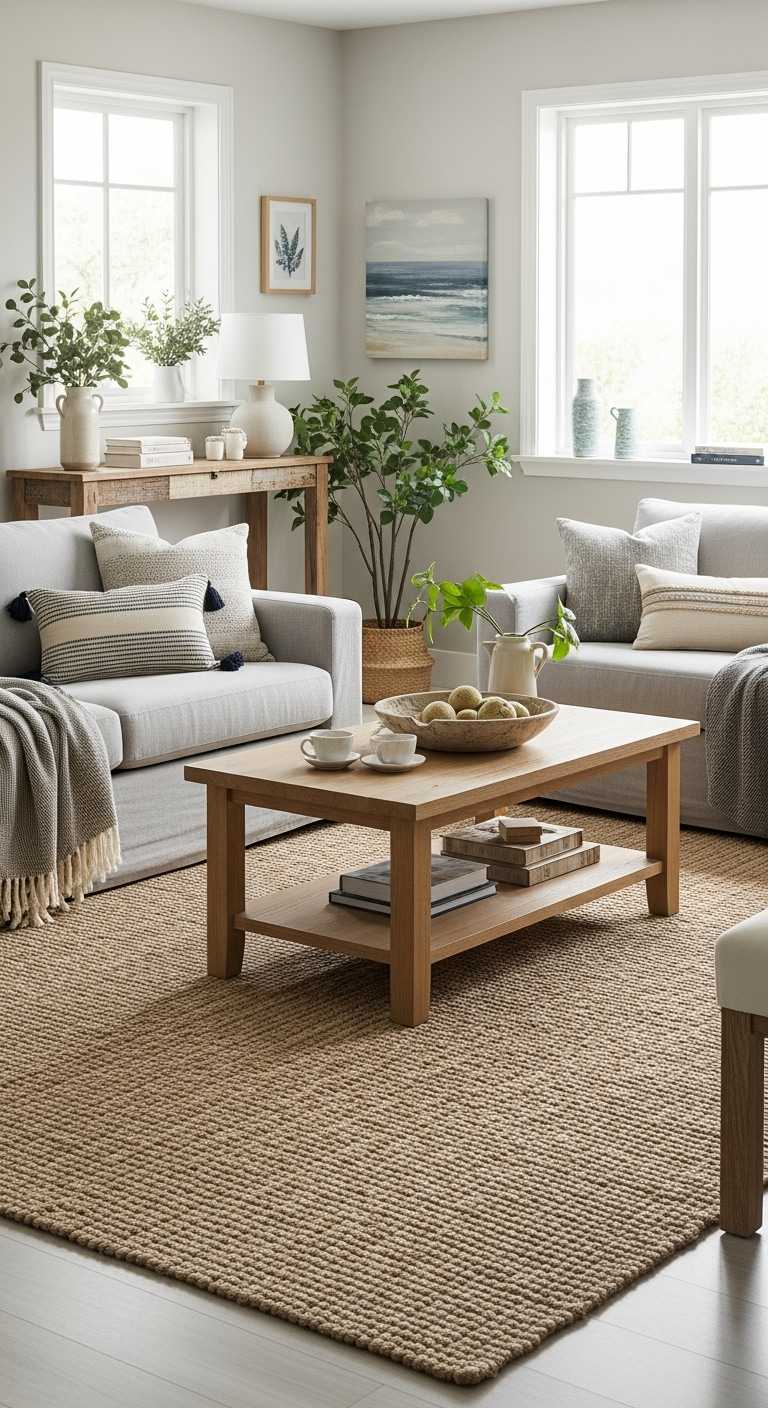
A neutral palette always sounds simple, but the real secret is getting the proportions right. When the sofa isn’t too bulky and the tables aren’t oversized, the whole room settles into a quiet balance. I’ve noticed clients relax more in rooms where nothing fights for attention. If you’re unsure, start with one anchor piece—usually the sofa—and size everything else around it. A quick trick: leave at least 16–18 inches between the sofa and coffee table so the area feels intentional, not cramped.
2. A sectional that creates a natural conversation zone
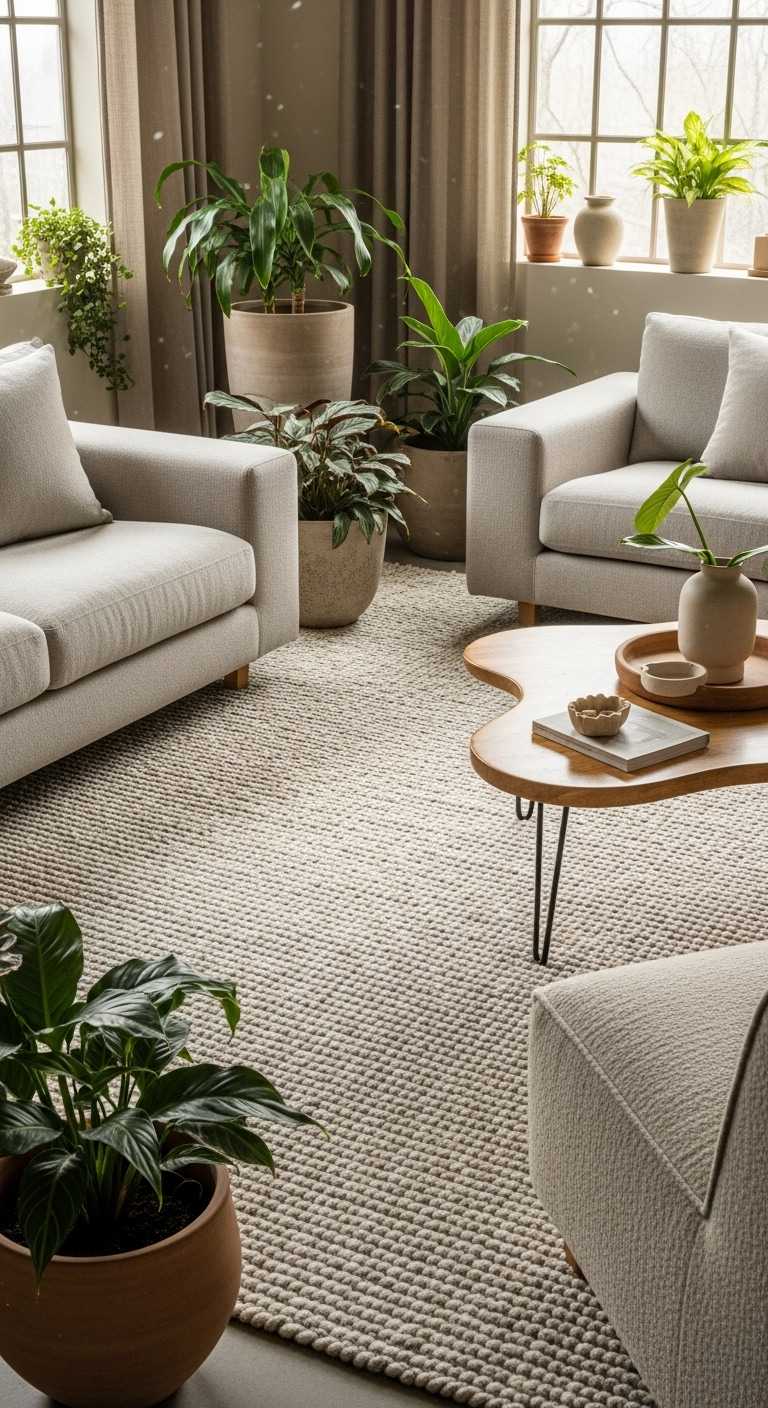
Sectionals work best when they create a cozy corner rather than dominating the room. I like ones with clean lines so they don’t visually swallow the space. When the seating wraps around itself, people naturally gravitate to that spot. If you’re choosing one, measure everything twice—sectionals easily look larger in real life than in a showroom. Try placing a slim floor lamp behind the shorter side for a hotel-like glow.
3. Subtle lighting layers that make the room feel intentionally designed

Good lighting is 80% of that “suite” feeling. Instead of relying on a single overhead fixture, build a mix of floor lamps, sconces, or small table lamps. You don’t need many—just two or three spaced around the room. This evens out the shadows and makes the room feel gentler at night. A homeowner tip: use warm bulbs, around 2700K, to avoid that cold office vibe.
4. Mixing soft textures to create a quiet, upscale mood

When everything in a living room is smooth, it can feel a little flat. I like combining a nubby throw, a soft rug, and a suede or velvet accent. You don’t need dramatic colors; the interest comes from how the materials catch the light. This layering adds depth without chaos. If you’re trying this at home, swap just one or two items first—pillows are the easiest place to start.
5. A low, tailored sofa that gives the room a quiet confidence
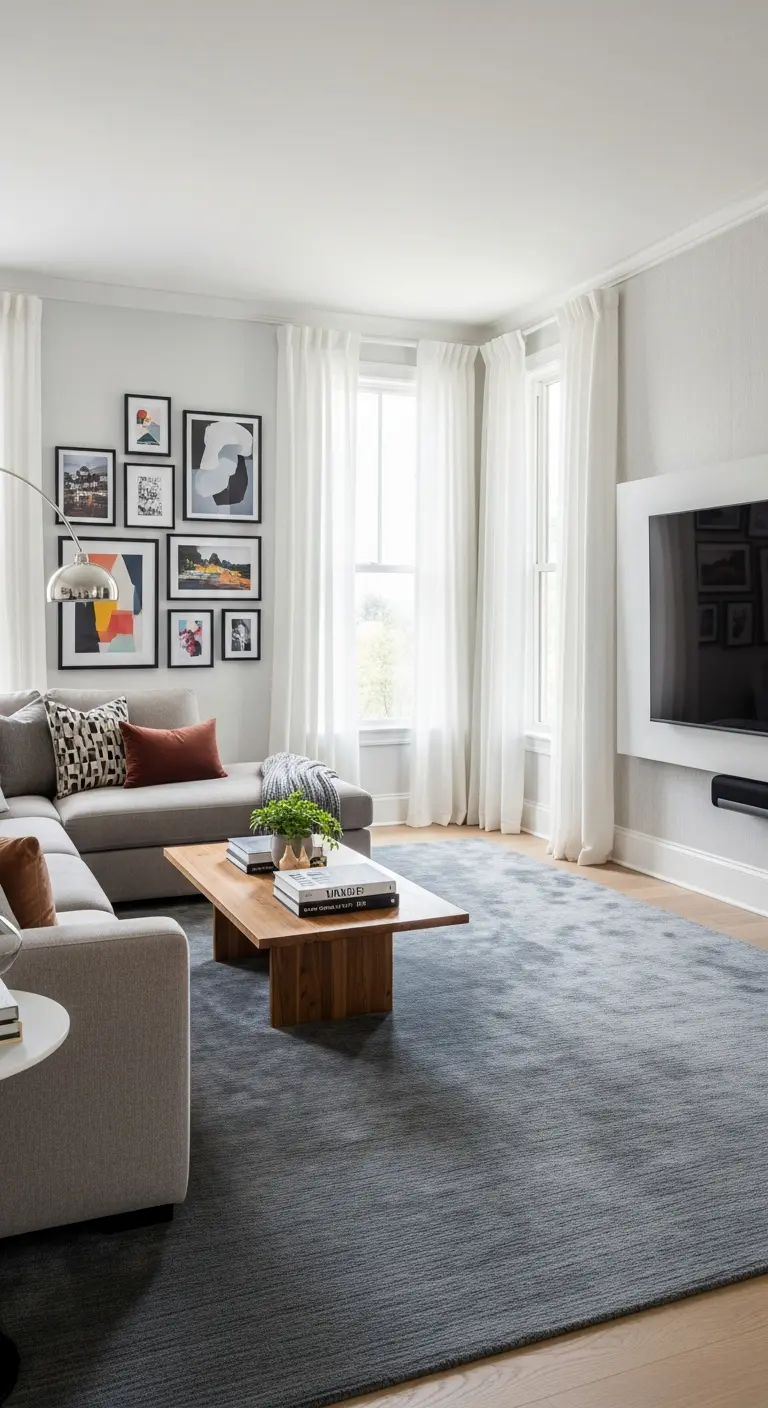
Low sofas instantly make a room feel more modern and calm. They usually have a more tailored look, which reads a bit more “hotel” than a big overstuffed design. The bonus is that they open up sight lines and make the room feel taller. If you’re buying new, check the seat height; around 16–18 inches tends to work well for most people. Pair it with a slightly taller coffee table to keep the balance.
6. Warm wood tones paired with simple upholstery

Warm wood—oak, walnut, even teak—has this built-in coziness that plays well with minimalist furniture. When the sofa or chairs are upholstered in simple fabrics, the wood becomes the quiet star. I find this combo works especially well in rooms that feel too cold or modern. A tip: repeat the same wood tone at least twice so it looks intentional, not accidental.
7. A rug that’s actually sized to the furniture, not the room
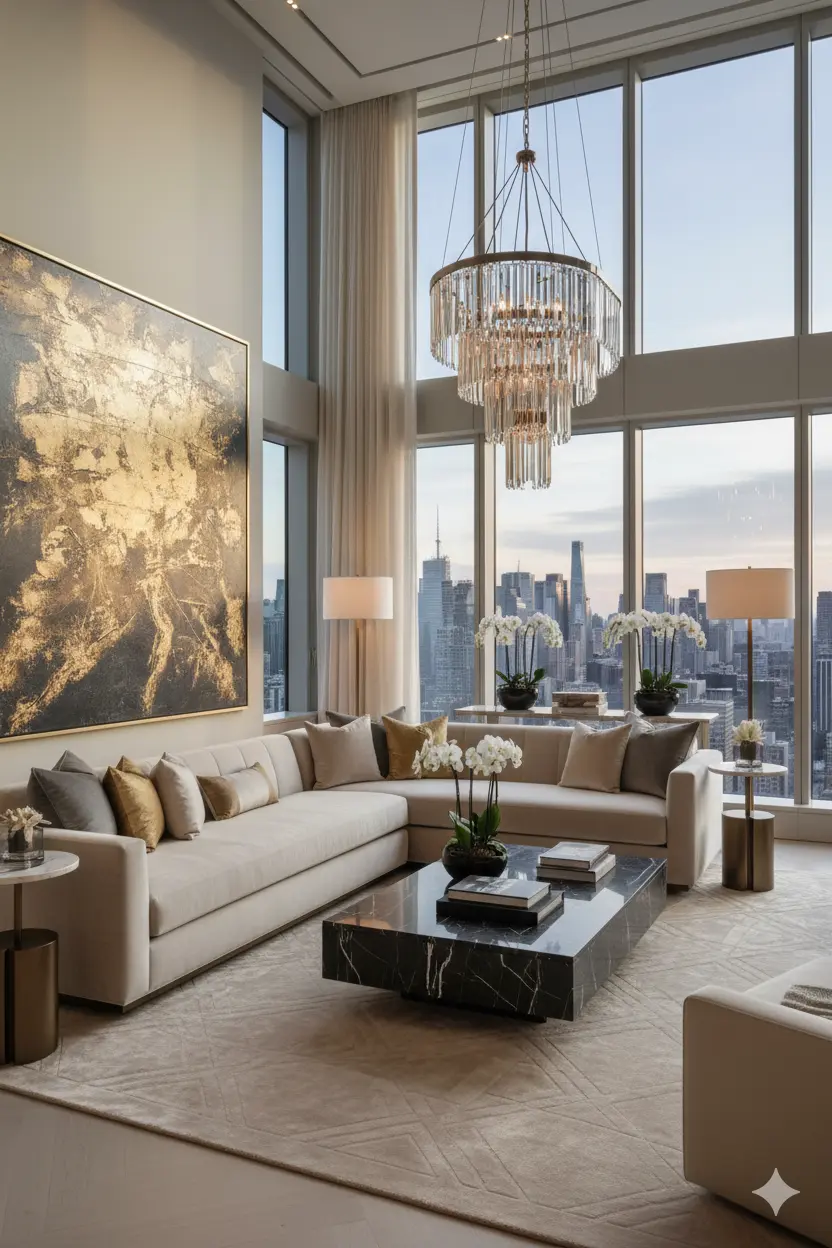
I’ve lost count of how many times a room instantly felt better just by using the right rug size. When the front legs of the main seating land on the rug, everything feels grounded. Too small and the room looks scattered; too big and it becomes a wall-to-wall carpet. For most layouts, an 8×10 or 9×12 does the heavy lifting. If you’re unsure, tape out the size on the floor first.
8. A single bold art piece used as an anchor
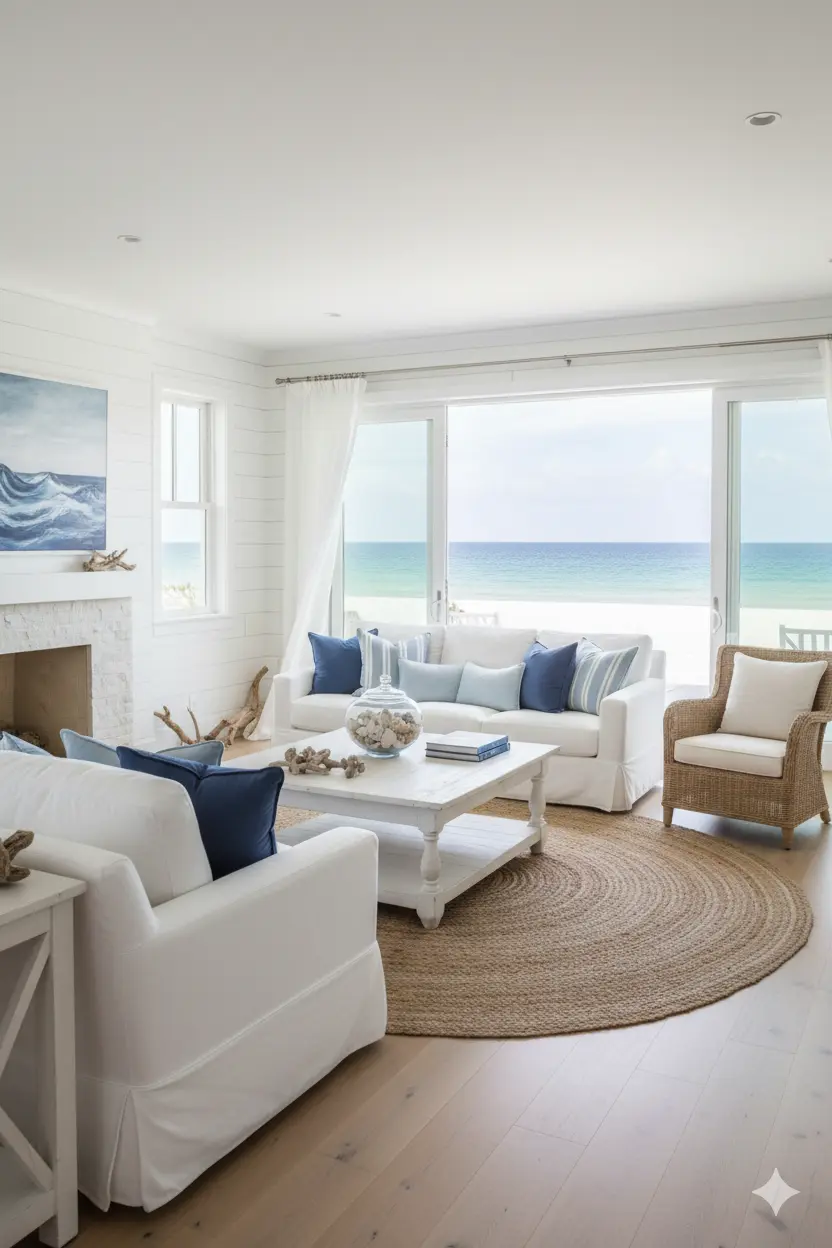
One good piece of art can do more for a room than a whole collage of small frames. It becomes a quiet focal point without adding clutter. I choose something with colors that echo the room rather than dominate it. The trick is hanging it at the right height—center about 57–60 inches from the floor. That’s usually the sweet spot where it feels natural and not too high.
9. Floating furniture away from the walls for a suite-like feel
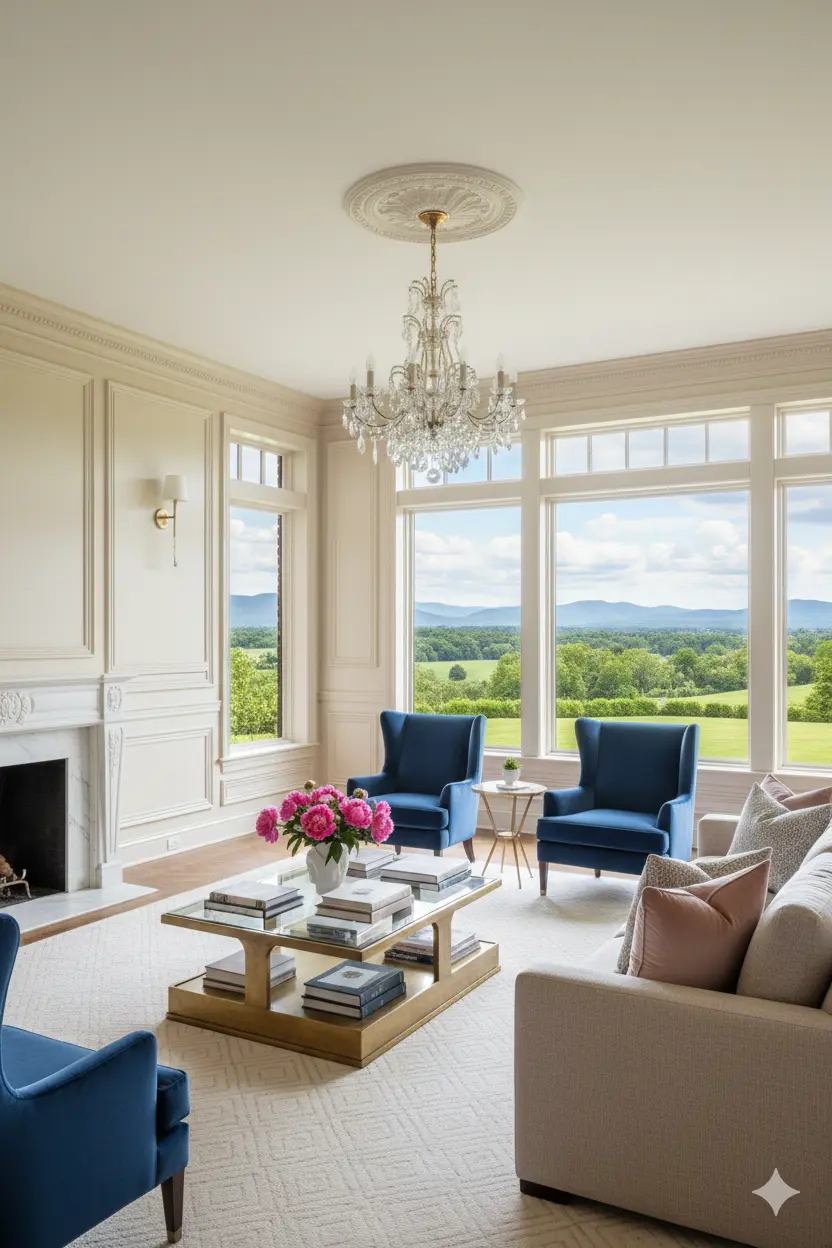
Hotel suites rarely shove furniture against the walls, and moving pieces even a few inches forward creates a more considered look. It also helps with traffic flow. I like leaving a little breathing room around each piece rather than lining everything up. If your room is small, just pulling the sofa forward slightly makes a surprising difference. Try it—it feels strange at first, but looks much better.
10. A fireplace wall that’s kept clean and uncluttered
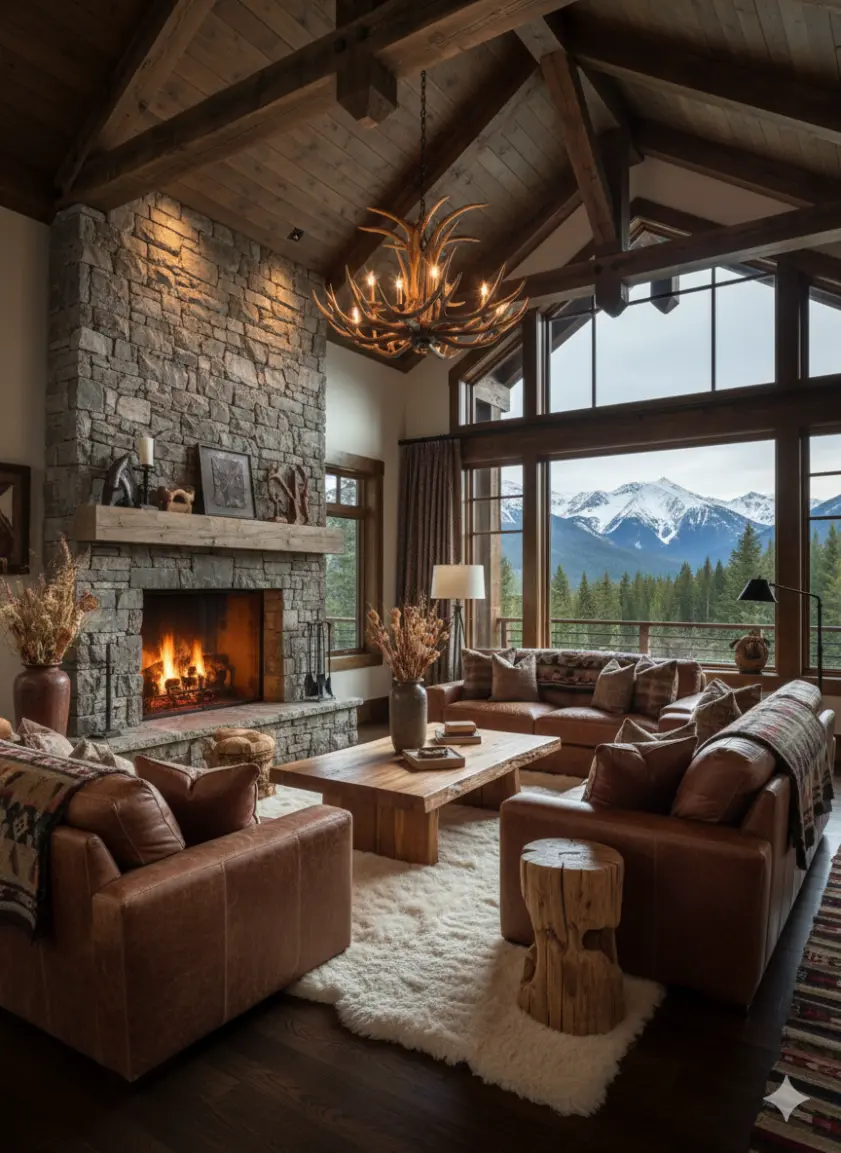
It’s tempting to decorate a fireplace like it’s a display shelf, but a cleaner approach makes the whole room feel calmer. I usually pick one simple piece above it and let the mantel breathe. When the fireplace surround is also simple—stone, plaster, or something without heavy detailing—it adds that subtle luxury vibe. If yours has a lot going on, clearing the accessories might be all you need.
11. Matching side tables to create visual calm
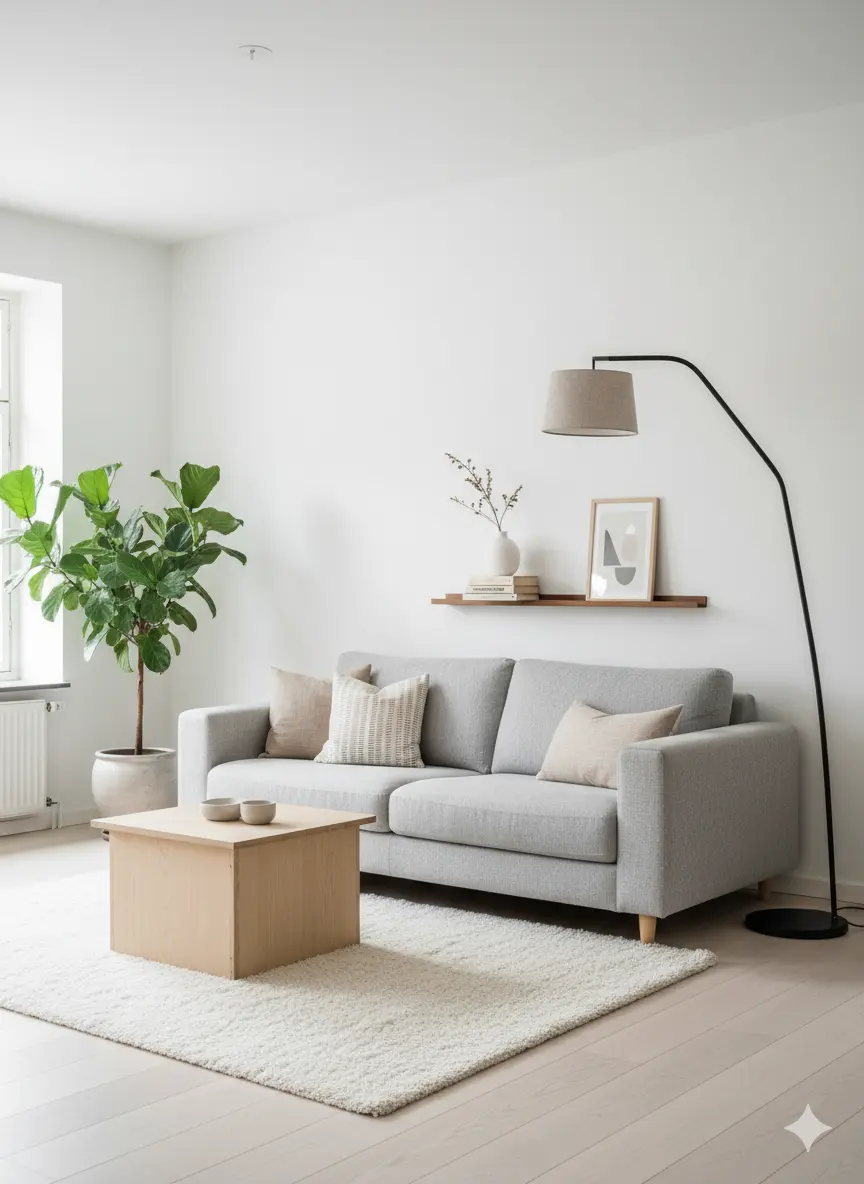
Side tables don’t always need to be statement pieces. When they match, the room feels steadier and more pulled together, almost like hotel rooms where everything lines up nicely. This works especially well with contemporary or transitional furniture. If you already have mismatched tables, try matching the lamp shades to create a bit more harmony without buying new pieces.
12. Using darker tones without making the room heavy
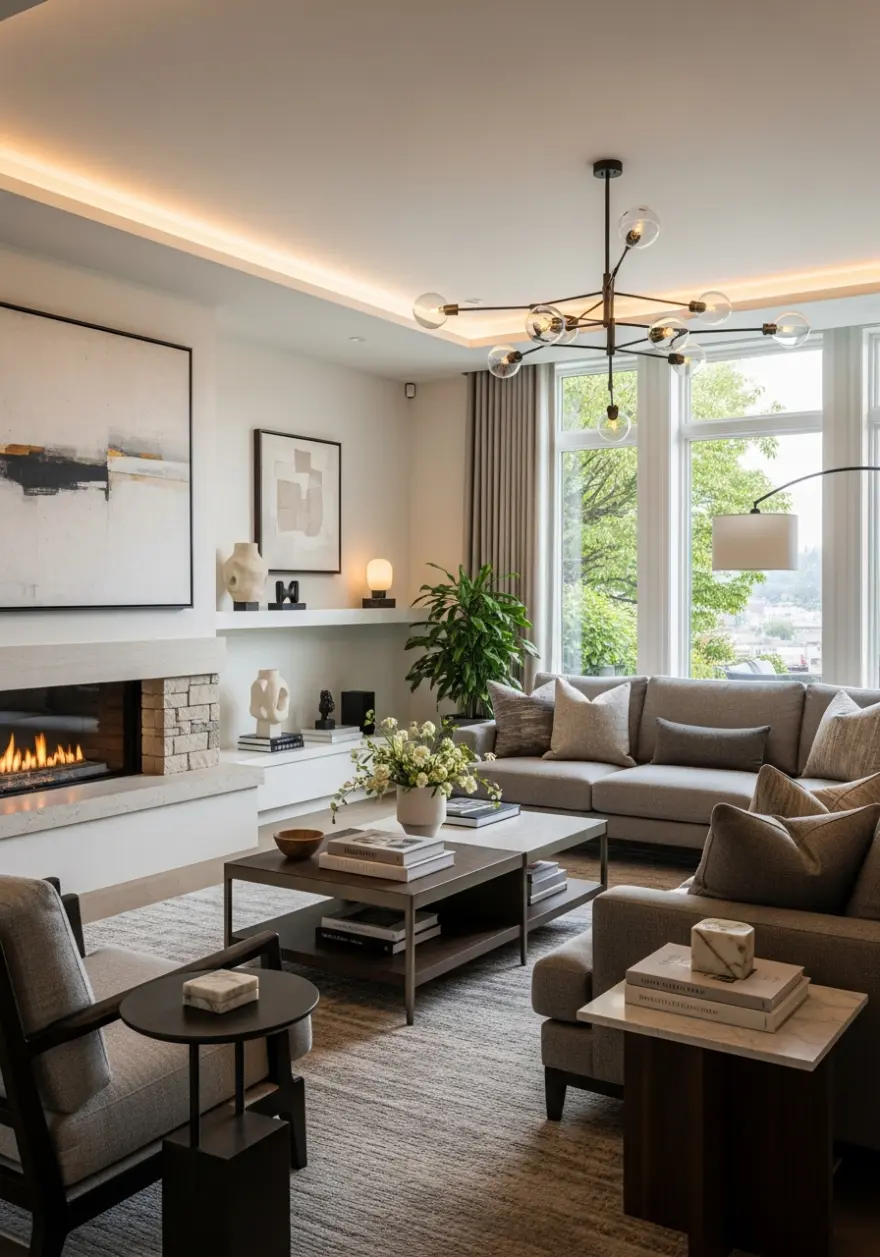
Dark living rooms can feel incredibly cozy when the materials and placement are right. I usually start with one larger dark piece—maybe a sofa or the rug—and keep the rest lighter so it doesn’t tip into gloomy territory. It’s all about balance. If you’re trying darker colors, soften things with warm lighting and a few lighter cushions to keep the mood gentle, not brooding.
13. Adding a lounge chair that feels sculptural but still usable
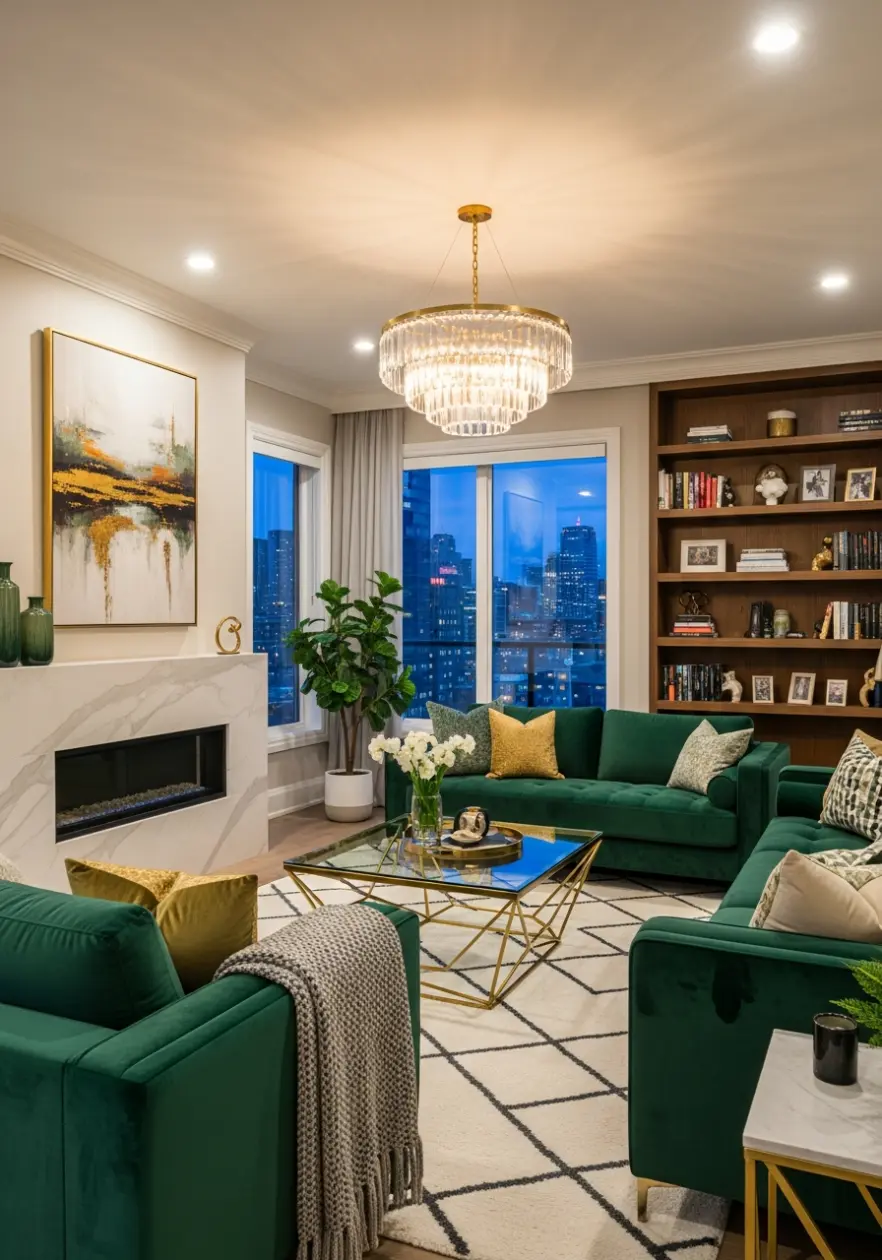
A sculptural chair adds interest without needing bright colors or patterns. The key is making sure it’s comfortable enough for real use, not just pretty. I often test chairs by sitting in them longer than I think—I’ve learned the hard way. Positioning it at a slight angle instead of perfectly straight adds a relaxed, welcoming feel. Try using it to break up a room that feels too boxy.
14. Open shelving styled with breathing room

Open shelves can look luxurious when they’re not packed tight. Leaving space around objects makes everything feel more intentional and less like storage. I like mixing books with a few sculptural pieces and maybe a plant for softness. If your shelves look busy, start by removing a third of what’s there. It’s usually the quickest way to make the room feel lighter.
15. A marble or stone coffee table for quiet luxury

Stone tables have a natural weight to them, and even simple designs feel thoughtful. I like using them in rooms that need a bit of contrast or where everything feels too soft. They age well, too—small marks add character. Just remember to use felt pads underneath so they don’t scratch new rugs, and always seal lighter stones if you have kids or red wine nearby.
16. A mix of metals that doesn’t feel overly coordinated

Matching all your metals can make a room feel stiff, but mixing them randomly can look chaotic. I tend to pick one main finish—maybe brushed brass—and let one or two smaller details be something else. It keeps things interesting without feeling mismatched. If you’re unsure, keep cooler metals (like nickel) on lighting and warmer ones (like brass) on decor.
17. Soft window treatments that don’t steal attention
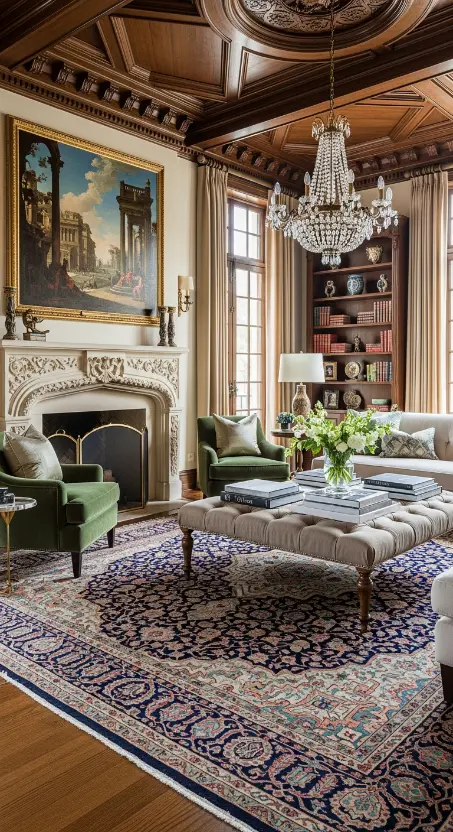
Thick drapery is nice, but sometimes the softest approach looks the most refined. Light fabrics like linen or voile create movement without heaviness. They also diffuse sunlight in a really flattering way. Make sure the curtain rod sits high enough—usually a few inches below the ceiling—so the room feels taller. If you want a hotel vibe, let the fabric gently touch the floor.
18. A console behind the sofa for small-space functionality

This trick works wonders in open-concept spaces. A console gives you a place for lamps or small storage while creating a subtle room division. It also makes the sofa feel more anchored if it’s floating in the middle of the room. Look for one with open legs so it doesn’t feel bulky. Even a narrow one can help keep the area organized without drawing attention to itself.
19. Upholstered ottomans for flexible seating

Ottomans are great because they do a bit of everything—seat, footrest, side table, if you add a tray. Upholstered ones soften the room visually and make the seating arrangement feel more relaxed. I like using them in rooms where a coffee table might feel too rigid. If you’re choosing one, measure the height so it lines up comfortably with your sofa cushions.
20. A symmetry-based layout that feels hotel-like
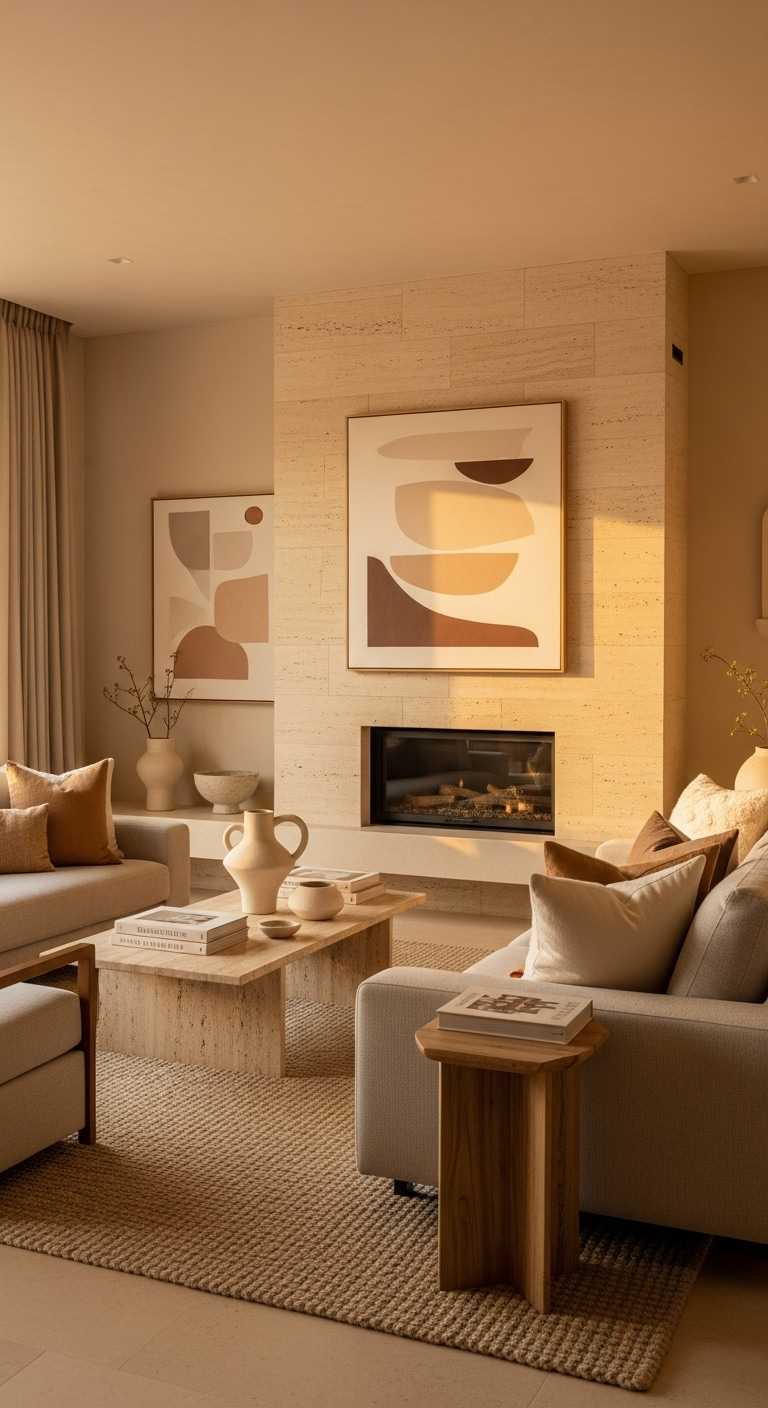
Symmetry instantly brings a sense of order, and it doesn’t have to mean everything is perfectly matched. It might be two chairs facing a sofa or a pair of lamps flanking a console. The idea is to create balance so the room feels restful. If your layout feels off, try matching just one pair—like two similar side tables—and see how it changes the room’s mood.
21. A small bar corner subtly integrated into the living room

A small bar setup can feel really elevated when it blends into the room instead of shouting for attention. I usually tuck it into a corner or along a wall that doesn’t have another strong purpose. A simple tray, a couple of bottles, and some glassware are enough. It’s more about the atmosphere than the quantity. If you’re adding one at home, pick a surface that’s easy to wipe down and keep the styling simple so it feels like part of the room, not an add-on.
22. Built-in lighting instead of relying on just lamps

Built-in lighting—like picture lights, sconce strips, or even a subtle LED under a shelf—adds that “someone really thought this through” feeling. You don’t need a big renovation; even one small built-in source makes the room feel more custom. The nice part is that it spreads light more evenly than a single lamp can. When you add it, stick to warm-intensity bulbs to avoid that cold glow. If you’re unsure where to place one, start near a feature wall.
23. A modern tufted sofa that adds just a hint of formality

Tufting can look formal, but modern versions keep things clean without leaning old-fashioned. I like using them when a room needs structure but still wants to feel approachable. They work best with simpler decor around them, so the details don’t get lost. A practical thing to check: tufting should feel firm but not rock hard. If you ever slump into a sofa and the buttons dig into you, that’s your sign to keep looking.
24. Oversized cushions that feel relaxed but intentional
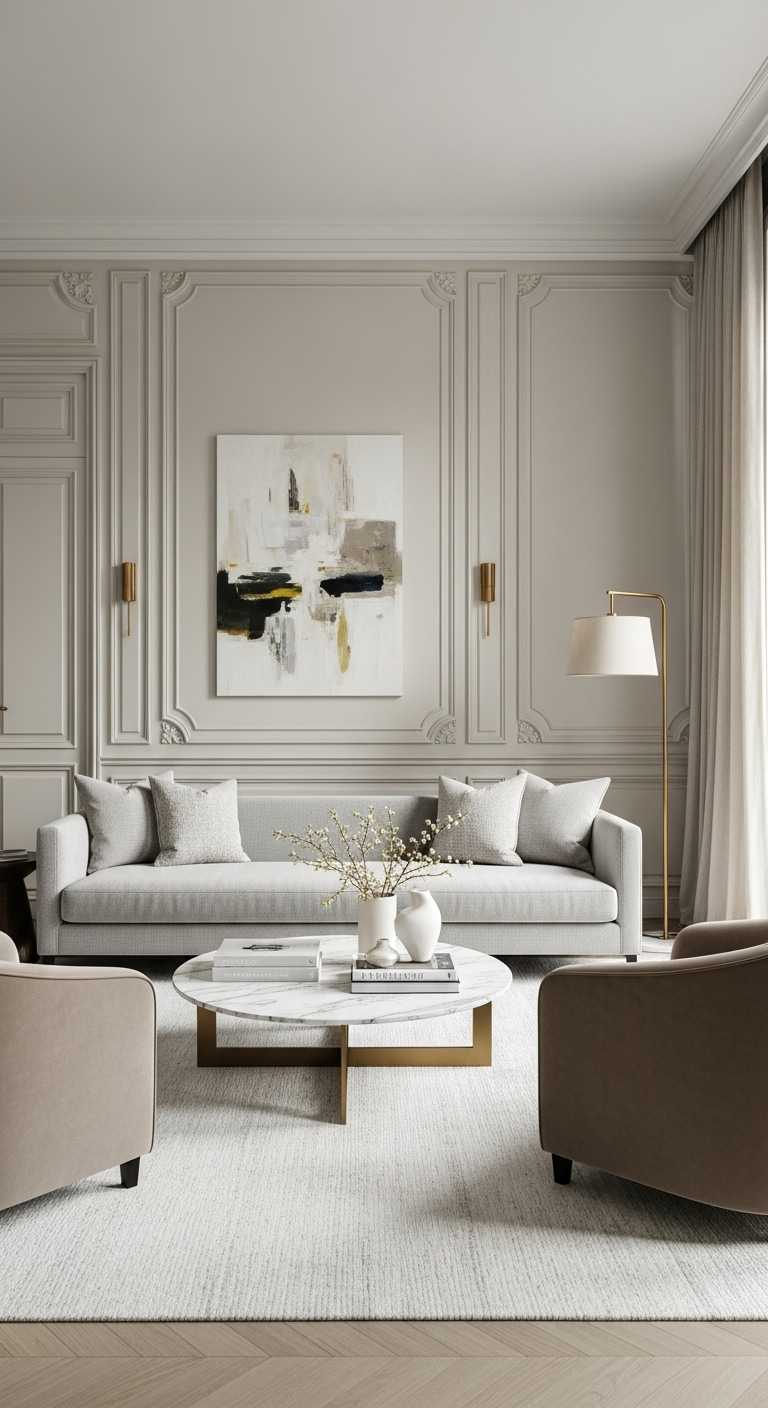
Large cushions instantly make seating feel more inviting, but the trick is choosing ones that don’t overwhelm the furniture. I often mix two oversized pillows with a couple of smaller ones to keep things balanced. It’s a softer, more lived-in look without making the room messy. Go for fabrics that don’t wrinkle too easily—linen blends and cotton canvas hold up well. If your sofa feels stiff, this is one of the quickest ways to warm it up.
25. Using natural fiber pieces for warmth
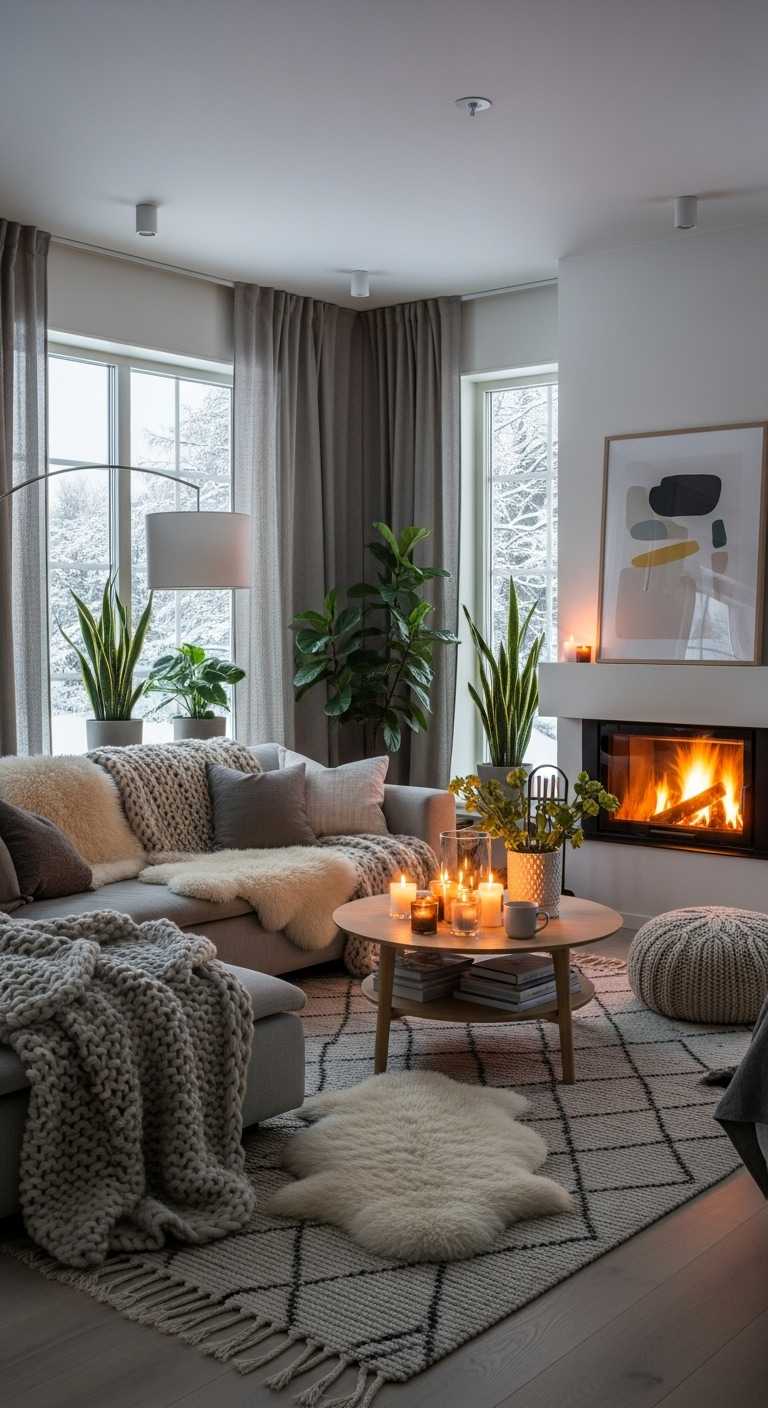
Natural fibers like jute, rattan, or seagrass have an easy, grounded quality that adds warmth without much effort. They pair well with almost any style because they bring subtle texture instead of a loud pattern. I often use them in rooms that feel too sleek or cool. A simple basket or side table might be all you need. Just keep in mind that jute rugs aren’t great with spills, so choose placement wisely.
26. A monochrome palette with slight texture variations
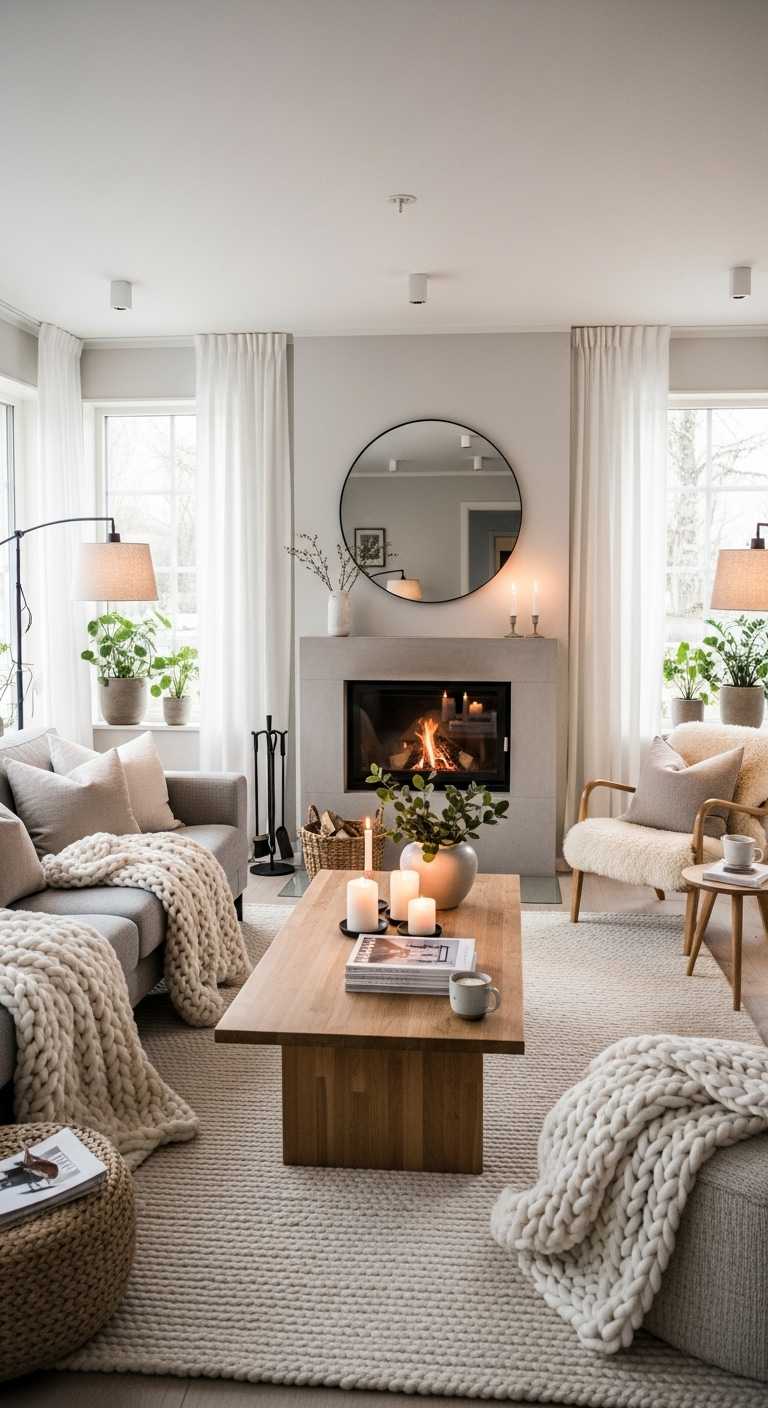
Monochrome doesn’t mean everything has to match perfectly; the magic is in keeping the colors related while letting the textures do the work. I’ve seen rooms shift from flat to “quiet luxury” simply by mixing matte, woven, and lightly glossy finishes in the same tone. It feels calm without being boring. If you’re trying this, start by picking one base color and choosing three textures in that shade.
27. A long wall-mounted media unit that keeps things organized
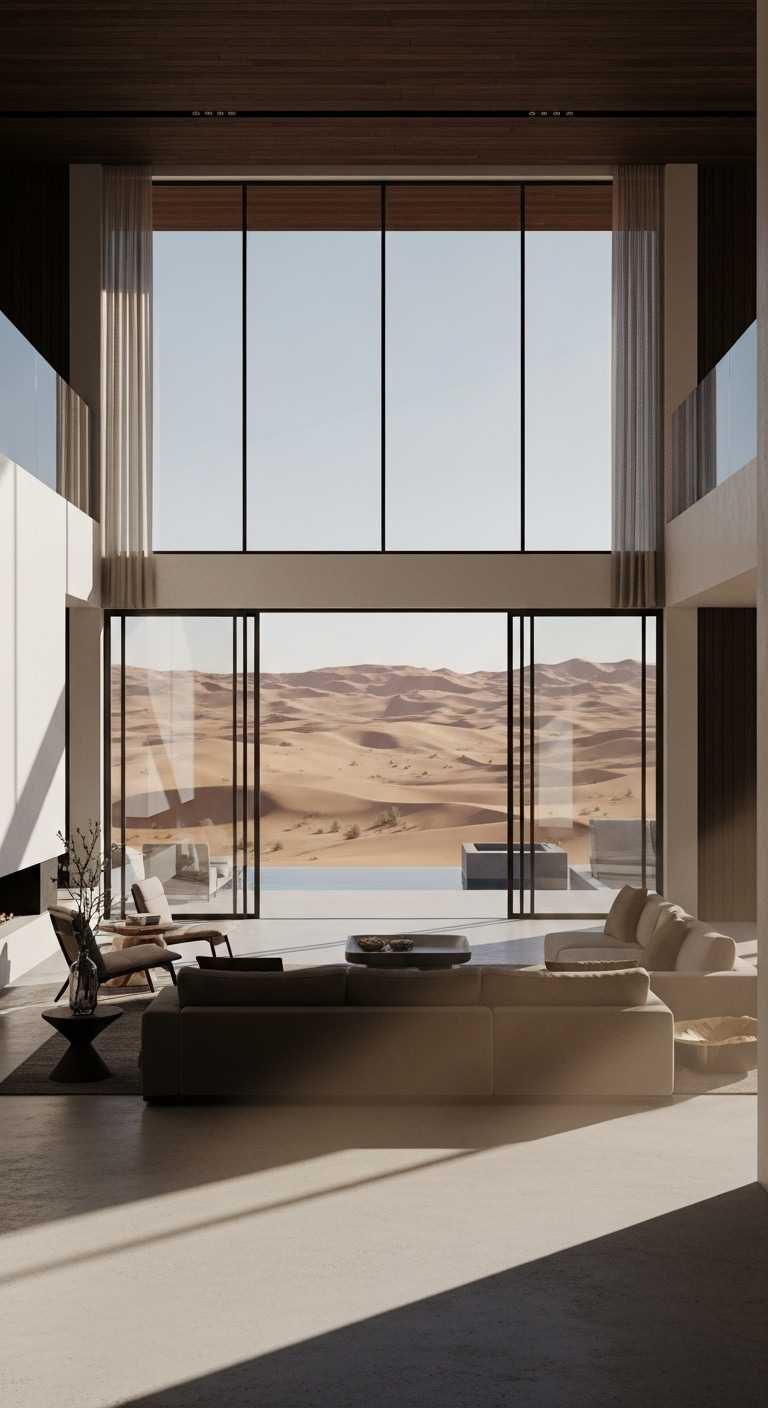
Wall-mounted media units make the whole room feel lighter because you see more floor space. They also cut down on clutter in a way that feels hotel-level tidy. I usually recommend going longer rather than taller—it visually stretches the room. Look for one with closed storage so remotes and cables stay out of sight. Even a simple floating shelf can give a similar effect on a smaller budget.
28. A pair of accent chairs that frame a view or focal point

Two chairs side-by-side can make a room feel more structured without being stiff. They work especially well when they face something interesting, like a fireplace or window. I like them because they help conversations flow naturally—people don’t have to twist awkwardly to talk. Choose chairs with open legs if the room is small, so the space doesn’t feel heavy. Even mismatched chairs can work if their scale is similar.
29. Soft, indirect lighting that avoids harsh shadows
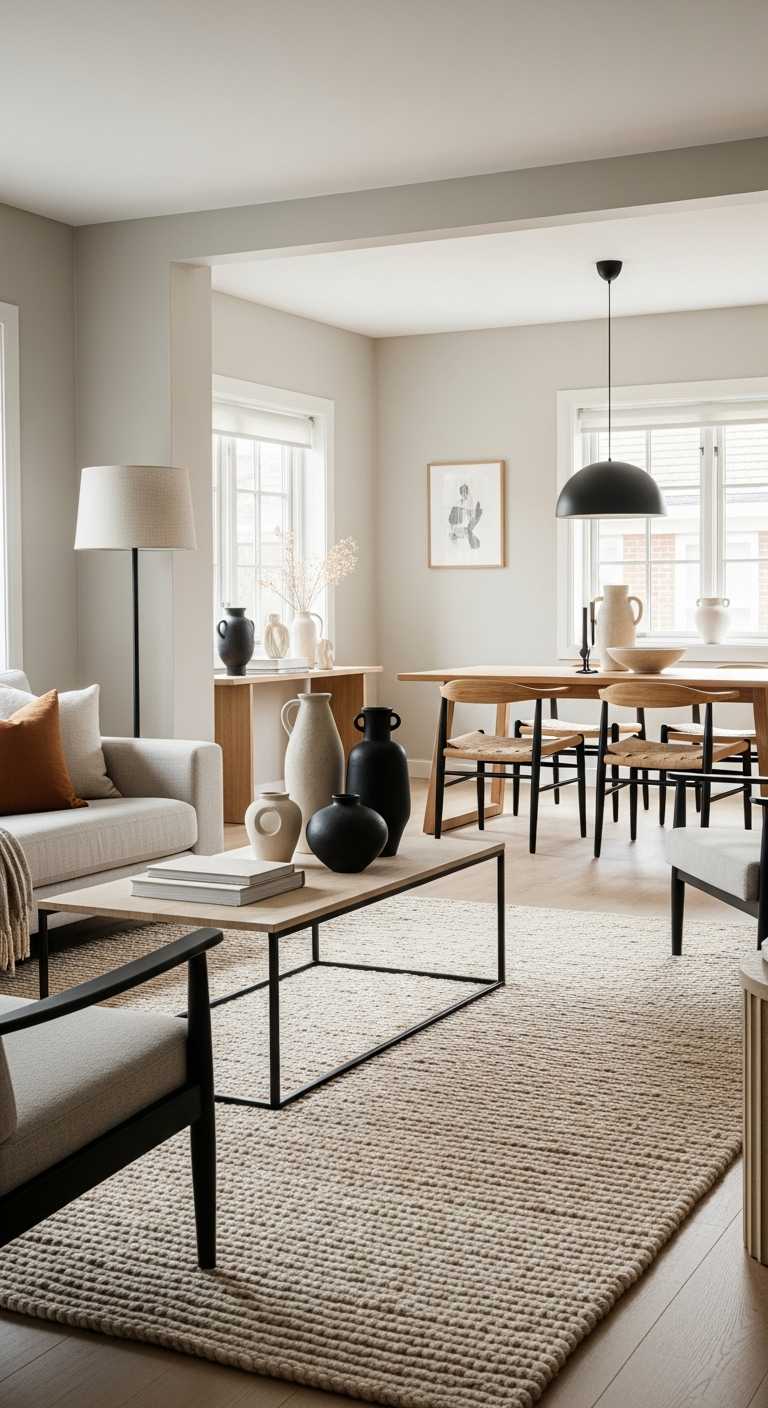
Indirect lighting is one of those subtle touches that instantly feels more refined. It spreads light gently and avoids the sharp shadows you get from a single bright lamp. I like placing lights behind furniture or using upward-facing fixtures to bounce light off the wall. It’s a simple way to make evenings in the living room feel mellow. A dimmer switch is the best small investment you can make here.
30. A subtle pop of color used in a restrained way
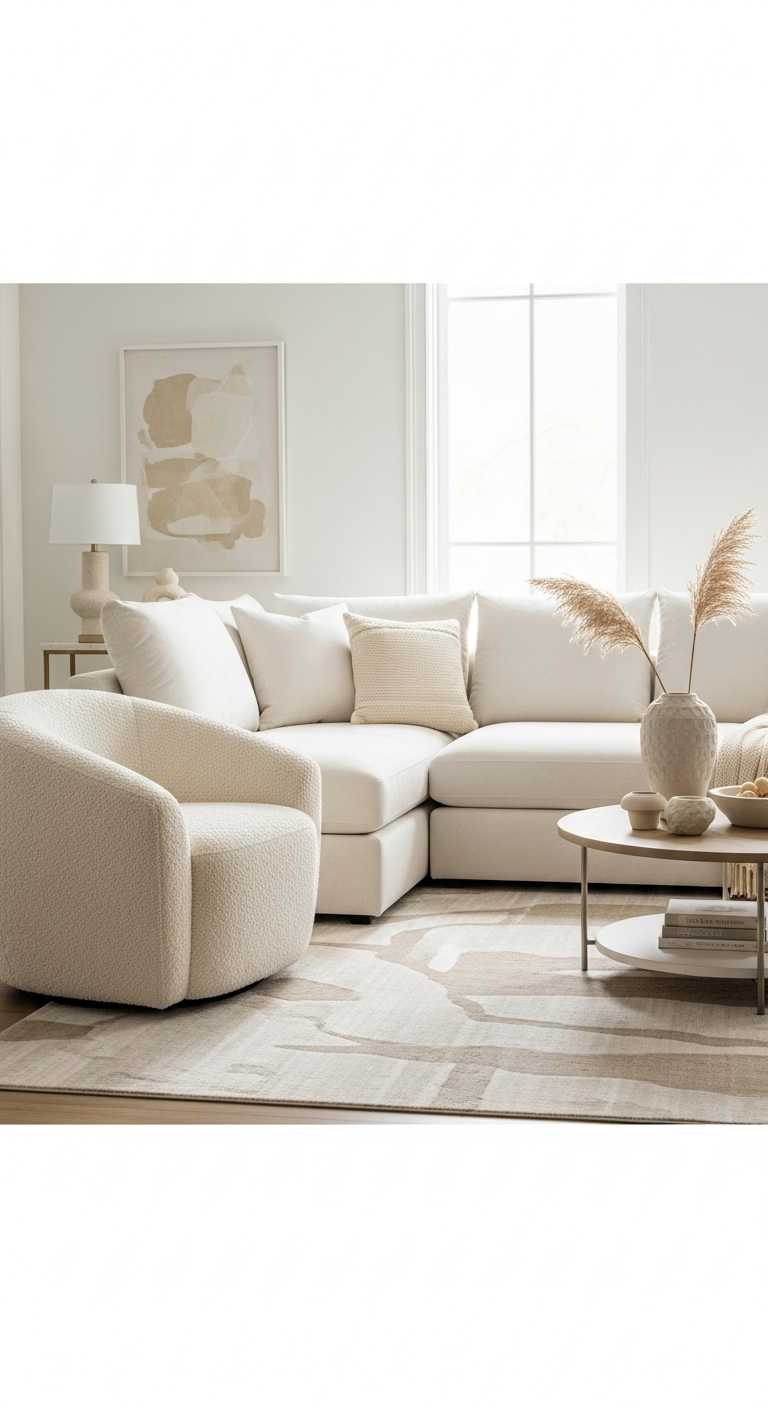
A hint of color—just one or two accents—can keep a neutral living room from feeling too safe. It might be a throw, a chair, or a piece of art. The key is sticking to one color family so it doesn’t feel chaotic. I often recommend testing the color through something inexpensive first. Sometimes even a small change shifts the whole mood of the room.
31. Extra-large artwork for a hotel lobby vibe
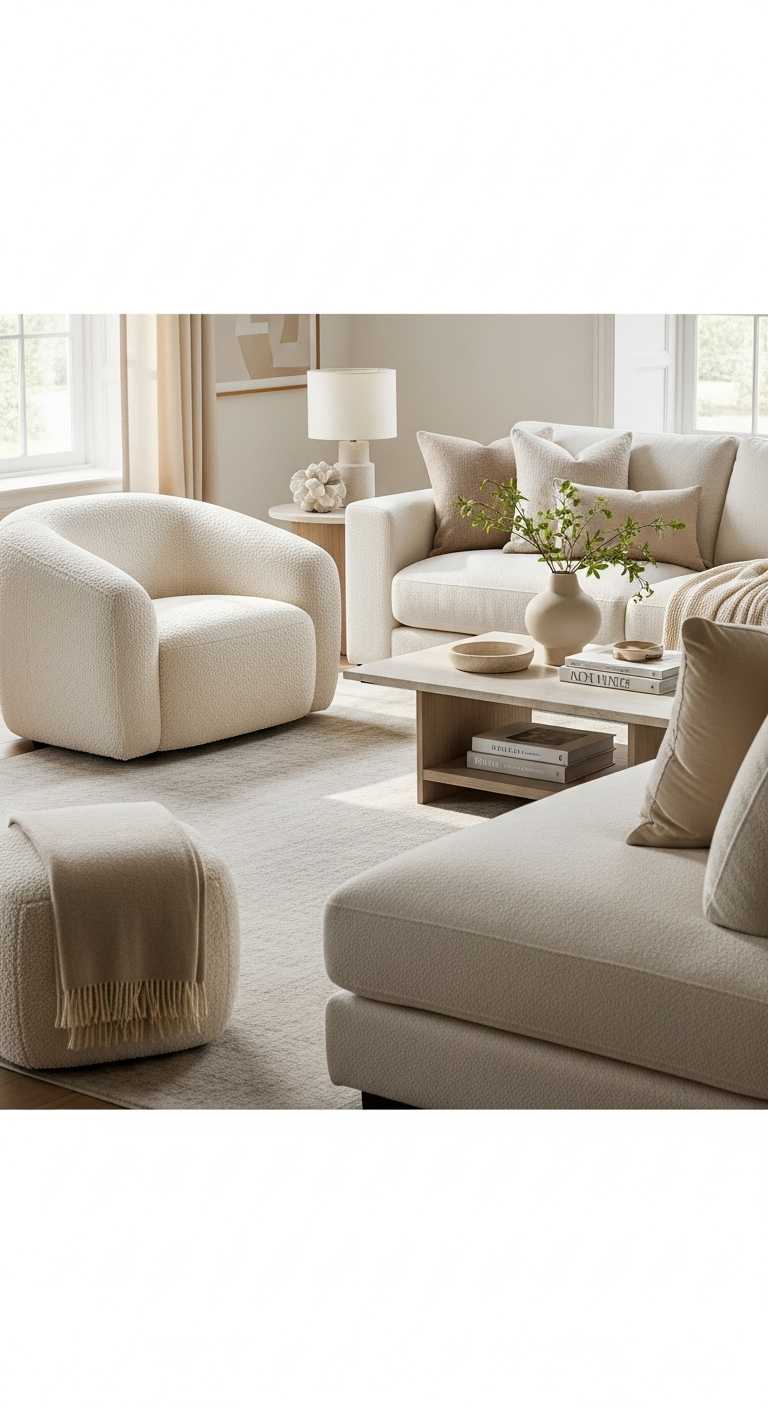
One oversized piece instantly gives a room a more curated feeling. It also reduces the visual noise that comes with lots of small decor. This works especially well in rooms with tall ceilings or large empty walls. When choosing the art, focus more on the overall tone than the subject matter. If you’re mounting it above a sofa, leave around 6–8 inches of space so everything feels connected.
32. A glass coffee table to keep things visually open

Glass tables are great for rooms that feel crowded or dark because they don’t block sight lines. They have a lighter presence, which helps smaller spaces feel more open. I like pairing them with textured rugs so things don’t look too cold. One practical tip: choose tempered glass for safety and durability. Keeping the styling minimal on top also helps keep the look airy.
33. Cozy corner reading nook that feels like part of the living room

A reading nook doesn’t have to be a whole separate area—it can be a simple corner that feels intentionally cozy. A comfortable chair, a small table, and a warm lamp are usually enough. I often tuck these into spaces that don’t serve another purpose, like near a window or beside a bookcase. It’s a nice way to make use of awkward corners. Choose a lamp with a soft shade so the light feels calm, not harsh.
34. A statement pendant used thoughtfully

A pendant can make the room feel more designed, but only when it’s placed with care. I try to keep the design simple and let the shape or finish be the interesting part. Height matters too—too low feels intrusive, too high feels disconnected. Over a coffee table, I usually keep it about 30–36 inches above the surface. If your ceiling isn’t very tall, choose a more compact design so it doesn’t overwhelm the room.
35. Mixing streamlined furniture with one vintage piece

A mostly modern room often benefits from something with a bit of history. One vintage item—a sideboard, chair, or accent table—adds character without making the space feel themed. It’s that contrast that makes the room feel lived-in rather than showroom-perfect. If you’re picking a vintage piece, focus on shape and condition more than matching finishes. A little wear usually adds charm.
36. Layering two rugs for extra softness

Layering rugs is a nice trick when you want more texture or warmth without replacing the main rug. I often put a smaller patterned rug on top of a larger neutral one. It adds depth without feeling busy. This works especially well when the main rug feels a bit flat. Just be sure the top rug is anchored by furniture so it doesn’t slide around.
37. Using indoor plants in a clean, structured way

Plants don’t need to fill the whole room to make a difference. Even one taller plant can soften a corner and make the room feel fresher. I like using simple planters so the greenery stays the focus. Grouping two plants of different heights can add interest without clutter. If you’re using real plants, choose ones that don’t drop leaves constantly—snake plants and zz plants are pretty forgiving.
38. Minimalist shelving with purposeful display

Minimal shelving looks best when everything on it feels intentional. I usually stick to a handful of well-chosen pieces and leave plenty of space around them. It gives that quiet, hotel-like calm. If your shelves feel too busy, remove half the items and start fresh. Displaying things in odd numbers—like groups of three—usually reads more natural.
39. Incorporating a low media wall instead of a bulky unit

A low media wall keeps the sight lines open and avoids the heaviness of tall cabinets. It works well in modern rooms where simplicity matters. I like keeping the top surface clear to maintain that hotel-suite feel. If you’re building one, make sure there’s cable management so wires don’t ruin the clean look. Even a low bench can do the job if you’re working with a tight budget.
40. Soft curves in furniture to keep things welcoming
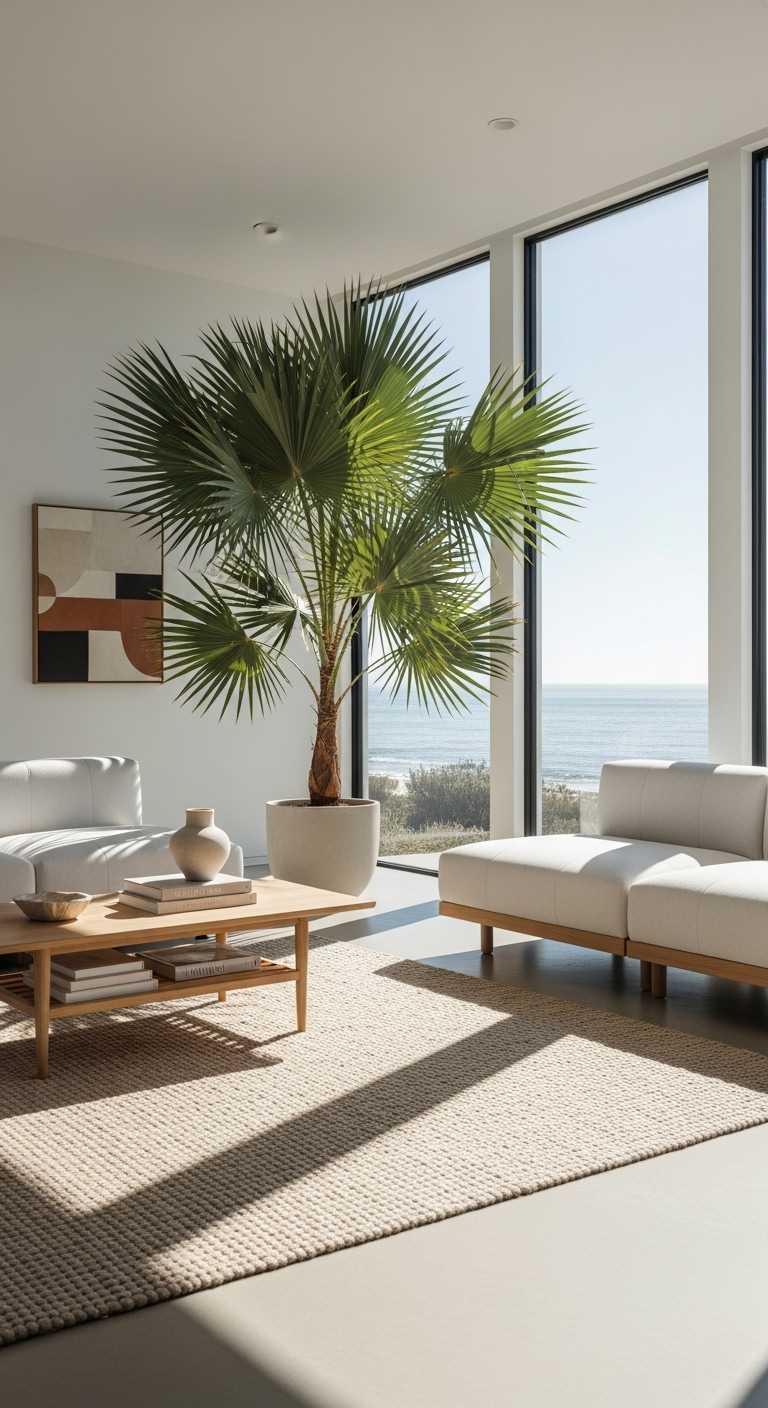
Curved furniture adds a gentle flow to the room, especially if everything else is square or straight. It’s a simple way to make a modern space feel more approachable. A curved chair or a rounded coffee table can be enough—no need to redo everything. This shape also helps with circulation around the room. When choosing curved pieces, check that the dimensions still suit your layout; curves can take more space than they look.
41. A simple palette with one luxe material as the star
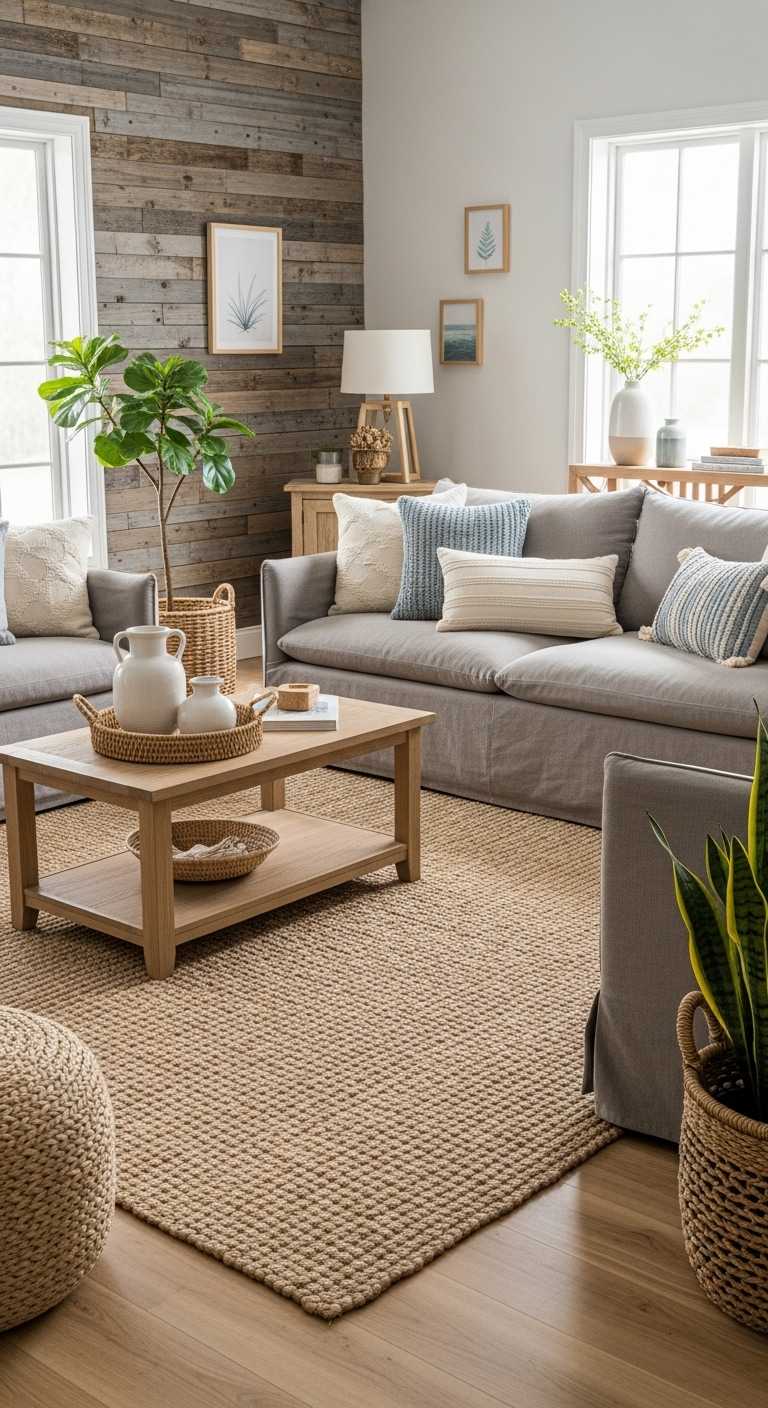
Sometimes the easiest way to get that suite-like feel is choosing one material to quietly shine—maybe a polished wood, soft leather, or a beautifully textured fabric. When everything else stays understated, that one material feels intentional rather than flashy. I often use this approach for clients who want a calm space but still want something special. Pick the material you love most and let it guide your choices.
Conclusion
Living rooms start feeling more polished when you mix good layout habits with materials that work well together. You don’t need a full renovation—small, thoughtful decisions can shift the whole mood. Try a few ideas at a time and see what feels right for your space. The fun part is discovering what combination matches how you actually live.



No Comments