

What Makes a Living Room Look “Magazine-Ready”?
When you flip through home magazines or browse those dreamy living room photos online, it’s easy to think those spaces belong to professional studios or million-dollar homes. But the truth is, most of those rooms look stunning because of simple styling choices, not expensive makeovers. A magazine-ready living room feels balanced, intentional, and comfortable. Every item has a purpose, the colors flow naturally, and the layout encourages you to relax the moment you step inside.
Most people struggle not because they lack taste but because they decorate without a plan. They add furniture, throw in some decor, and hope it all works. Designers do the opposite. We start with a vision and then build the layers slowly.
Here at Xylon Interiors, we love helping homeowners discover small but powerful changes that can transform the way a room feels. A beautiful living room isn’t about perfection. It’s about harmony, warmth, and thoughtful styling.
Quick Overview of the 4 Styling Secrets
Before we dive into each step, here’s a quick look at the four styling secrets that instantly elevate any living room:
- Master the Art of Layering – textures, fabrics, colors, and decor arranged thoughtfully
- Choose a Strong Focal Point – something that naturally draws the eye and anchors the room
- Play with Scale and Proportion – mixing sizes and heights for a balanced, designer look
- Style With Intent, Not Clutter – editing decor so the room feels curated instead of crowded
These are the same principles designers use when preparing rooms for magazine shoots. You’ll notice they focus on styling, not remodeling. That means they work for every home, every size, and every budget.
Secret 1: Master the Art of Layering
Why Layering Instantly Elevates a Living Room
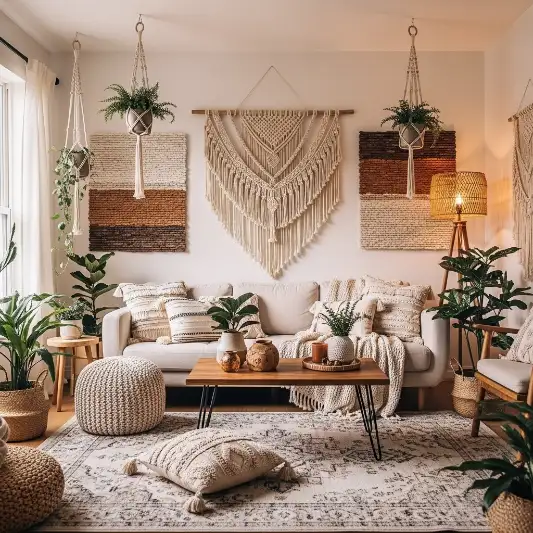
Layering is one of the easiest ways to make a room feel warm and polished. When a space looks “flat,” it’s usually because everything has the same texture, height, or tone. Layering adds depth. It brings your furniture to life. It creates that soft, welcoming feel you see in professionally styled rooms.
Think of layering as adding personality. A plain sofa becomes inviting when you add cushions, a textured throw, and a warm wood coffee table beside it. The room suddenly feels lived-in and intentional.
How to Layer Textures, Colors, and Materials
A magazine-ready living room doesn’t rely on one texture or one material. Instead, it mixes soft with structured, smooth with rough, warm tones with cooler accents. Here’s how designers do it:
- Textures: Combine linen, cotton, velvet, leather, rattan, wood, and metal.
- Colors: Use a main color, an accent shade, and a few supporting tones.
- Materials: Mix natural materials with refined ones to avoid a flat or “matchy“ look.
You don’t need to overthink this. Just make sure your room has variety. A chunky knit throw, a ceramic vase, a woven basket, and a wooden tray can completely shift the mood.
Layering the Sofa Area: Throws, Cushions, and Fabric Mixes
The sofa is often the largest soft surface in the room, which makes it the perfect place to start layering. Here’s a simple formula designers love:
- Start with two large cushions in neutral tones for structure.
- Add two medium cushions with patterns or color for personality.
- Finish with one unique cushion that stands out.
- Throw a blanket casually over the arm or seat to soften the whole look.
The key is to avoid using cushions that all look the same. Mix fabrics like velvet, linen, cotton, and faux fur. This instantly gives your living room that styled-but-natural appeal you see in magazines.
Layering Through Decor: Books, Trays, Vases, Greenery
Layering doesn’t stop at fabrics. Decor plays a huge role, too. Here’s how to do it without making the room feel heavy:
- Books add structure and height.
- Trays keep small items looking organized instead of scattered.
- Vases bring shape and elegance.
- Greenery—real or faux—adds life and freshness.
Creating small groupings on coffee tables, side tables, or shelves helps the room feel curated. The trick is to combine items with different heights and shapes so they don’t visually compete.
Common Layering Mistakes to Avoid
Even though layering is simple, many people go wrong in a few places:
- Using cushions of the same size and fabric
- Choosing too many colors without a palette
- Adding decor without considering scale
- Over-layering, which leads to clutter instead of comfort
- Mixing patterns that clash instead of complement
Good layering is about balance. Add enough to make the room feel warm, but not so much that it loses breathing space.
Secret 2: Choose a Strong Focal Point
What a Focal Point Does for a Room
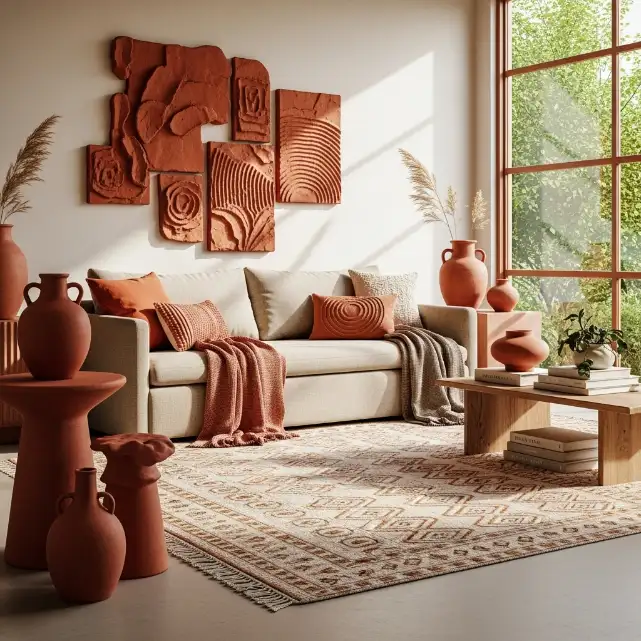
Every magazine-worthy living room has one thing in common. There is always something in the space that instantly grabs your attention. This is the focal point. It’s the anchor of the room and the first thing your eyes notice when you walk in.
Without a focal point, the living room feels scattered and unfinished. With it, the entire space looks more structured and intentional. It guides your furniture layout, influences your decor choices, and gives your room a sense of direction.
Popular Focal Point Options
A focal point can be anything that naturally draws the eye. Here are the most common options designers use:
- A striking piece of artwork above the sofa
- A beautiful fireplace
- A statement accent wall with texture or color
- A large mirror that reflects light
- A stylish media unit
- A window with a great view, framed nicely with soft curtains
You don’t need an expensive feature. Even a simple, oversized art piece or a bold mirror can become the star of the room.
How to Arrange Furniture Around a Focal Point
Once your focal point is chosen, the next step is to position your main furniture pieces so they interact with it. This is what creates harmony. For example:
- If the focal point is your fireplace, angle your sofa towards it.
- If it’s a piece of art, center your seating around that wall.
- If it’s a window, create a layout that allows people to enjoy the view.
Furniture should never feel like it’s competing with the focal area. Instead, it should work alongside it, helping anchor the room.
How Lighting Helps Enhance Your Focal Area
Good lighting is what makes focal points truly shine. You can highlight your chosen feature using:
- Picture lights
- Wall sconces
- A floor lamp placed strategically
- Table lamps on a console under artwork
Light creates depth and contrast, which is exactly why magazine rooms look so polished. When the right features are illuminated, the room feels more dimensional and alive.
Signs Your Room Lacks a Focal Point
If your living room feels “off“ and you can’t figure out why, check for these signs:
- Your eyes don’t know where to look
- The furniture feels disconnected
- The decor seems random
- The space feels flat, even with nice items
A strong focal point fixes all of these instantly.

Secret 3: Play with Scale and Proportion
Why Scale Matters More Than Most People Realize
One of the biggest reasons homes don’t look designer-ready is poor scale. Either the furniture is too big for the room, or the decor pieces are too tiny to make an impact. Scale and proportion are the quiet forces behind every beautiful space. They determine how balanced, comfortable, and visually pleasing your room feels.
Choosing the Right-Sized Furniture for Your Space
If your sofa, coffee table, and rug don’t match the size of your room, the space will always look awkward. Here are basic rules designers follow:
- Leave enough walking space around furniture
- The rug should anchor the seating area, not float under a coffee table
- The coffee table should be about two-thirds the length of your sofa
- Side tables should sit close to the height of your sofa arm
When furniture fits the room correctly, everything else becomes easier to style.
Balancing Large and Small Decor Pieces
A common mistake is filling the room with only small decor pieces. This actually creates visual clutter. Instead, mix sizes:
- One or two large decor items to ground the space
- Medium-sized pieces to fill the gaps
- Smaller accents to add detail
The contrast between big and small pieces creates rhythm and flow, which is exactly what makes magazine rooms look professionally arranged.
Using Height Variation to Add Visual Interest
Rooms without height variation often feel dull. Bringing in different levels helps guide the eye and adds personality. You can do this through:
- Tall floor lamps
- High plants
- Stacked books
- Layered frames
- A combination of tall and short vases
Height gives your room structure and stops everything from blending into one flat line.
The “One Oversized Item“ Trick Designers Swear By
Designers love adding one bold, oversized piece in every living room. It might be:
- A giant art piece
- A dramatic vase
- A large plant
- A statement mirror
This creates instant luxury. It also prevents the space from feeling cluttered with too many small items. One strong element can do more than ten tiny decor pieces combined.
Secret 4: Style With Intent, Not Clutter
The Difference Between Styled and Over-Decorated
A magazine-ready room is never filled with unnecessary items. Instead, it’s thoughtfully edited. Styled rooms have breathing space. Over-decorated rooms feel overwhelming and busy. The key is to choose items that contribute to the room’s personality, not distract from it.
How to Curate Decor That Tells a Story
Choose decor that reflects your taste and lifestyle. A room feels more meaningful when you style it with:
- A few personal items
- Decor that aligns with your color palette
- Pieces collected over time
- Items made from natural materials
These details make the room feel like home—not like a showroom.
The Rule of Thirds for Coffee Tables and Consoles
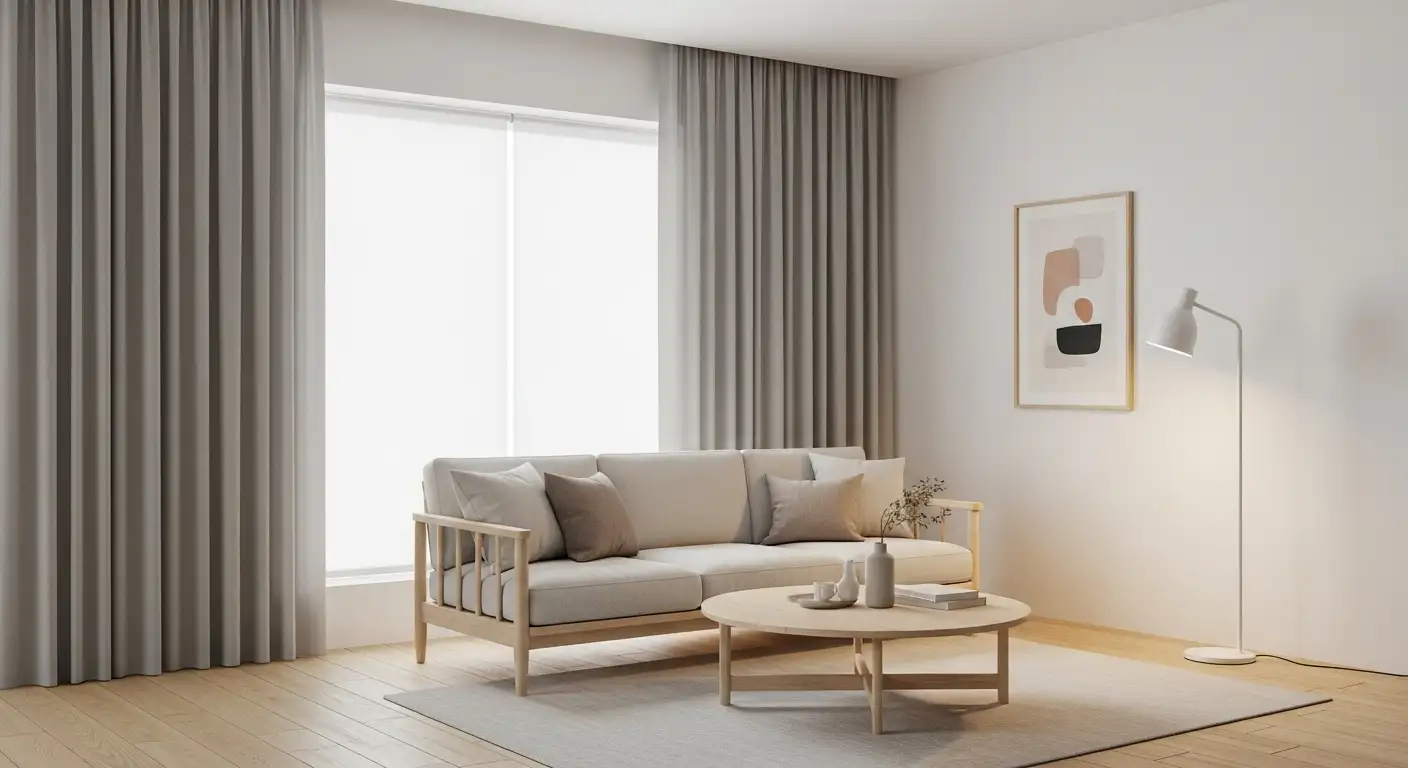
Designers often use a simple trick to style surfaces:
- Divide the surface visually into three sections
- Place a different type of item in each section
- Mix heights and shapes to create balance
For example, on a coffee table you can style:
- A tray with essentials
- A stack of books with a small object
- A vase with fresh greenery
This effortless arrangement always looks polished.
How to Edit Your Space Like a Pro
Editing is just as important as decorating. Here’s how to do it:
- Remove anything you don’t love
- Step back and look at the room as a whole
- Keep only the pieces that add charm or function
- Rearrange items until the room feels balanced
Sometimes the best styling decision is removing a piece, not adding one.
Simple Styling Habits That Keep Your Living Room Photo-Ready
A magazine-ready living room isn’t achieved once. It’s maintained through small habits:
- Fluffing cushions
- Adjusting throws casually
- Clearing surfaces of unnecessary items
- Keeping greenery fresh
- Straightening decor groupings
These tiny actions keep the room effortless and inviting every day.
Magazine-Ready Rooms Are About Choices, Not Budgets
Creating a beautiful living room doesn’t require expensive furniture or a complete makeover. It’s about intention, balance, and the right styling tricks. When you master layering, focus on a strong visual anchor, play with scale, and choose decor with purpose, your living room naturally starts to feel more polished and inviting.
At Xylon Interiors, every home has the potential to look warm, stylish, and magazine-worthy. With the right ideas, thoughtful styling, and a little creativity, anyone can transform their space into something truly special.





No Comments