

When people talk about a “luxury” living room, it can sound intimidating. Still, it’s usually just a mix of smart choices—good materials, thoughtful layout, and a few details that feel intentional. I’ve rounded up ideas I’ve used in real homes, and each one brings a layer of polish without feeling showy or overdone.
Think of this as a menu of design moves you can borrow from, depending on how you live and what you want your space to feel like.
1. A Deep, Low-Slung Sofa That Grounds the Whole Room
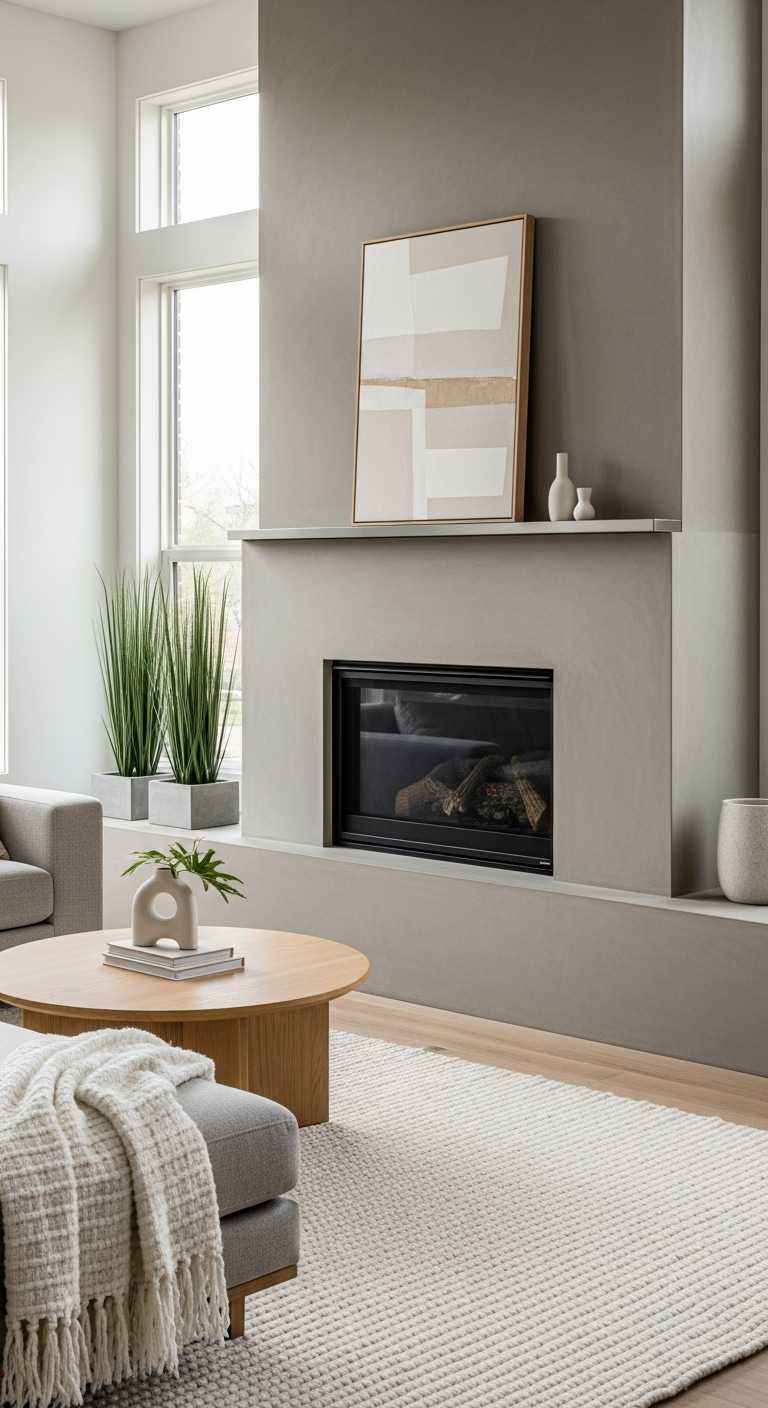
A low, oversized sofa has a way of making a living room instantly feel more high-end because it anchors everything without trying too hard. I like using matte, textured upholstery here—linen blends or a soft boucle—because they create depth without being flashy. If your room is long, push the sofa slightly forward from the wall so it feels intentional rather than squeezed in. Adding one long lumbar pillow instead of ten small ones is an easy upgrade homeowners can use right away. It keeps things looking tidy and confident.
2. A Mix of Warm Wood and Brass for a Softer Kind of Luxury
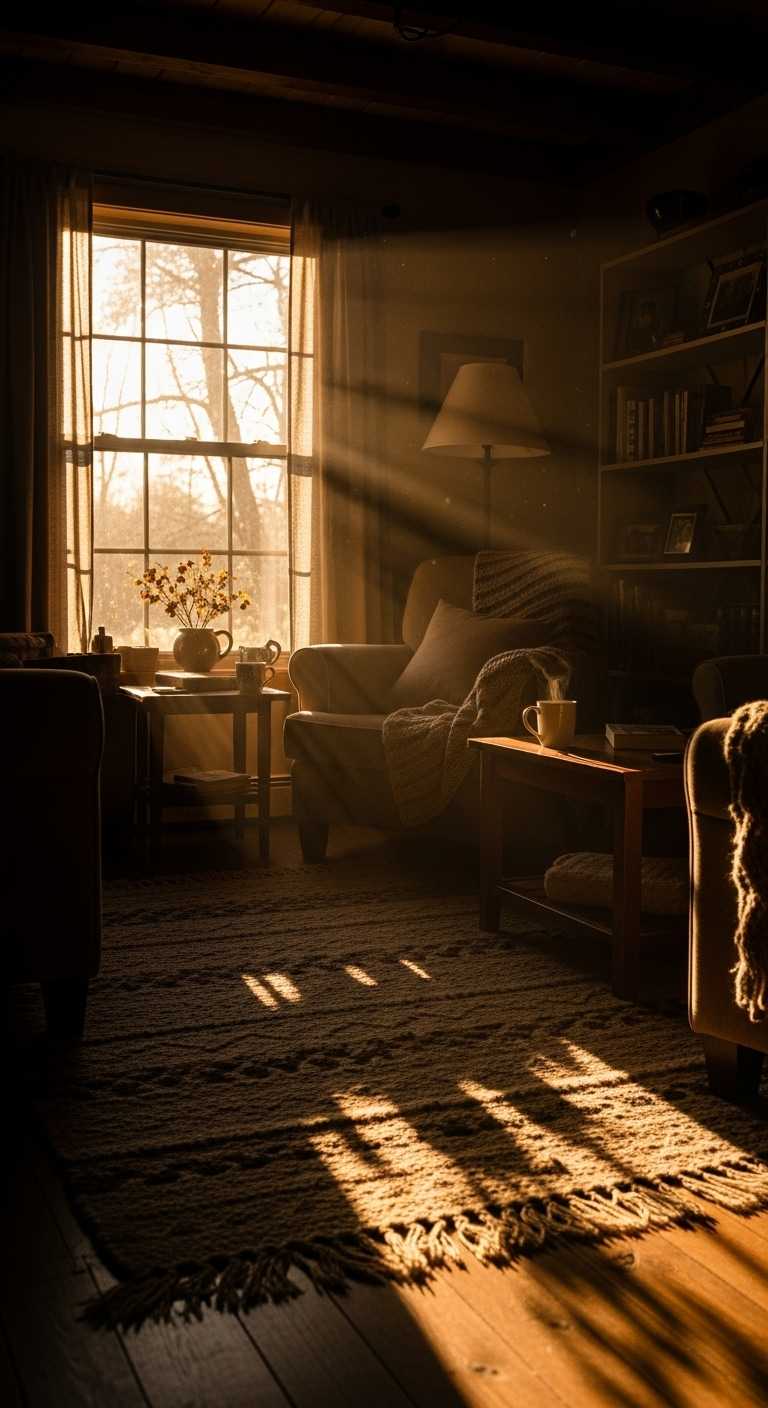
Pairing walnut or oak with unlacquered brass brings in that quiet richness you see in boutique hotels. The trick is not to go all-in on one finish; a little goes a long way. I often use brass only on lamp bases or small hardware, so it patinas naturally. A homeowner can start simple—swap in a brass floor lamp next to a darker wood side table. That contrast instantly feels grown-up.
3. Floor-to-Ceiling Drapery in a Heavier Fabric
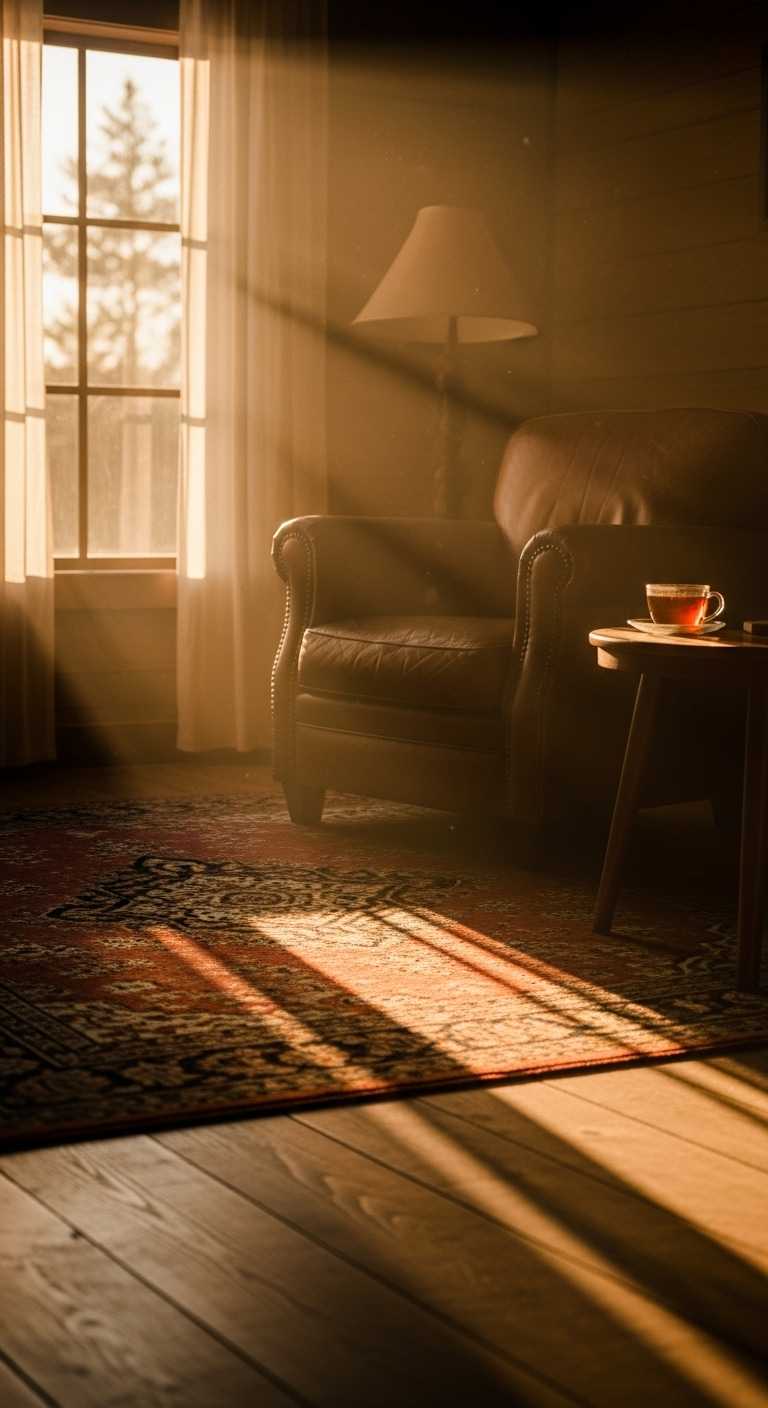
Drapes that actually touch the floor are one of the most overlooked luxury moves. I tend to pick a heavier weave—cotton-linen or velvet—because it adds weight to the room and hides imperfect windows. If you mount the rod just below the ceiling line, it tricks the eye into seeing more height. A practical tip: line the drapes properly so they fall cleanly instead of puffing out.
4. A Quiet Monochrome Palette With One Accent Material
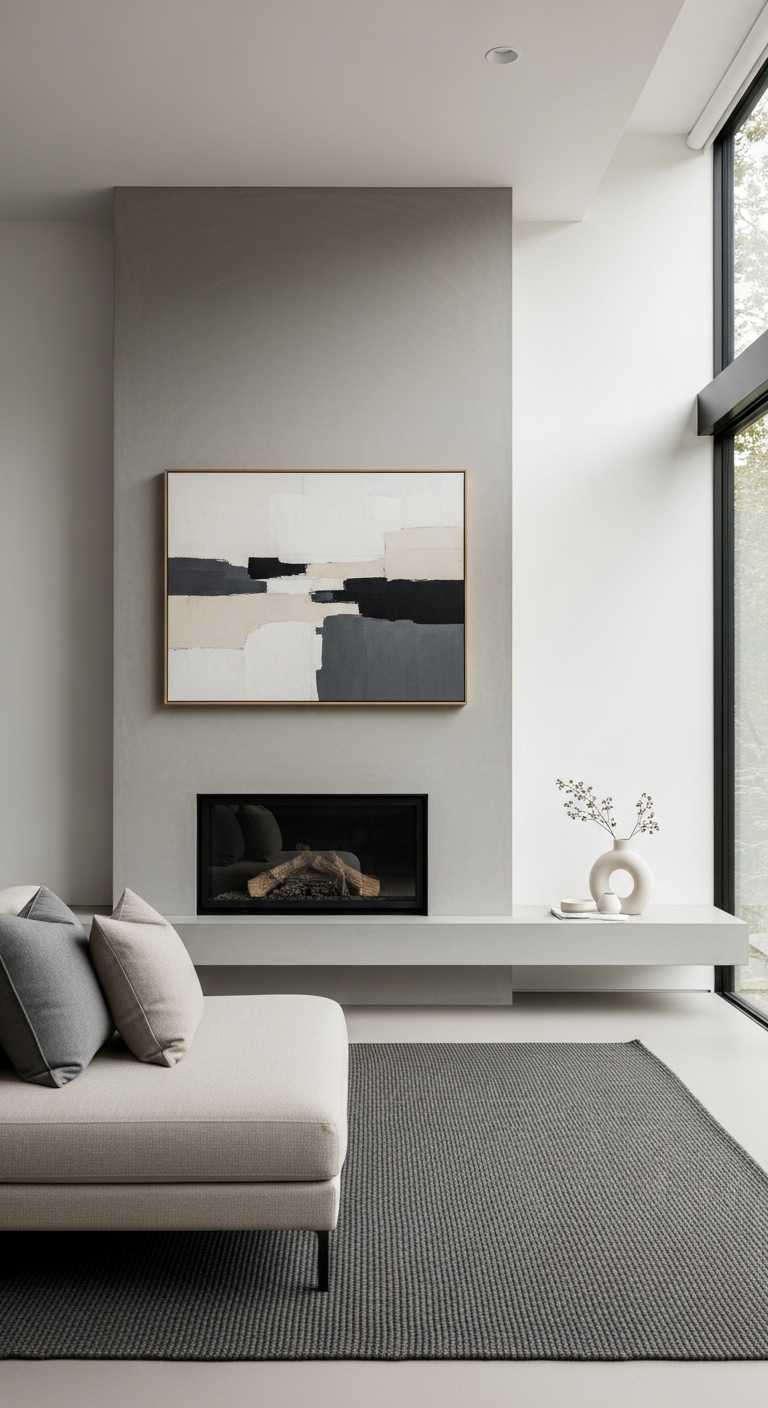
Sometimes luxury comes from restraint. Working in shades of one colour—taupe, charcoal, or warm white—creates a calm backdrop for one standout material like marble or smoked glass. I suggest choosing one element, maybe a coffee table, and letting that be the “dressy” moment. It’s a controlled way for homeowners to upgrade without redoing the entire room.
5. An Oversized Rug That Actually Fits the Furniture
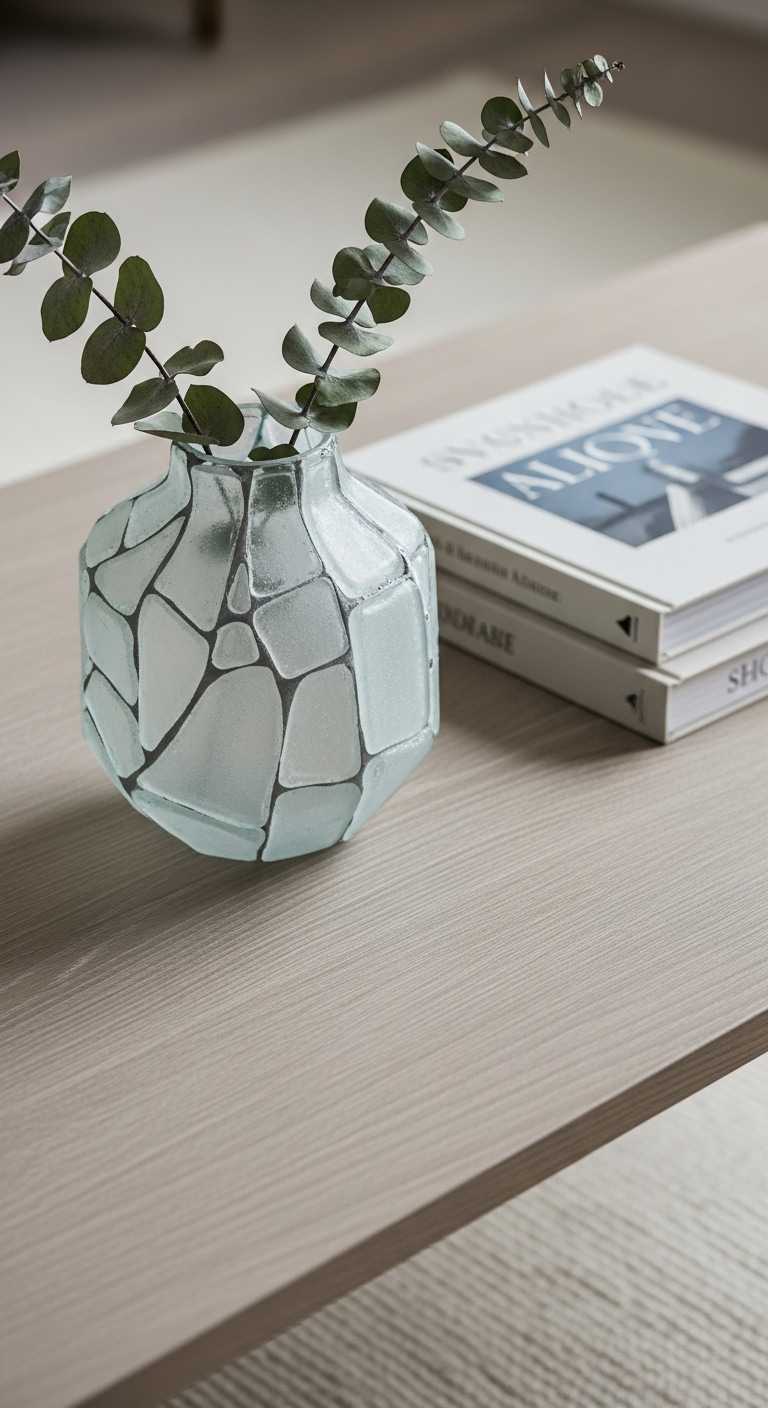
Nothing makes a room feel more expensive than a rug big enough to sit under all major pieces. It visually pulls the whole layout together. I like using handwoven wool or a thick flatweave because they age nicely. If you’re unsure of size, go larger—most homeowners underestimate rug dimensions. It’s one of the simplest fixes for a disjointed living room.
6. Built-In Shelving With Soft Lighting
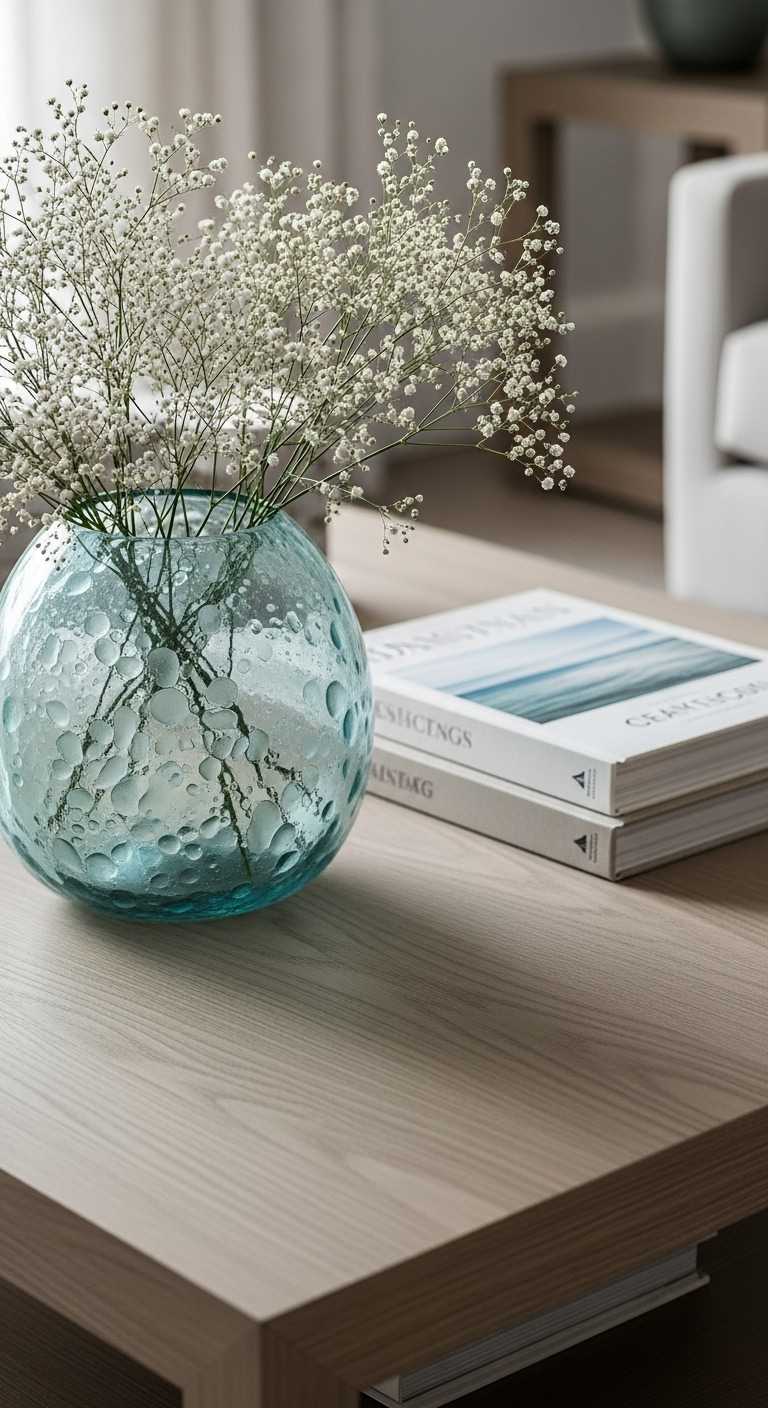
Built-ins create a custom look instantly, and adding soft lighting inside the shelves keeps everything from feeling heavy. I usually stick to warm LEDs so the items on the shelves don’t glare. Homeowners who can’t install built-ins can mimic the look with tall bookshelves arranged tightly together and a couple of small picture lights mounted above.
7. A Statement Stone Coffee Table
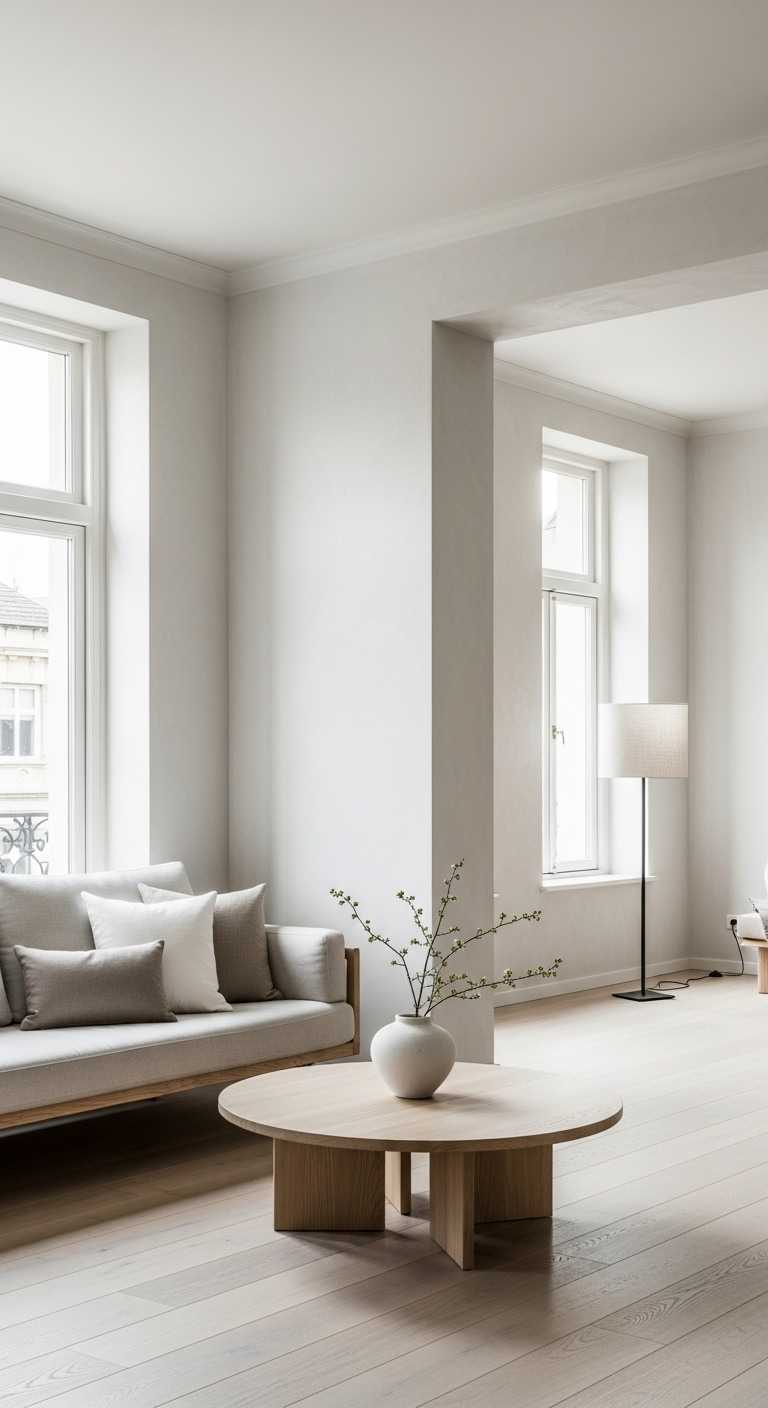
A solid stone table—travertine, marble, even a honed granite—brings a weight that feels luxurious without being showy. What makes it work is the texture and veining; it breaks up all the soft furnishings. I often pair it with a lower sofa to keep the proportion grounded. If you’re worried about maintenance, go for honed finishes—they hide everyday wear better.
8. Plush, Oversized Throw Blankets in Natural Fibers
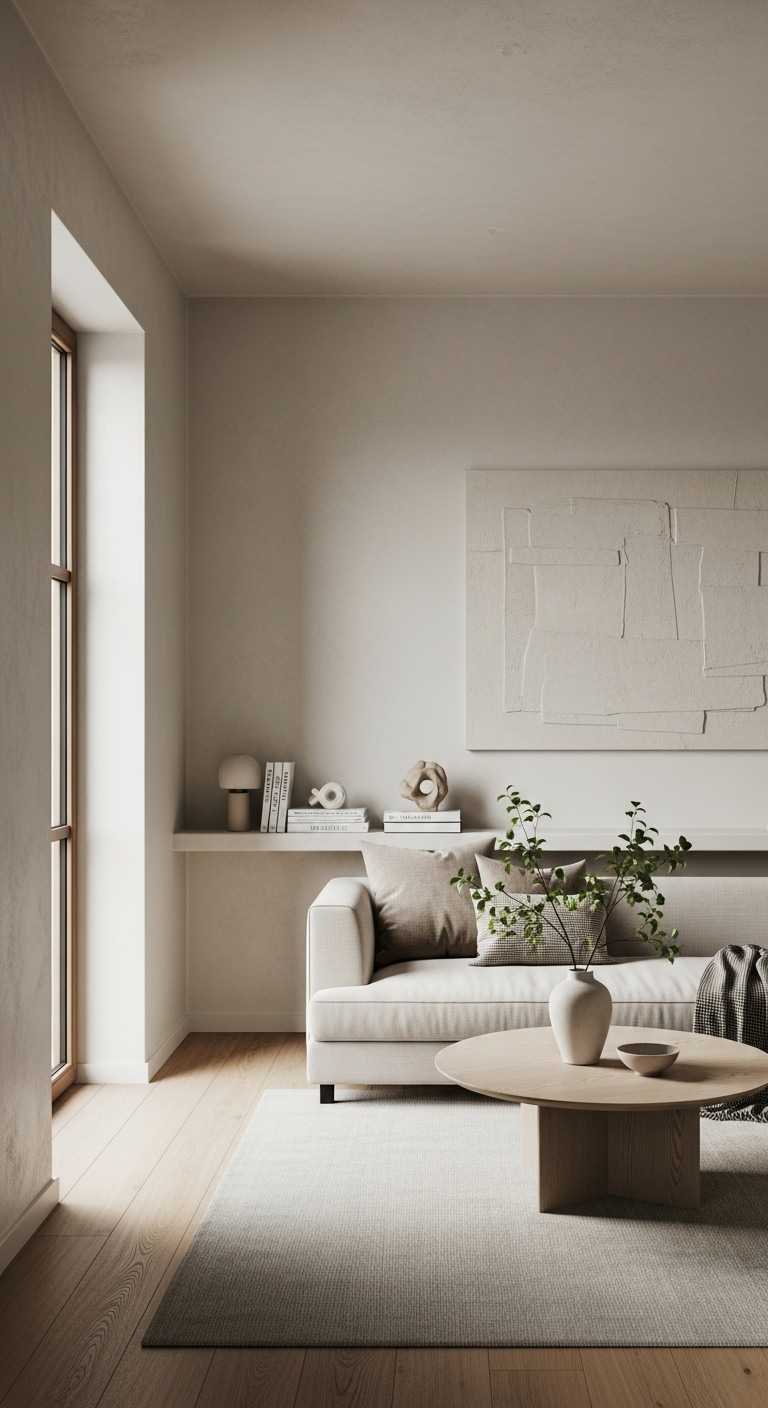
A good throw adds softness and texture without looking messy. I choose alpaca, cashmere blends, or chunky knits in muted colors. Fold it neatly over one arm of the sofa rather than draping it everywhere. Homeowners are often surprised by how much this small detail changes the feel of the room.
9. A Floating Console Behind the Sofa
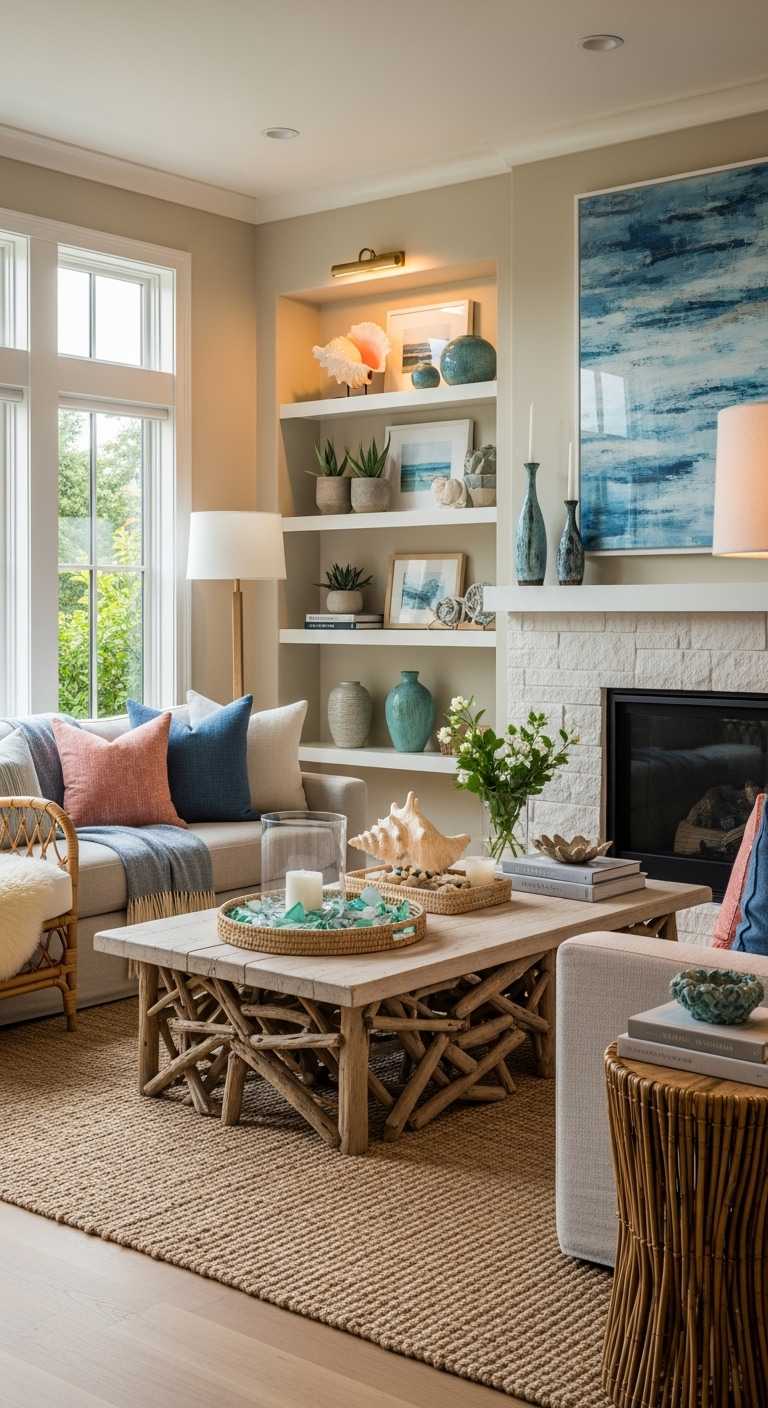
If your living room backs into another space, a slim console behind the sofa adds purpose and a bit of elegance. I like using wood tones here, sometimes with thin metal legs. It gives you a place for lighting, books, or a bowl to catch remotes. Homeowners can choose a narrow one—even 10–12 inches deep works.
10. Layered Lighting Instead of One Overhead Fixture

Luxury rooms rarely rely on a single ceiling light. You want a mix: floor lamps, table lamps, maybe sconces if wiring allows. It’s about creating pockets of glow rather than blasting the whole room. If homeowners start with anything, I always say add a dimmer—you’ll never regret it.
11. A Pair of Accent Chairs With Interesting Silhouettes
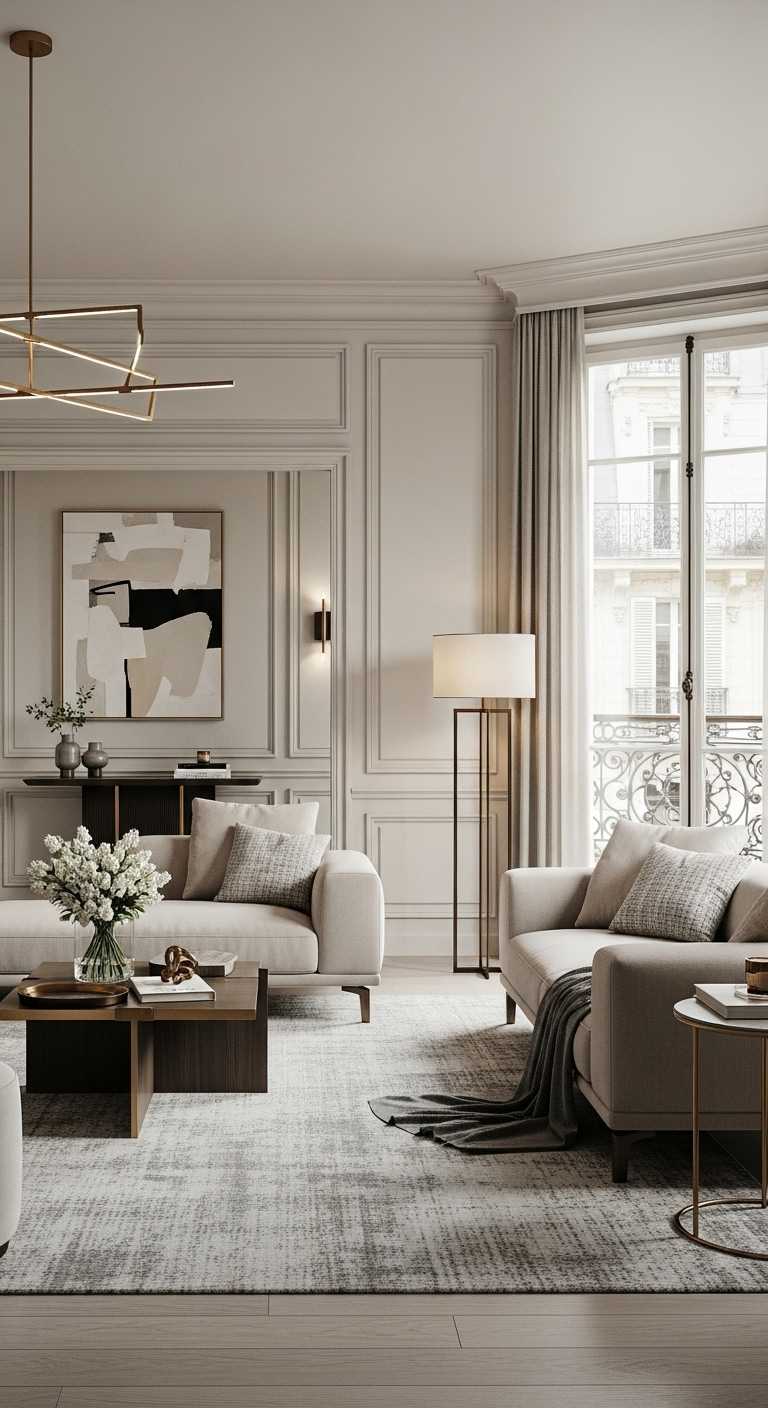
Chairs with curved backs or sculptural frames add personality without clutter. I like placing them slightly angled toward the sofa so the seating feels conversational. Upholstery is where you can be playful—maybe a textured boucle or a patterned fabric. For homeowners, stick to chairs with exposed legs if the room is smaller; it keeps things airy.
12. Matte Black Fixtures for a Sleek Touch
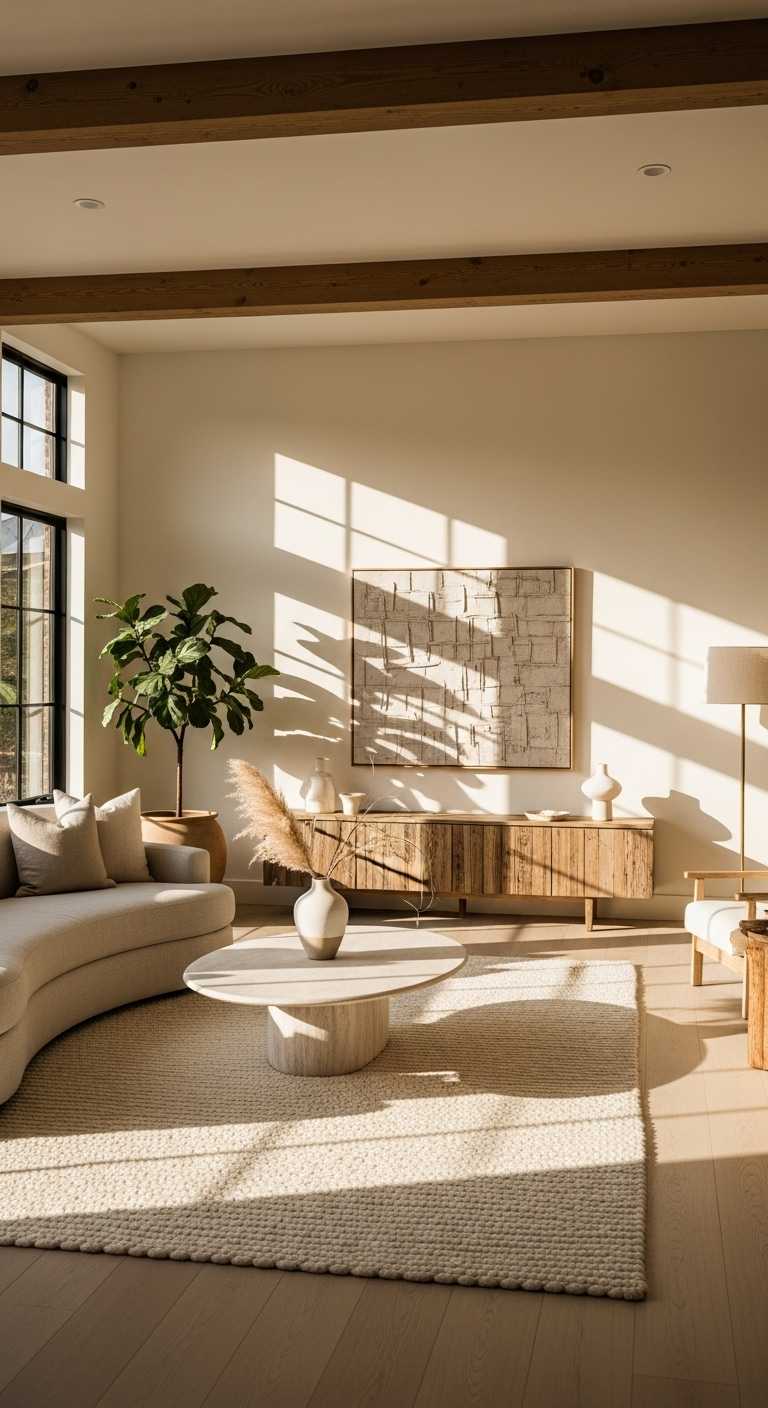
Black hardware or lighting doesn’t scream for attention, but it adds a crispness that feels modern and expensive. I tend to use it sparingly—maybe on a floor lamp, curtain rods, or a single statement light. If homeowners worry about going too dark, pair black with warm woods so it doesn’t feel cold.
13. A Low Media Console in Rich Wood
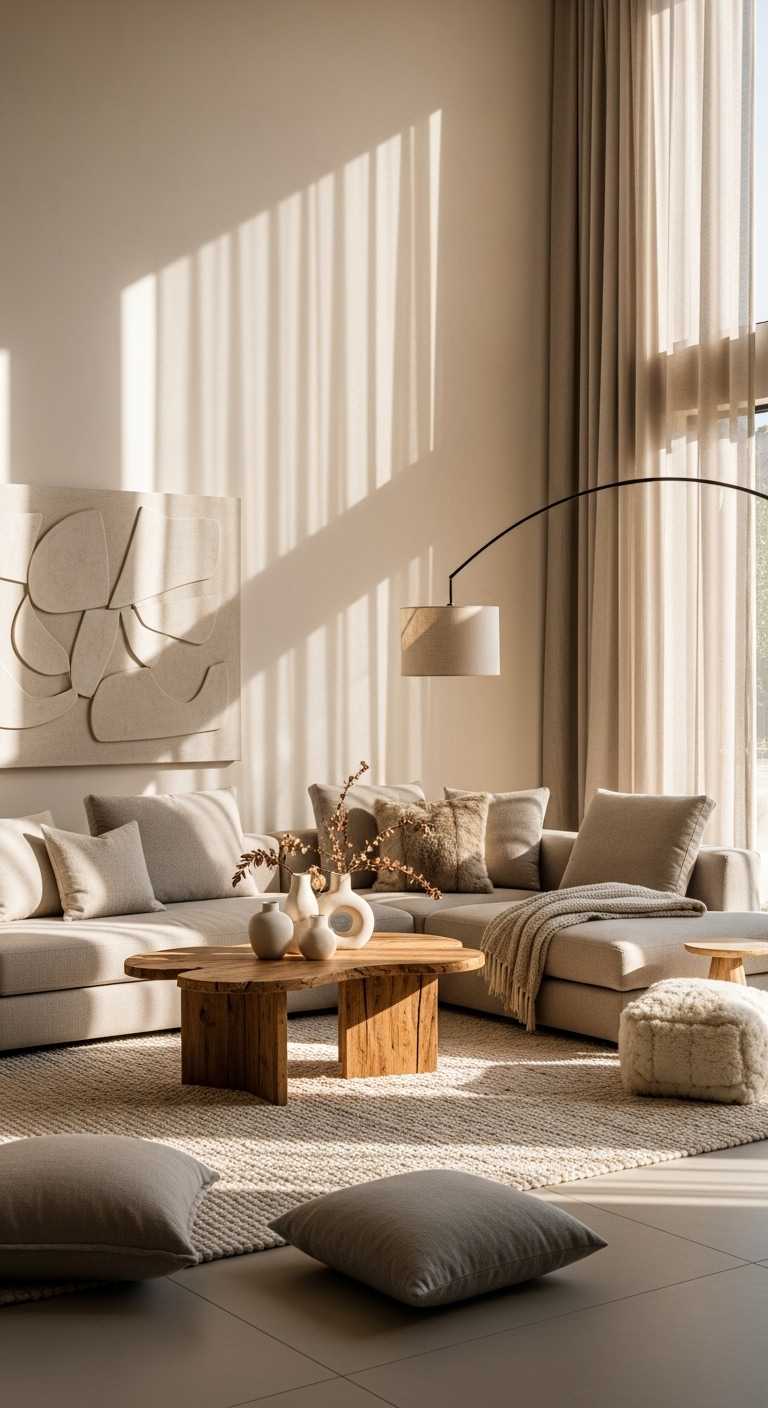
A long, low console makes the TV area feel intentional instead of purely functional. Choosing walnut, ash, or oak creates warmth and hides electronics better. I often run it almost wall to wall, so the room feels wider. Homeowners can also style the ends with a few tall objects to balance the screen.
14. Sculptural Side Tables to Break Up the Straight Lines
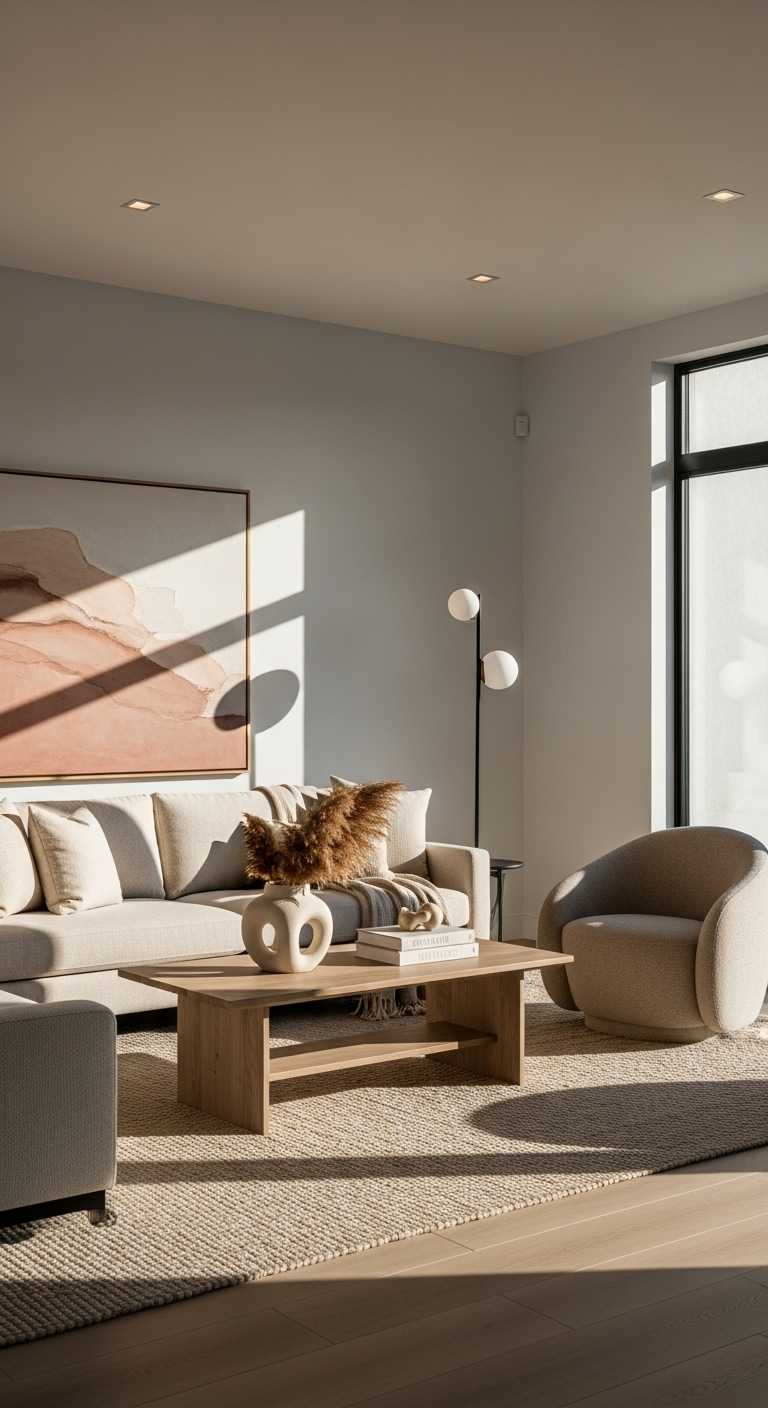
Most living rooms end up with too many rectangles. A rounded or sculptural side table softens the composition. Stone, metal, or textured wood all work well. I place it slightly forward of the sofa arm so it feels integrated rather than floating. A small change like this can make the room feel more curated.
15. Mixing Velvet With More Casual Fabrics
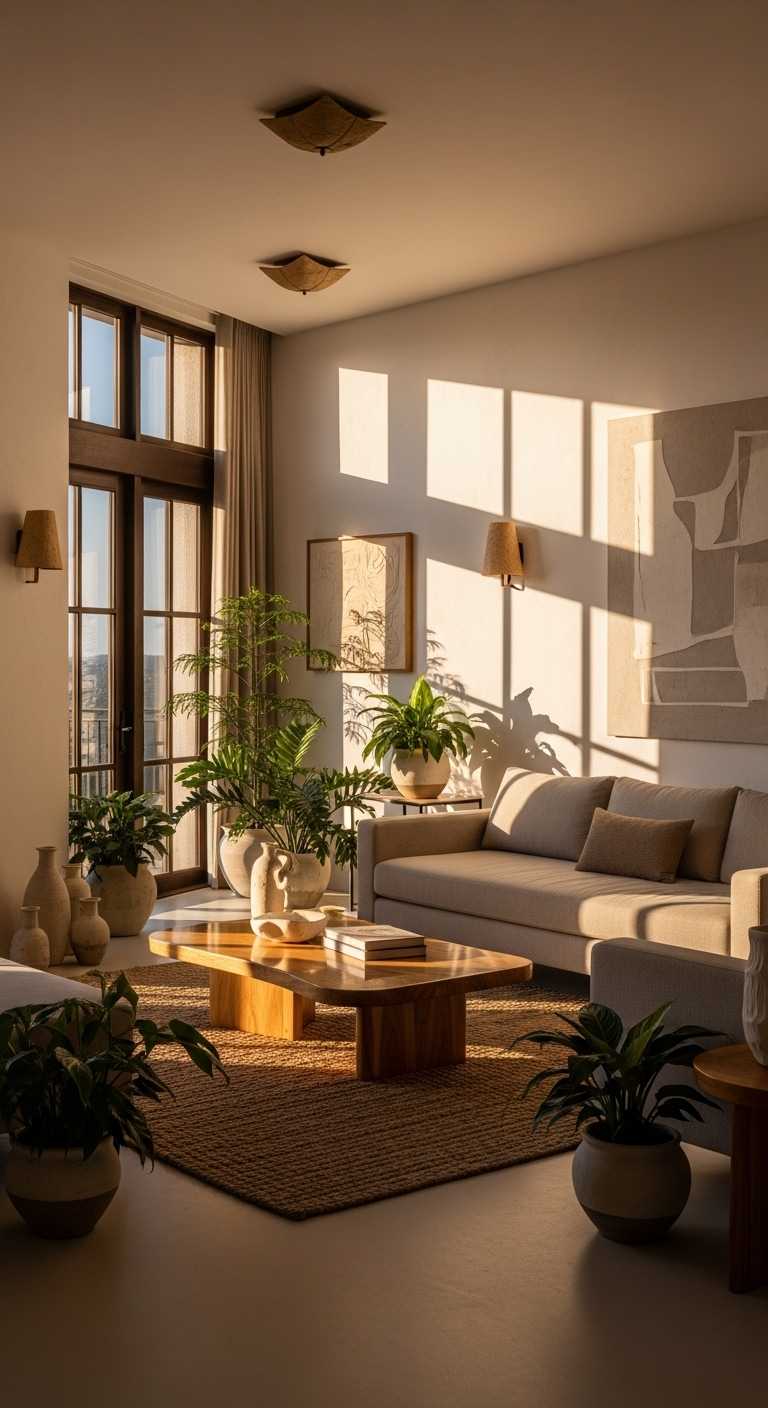
Velvet adds that classic luxurious vibe, but pairing it with linen or cotton keeps things from feeling formal. I use velvet on one element only—maybe accent chairs or a bench. Homeowners can try velvet cushions if they’re unsure; they bring richness without commitment.
16. A Large-Scale Piece of Art to Anchor the Room
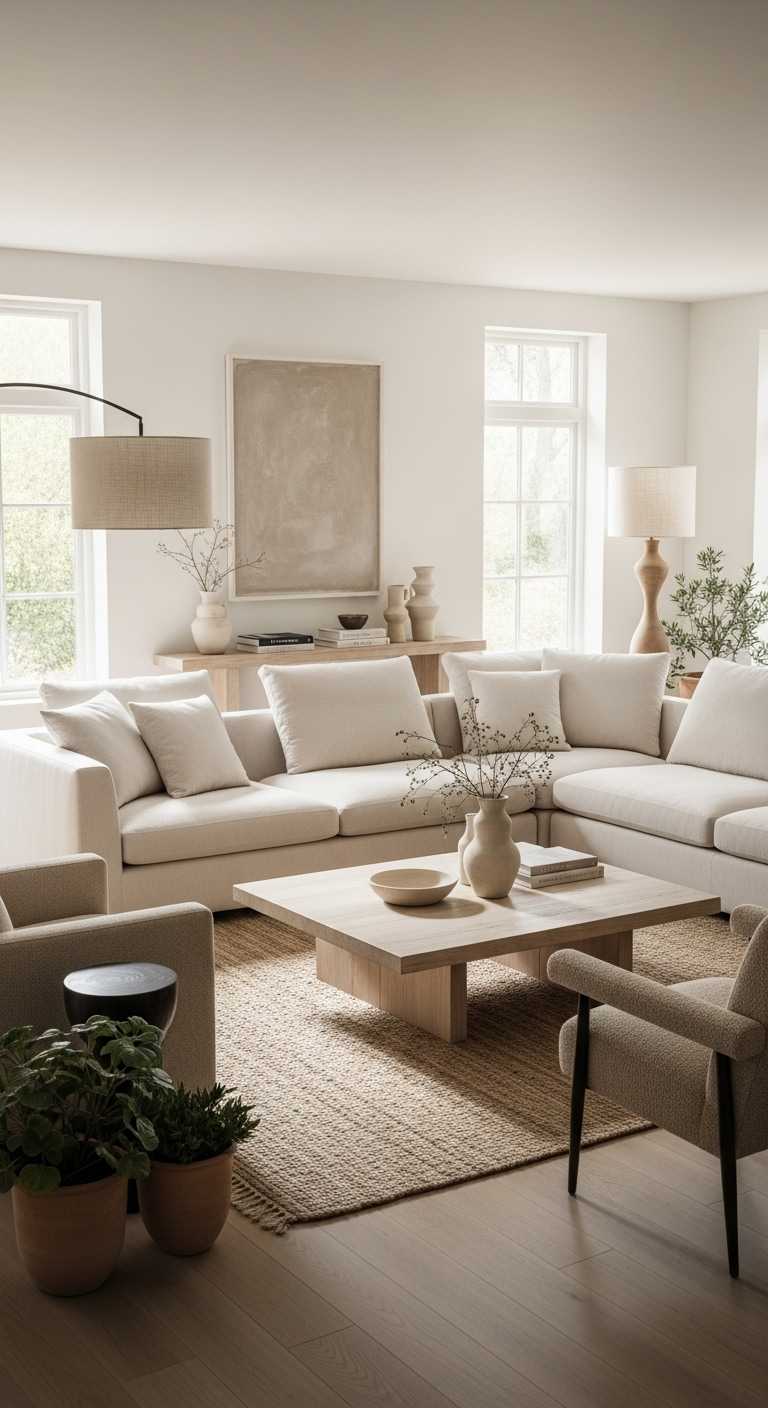
One oversized piece often looks far more elevated than many small ones scattered around. It creates a focal point and reduces visual clutter. I look for pieces with subtle color variation that tie into the room’s palette. For homeowners, even framed prints or canvases work—go larger than you think.
17. Neutral Walls With a Deep Accent Color
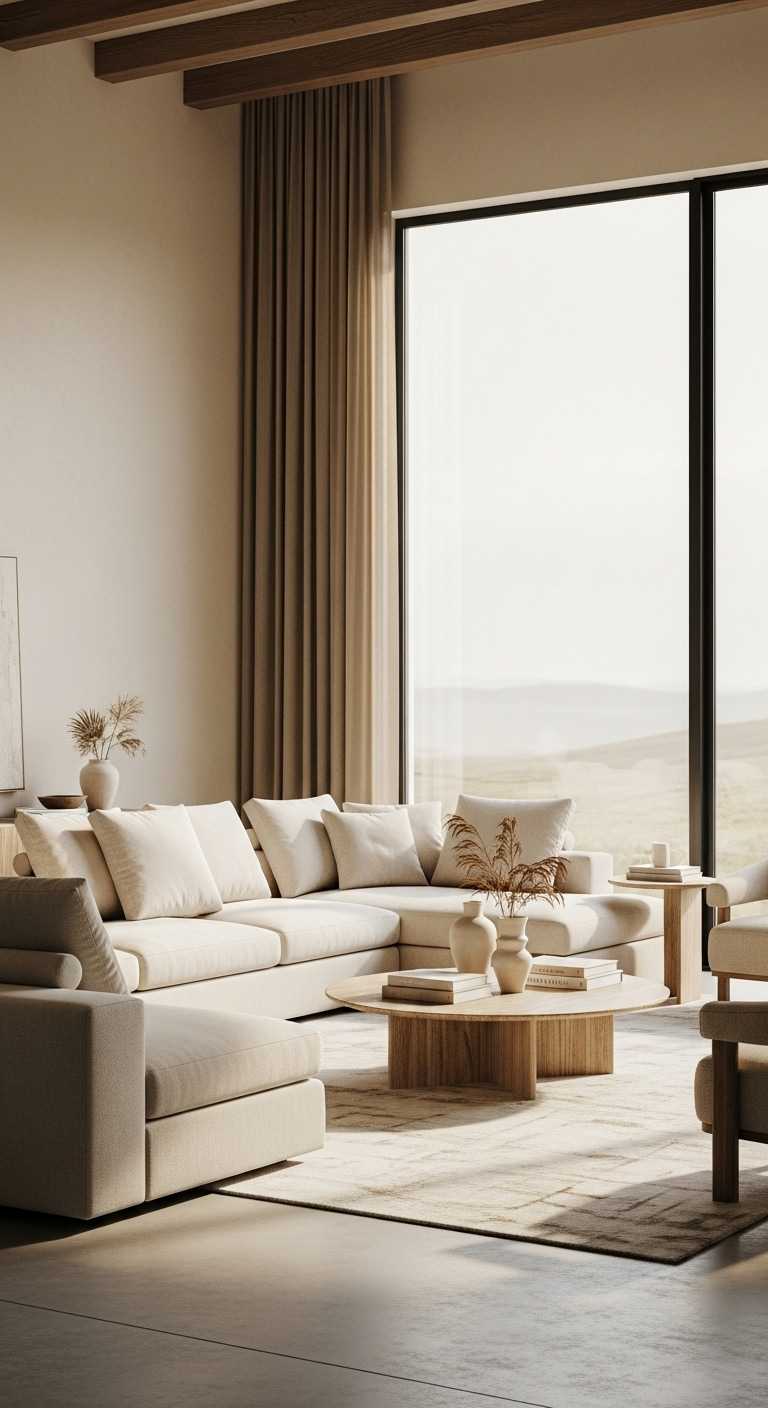
A deep charcoal, forest green, or navy on one wall adds mood without making the whole room dark. I usually choose the wall behind the sofa or opposite the entry. It gives depth and makes artwork or lighting pop. Homeowners can try peel-and-stick samples before committing.
18. A Fireplace Mantel Styled With Restraint
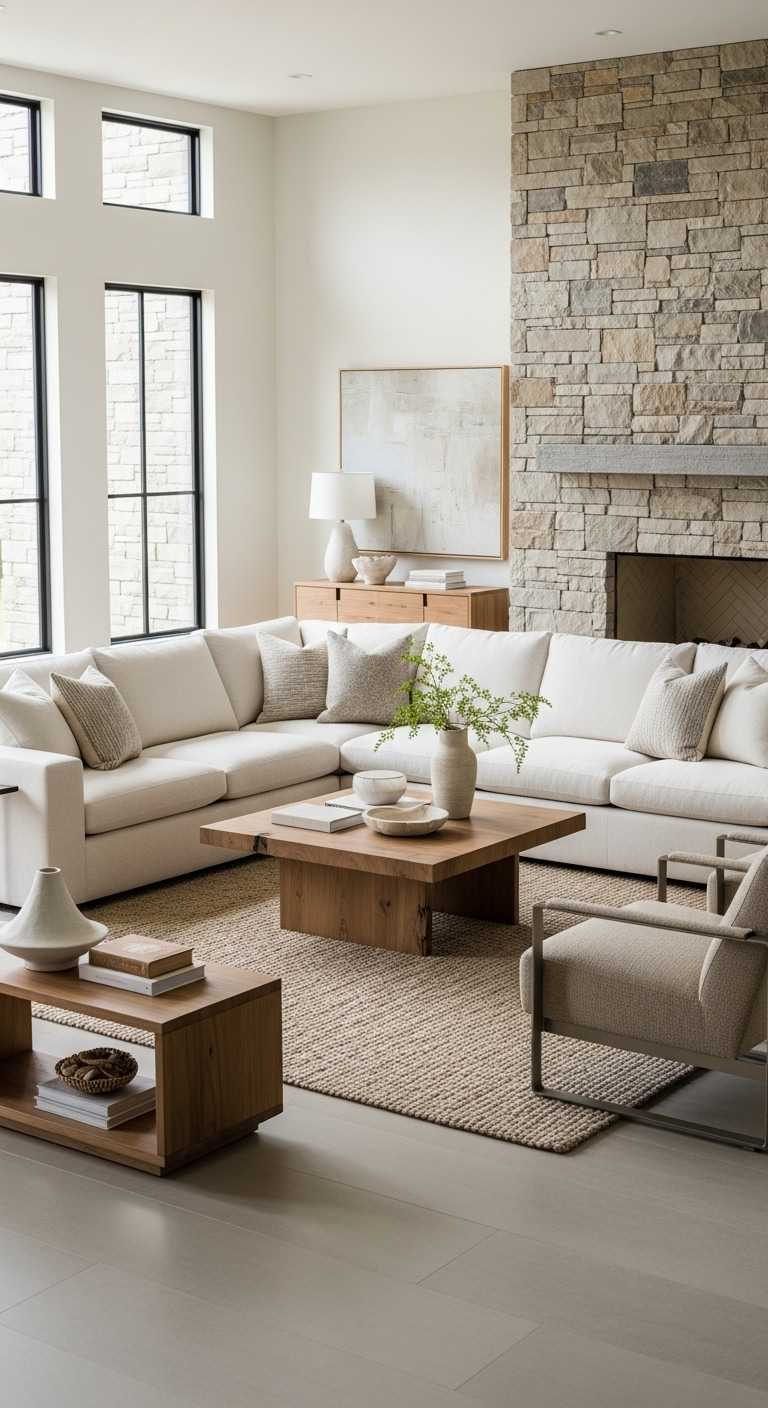
A well-edited mantel feels more luxurious than one crammed full. I prefer one tall item, one shorter one, and some empty space. Natural stone mantels—limestone or marble—add quiet luxury. Homeowners can start by decluttering and using larger-scale pieces instead of many small ones.
19. Soft, Diffused Lighting Through Paper or Fabric Shades
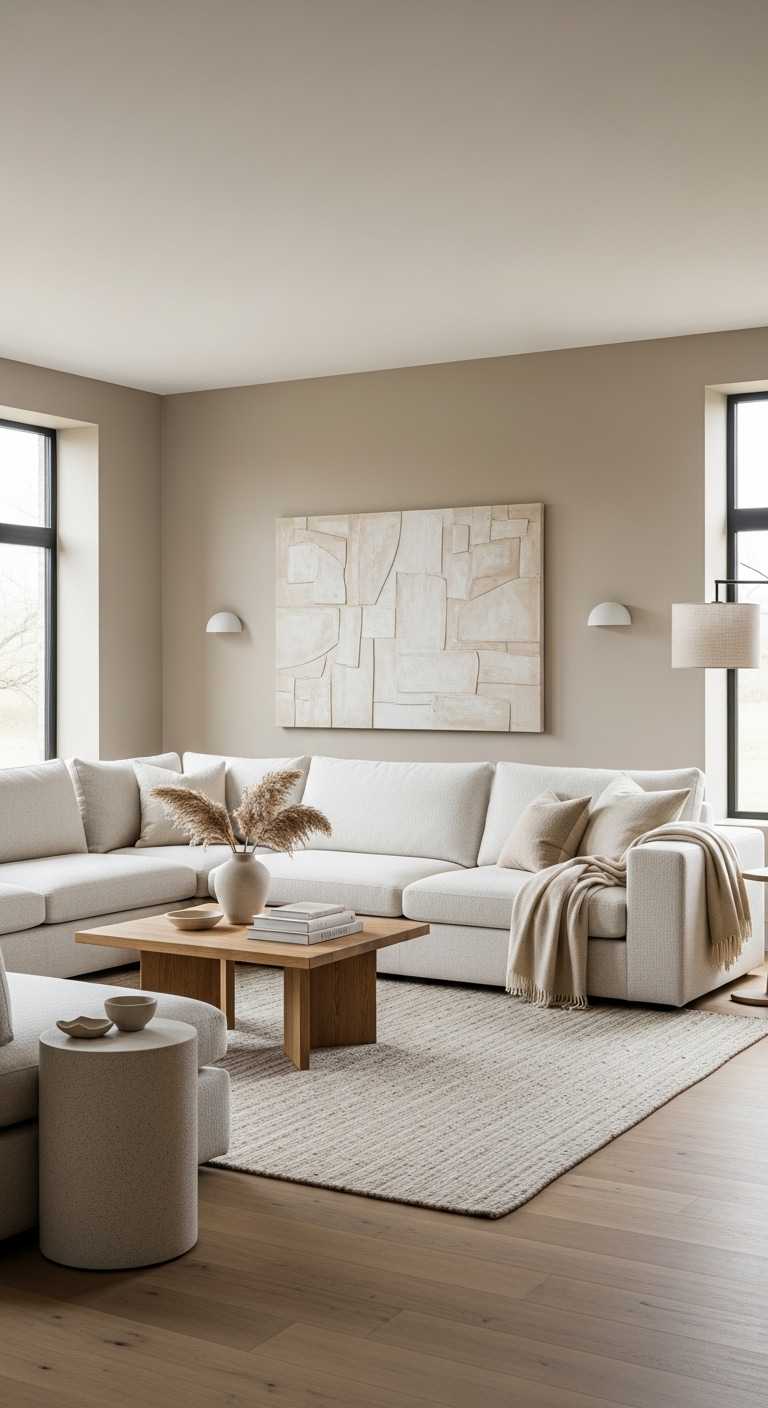
Paper lanterns or fabric drum shades create a calm, warm glow that instantly softens a room. They pair well with minimal or Scandinavian-inspired spaces. I often layer them with warmer-toned bulbs. Homeowners can replace harsh shades with fabric ones for a quick upgrade.
20. An Upholstered Coffee Table for a Softer Look
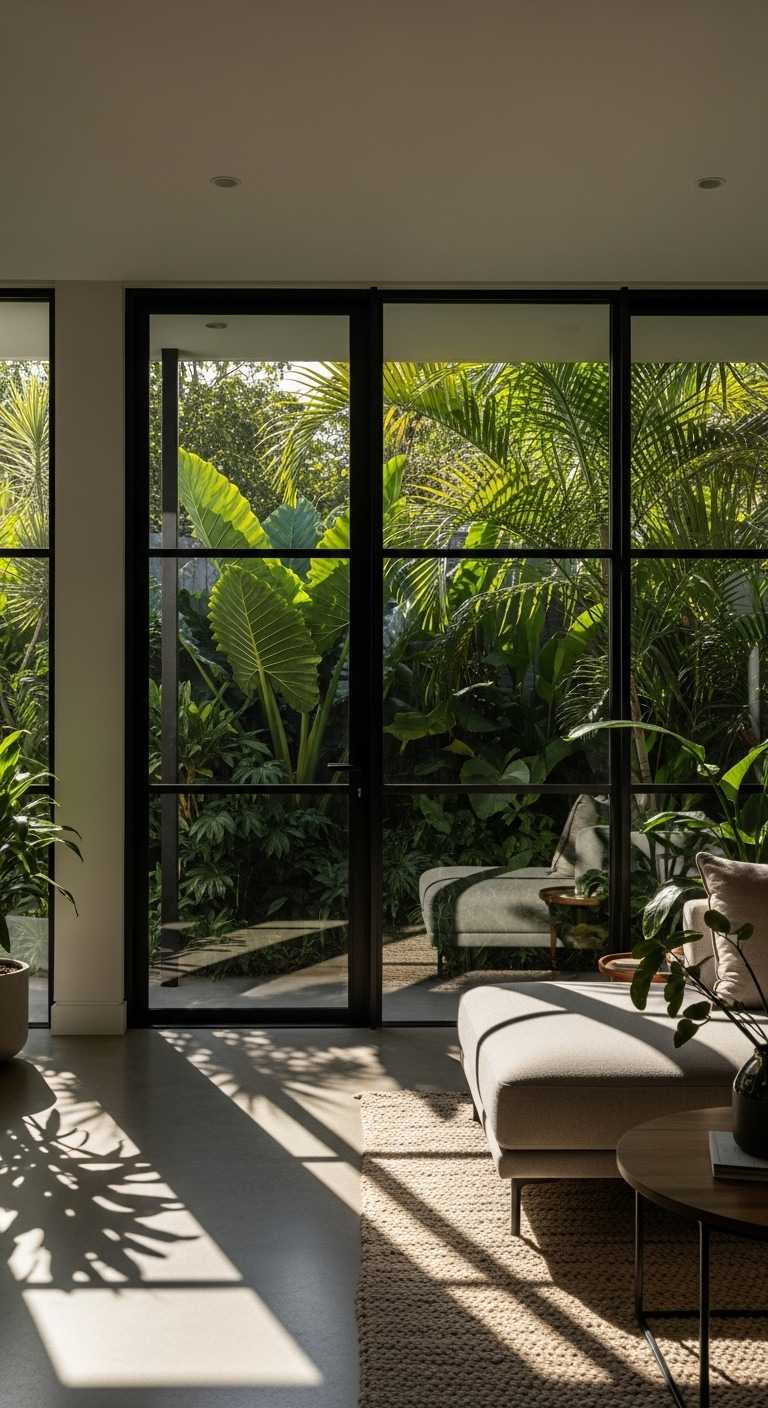
A fabric-topped table adds comfort and makes the room feel more lounge-like. I like using durable, stain-resistant textiles here. It’s great for families who want something plush but still refined. Homeowners can add a large tray on top to keep it functional for drinks.
21. A Statement Light Fixture With Clean Lines
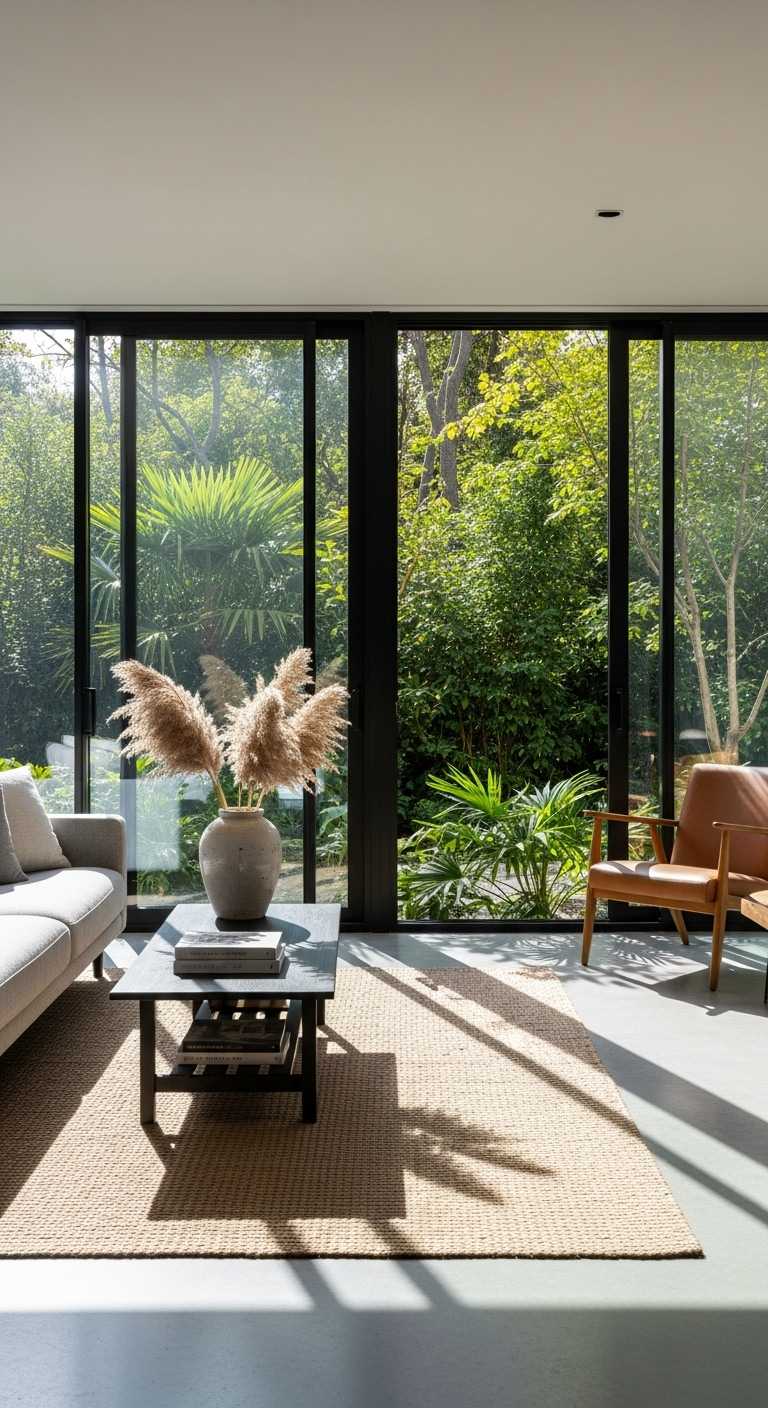
In luxury spaces, lighting tends to be bold but not fussy. Think simple metal arms, glass globes, or sculptural shapes. I usually keep finishes consistent with the rest of the room. If homeowners upgrade nothing else, replacing an outdated overhead light is one of the quickest wins.
22. A Curated Mix of Textures Rather Than Many Colors
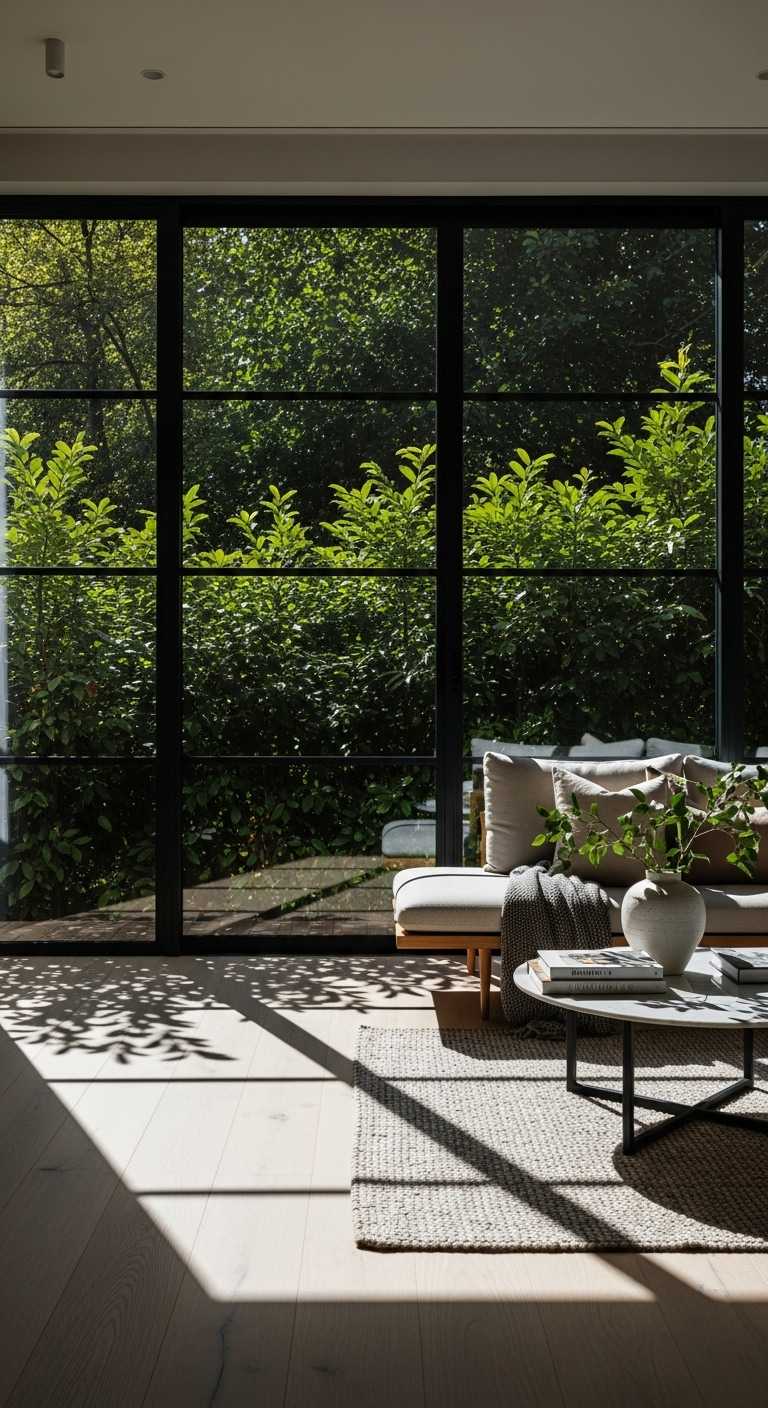
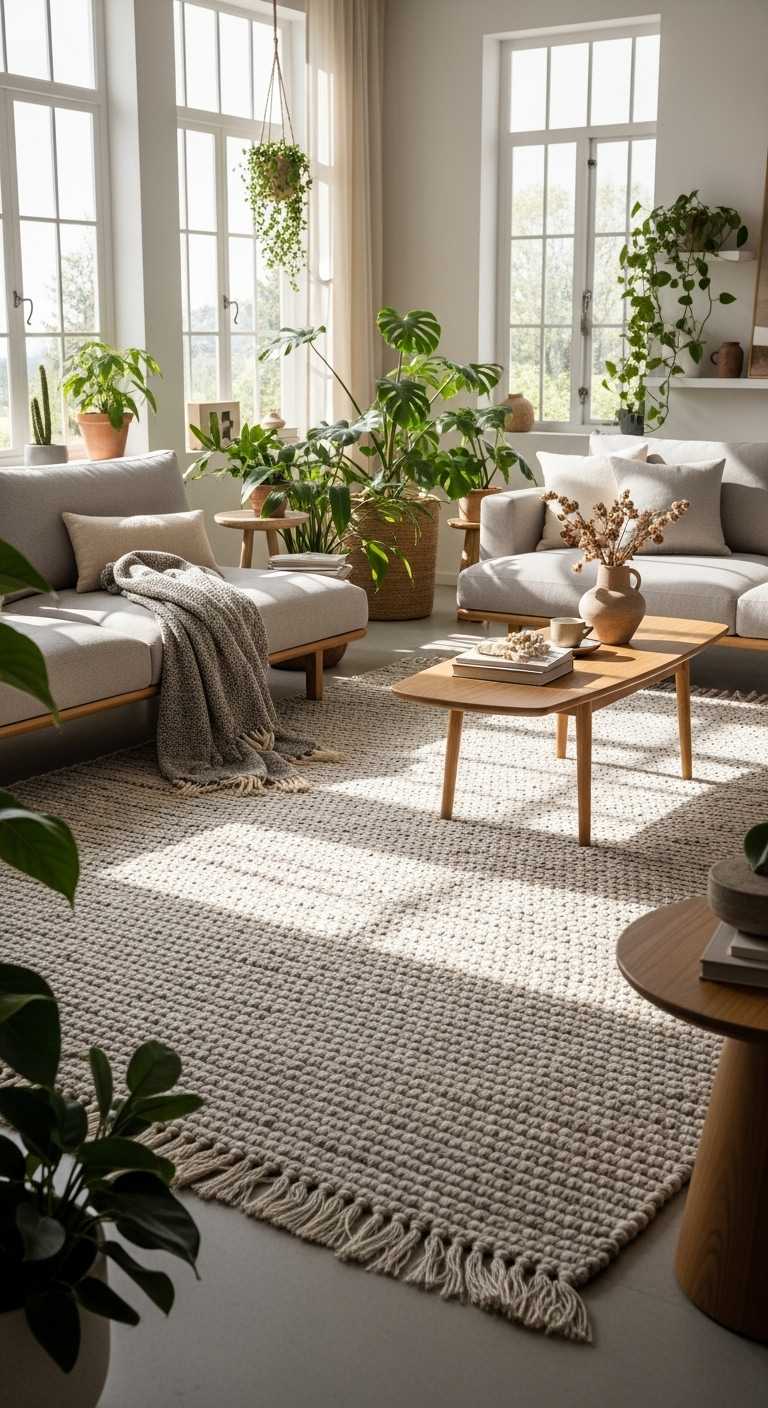
Texture brings richness without overwhelming the room. I mix soft fabrics, smooth stone, matte metals, and natural woods. It’s the easiest way to create depth. Homeowners can start by swapping one glossy piece for something more tactile.
23. A Touch of Dark Wood for a More Mature Feel
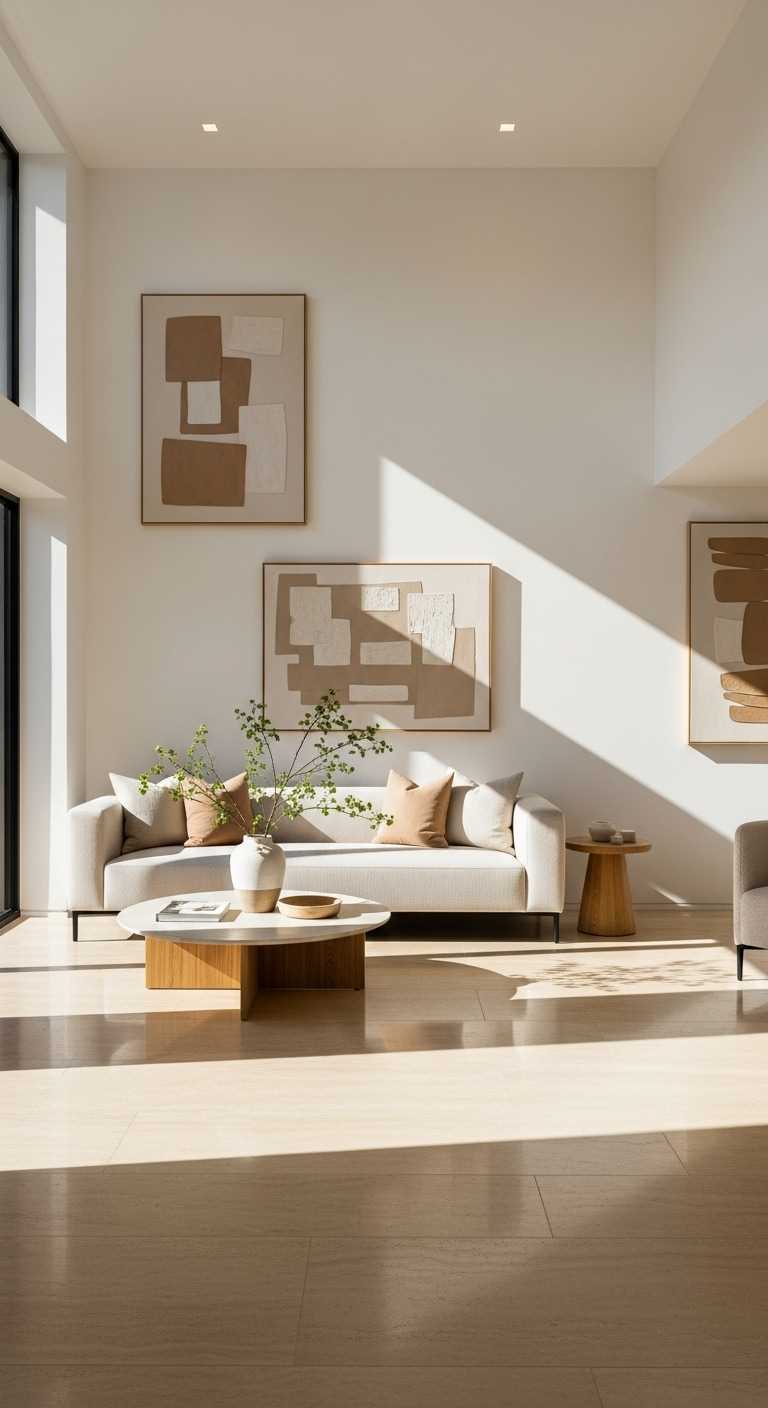
Even in a lighter room, one or two darker pieces—like a sideboard or armchair frame—add sophistication. I like walnut or espresso finishes because they age well. Homeowners often think everything has to match, but mixing tones creates a more natural look.
24. Symmetrical Layouts for a Calm, Balanced Look
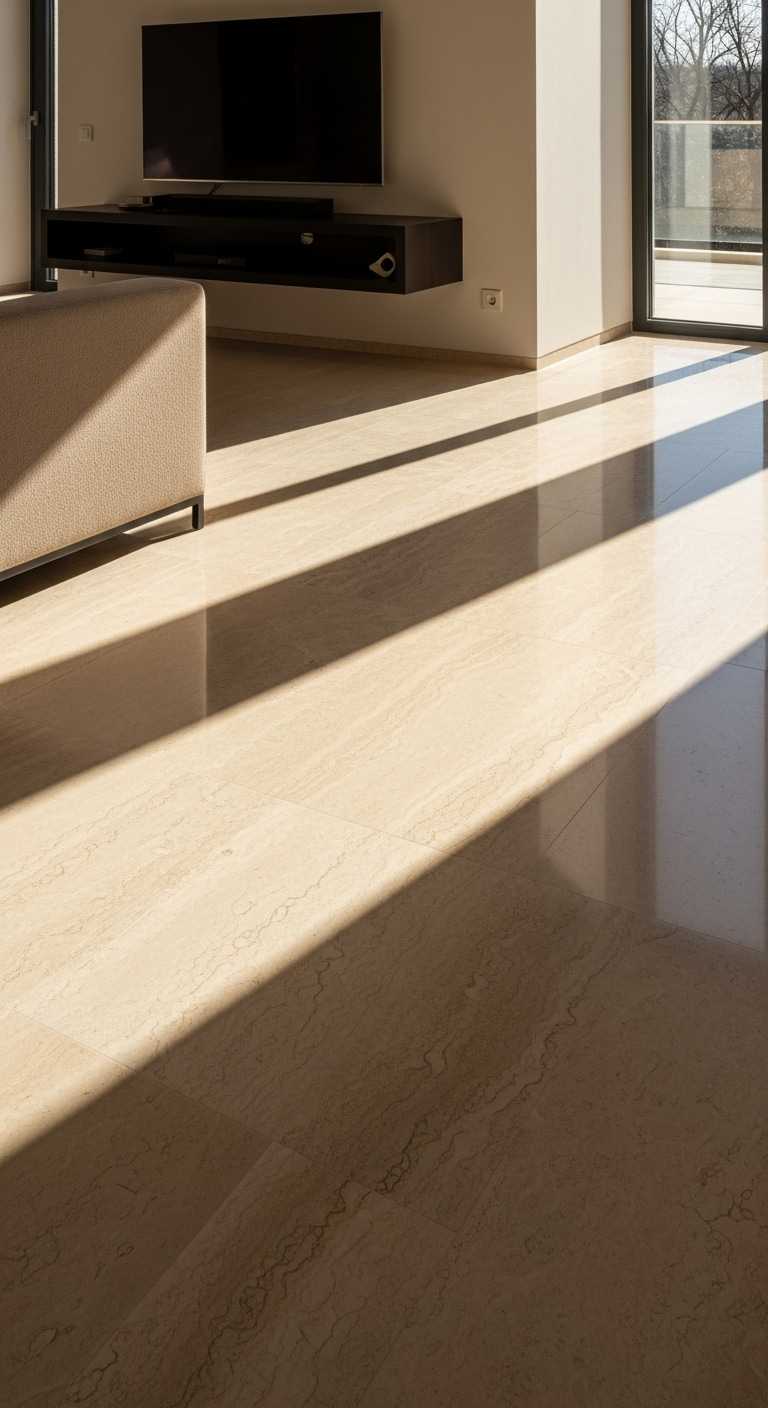
Symmetry has a way of making a room feel intentional. I often use matching lamps, chairs, or side tables when the room needs structure. It’s especially useful in long or narrow spaces. Homeowners can experiment by mirroring items on either side of the sofa.
25. A Minimal TV Wall With Concealed Storage
A tidy media area feels instantly more upscale. Built-ins help, but even a clean console with cable management makes a difference. I like adding a few tall decorative pieces at each end to create balance. Homeowners can hide small devices in baskets or boxes.
26. Mixing Metals Without Making It Busy
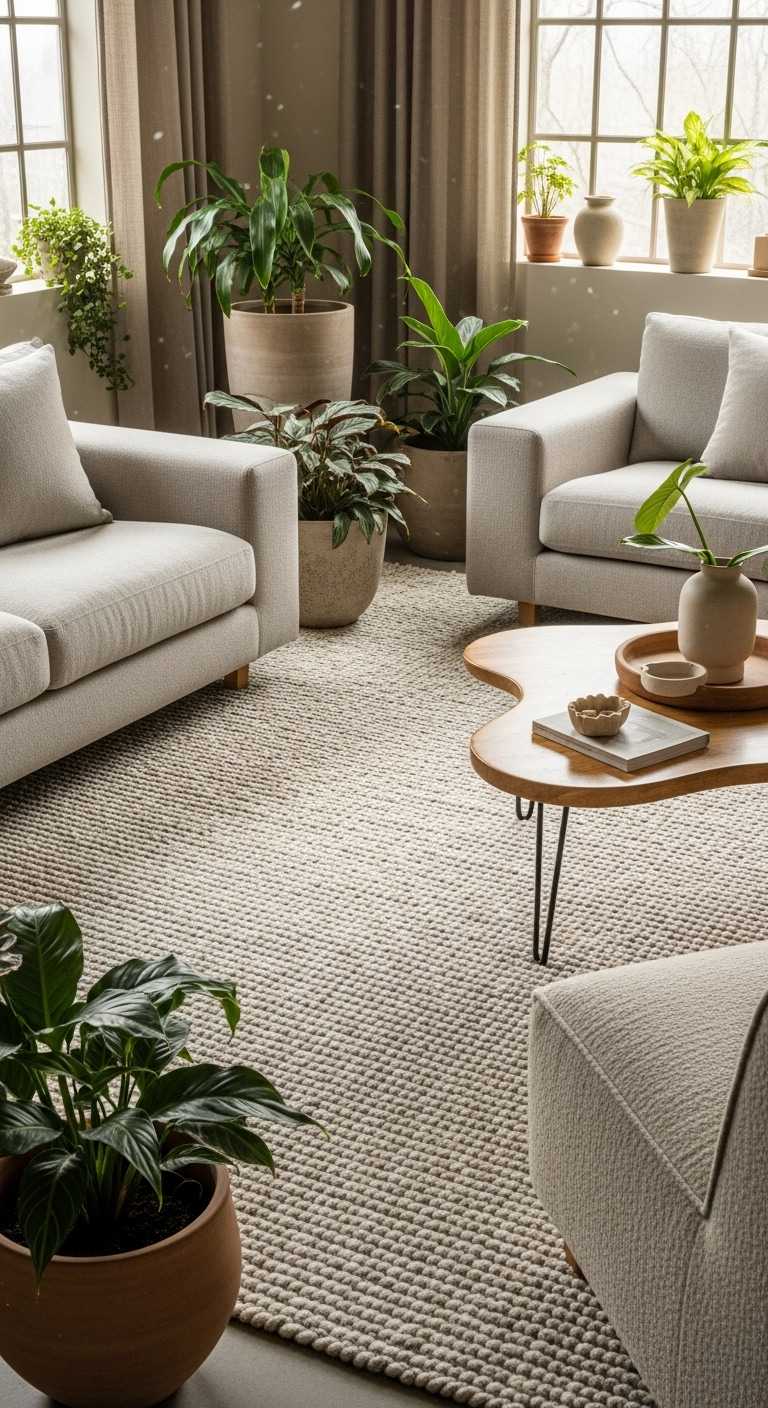
A blend of brass, black, and brushed nickel can work as long as one finish is the “main” one. I usually let the biggest fixture determine the direction. Homeowners can mix finishes in small doses—like a brass lamp with black hardware.
27. A Large Mirror to Bring in Light and Depth
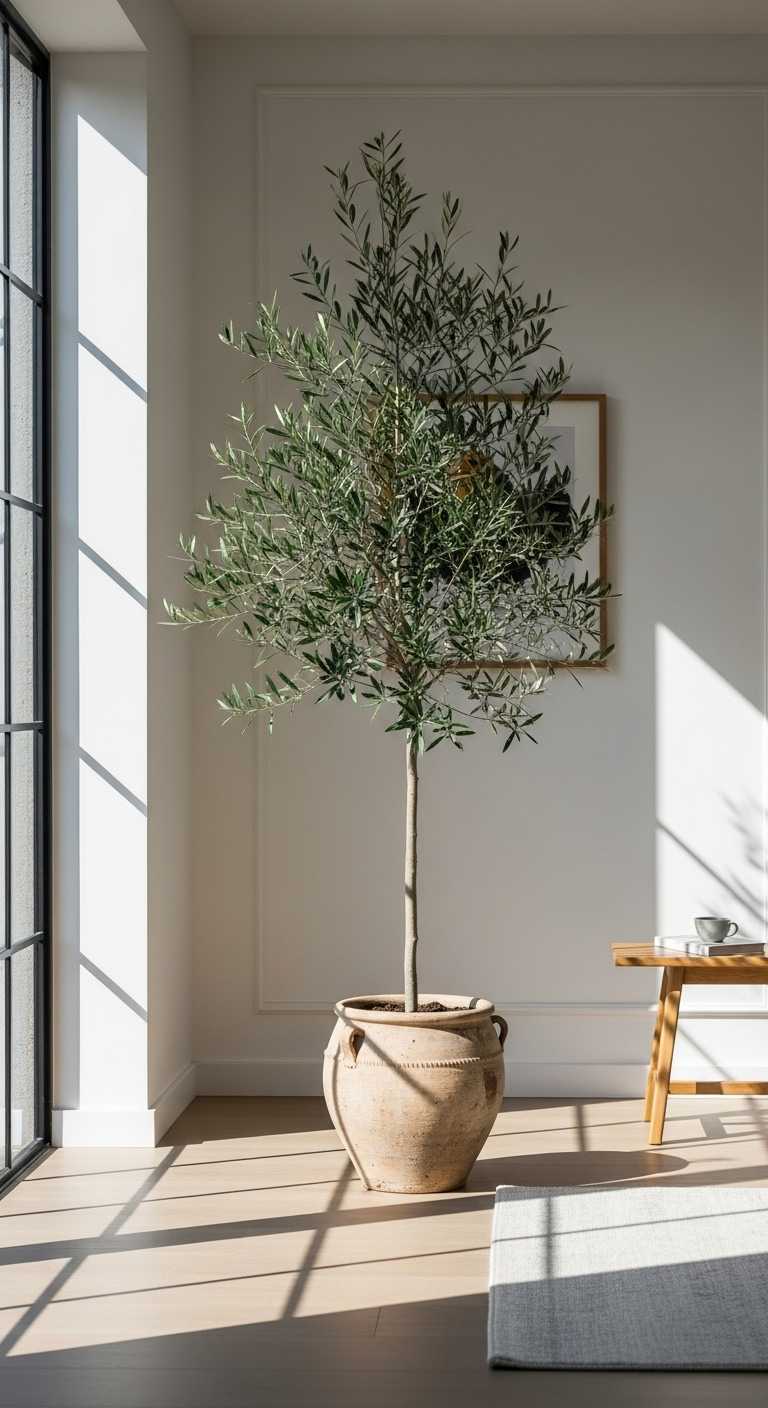
Mirrors work wonders in tighter spaces or darker rooms. I prefer thin frames—black metal or brass—so the glass takes center stage. Angling it toward a window doubles the light. Homeowners can go for oversized styles that reach close to the floor.
28. A Minimalist Fireplace With Clean Lines
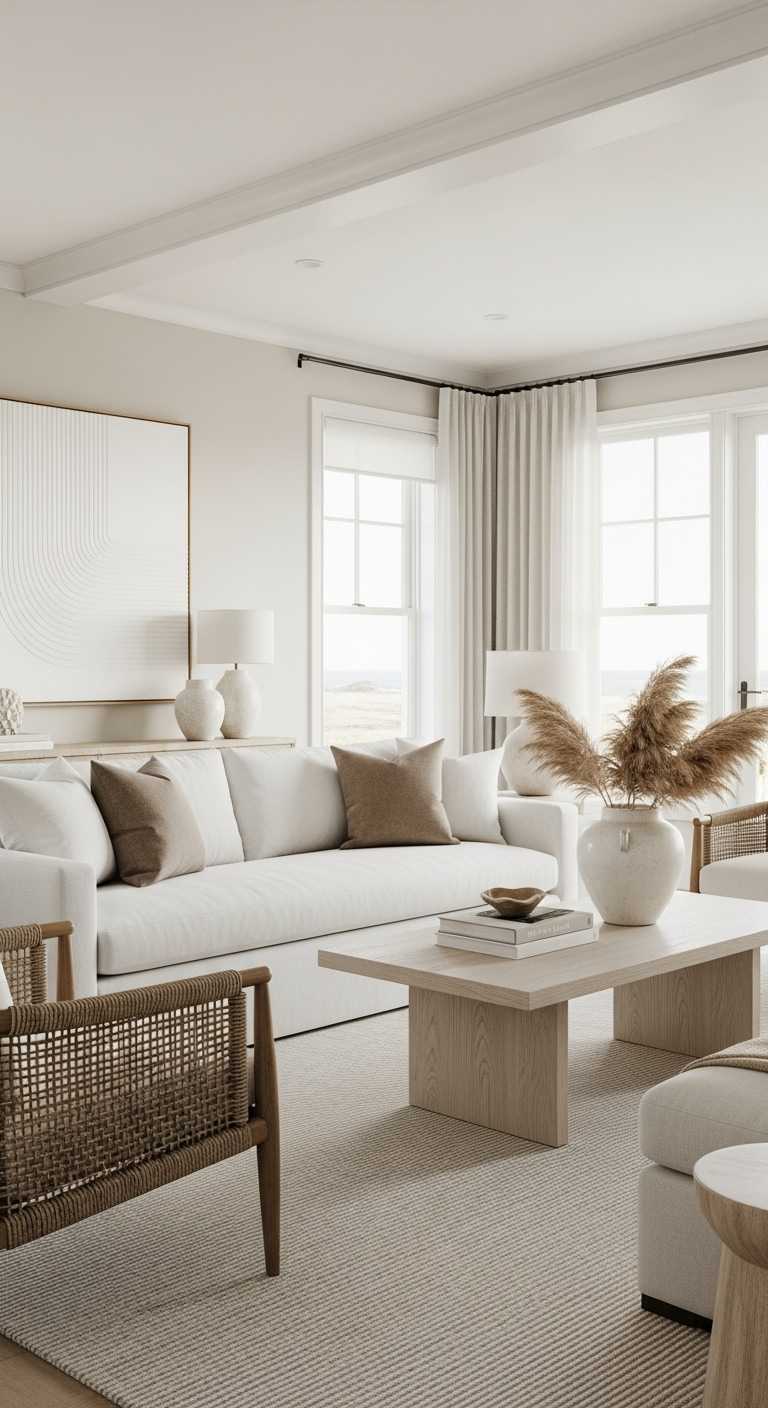
Streamlined fireplaces feel more contemporary and luxurious than heavily detailed ones. I often use plaster or smooth stone surrounds. Keeping the décor on top minimal helps the architecture shine. Homeowners can paint outdated mantels in a clean, matte finish.
29. Sculptural Floor Lamps That Add Height
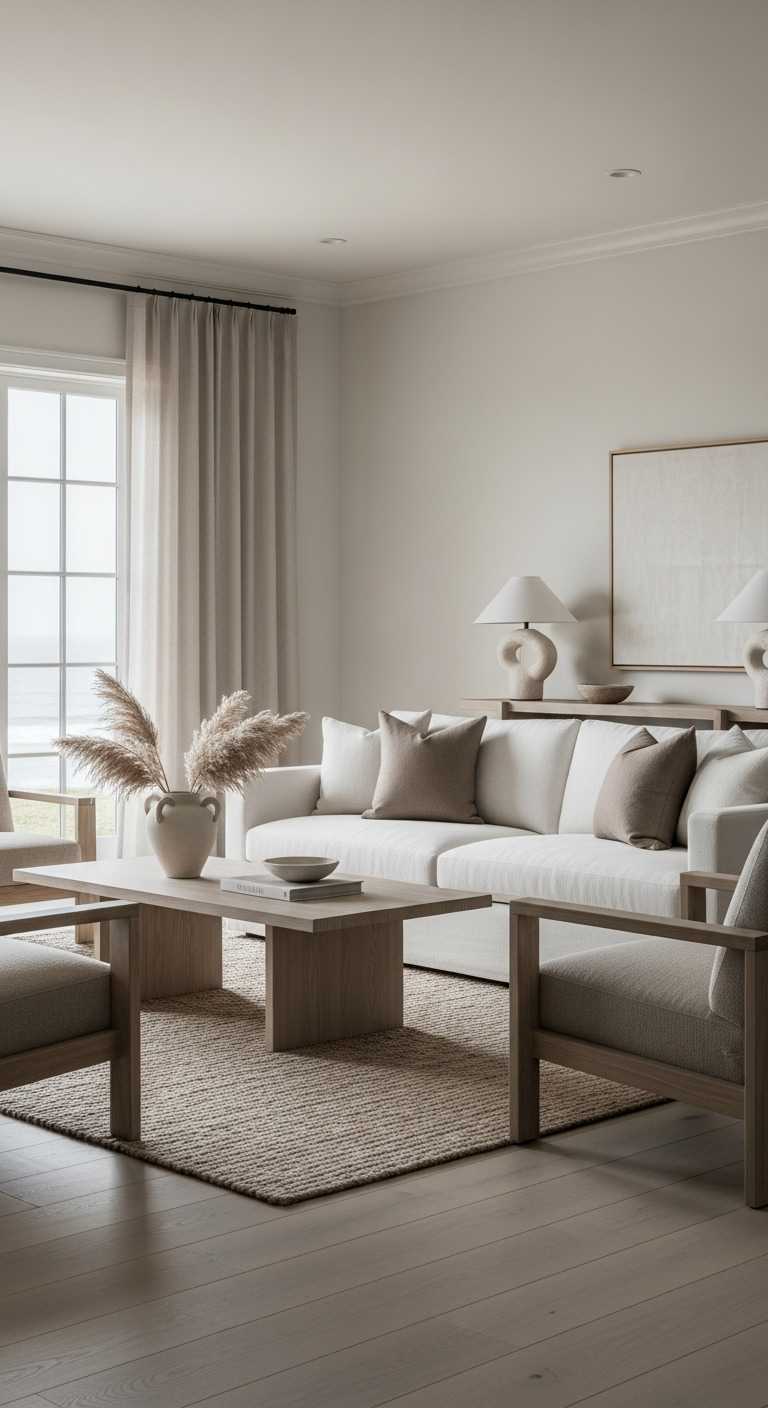
Tall, interesting lamps draw the eye up and make the room feel more designed. Arched lamps or slim metal silhouettes work well. I usually place them where the room feels visually flat. Homeowners can use lamps to fill awkward corners without clutter.
30. Mixed Seating Instead of One Matching Set
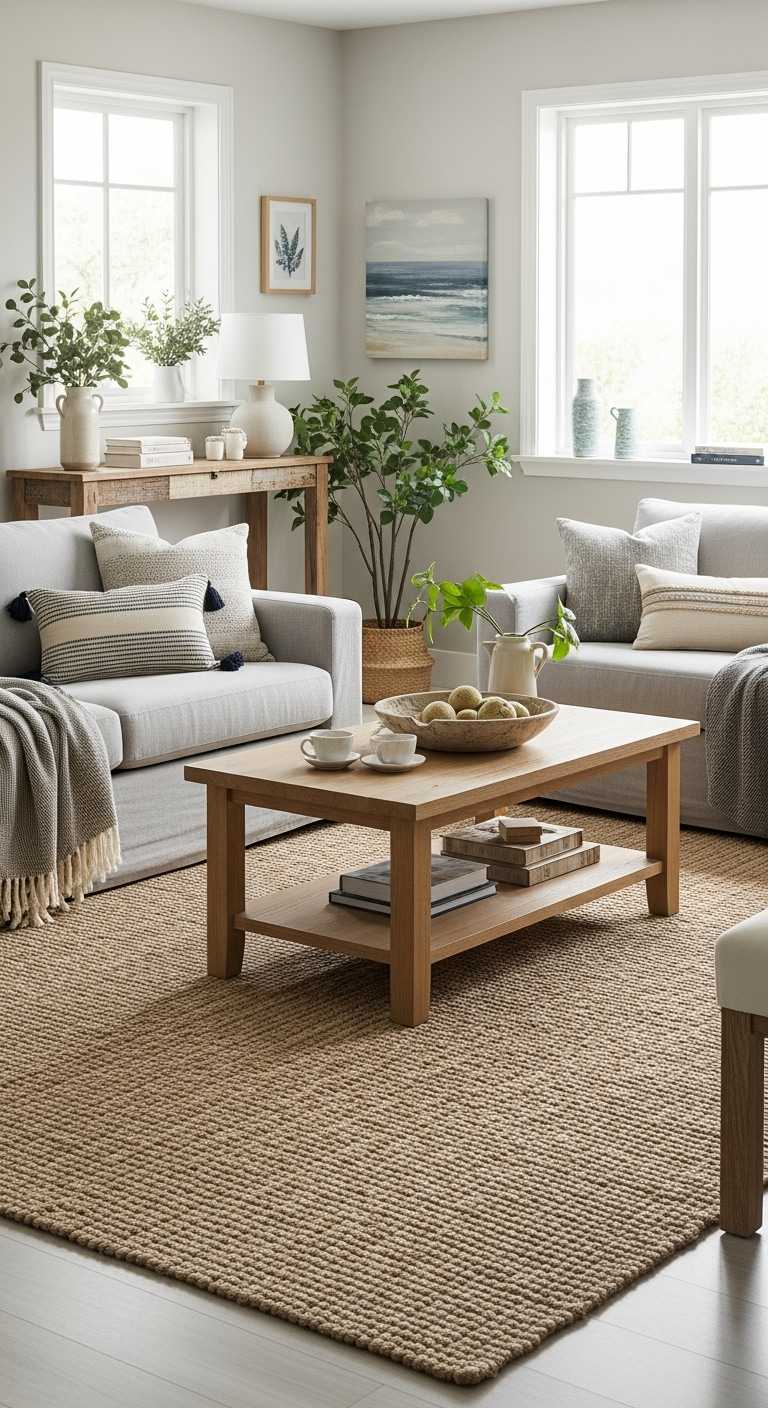
Luxury rooms rarely use a matching sofa-and-chair set. Instead, I mix fabrics, frames, and shapes so the room feels collected. A structured sofa with relaxed chairs gives a nice balance. Homeowners can break up a matching set by swapping just one piece.
31. Dark Walls With Lighter Furniture for Contrast
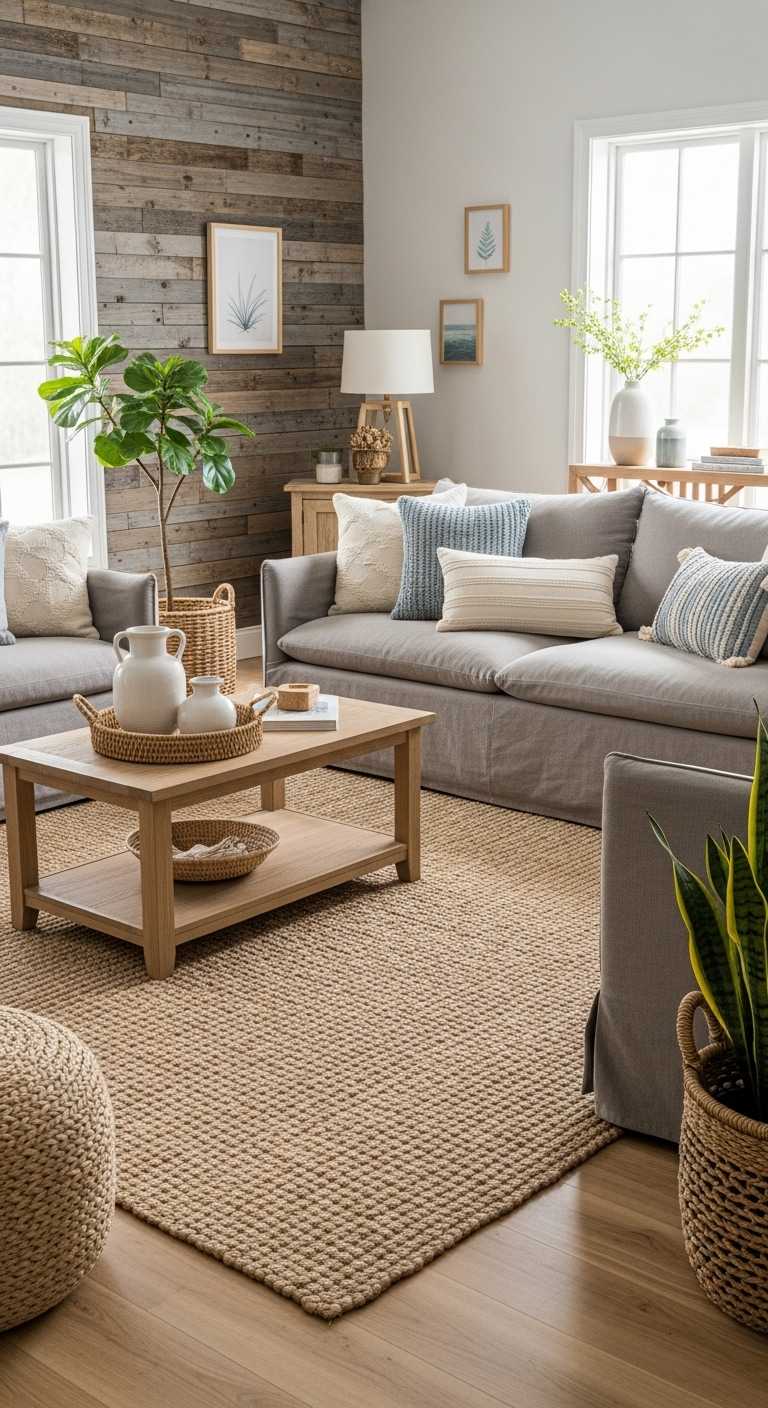
Reverse palettes—dark walls and pale furniture—create a boutique-hotel mood. The furniture feels like it’s floating, which softens the darkness. I like using matte paint for a more velvety look. Homeowners can start with one wall to test the vibe.
32. Layered Window Treatments for More Depth
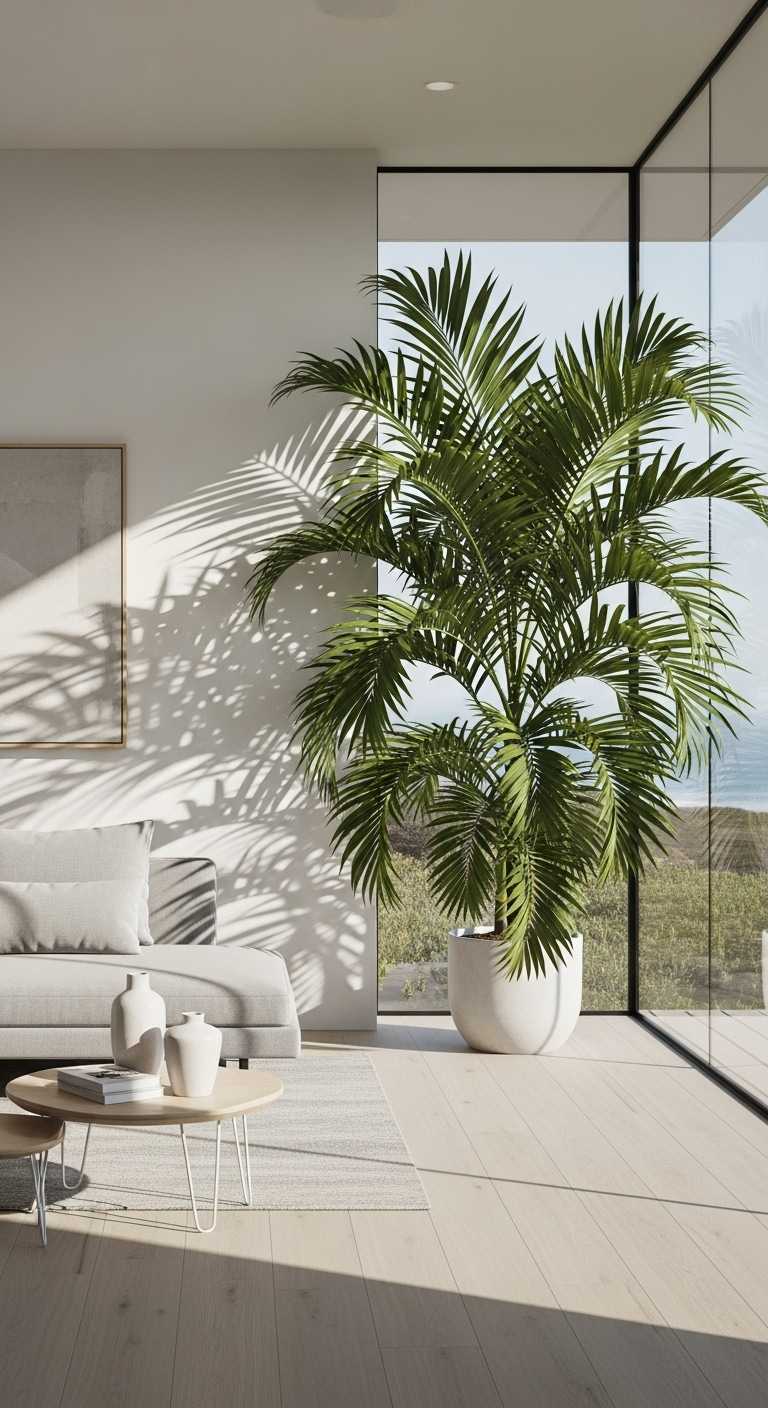
Combining sheer curtains with heavier drapes adds both softness and privacy. It also lets you control light more precisely. I often keep the sheers neutral and let the outer drapes bring texture. Homeowners can choose simple rods to avoid visual clutter.
33. A Touch of Vintage to Add Character
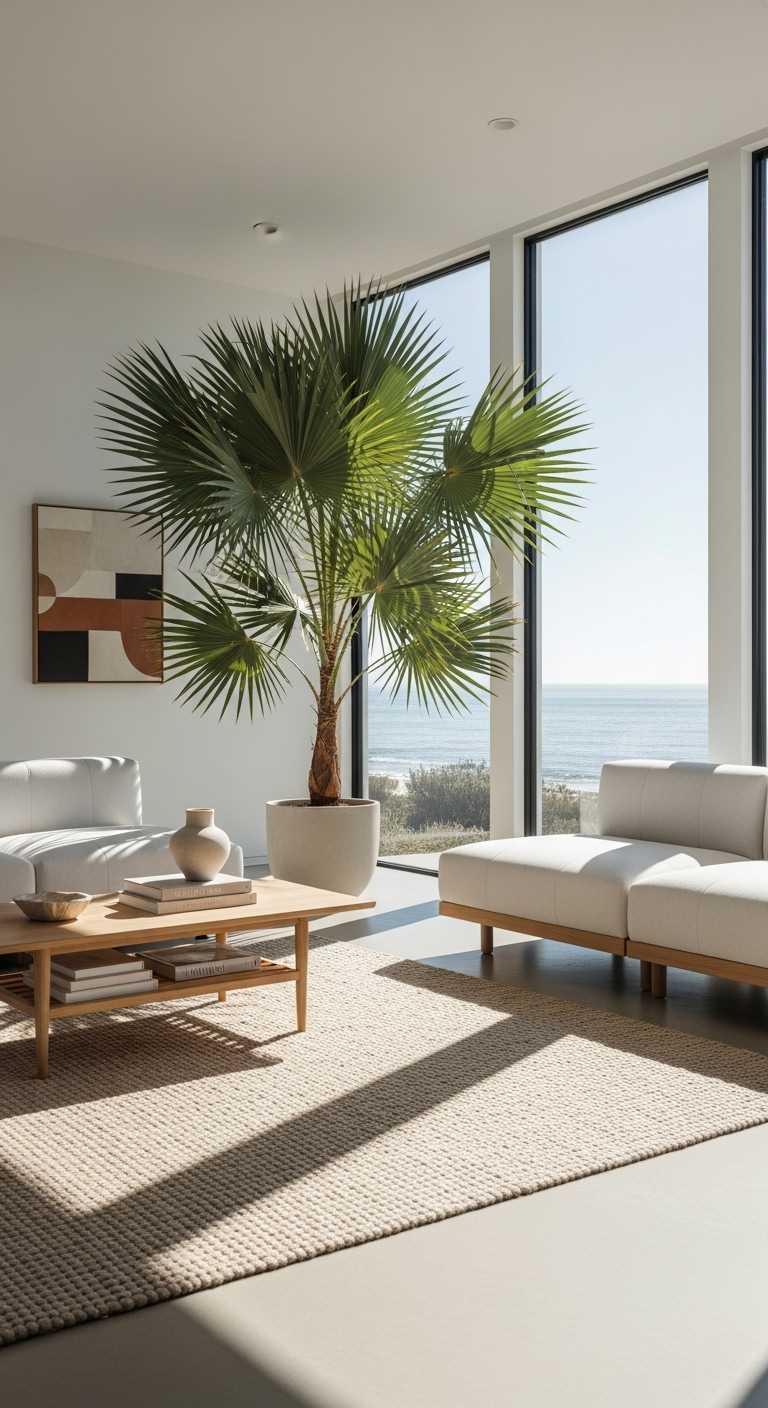
One vintage piece—a wood chest, a mid-century chair, an old mirror—adds soul that new furniture can’t replicate. It helps the room feel less showroom-like. I often look for items with real patina or craftsmanship. Homeowners can start small with vintage accessories or side tables.
Conclusion
Every one of these ideas brings something different to the table—some add warmth, some add structure, and some make the room feel more considered. You don’t have to use all of them; even one or two can shift the mood of your living room. Explore what fits your lifestyle and your home’s layout, and build from there. Designing a space you enjoy living in always happens one thoughtful choice at a time.




No Comments