

When I talk to clients about living room wall decor, the first thing we usually discuss is how those walls set the tone for the entire space. Even small changes — paint, texture, shelving — can shift the room’s personality without a major renovation.
This list pulls together ideas I’ve used in real homes, from subtle upgrades to bolder moves. Think of them as starting points you can tailor to your style, your layout, and the way you actually live in the space.
1. Soft, textured paint that adds a quiet dimension
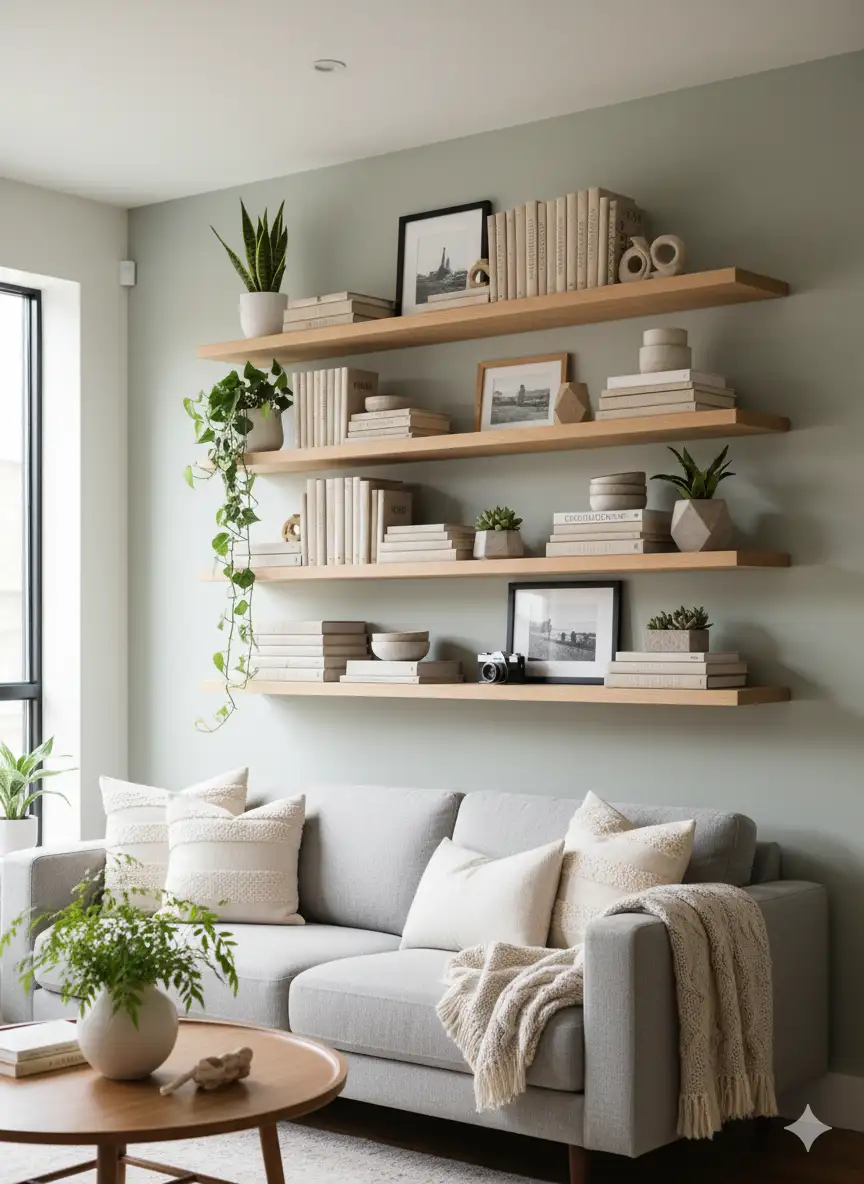
Sometimes a room doesn’t need a new color — just a new surface. I’ve used subtle texture paints, like a gentle sand finish or a fine brushstroke effect, to give a living room wall a softer, almost fabric-like look. It works especially well when the furniture is on the simple side and you want the wall to carry a bit more interest. Choose warm neutrals like clay, mushroom, or soft gray to keep things calm. A good tip is to test a sample board first, because textured paints can look very different as they dry.
2. A single wall with a deeper, moodier color
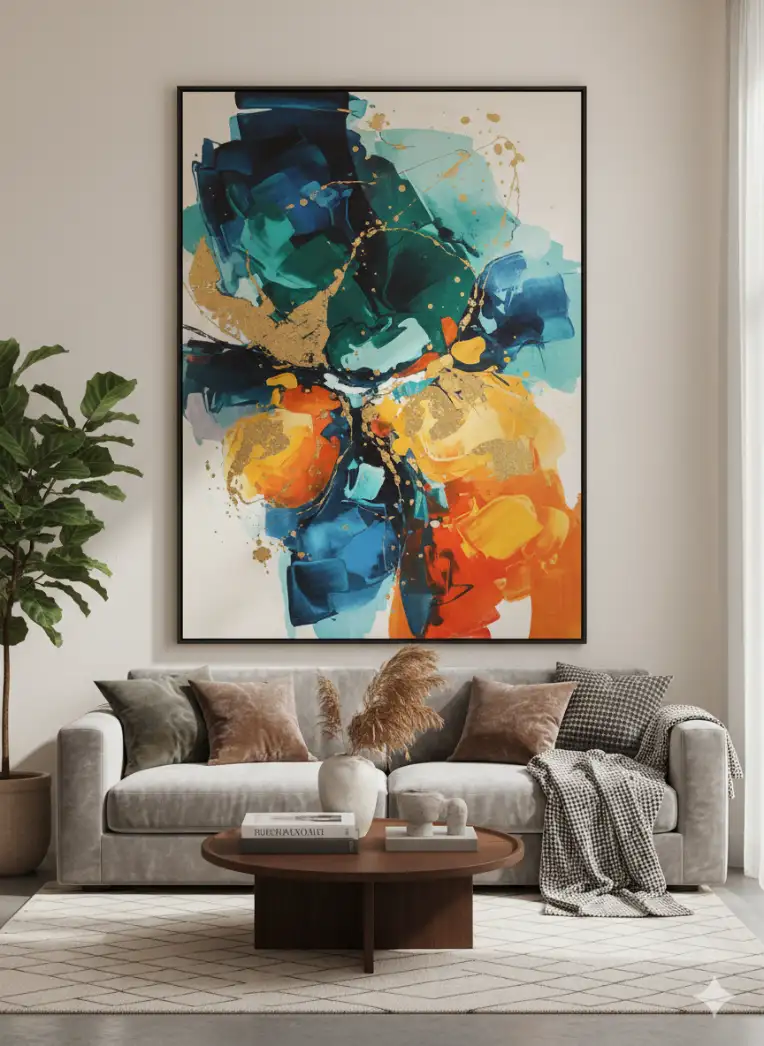
If you’re curious about darker tones but don’t want the whole room to feel heavy, painting just one wall can be a great middle ground. I’ve used deep olive, charcoal, and navy behind sofas or media units, and they create a nice backdrop without overwhelming the space. This works best on the wall you naturally face or sit opposite, so it becomes a true anchor. Try using matte finishes — they tend to soften darker colors. Just make sure your lighting is warm so the color doesn’t feel flat.
3. Wood paneling used in a modern, simple way
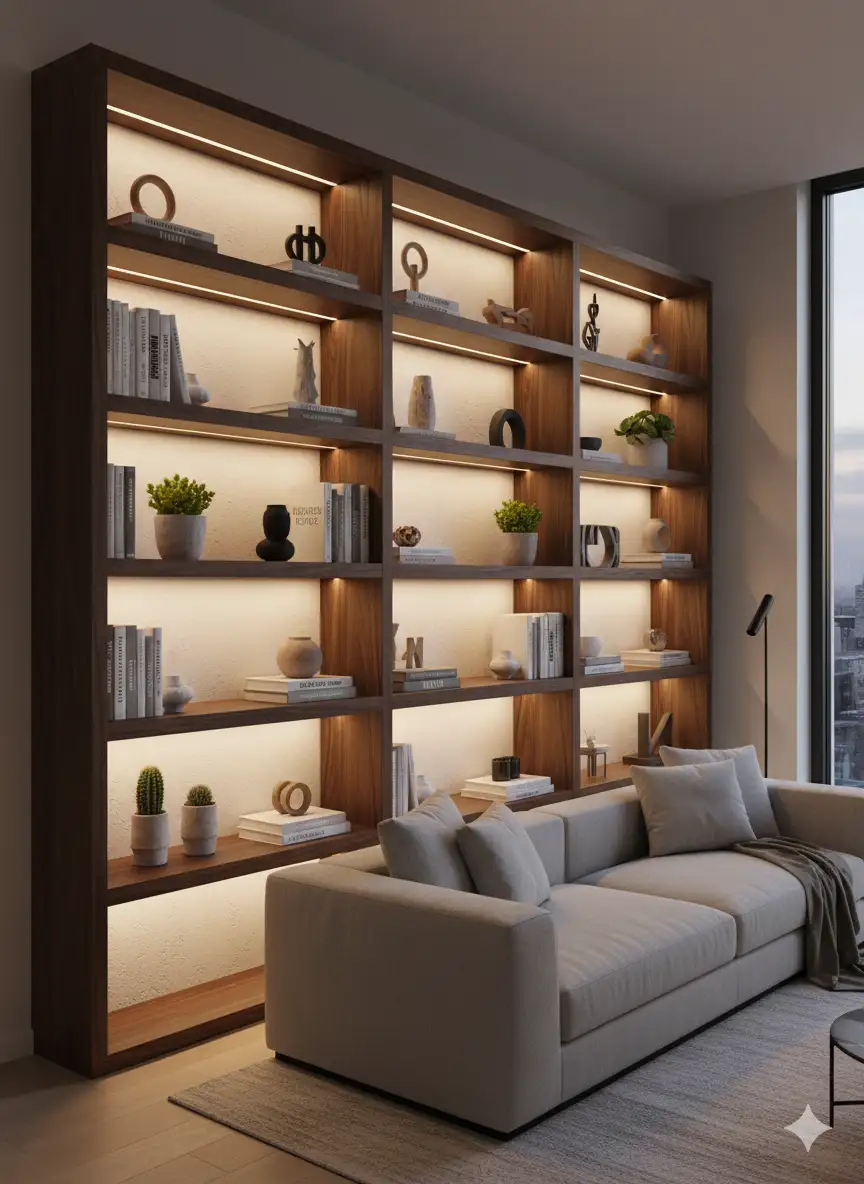
Wood paneling isn’t the heavy old-fashioned look many people still imagine. I often use thin, vertical planks or simple boards painted white or a soft neutral to bring in warmth without making things busy. It adds structure and makes a plain wall feel more intentional. If you’re installing it yourself, keep the spacing consistent; even a small shift can stand out. It pairs nicely with linen sofas and textured rugs, giving the entire room a grounded feel.
4. A long picture ledge so art can be rearranged easily
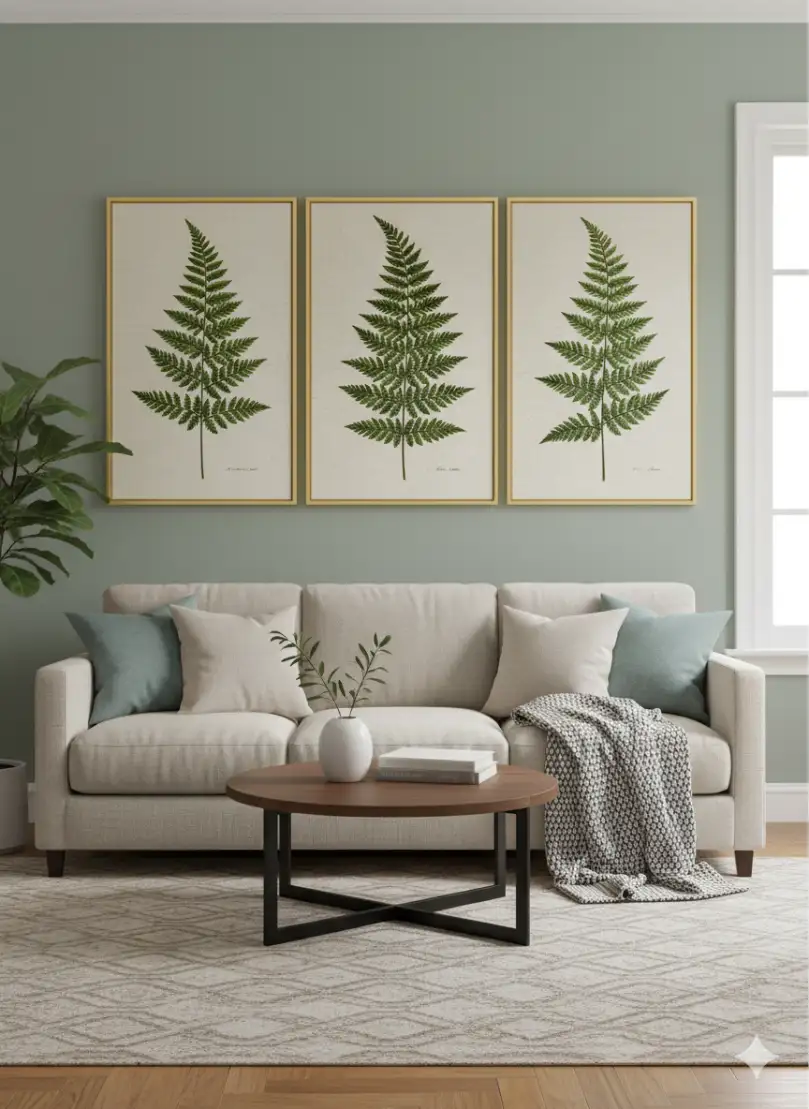
Picture ledges are one of my favorite “low commitment” options because homeowners can switch art around whenever they want. I usually install one long ledge rather than several short ones — it feels cleaner. It gives you room to play with layering. This works especially well above a sofa or bench. You don’t have to stick to framed prints; mix in small objects, leaning mirrors, or even plants. Make sure the ledge is deep enough to safely hold your frames.
5. Oversized artwork that anchors the seating area
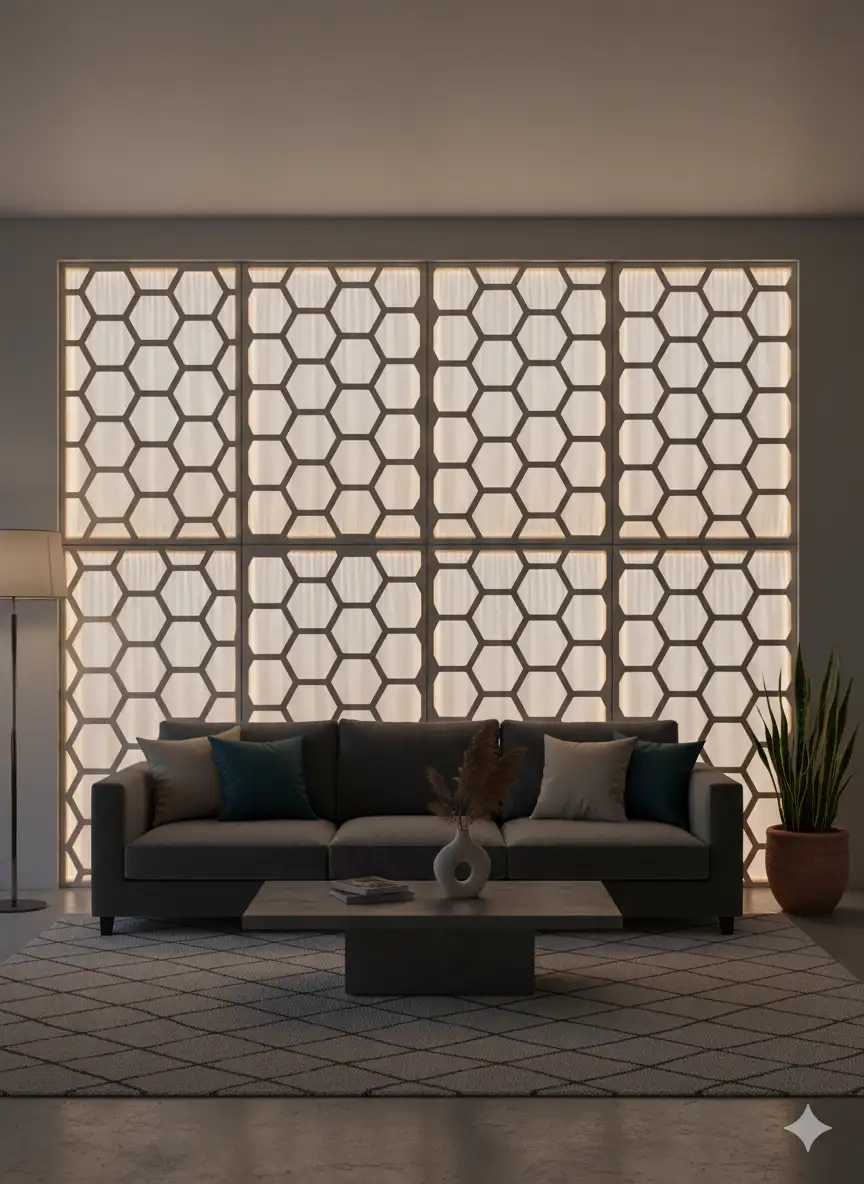
Large-scale art instantly makes a room feel more pulled together. I’ve hung oversized canvas pieces above sectionals, and they do a great job filling that awkward empty space without needing a full gallery wall. Choose something with colors that repeat elsewhere in the room so it feels integrated. If budget is a concern, I’ve had clients frame large fabric pieces or DIY abstract canvases. Just hang the artwork about 6–8 inches above the sofa so it feels connected.
6. A gallery wall with a loose, relaxed layout
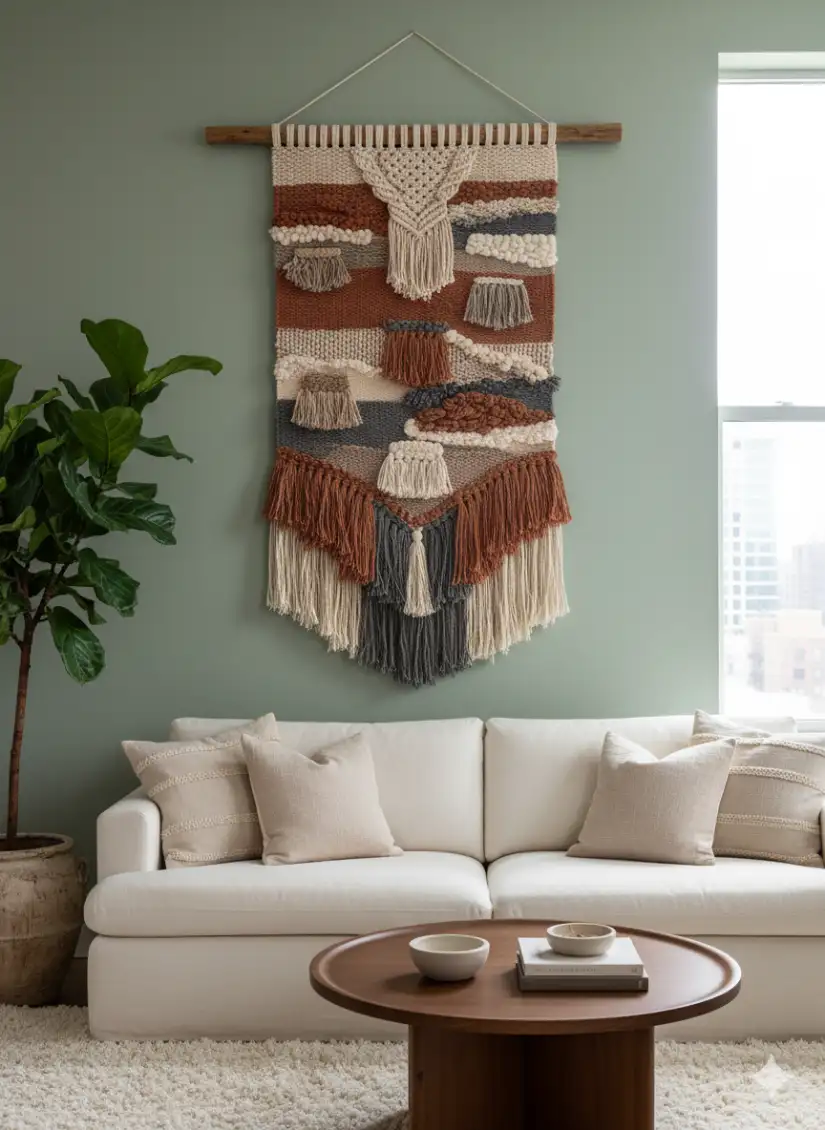
A gallery wall doesn’t have to be perfect to look good — in fact, a slightly “collected over time” layout often feels more inviting. I like mixing frame finishes and sizes, but keeping one consistent detail, like white mats or similar margins. Start with the center piece at eye level and build out from there. It helps to place everything on the floor first and adjust until the spacing feels natural. Don’t be afraid of negative space; it keeps the wall from feeling cluttered.
7. Framed textiles or rugs used as wall art

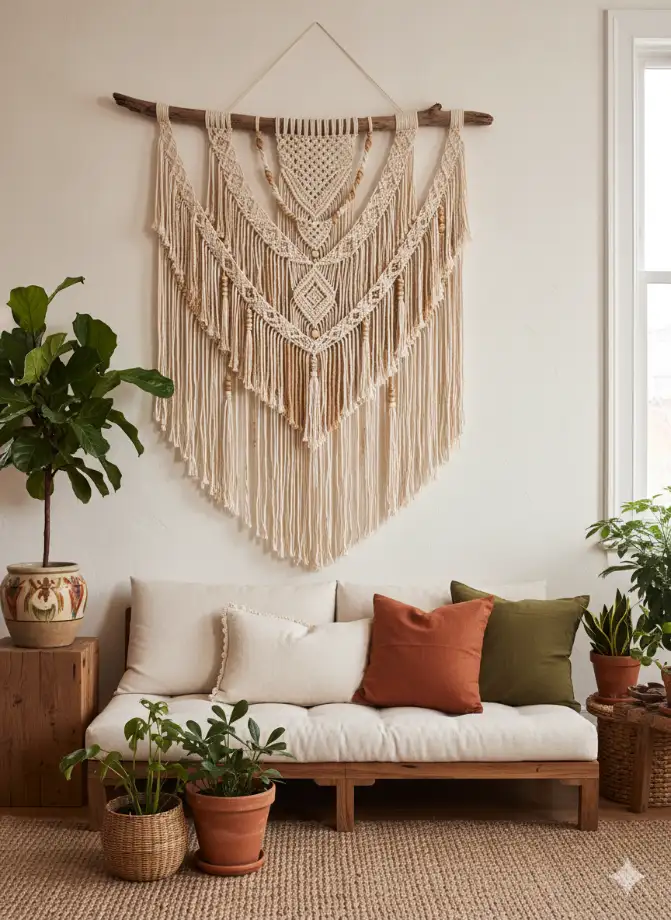
Textiles add a soft layer you can’t get from paper prints. I’ve framed vintage scarves, woven fabrics, and even small rugs when a room needed more texture. They bring warmth and help break up a wall that feels too flat. Neutral frames work well because the textile usually carries enough personality on its own. One tip: use spacers or shadow box frames so the fabric doesn’t sit right against the glass.
8. Narrow vertical slats to create a subtle architectural feel

Vertical slats are a good way to add height and structure without making the room feel heavy. I’ve used them behind media units or along one portion of a wall to bring in a quiet architectural detail. Natural oak or walnut adds warmth, while painted slats blend more softly into the room. Keep the spacing even and choose a width that matches the scale of the room. A soft uplight near the base can highlight the texture nicely.
9. Built-in shelving that doubles as display space

Built-ins aren’t just for storage — they’re great for turning one wall into a feature. I’ve designed shallow shelves for books, ceramics, and a few personal items, leaving some sections intentionally empty so the wall doesn’t feel packed. If you don’t want full built-ins, even a few well-placed floating shelves can work. Stick to one wood tone or one color for cohesion. Measuring the depth carefully matters; too deep and the shelves start feeling bulky.
10. A large round mirror to soften sharp angles
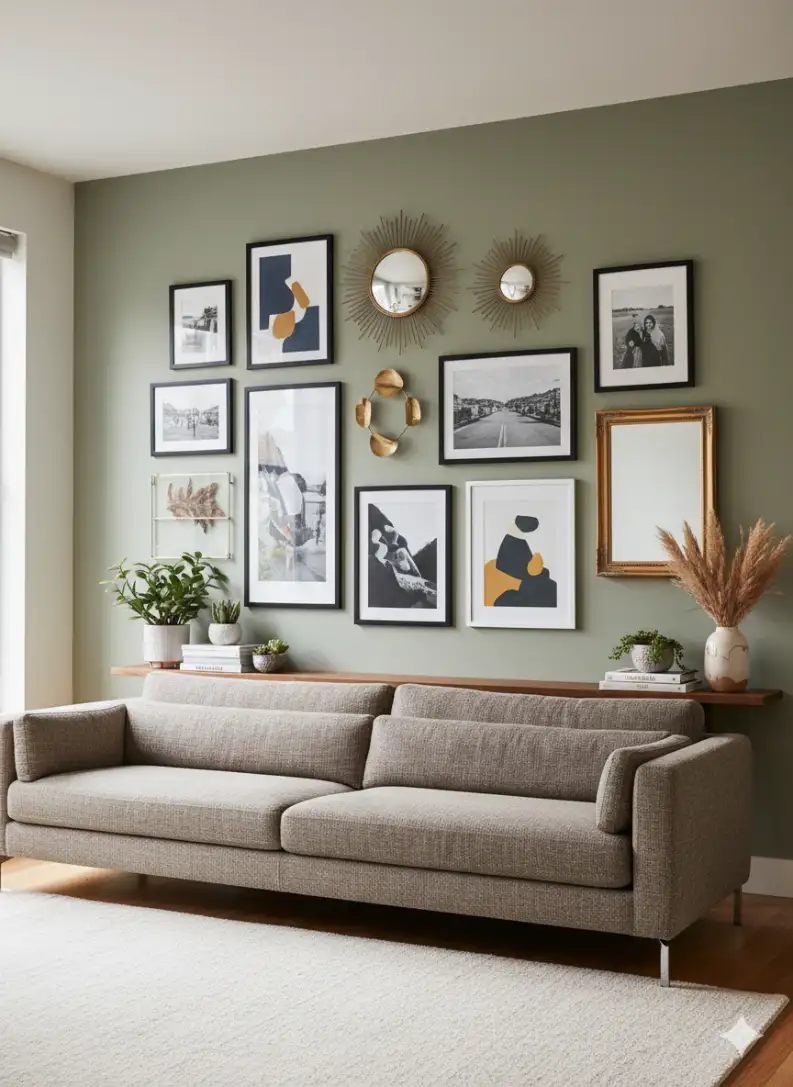
Round mirrors are great in living rooms that lean on the boxy side. I’ve used them above consoles or between windows to bounce light around and break up straight lines. The scale matters — a mirror that’s too small can feel lost. Aim for something that takes up at least a third of the width of the wall or furniture beneath it. Consider a thin metal frame for a clean, contemporary look.
11. Floating cabinets that keep the wall visually light
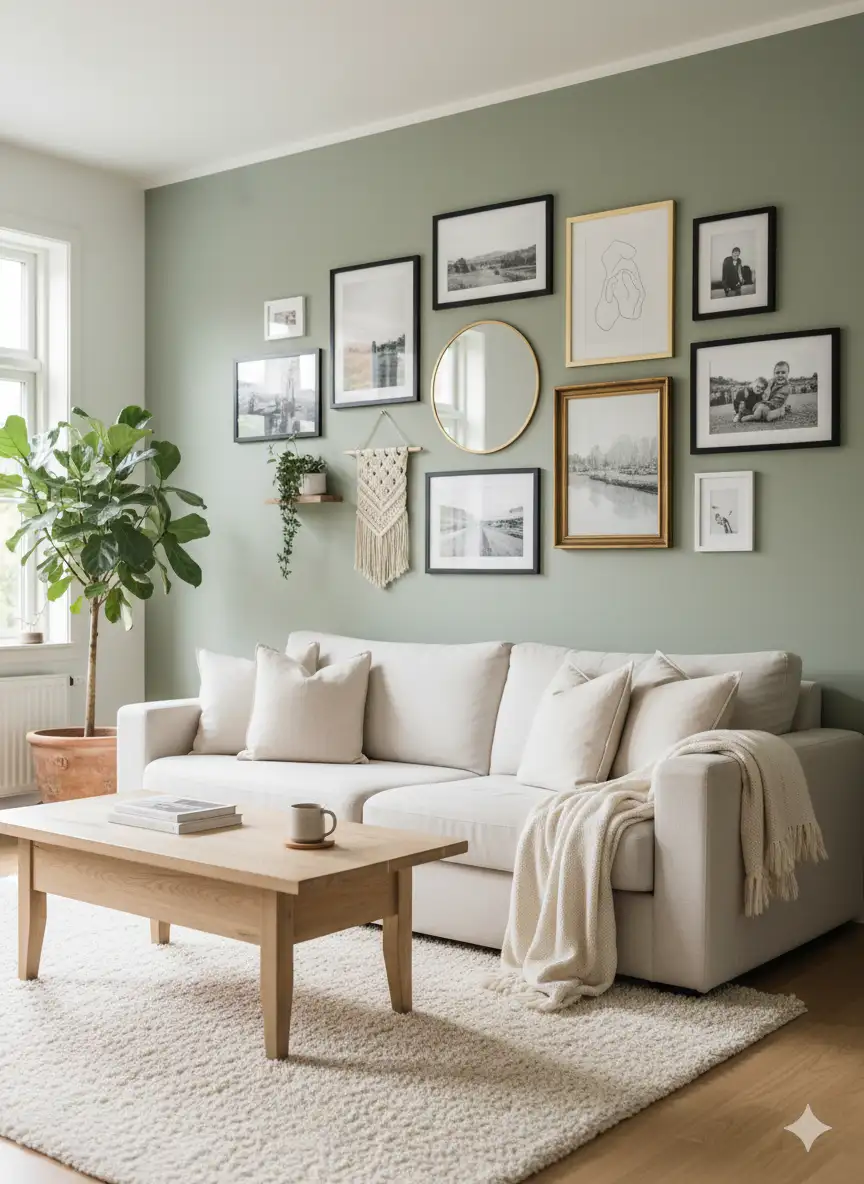
When a room needs storage but you don’t want bulky furniture along the wall, floating cabinets work beautifully. I’ve installed them under TVs or along a blank wall to keep the floor clear and make the room feel more open. They’re especially good in smaller living rooms. Stick with simple door fronts and a matte finish so they recede visually. Make sure to anchor them properly — once they’re up, they look seamless.
12. Stone veneer used sparingly on one section
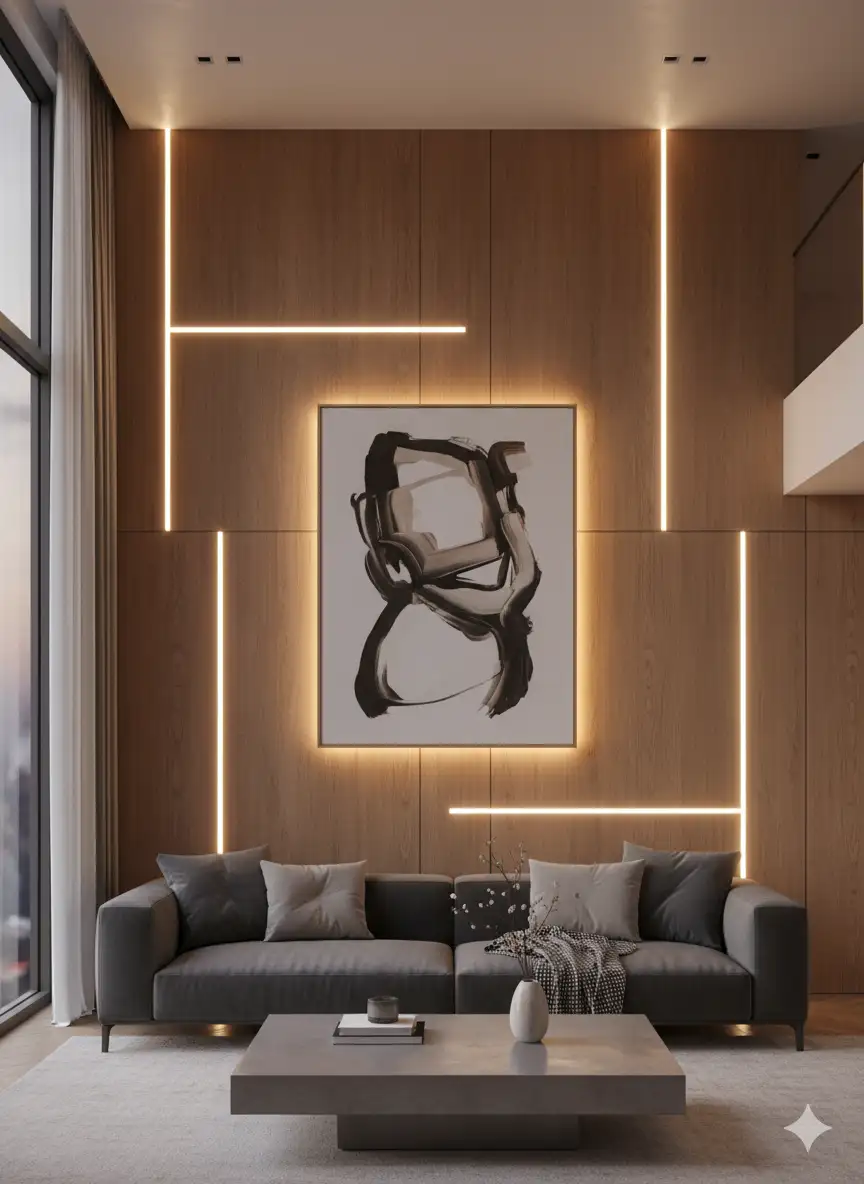
A little bit of stone goes a long way. Instead of covering an entire wall, I often apply stone veneer to just a portion — maybe the fireplace area or one small return wall — to add texture without overpowering the room. Softer stones like limestone or honed slate feel more modern than shiny finishes. It’s worth ordering extra samples, because stone can shift a lot in natural light. Keep the surrounding decor simple so the stone stays the main feature.
13. Wall-mounted lighting that acts like a sculpture

Sconces can be functional and decorative at the same time. I’ve used sculptural, branching designs or simple brass cylinders to bring personality to a blank wall. They add a warm glow and give the room another layer without adding clutter. Position them so the light doesn’t shine directly into seating areas. Dimmers are a must — they make the whole living room feel calmer in the evenings.
14. A painted arch that frames a console or seating nook

Painted arches are a simple trick when a wall needs definition, but you don’t want permanent construction. I’ve used them to frame small consoles or reading nooks, and they immediately make the area feel more intentional. Choose a color just a few shades darker than your walls for something subtle, or go bolder if you want a focal point. Use painter’s tape and a good curved stencil if you’re nervous about the shape. It’s surprisingly forgiving once the furniture is in place.
15. Wallpaper with a quiet, organic pattern

Wallpaper doesn’t have to be bold to make an impact. I often use small-scale patterns — something leafy, hand-drawn, or slightly textured — to give a living room wall a bit of personality. These softer patterns work especially well when you already have color in your furniture or rug. Choose a matte finish to avoid glare. If you’re installing it yourself, take your time lining up the seams; organic patterns hide small imperfections better than geometric ones.
16. A bold, graphic mural applied to one focal wall
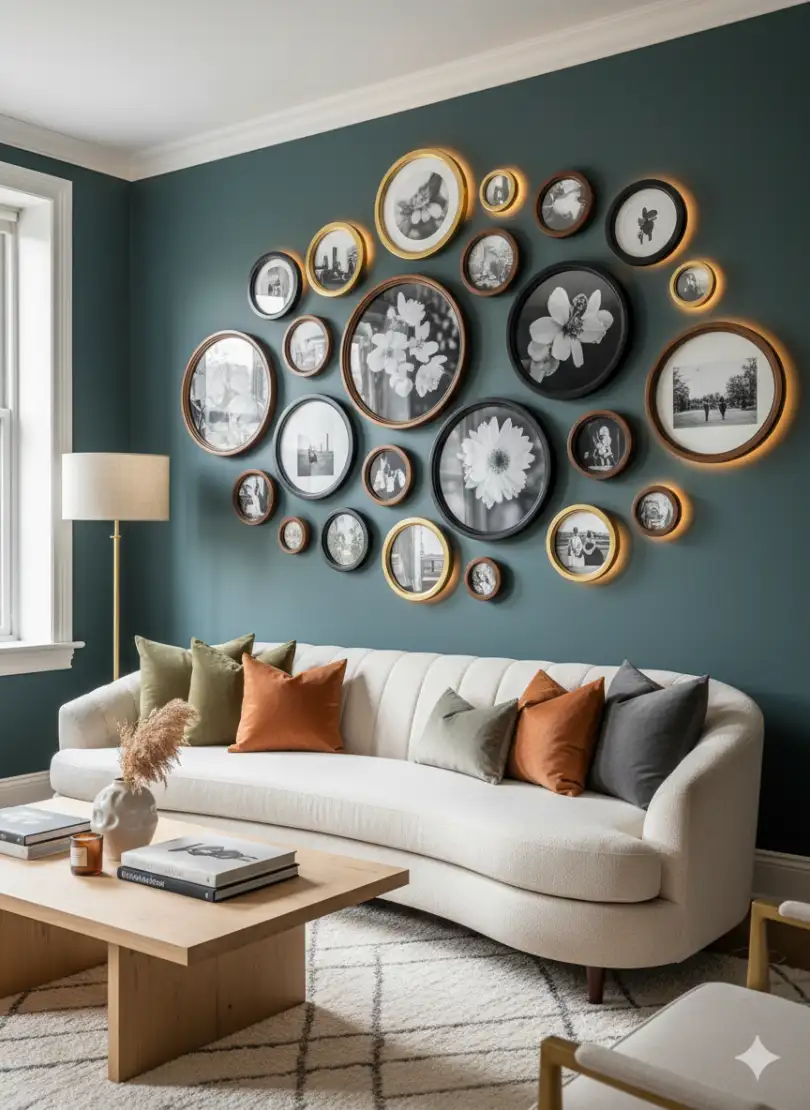
When a living room needs a strong point of interest, a mural can do the job without extra furniture or accessories. I’ve used murals with simple geometric shapes or large organic forms because they feel modern without becoming overwhelming. They work best on the wall you naturally see when you walk into the room. Keep the rest of the decor fairly calm so the mural doesn’t compete with anything. If you’re nervous about committing, there are peel-and-stick versions that make the process less permanent.
17. Woven baskets arranged in a loose cluster

Woven baskets bring an easy, natural texture that softens straighter architectural lines. I’ve hung them in clusters on walls that felt too stiff or needed something warmer. They look great in neutrals, but don’t be afraid of darker tones — they give more depth. Mix a few sizes, step back, and adjust the spacing until the grouping feels relaxed. Use lightweight hooks so you can shift pieces around without leaving big marks.
18. A slim picture rail installed near the ceiling

A picture rail adds a small architectural detail that can completely change the room’s character. I’ve installed them in older homes where people wanted to hang art without damaging plaster, but they work just as well in newer spaces. They also help draw the eye up, which makes the ceiling feel taller. You can lean art from cords or simply leave the rail as a detail. Paint it the same color as the wall if you want a subtle look.
19. Fabric-wrapped panels for a soft, cozy texture

Fabric panels are a nice solution when a room feels echoey or visually cold. I’ve used linen, wool blends, and even performance fabrics for clients with kids or pets. They create a warm, upholstered effect without covering the whole wall. Mount the panels with a little spacing between them so the wall still breathes. If sound is an issue, add a thin layer of acoustic material underneath.
20. Wall-mounted planters with low-maintenance greenery

A bit of greenery on the wall helps break up clean lines and makes the room feel more lived-in. I use shallow wall planters with plants like pothos or trailing philodendrons since they’re low-maintenance. Just a few planters can brighten a blank corner or the area above a console. Make sure the planters are sealed properly so you don’t get water marks on the wall. Good natural light helps, but LED grow bulbs can fill in if needed.
21. Metal art pieces that add a bit of shine
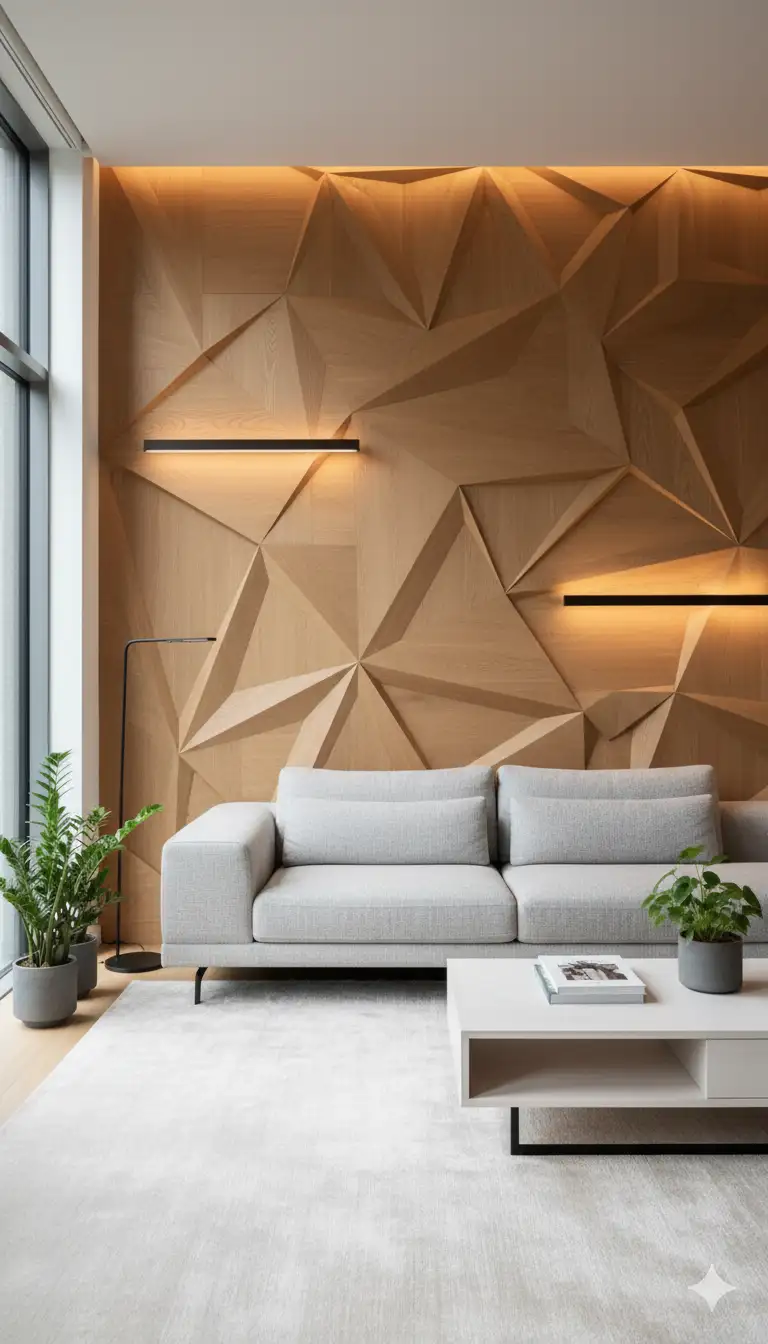
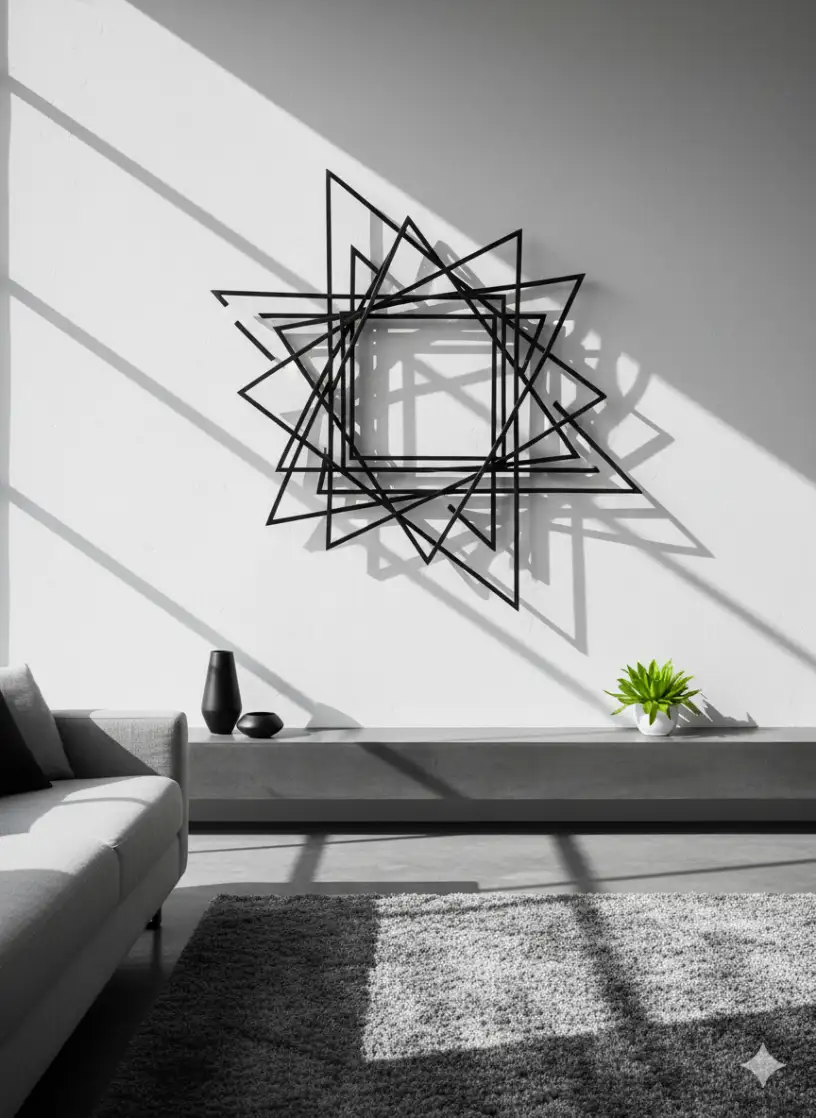
Metal pieces — brass, blackened steel, or even matte aluminum — bring a different texture that’s hard to get from canvas art. I’ve used simple geometric shapes or more organic sculptural pieces, depending on the room’s style. They subtly catch light, which adds a nice layer to the wall. One tip: avoid placing shiny metal directly opposite a window to prevent harsh reflections. Mixed-metal rooms can still work as long as you repeat each metal tone at least once.
22. A chalkboard or limewash accent for a hand-touched look

Chalkboard paint isn’t just for kitchens — used sparingly in a living room, it brings a relaxed, creative feel. Limewash does something similar but with a softer, cloudier texture that feels handmade. I’ve used both when clients want the room to feel less polished and more lived-in. Chalkboard works best in small sections, like behind a desk or near a play area. Limewash is great for full walls; just remember it dries with natural variation, which is part of its charm.
23. Narrow ledges for books — almost like functional art

When a wall needs both personality and practicality, I sometimes install narrow picture-ledge-style shelves for books. The covers become part of the decor, and you can rotate them easily. These work especially well in rooms where you don’t want a full bookcase but still want books accessible. Keep the ledges shallow so they don’t protrude too much. Angle the books slightly or use a lip to prevent them from sliding off.
24. A long console with layered art resting on top

Instead of hanging everything on the wall, I often layer art on top of a long console. It creates a laid-back look and gives you flexibility to swap pieces around. A few tall lamps or vases help balance the arrangement. This works nicely on large walls that feel too empty but don’t call for built-ins. Keep the frames at varying heights to create an easy, collected feel.
25. Sculptural wood pieces arranged organically

Carved or shaped wood pieces can add a warm, tactile element to a living room wall. I’ve used sets of simple bowls, hand-carved shapes, or reclaimed wood elements in homes that needed a little rustic texture. The natural variation in the wood keeps things interesting without feeling busy. Arrange them loosely rather than in perfect rows. Just be sure to use sturdy anchors, since some pieces can be heavier than they look.
26. A curated set of black-and-white family photos

Black-and-white photos feel timeless and avoid the visual chaos that sometimes comes with mixed colors. I’ve helped families choose moments that really reflect their personalities — travel shots, candid moments, or even old family photos. Matching frames help the set feel cohesive. Keep the spacing consistent and hang the center photo at eye level. It creates a meaningful focal point that still feels clean and modern.
27. Vintage architectural pieces used as decor

Sometimes the most interesting wall pieces are things that weren’t meant to be decor at all. I’ve hung old window frames, carved door panels, and sections of ironwork when a room needed something unexpected. These pieces add character and a bit of history. It helps to keep the surrounding decor simple so the architectural element stands out. Make sure you treat or seal older wood so it doesn’t shed dust.
28. A low, continuous bench that visually defines the wall

A low bench along a wall can do more than provide seating; it visually anchors the space. I’ve used them under large art pieces or long sets of windows when the wall needed grounding. They also give you a spot for baskets or throw pillows without cluttering the room. Keep the height low so the bench doesn’t feel bulky. A wood finish works well because it warms up the wall behind it.
29. Vertical shiplap used in a clean, modern way
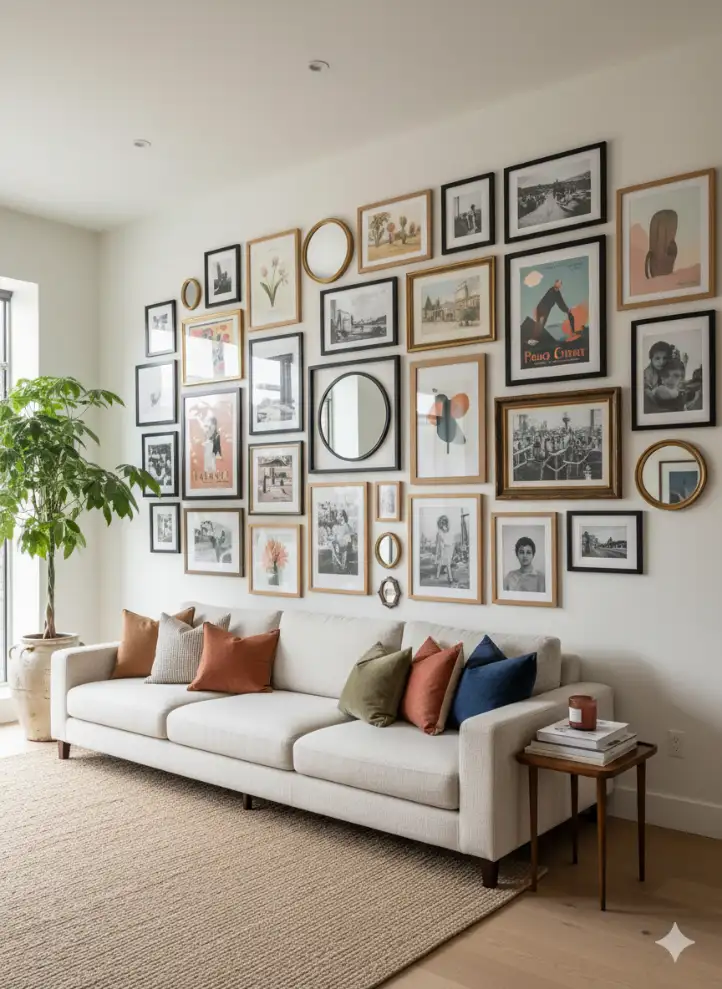
Shiplap doesn’t have to look rustic — vertical orientation gives it a more contemporary feel. I’ve installed it in narrow living rooms to draw the eye upward and make the room feel taller. Soft neutrals keep it from feeling too busy. If you’re painting it, use a satin or matte finish so the grooves don’t reflect too much light. Consistent spacing is key; even small gaps show up.
30. A recessed niche turned into a display moment
If your living room has an awkward niche, it can become a beautiful feature with a few small changes. I’ve added shelves, lighting, or wallpaper to turn these spaces into little display zones. They’re great for ceramics, books, or small plants. Keeping the interior color slightly different from the wall helps define the niche without making it feel disconnected. Measure carefully — custom shelves look best when they fit snugly.
31. Wall hooks or pegs arranged as a design element
Hooks aren’t just for entryways. I’ve installed simple wooden or metal pegs in living rooms to hold hats, lightweight bags, or decorative items. When arranged thoughtfully, they act like wall art and add a bit of everyday function. Keep the spacing relaxed so it feels intentional rather than utilitarian. Choose finishes that tie into your furniture hardware for a more cohesive look.
Conclusion
Living room walls can do so much more than people expect — sometimes it just takes a small change to shift the whole feel of the space. These ideas come from real homes where the goal was always comfort, warmth, and personality. Pick one or two that fit your style and build from there. It’s amazing how quickly a room starts to feel like your own when the walls reflect who you are.



No Comments