
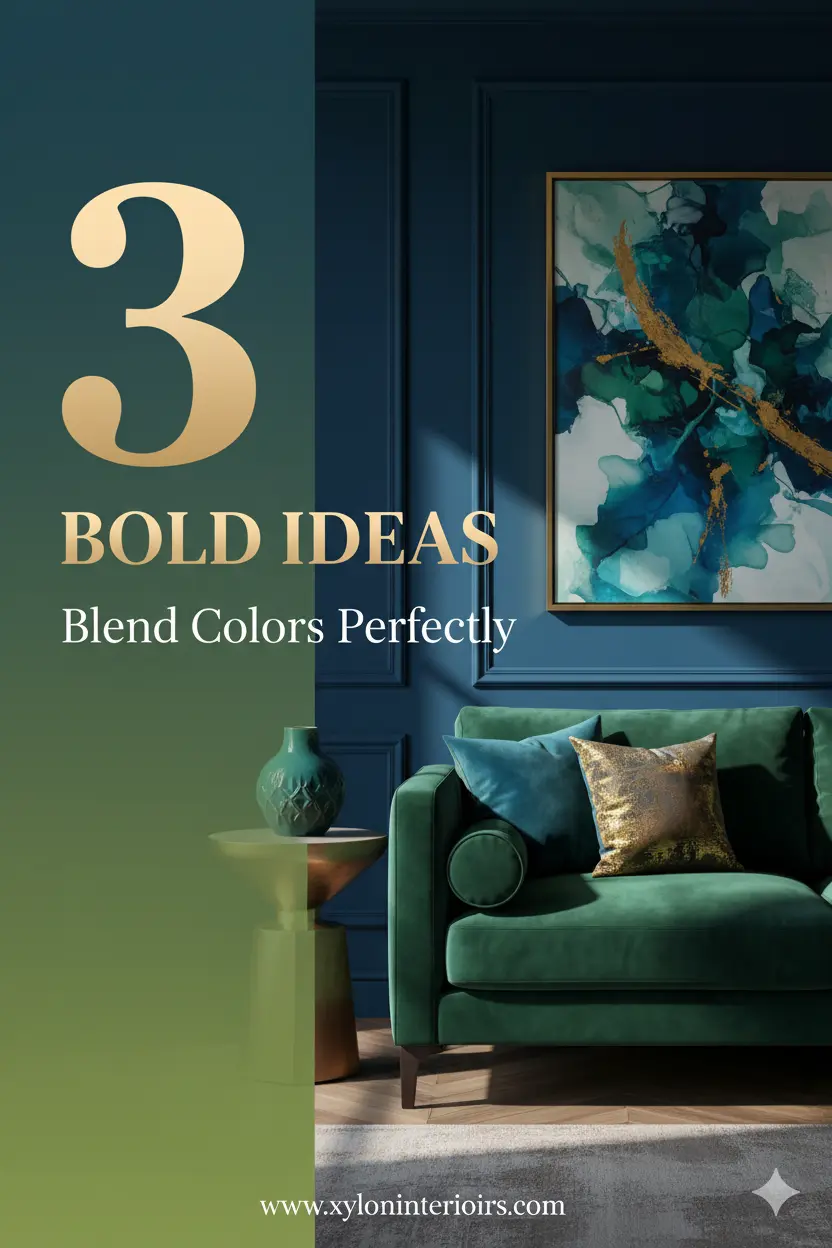
Most of us love the idea of using color, yet the moment paint chips start piling up on the coffee table the panic sets in. Blue feels safe, green feels fresh, but putting them together in one living room can trigger the “what if it clashes” worry. I have walked plenty of homeowners through that exact moment, and the good news is that the solution rarely requires a full renovation or a designer-sized budget. It simply takes a plan, a few steady choices, and the confidence to go bolder than you think.
“Blue calms the mind, green restores the soul. When the two meet in one room, you get a daily dose of both.”
— my mentor, on a late-night color consult
Below you’ll find three surprisingly bold ideas that show how to blend blue and green so the room feels natural instead of forced. Each idea comes with real-world tactics for homeowners, condo dwellers, and renters alike.
Quick Glance at the Three Ideas
- Idea 1 – Color Zoning: Divide the living room into functional color pockets so blue and green each get a clear purpose.
- Idea 2 – Pattern Remix: Use varied patterns to merge the two hues while avoiding a one-note look.
- Idea 3 – Light Layering: Treat lighting as a color amplifier that ties blue and green together from sunrise to movie night.
Now let’s dig in and see how these concepts work in real homes, what they cost, and how to pull them off even if you cannot paint the walls.
Idea 1: Color Zoning Gives Every Corner a Job
Many living rooms double as playrooms, home offices, or dining spaces. Color zoning carves out those duties visually. Think of it like laying an invisible rug of blue here, a patch of green over there, so the eye instantly knows what happens where.
How to Try It
- Pick a dominant hue. Choose either blue or green as your lead color, then let the other act as support. A 60-30-10 ratio works: 60 percent dominant, 30 percent support, 10 percent accent neutrals or metallics.
- Create a “blue base camp.” Anchor the sofa zone with a blue rug or a painted accent wall behind the couch. If you rent, use a large washable rug or peel-and-stick panels. Navy, denim, or muted slate hides wear and grounds the room.
- Assign green to a task corner. A reading nook with an emerald armchair or a jade bookcase instantly communicates purpose. No painting required, just furniture placement.
- Bridge the two with neutral flooring. Wood tones, jute rugs, or even a simple cream carpet stop the colors from fighting.
Budget and Renter Tips
- Peel-and-stick paint squares: Place large removable paint samples on walls for a week before committing.
- Small-space hack: If the living room is tiny, try color blocking the ceiling in pale aqua or sage. It draws the eye upward and doesn’t impact floor space.
- Under 100 dollar upgrade: Swap existing throw pillow covers for a set that follow the 60-30-10 rule. It sounds minor yet reads loud and clear.
When zoning is done well, people may not even notice the room’s layout shift, only that it feels orderly and calm.
Idea 2: The Pattern Remix That Prevents a Flat Color Story
Blue and green living rooms can look flat if every surface is solid. The trick is layering patterns so the colors mingle in different scales. A tiny herringbone mixes differently than a bold palm-leaf print even if both share the same green.
Three Levels of Pattern Layering
- Micro Patterns (think under one-inch repeats): Pin dot, mini-check, subtle weaves. Place these on lampshades or ottomans.
- Medium Patterns: Stripes, botanical prints, or classic plaid on curtains and accent chairs. Stripes in navy and white are foolproof because they calm down busy florals.
- Statement Patterns: Large-scale murals, oversized foliage, or geometric rugs. Use just one to avoid chaos.
Putting It All Together
Start with a statement rug that marries both colors. For example, a vintage-inspired rug with indigo fields and moss medallions. Pull a stripe from the rug into sofa cushions, then repeat the moss tone in a single art piece. Notice how the eye moves from floor to sofa to wall without stopping on any one item.
If you prefer subtlety, reverse the process. Begin with a micro pattern such as a blue cross-hatch wallpaper on one wall, then layer in leafy green plants for organic pattern without printed fabric. Real plants count as pattern because nature rarely repeats itself exactly. Bonus: they purify air.
What to Avoid
- All patterns at the same scale, which makes the room buzz visually.
- Too many saturated greens against a single pastel blue. Saturation should stay balanced.
- Shiny fabrics next to matte versions of the same color. Vary both pattern and texture.
“Patterns are the room’s soundtrack. Soft ones whisper, bold ones sing lead. Keep the chorus in tune.”
— fellow designer during a showroom wander
Low-Commitment Ways to Test Patterns
- Buy quarter-yard fabric samples and pin them to existing pillows for a week.
- Use digital artwork placed in standard frames so you can change files seasonally.
- Cover book spines with patterned wrapping paper for a weekend experiment.
Idea 3: Light Layering That Makes Colors Glow at Every Hour
Color means little without the right light. Blue can read gloomy under cold bulbs, and green may look muddy at night. Layered lighting lets both shine from breakfast until the last Netflix episode.
Breaking Down the Layers
- Ambient: Your main overhead source. Replace existing bulbs with warm white (2700–3000K) to prevent blue walls from skewing purple.
- Task: Desk lamps or swing-arm sconces near where you read, knit, or puzzle with the kids. Brass or wood bases soften the contrast between blue and green pieces.
- Accent: LED strips under floating shelves or inside glass-front cabinets painted teal. This is where green can glow like jewel glass.
Smart Placement Tips
- Position a floor lamp so its light washes over a green accent wall. That subtle highlight makes the wall look hand-finished.
- Place dimmable sconces near navy drapery. Lower light intensifies the blue so it frames the window like artwork at dusk.
- If you rent, use battery-powered puck lights with adhesive backs. Tuck them behind sofa cushions or plant pots for a cinema vibe.
Small Budget, Big Impact
A set of smart bulbs costs less than a dinner for four yet gives you endless color temperature options. Try daylight white when working from the sofa, then switch to candlelight mode for game night. The living room now adapts like a chameleon rather than fighting the clock.
Remember to adjust lampshade fabrics too. A linen shade diffuses, while a metal shade directs. Swapping shades can be faster and cheaper than buying new lamps.
Maintaining Harmony Over Time
Life is messy. A living room should allow for spilled popcorn and science-fair projects without losing its style. Keep a small box of touch-up tools: fabric glue, extra paint samples, screw-in felt pads. When wear happens address it quickly so the room’s calm remains intact.
If new toys or hobby gear arrive and threaten the palette, store them in woven baskets or navy fabric bins. Clutter is a color too, usually a loud one.
One Last Word of Encouragement
Blending blue and green is less about rules and more about rhythm. Start with a single bold step, pause, then layer the next element when the room asks for it. You don’t need to finish everything in one weekend. In fact, many of my favorite rooms evolved over months as homeowners lived, hosted, and reordered their space.
Whenever you feel stuck, scroll through inspirations from places like Xylon Interior, then look away from the screen and glance around your own living room. What can you move, swap, or paint in the next hour? That first move is often enough to unlock the rest.
“A home is a living organism, let it breathe and grow with you.”
— a note I found scribbled on a client’s fridge, and have borrowed ever since
Ready to Begin?
Pick one idea—color zoning, pattern remix, or light layering—and try a mini version tonight. Maybe it’s just grouping the blue pillows on one side of the couch and placing a green plant opposite. Small actions build big confidence. Before long your Blue and Green Living Room will feel so natural you’ll wonder why you ever hesitated.






No Comments